
Story by Eugene Nyarko Jnr. I Alisa Hotel, Accra l Wednesday, August 19, 2026
The Financing Accelerator Network for NCDs (FAN) is providing countries with opportunities to develop and test practical solutions to challenges affecting the financing of non-communicable diseases (NCDs).
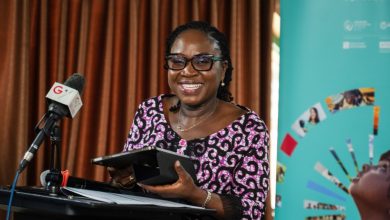
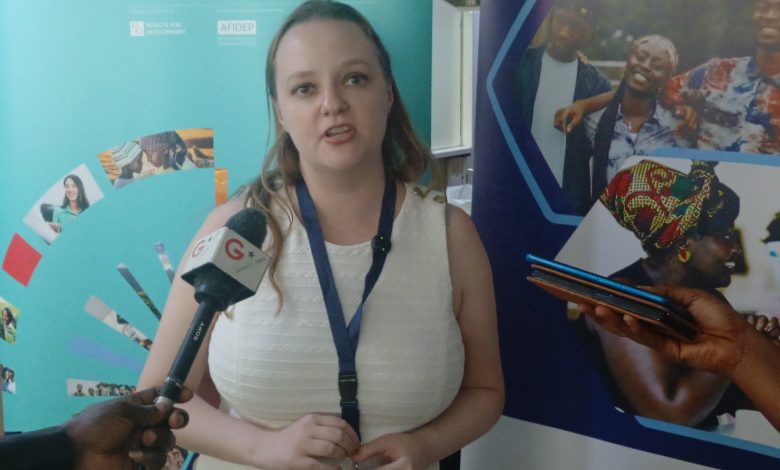
A Fellow at Results for Development (R4D) in the United States, Leah Hughey Ewald, said countries participating in the network would be able to apply for catalytic seed funding to test solutions developed from the cross-country learning process.
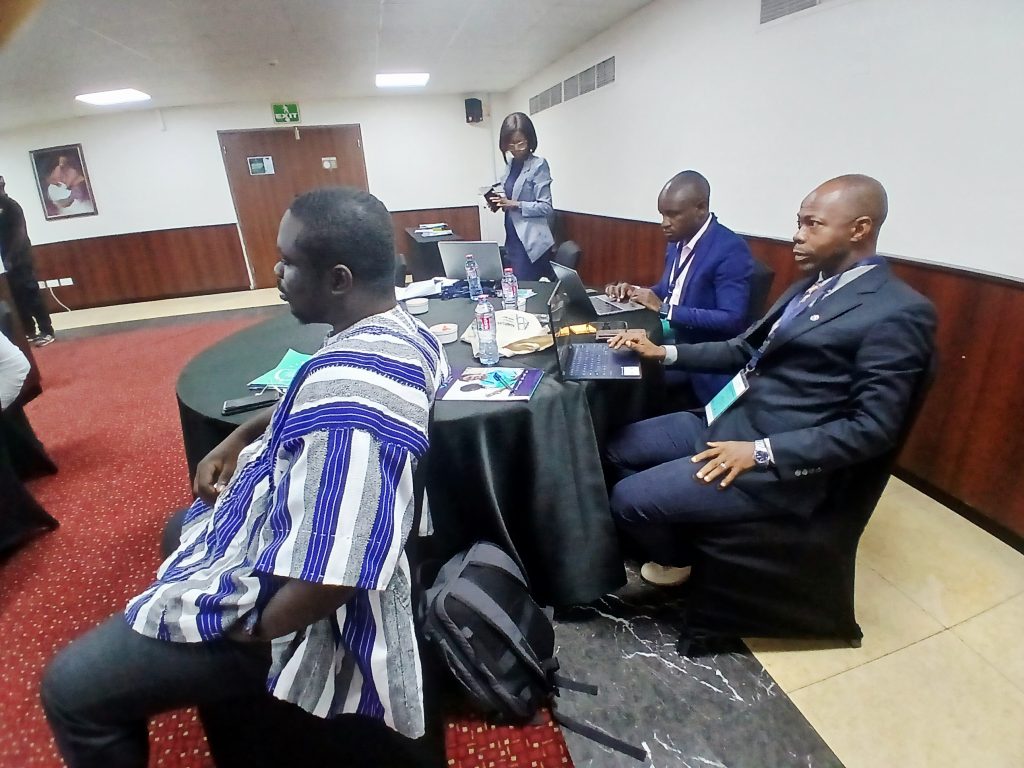
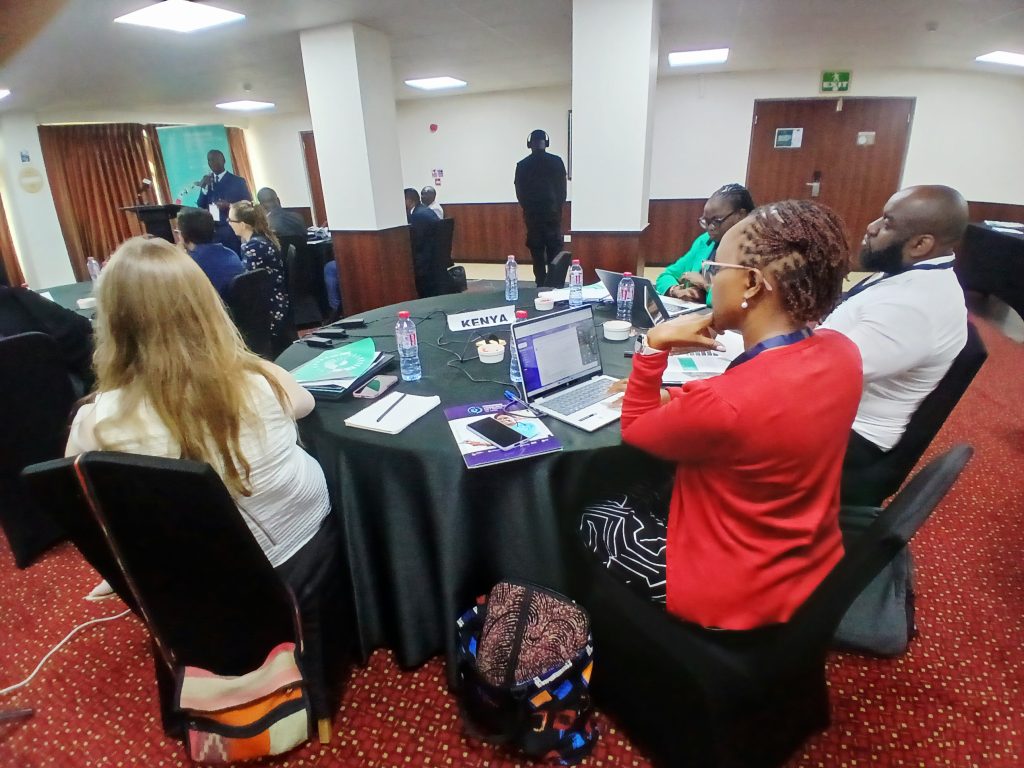
She disclosed this at the Sub-Saharan Africa Cross-Country Learning Workshop being held at the Alisa Hotel in Accra from August 19 to 20, 2026.
The workshop is on the theme: “Accelerating Integration of NCD Services, Essential Medicines, and Diagnostics within UHC Reforms.”
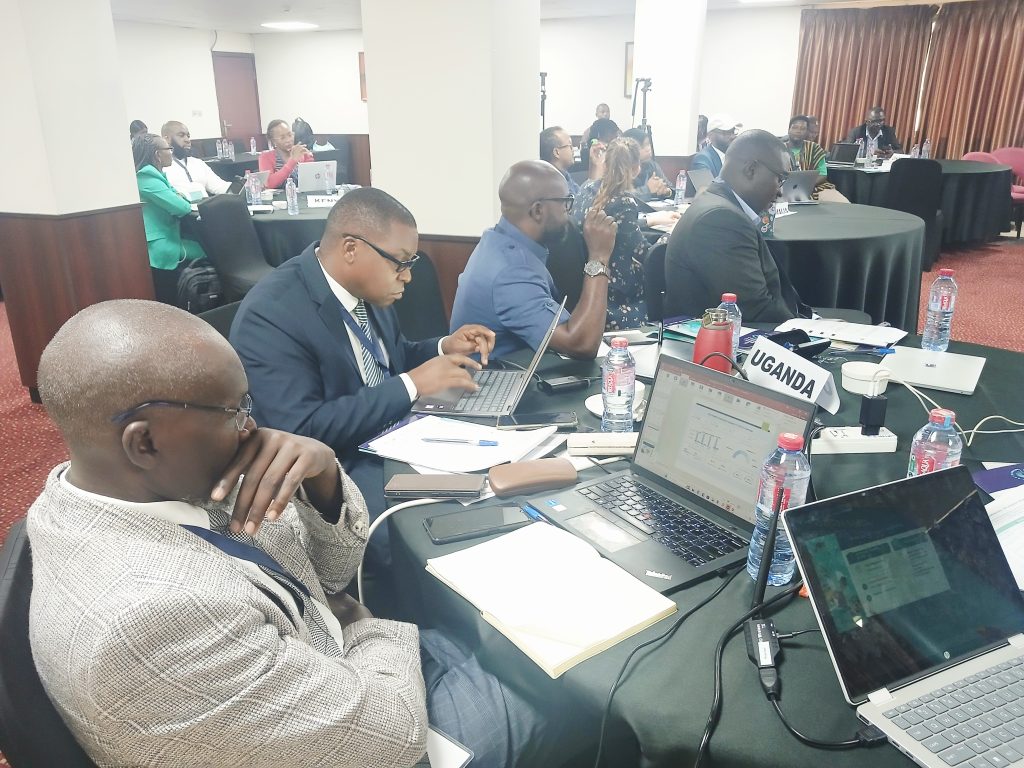
Ms Ewald said the workshop was designed to help participating countries identify common challenges, brainstorm creative and practical solutions and subsequently test those solutions in their respective countries.
She said countries would then return to the FAN network to share their experiences and lessons with other participating countries.
According to her, the approach was intended to create an ongoing learning community in which countries could support one another over an extended period.
She said participating countries had expressed strong interest in tackling NCDs because of the growing burden of the diseases and the inadequate financing attention they had historically received.
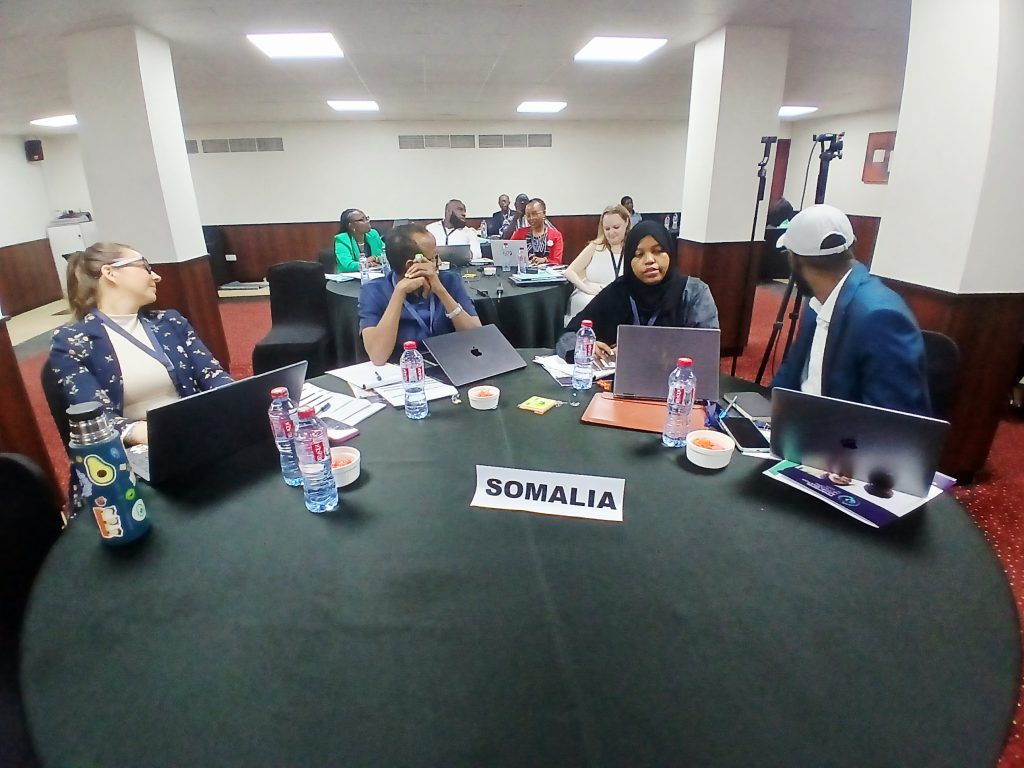
Ms Ewald explained that FAN worked through country core groups made up of key stakeholders involved in health financing decisions.
These included representatives from Ministries of Health and Finance, civil society organisations, private sector actors and other stakeholders relevant to individual country contexts.
She said bringing the stakeholders together provided a focused platform for addressing the financing challenges associated with NCDs.
Ms Ewald said FAN started in Sub-Saharan Africa about a year ago with countries that had already demonstrated strong interest and momentum around NCD financing.
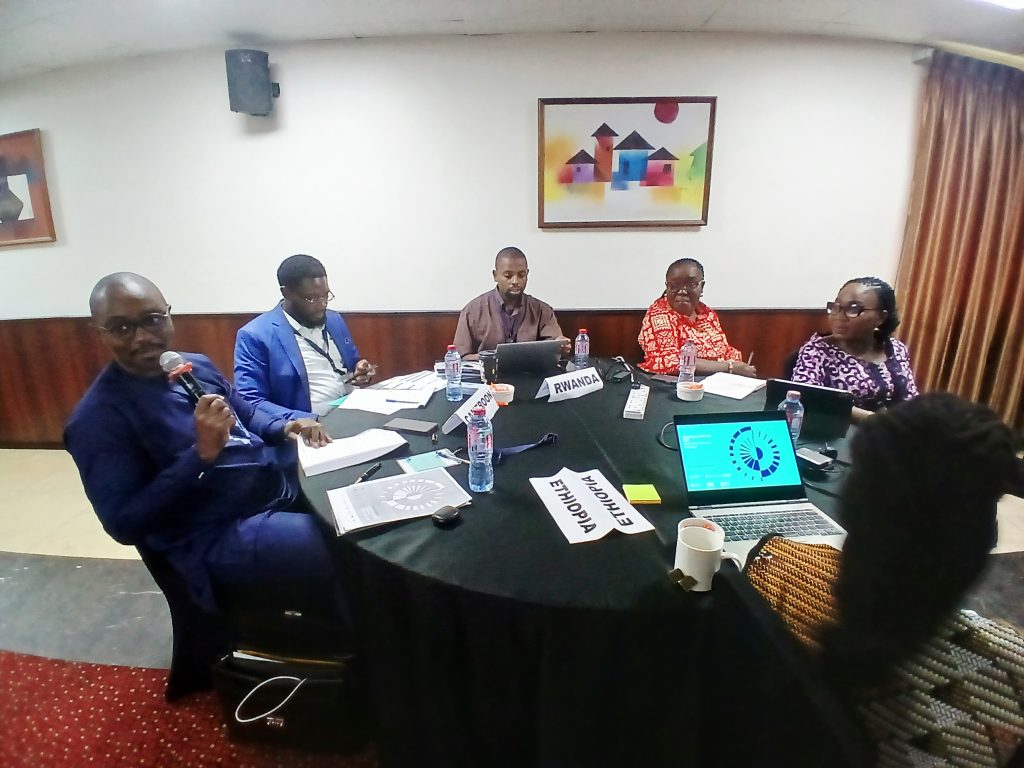
She said the network was currently expanding and continued to accept applications from new member countries.
She explained that NCDs had traditionally been left out of many financing arrangements because they were complex, required continuous engagement with health systems and were expensive to treat.
She said the changing disease burden meant that health financing systems now needed to be restructured to meet the needs of patients with chronic and complex diseases.
Ms Ewald said FAN was funded through a technical partnership between Access Accelerated and the World Bank, with Access Accelerated providing funding for the network’s activities, including events and seed funding.
She identified inadequate health data as one of the major challenges affecting NCD financing decisions.
“Without this data, you can’t make effective decisions. You can’t set effective policies. You can’t budget well. You can’t plan well,” she said.
She disclosed that FAN was supporting a number of initiatives, including an NCD register in Somalia and a sub-national investment case for NCDs in Kenya.
She said the network was encouraged by evidence that some countries were increasing government spending on health and NCDs and expanding coverage for health services, although significant data gaps remained.
Ms Ewald said FAN had recently expanded to Latin America and the Caribbean and was hoping to expand into Asia and the Pacific when additional funding became available.
She encouraged countries participating in the Accra workshop to develop practical initiatives that could subsequently qualify for FAN’s catalytic seed funding.