
Story by Eugene Nyarko Jnr. l Accra l Tuesday, September 29, 2026 —
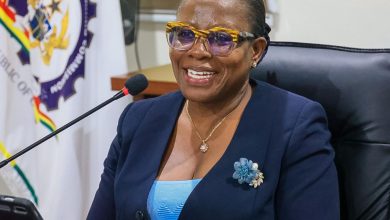
The Auditor-General, Dr Pamela Graham, has called for greater vigilance, independence and the use of technology-driven tools by auditors to help curb the increasing incidence of financial irregularities in public institutions.
She said although irregularities were likely to occur in human institutions, auditors had a responsibility to remain vigilant, exercise professional judgement and ensure that their work was not compromised.
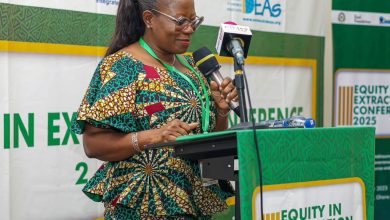
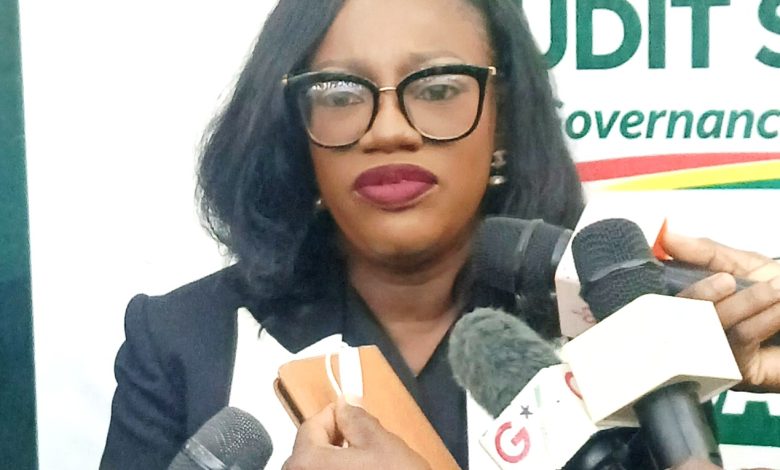
Dr Graham was speaking to the media after the launch of the 2026 Financial Year Audit by the Ghana Audit Service at the Ghana College of Physicians and Surgeons in Accra on Tuesday.
The launch was held on the theme: “Strengthening Accountability Oversight in Public Institutions: Building Trust Through Collaboration and Action.”
She said effective collaboration between the Audit Service and the leadership of public institutions was essential to ensuring that audits were completed on schedule and reports reflected accurate information.
“I believe that there is a lot of collaboration that needs to be done with all our ecosystem, our stakeholders and the institutions,” she said.
Dr Graham urged institutions to prepare adequately for audits and engage the Audit Service early, particularly at the leadership level, to establish the right tone for the exercise.
She also urged institutions to respond promptly when audit findings emerged by providing explanations, documents and supporting evidence early enough to enable the auditors to complete their work and submit their reports on time.
Technology and vigilance
Responding to concerns about the continued increase in infractions and irregularities despite annual audits, Dr Graham said the Audit Service would adopt a more vigilant and technology-driven approach.
“I believe it’s going to be more vigilance. There’s going to be more vigilance. We are also employing some technology-led tools to do our work, and it’s going to be evidence-based,” she stated.
She explained that because audits involved human institutions and individuals, mistakes and deliberate manipulation of figures or information could occur.
She therefore stressed the need for auditors to remain independent and apply professional judgement in carrying out their duties.
“We have to exercise professional judgment in all that we are doing and not be compromised from the work we do,” she said.
Dr Graham added that she was impressing upon her teams the need to remain vigilant and uphold professional standards throughout the audit process.
Audit reports
On concerns about some individuals challenging audit reports, the Auditor-General said the Audit Service was not opposed to scrutiny because it was itself a public institution accountable to the people of Ghana.
She cited the Audit Service Act, 2000 (Act 584), particularly Section 10(2), and said the Service welcomed scrutiny as long as accurate information was presented.
She also urged the media to ensure that information relating to audit reports was accurately presented to the public.
“It just has to be the right information thrown out there,” she said, stressing the importance of providing accurate information in public discussions about audit findings.
COVID-19 audit figures
Dr Graham also addressed recent discussions surrounding figures contained in the Audit Service’s COVID-19 audit, particularly figures discussed in a report by journalist Manasseh Azure Awuni.
She explained that audit findings were based on specific terms of engagement, periods under review and accounting standards applied.
According to her, differences in figures presented by different parties did not necessarily mean that one of the figures was erroneous, as different accounting bases could produce different results.
She cited the International Public Sector Accounting Standards (IPSAS), explaining that the cash and accrual bases could produce different results from the same set of financial activities.
“If you use the cash basis of IPSAS to do your work, you will come up with a response or a different result. If you use the accrual basis of IPSAS, you will come out with a different set of numbers,” she explained.
Dr Graham said the Audit Service’s COVID-19 audit had established that about $21 billion was mobilised, while $11.7 billion was released, with about $495 million remaining at the time the audit was conducted in November 2022.
She said the balance could subsequently have been spent if the review was conducted at a later date, particularly because the audit was based on the cash basis of reporting.
“What had been spent at the time we audited was what we reported, and there is nothing wrong with the figure that we put out there,” she said.
She further explained that the Audit Service’s COVID-19 expenditure review covered more than fumigation expenditure.
According to her, the audit also considered other COVID-19-related expenditure, including disinfectants, and therefore figures relating specifically to fumigation should not be presented as representing the entire COVID-19 expenditure examined by the Audit Service.
Dr Graham invited Mr Awuni to engage with the Audit Service to reconcile the figures and methodologies used in the respective analyses.
She said such an engagement would help establish the source of the different figures, the periods covered and the methodology applied.
“Our doors are open. He can walk in any time and come and have a discussion,” she said.
Collective responsibility
On whether Ghana could win the fight against financial irregularities, Dr Graham said the responsibility extended beyond the Audit Service.
She said the Audit Service audited about 7,000 institutions annually, placing considerable demands on its personnel.
“Our people are stretched. We need everybody to come on board,” she said.
Dr Graham also called for a change in mindset among those responsible for irregularities, saying such a change would be critical to reducing infractions significantly.
She stressed that fighting irregularities required the collective commitment of auditors, public institutions, officials and other stakeholders within the accountability ecosystem.