

Story by Eugene Nyarko Jnr. I Alisa Hotel, Accra l Wednesday, August 19, 2026
The Executive Director of Vision for Accelerated Sustainable Development Ghana (VAST Ghana), Mr Labram Musah Massawudu, has called for stronger monitoring and accountability in the implementation of Ghana’s non-communicable disease (NCD) financing interventions.
He said the Ghana Medical Trust Fund, popularly known as MahamaCares, and the Free Primary Health Care policy represented important steps towards reducing the financial burden associated with chronic diseases but needed effective monitoring to achieve their intended objectives.
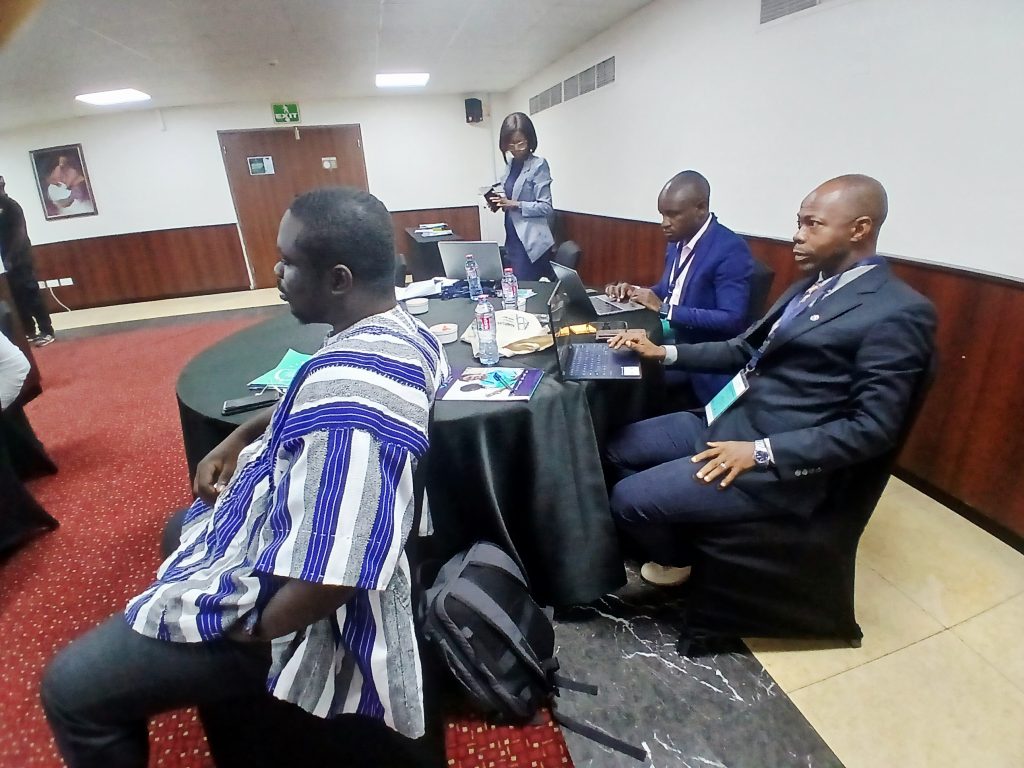
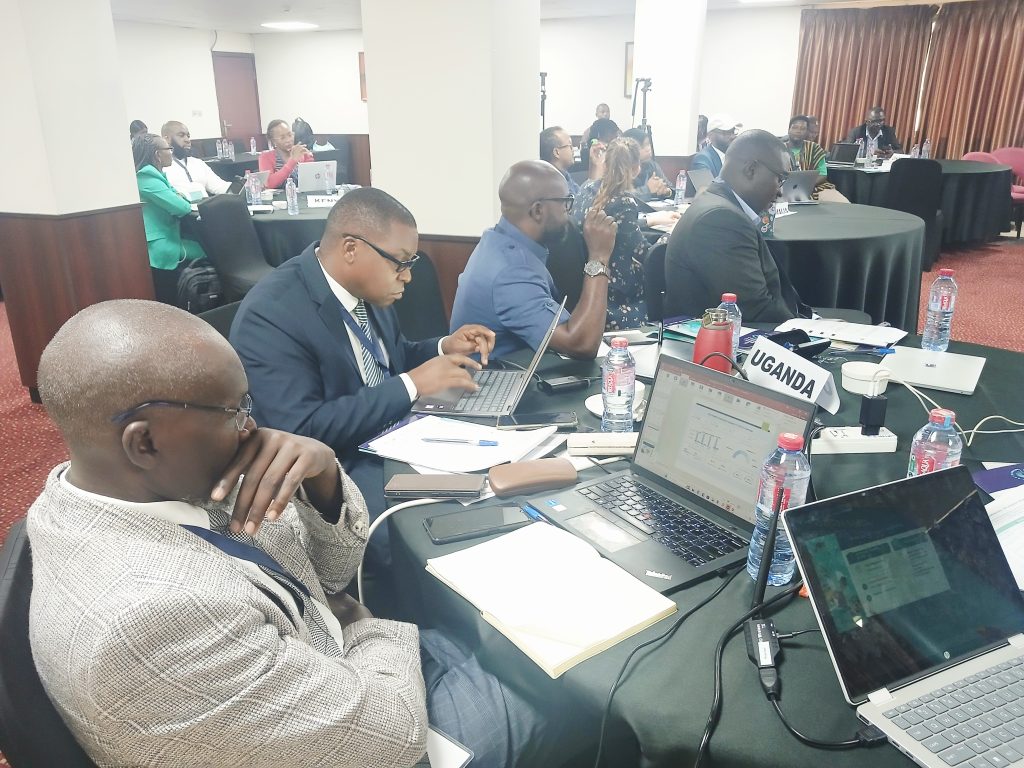
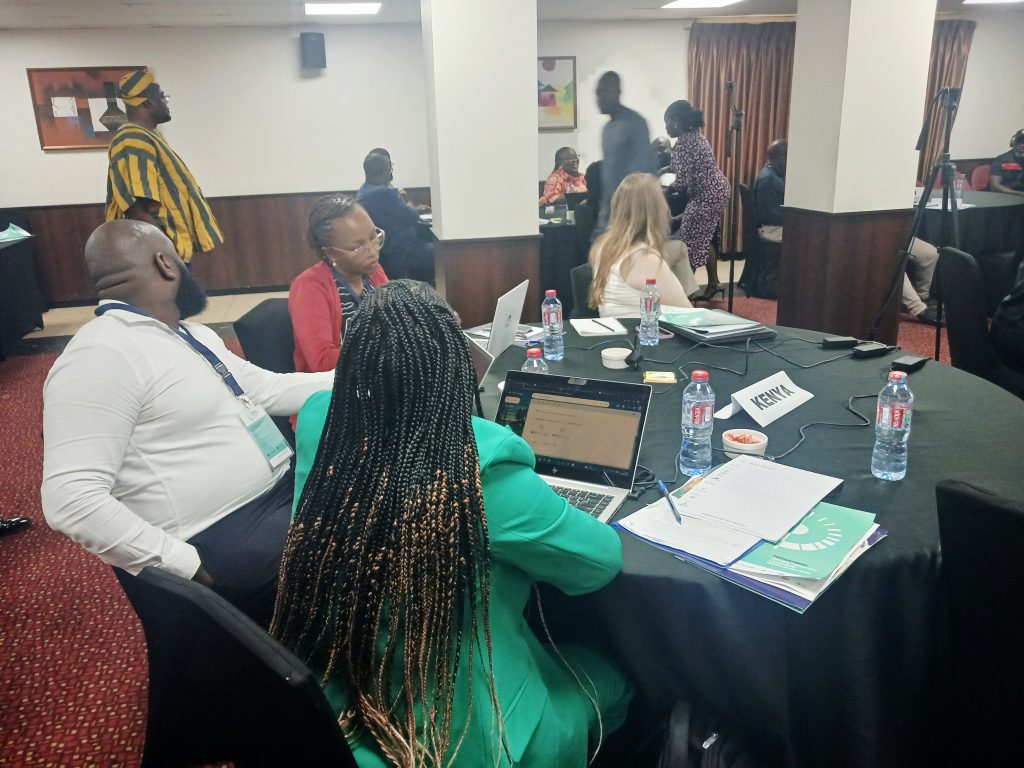
Mr Massawudu made the call at the Sub-Saharan Africa Cross-Country Learning Workshop, dubbed the Financing Accelerator Network for NCDs (FAN), at the Alisa Hotel in Accra.
The two-day workshop, from August 19 to 20, 2026, is on the theme: “Accelerating Integration of NCD Services, Essential Medicines, and Diagnostics within UHC Reforms.”
Mr Massawudu said civil society organisations had for years advocated greater government attention to NCDs, particularly preventive healthcare and early diagnosis.
He welcomed the introduction of the Ghana Medical Trust Fund, saying it could provide financial relief for patients unable to afford the high cost of treating chronic NCDs.
He also welcomed the Free PHC policy, saying it could help address the long-standing gap in preventive healthcare, awareness creation and early detection.
According to him, the policy should not focus solely on diagnosing diseases but should also deliberately invest in educating citizens about NCD risk factors.
He identified tobacco use, alcohol consumption, sugar-sweetened beverages, unhealthy diets and physical inactivity as issues requiring greater public education.
Mr Massawudu said improved awareness could encourage people to adopt healthier lifestyles and seek medical attention before their conditions became severe.
He said civil society was monitoring the government’s allocation of resources to the Ghana Medical Trust Fund and Free PHC to ensure the funds were used for their intended purposes.
He said greater clarity was also needed regarding Ghana’s health expenditure data, particularly figures relating to government expenditure on NCDs.

Mr Massawudu said outdated data made it difficult for stakeholders to accurately assess the country’s current health financing situation.
He therefore called on the Ministry of Health, relevant data agencies and the National Health Insurance Authority to strengthen data collection and ensure that current health expenditure information was released promptly.
He questioned existing data suggesting that government expenditure accounted for a significant proportion of NCD financing while out-of-pocket expenditure accounted for a smaller share.
According to him, there was a need to understand exactly what was included in the government expenditure figures and how the introduction of the Ghana Medical Trust Fund would affect the figures in subsequent years.
Mr Massawudu said Ghana had the potential to serve as a model for other countries in NCD financing but cautioned that policy commitments must translate into effective implementation.
He said it was too early to determine the full impact of the recently introduced interventions because they were still at an early stage.
He indicated that civil society organisations, together with the media, would intensify scrutiny of the policies towards the end of 2026.
He said stakeholders would seek information on the number of people benefiting from the Ghana Medical Trust Fund, the number of people screened under the Free PHC programme and the overall impact of the interventions.
Mr Massawudu said such evidence would enable civil society and other stakeholders to identify gaps and make recommendations for improving the implementation of Ghana’s NCD financing reforms.
He stressed that reliable and up-to-date data would remain critical to determining whether the country’s investments in NCDs and primary healthcare were delivering meaningful results.