

Story by Eugene Nyarko Jnr. l Sunlodge Hotel, Accra l Friday, September 25, 2026 —
Vision for Accelerated Sustainable Development Ghana (VAST Ghana) has called for the speedy finalisation and institutionalisation of a Code of Conduct to guide public officials in their interactions with the tobacco industry and protect Ghana’s tobacco-control policies from commercial and other vested interests.
The Executive Director of VAST Ghana, Labram Musah Massawudu, said the proposed Code was necessary to translate Ghana’s existing tobacco-control laws and its obligations under the World Health Organisation Framework Convention on Tobacco Control (WHO FCTC) into practical institutional safeguards.
He was speaking at a strategic stakeholder engagement on the development and institutionalisation of a Code of Conduct for public officials in Ghana, held at the Sunlodge Hotel in Tesano, Accra, on Friday.

Article 5.3 of the WHO FCTC requires parties to protect public health policies on tobacco control from commercial and other vested interests of the tobacco industry. Its implementation guidelines also call for measures to limit interactions between public officials and the tobacco industry, ensure transparency and avoid conflicts of interest.
Mr Musah said although Ghana had already established a legal foundation for tobacco control through the Public Health Act, 2012 (Act 851), and the Tobacco Control Regulations, 2016 (L.I. 2247), there was a need for clear institutional guidance on how public officials should conduct themselves.
He said the proposed Code should spell out when interaction with the tobacco industry could be considered necessary, how such interactions should be conducted, what information should be disclosed and how conflicts of interest should be managed.
It should also provide safeguards concerning partnerships, incentives, gifts, contributions and other forms of engagement with the industry, he added.
The WHO FCTC’s Ghana needs assessment notes that L.I. 2247 limits interactions between public authorities and officers with tobacco-control responsibilities and the tobacco industry to those strictly necessary for effective tobacco control and enforcement. It also provides for a code of conduct for relevant public officers and others involved in tobacco-control policy.
Enforcement
The Acting Director of the Tobacco and Substance Abuse Directorate of the Food and Drugs Authority (FDA), Dr Martin Kusi, said the Code was intended, among other things, to identify public officials who compromised their positions through dealings with tobacco industry players.
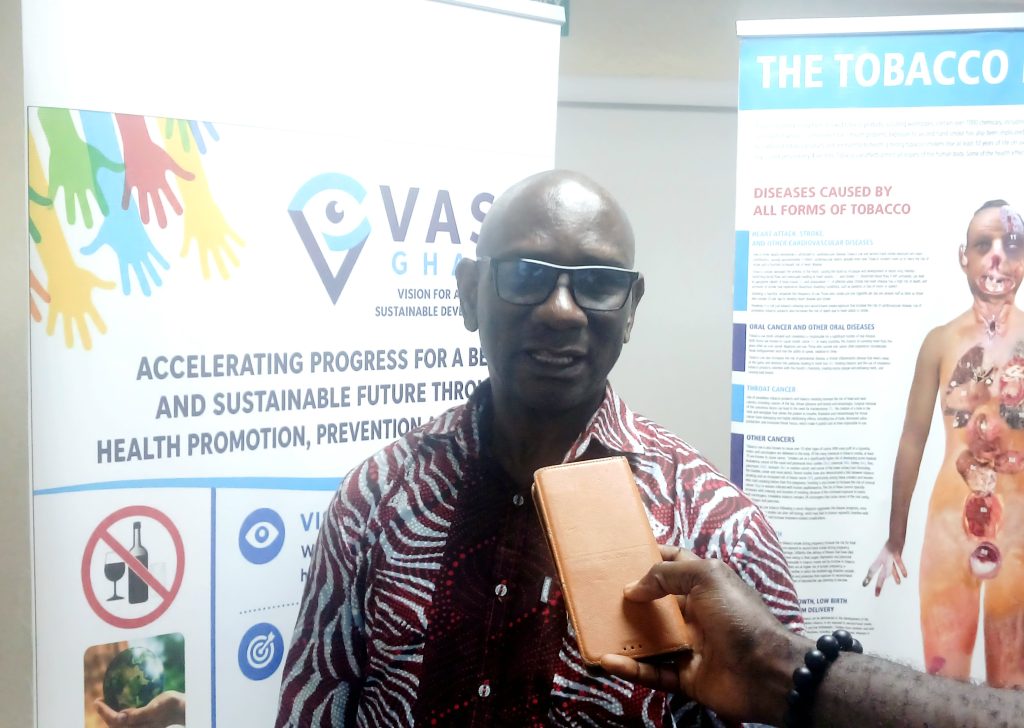
He said Ghana’s smoking prevalence was about 4.6 per cent, which he described as one of the lowest in Africa, but expressed concern about possible industry influence on government officials and programmes.
Dr Kusi said the proposed Code would help bring greater transparency to sponsorships and other forms of support from the tobacco industry and enable the authorities to identify public officials who might benefit from such arrangements.
He also stressed the importance of protecting whistleblowers who provided information about possible tobacco industry interference.
“It is essential to protect the identity of the whistleblower,” he said, explaining that exposing informants could discourage others from providing information in the future.

Dr Kusi further identified enforcement as a critical issue, saying the effectiveness of the Code would ultimately depend on the ability of the relevant authorities to ensure compliance.
He said tobacco use remained a major risk factor for non-communicable diseases (NCDs), including cancer, stroke, hypertension and diabetes, with consequences for individuals, communities and the national economy.
He therefore urged public officials to guard against financial support, sponsorships and other forms of influence that could compromise the formulation and implementation of tobacco-control policies.
Taxation
For the Ghana Revenue Authority (GRA), Christian Nii Ayi Welbeck, a Revenue Officer at the Strategy and Research Department, said the Authority supported the proposed Code as part of broader efforts to reduce tobacco consumption and its associated health burden.
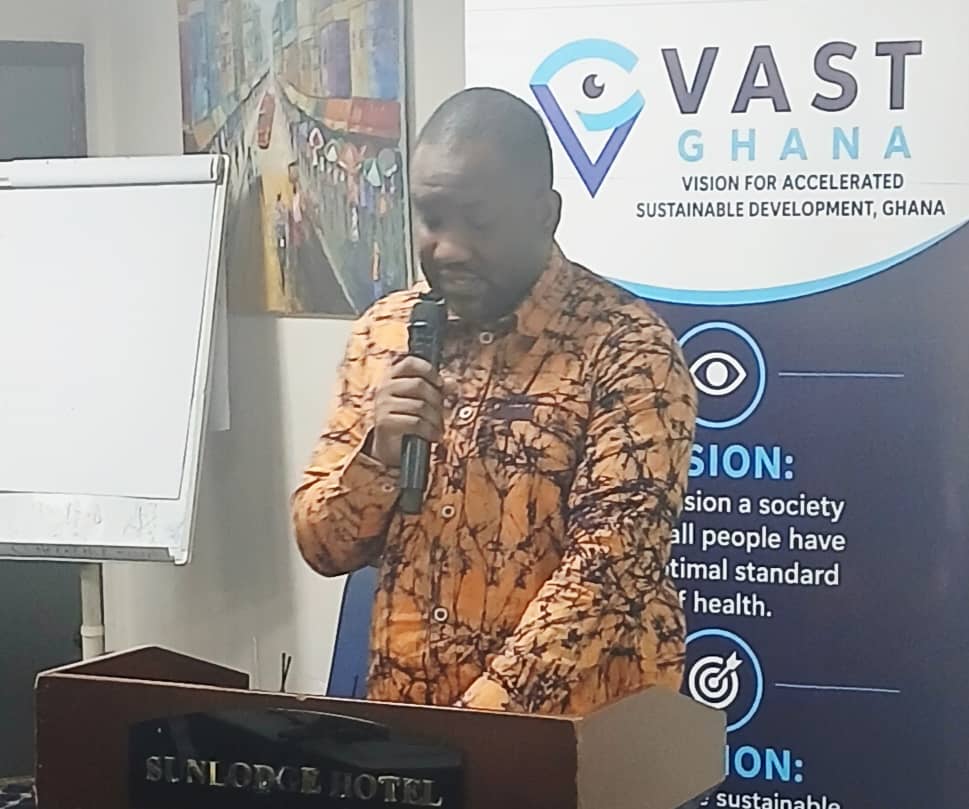
Presenting a statement on behalf of the Assistant Commissioner in charge of Strategy and Research, Mr Welbeck said tobacco taxation served multiple purposes, including raising revenue, discouraging excessive consumption and helping to reduce health risks.
He said Ghana’s recent excise tax reforms, including the Excise Duty Amendment No. 2 Act, 2023 (Act 1108) and the Excise Duty Act, 2026 (Act 1180), were intended, among other objectives, to align with ECOWAS protocols, increase excise rates on selected products, raise health-tax revenue and reduce consumption of harmful products.
According to him, GRA collected GH¢713.1 million from tobacco taxes in 2025, comprising specific and ad valorem taxes.
He said the Authority believed that making tobacco products more expensive through taxation could help discourage consumption and contribute to reducing tobacco-related NCDs.
Implementation support
Mr Musah said VAST Ghana would continue working with the Ministry of Health, the FDA, civil society organisations, development partners, academia and other stakeholders to ensure that the Code, once adopted, was effectively implemented.

He said VAST Ghana would consolidate the recommendations and observations from the stakeholder engagement and submit them to the FDA and the Ministry of Health for consideration in the ongoing drafting process.
He said the Ministry of Health would also subject the document to its internal processes, including legal review, to ensure that it was consistent with existing laws.
Mr Musah said VAST Ghana and its civil society partners would support capacity-building for public officials to understand the Code, while also strengthening the capacity of civil society organisations to monitor and report possible violations to the relevant regulatory authorities.
He added that the media would also be engaged and equipped to support public awareness and implementation of the Code.
“When laws or regulations or guidelines are passed and there is no effective rollout or awareness creation, then it becomes like a white elephant,” he said.
Mr Musah said once the Code was adopted, VAST Ghana would support a broader dissemination and launch to ensure that public officials, Ghanaians and the international community were aware of Ghana’s safeguards against tobacco industry interference.

He said the ultimate objective was to strengthen the integrity of public health policymaking and ensure that Ghana’s tobacco-control policies were protected from commercial and other vested interests.
The Public Health Act already contains provisions regulating tobacco promotion, packaging, labelling and health warnings, providing part of the statutory foundation for tobacco control in Ghana.