

Story by Eugene Nyarko Jnr. I ACU, Accra l Friday, August 14, 2026
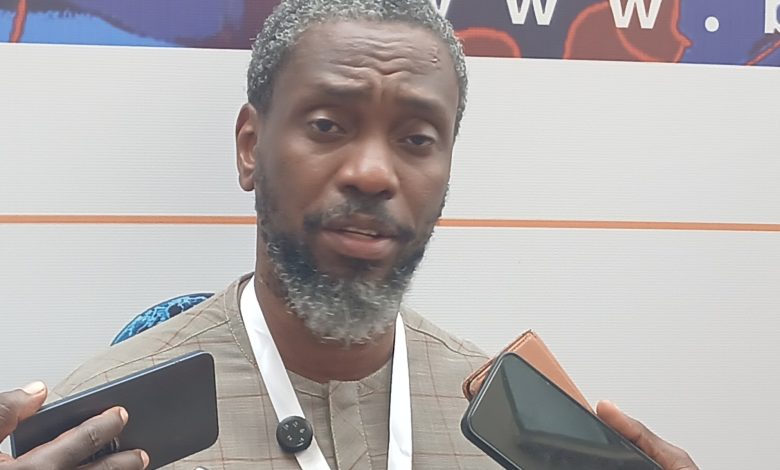
Africa must move beyond merely adopting artificial intelligence (AI) technologies to owning the tools and systems that power them, Founder of the Beyond AI Movement and Managing Director of Aether Strategy, Mr. Kambale Musavuli, has said.
He said African countries risk remaining consumers of foreign-developed AI technologies while valuable African data and mineral resources continue to be extracted and used elsewhere if the continent failed to develop and own its AI ecosystem.
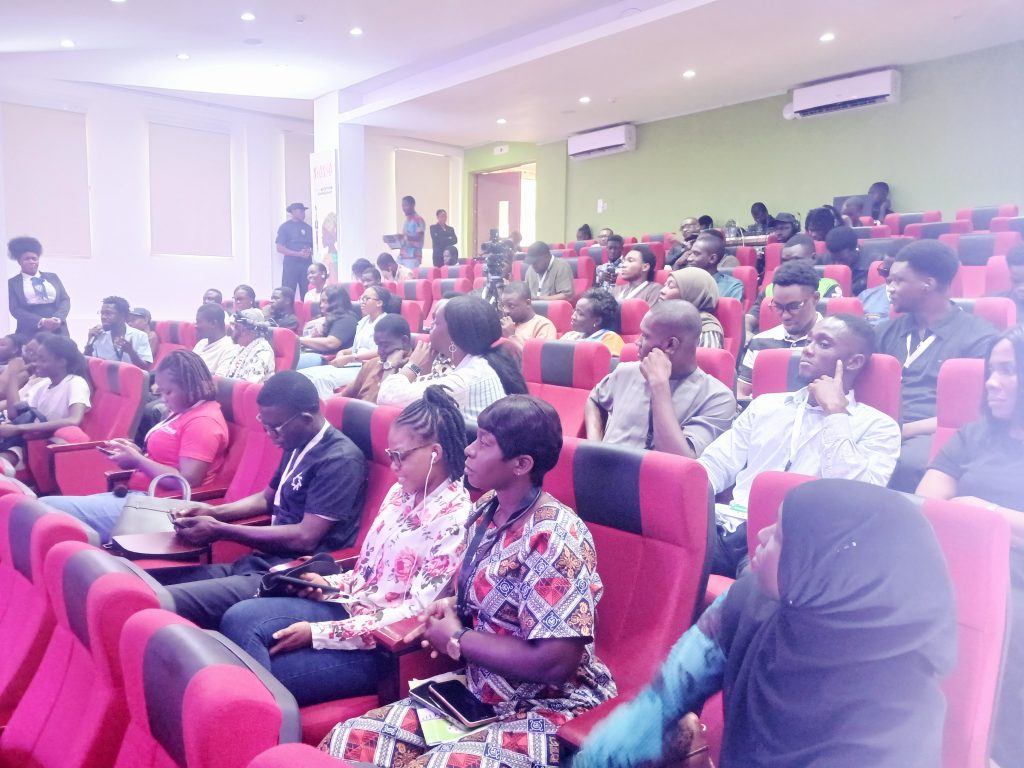
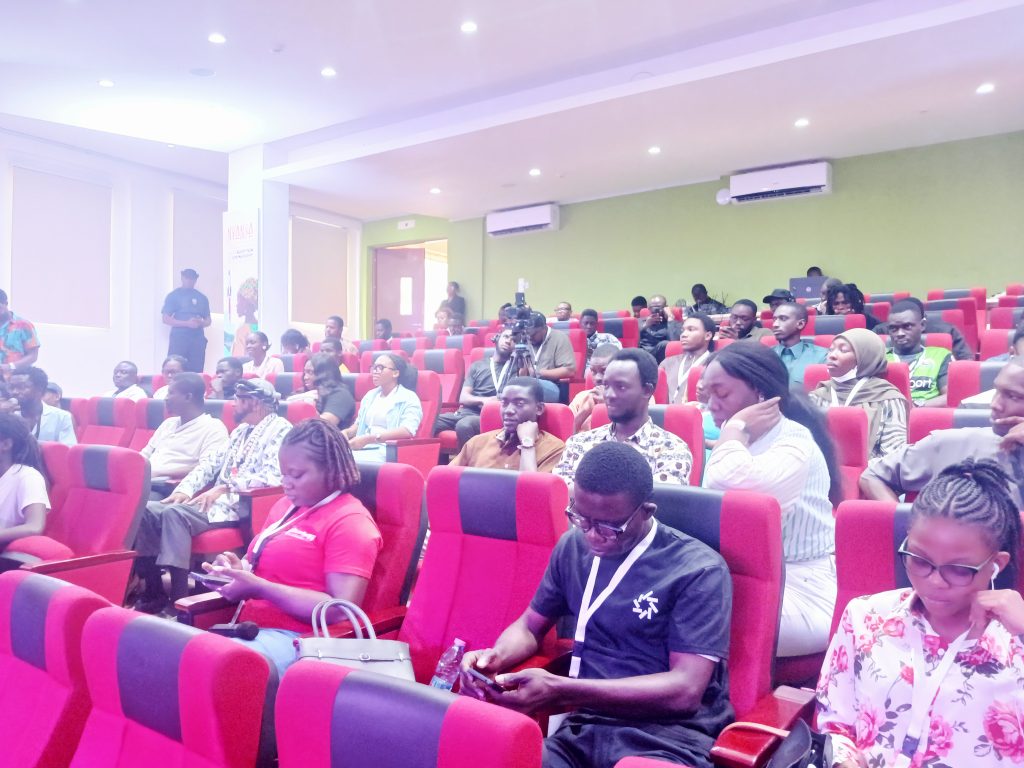
Mr. Musavuli was speaking in a media interview during the two-day Beyond AI Workshop, dubbed “Nyansa Futures 2026”, being held from August 14 to 15, 2026, at the Academic City University College, Haatso, Accra.
The workshop is on the theme: “From Adoption to Ownership, Shaping Africa’s AI Future.”
He said the choice of the word “Nyansa”, which he noted means wisdom, reflected the belief that Africans possessed the wisdom required to shape the future of AI rather than simply consume technologies developed elsewhere.
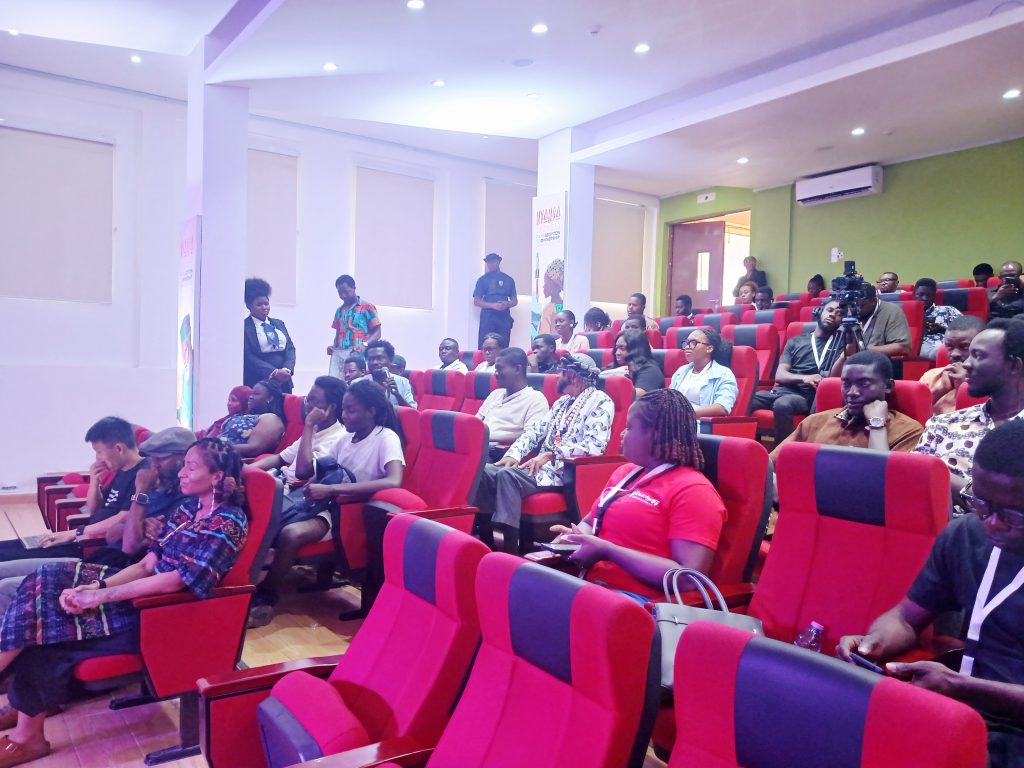
According to him, the annual conference was the culmination of a year-long engagement in which the Beyond AI Movement had organised monthly events to gather knowledge and perspectives from communities on AI, its applications and implications.
“We as African people have the wisdom to shape the world, but sometimes we forget,” he said.
Mr. Musavuli said the conference was expected to bring together the knowledge gathered from the community and develop a manifesto or declaration outlining how participants believed AI should be implemented in African societies.
He said issues such as data governance, the choice of AI models, electricity requirements and ownership of technological infrastructure needed to form part of the conversation on Africa’s AI future.
He stressed that AI was already part of everyday life and that African societies could no longer avoid it.
“Adopting it is not enough,” he said, explaining that most of the AI tools being used by Africans were developed outside the continent and reflected the ideologies and perspectives of their creators.
“Technology is never neutral,” he said, adding that those who developed technologies inevitably embedded their own ways of thinking and using them.
Mr. Musavuli said African countries therefore needed to ask when they would begin owning the tools they used for AI.
He warned that without ownership, Africa would continue to consume foreign AI technologies while large amounts of African data were extracted from the continent and potentially used for purposes that users might not fully understand.
Mineral resources
He said Africa’s role in the AI supply chain began even before the development of AI software, pointing to the continent’s mineral resources needed to build data centres and other technological infrastructure.
He cited cobalt, lithium and copper as some of the minerals required for data centres, batteries and energy systems supporting AI infrastructure.
“AI as a technology cannot exist without Africa’s mineral resources,” he said, questioning whether African countries were deriving sufficient benefits from the extraction of those resources.
He said African countries also needed to examine who owned the data centres hosting their data and under whose laws information entered into AI platforms was governed.
Mr. Musavuli said users of platforms such as Gemini and ChatGPT needed to consider whether data entered into those systems remained subject to Ghanaian laws or was transferred outside the country and subjected to foreign jurisdictions.
He expressed concern that sensitive information, including health data, could find its way into foreign AI systems even when governments had taken steps to protect citizens’ data from external access.
He said Ghana’s decision to reject a proposed arrangement involving the transfer of citizens’ health data to the United States demonstrated the importance of data sovereignty.
However, he questioned whether sufficient attention was being paid to individuals who might independently enter sensitive patient information into foreign AI platforms.
He said developing local AI tools would provide African countries with greater capacity to understand and regulate how data was collected, processed and used.
Energy challenge
Mr. Musavuli also raised concerns about the energy demands of AI infrastructure, particularly in Ghana.
He said the country’s persistent electricity challenges presented an important question about whether Ghana should prioritise additional power generation for AI data centres while some communities continued to experience power interruptions.
“We’re still dealing with ‘Dumsor’ in Ghana. Now AI is using so much power,” he said.
He said such questions needed to be openly debated as part of efforts to determine the most appropriate path for Ghana’s AI development.
Mr. Musavuli said the Beyond AI Movement sought to provide a platform for those difficult conversations and bring together diverse perspectives to develop a collective approach to AI adoption and ownership.
Growing public interest
He said the level of participation in Beyond AI activities had demonstrated growing public interest in understanding AI and its implications.
“It’s been a very humbling experience to see the community show up,” he said, adding that the turnout indicated that people were seeking information and access to knowledge that was not readily available to them.
He said many people were concerned about whether AI would take away jobs or contribute to the spread of fake videos and misinformation.
However, he said greater access to information helped people move beyond fear and begin asking more serious questions about the technology.
Mr. Musavuli said policymakers and lawmakers should view the Beyond AI platform as complementary to Ghana’s National AI Strategy, particularly its emphasis on AI literacy and education.
He said while government had a role to play, it might not be able to reach all 35 million Ghanaians, making community-based initiatives important in promoting AI literacy.
AI skills
The workshop also featured masterclasses in prompt engineering and “vibe coding”, led by professors from Academic City University.
Mr. Musavuli said the masterclasses were designed to equip participants with practical AI skills while creating opportunities for networking.
He said AI agents could significantly improve productivity in professions such as journalism by assisting with research and producing reports within a short period.
He said subsequent sessions would focus on cybersecurity and AI, while discussions on the second day would challenge participants to reflect on the one-year work of the Beyond AI community and the future direction of AI in Ghana.