
Story by Eugene Nyarko Jnr. I Alisa Hotel, Accra l Wednesday, August 19, 2026
Ghana is using its Free Primary Health Care (PHC) policy and the Ghana Medical Trust Fund, popularly known as MahamaCares, to tackle the growing burden of non-communicable diseases (NCDs), the Ministry of Health has said.
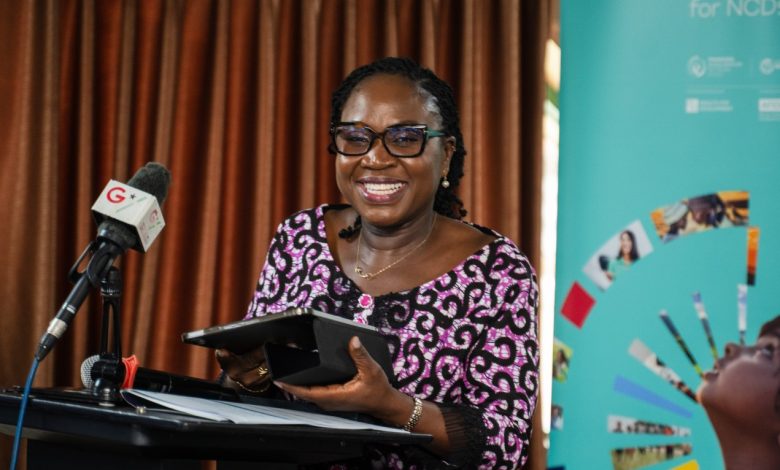
The Director of Policy, Planning, Monitoring and Evaluation (PPME) at the Ministry of Health, Dr. Belinda Nimako, said NCDs currently account for roughly four in every 10 deaths in Ghana, with hypertension and diabetes among the leading contributors.
She said the rising prevalence of NCDs was placing increasing pressure on health facilities, medicine supply chains and the National Health Insurance Scheme (NHIS), making innovative approaches to financing and service delivery increasingly important.
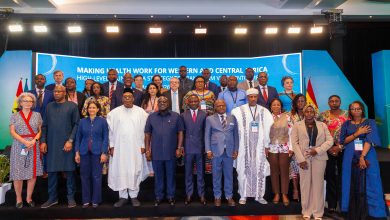
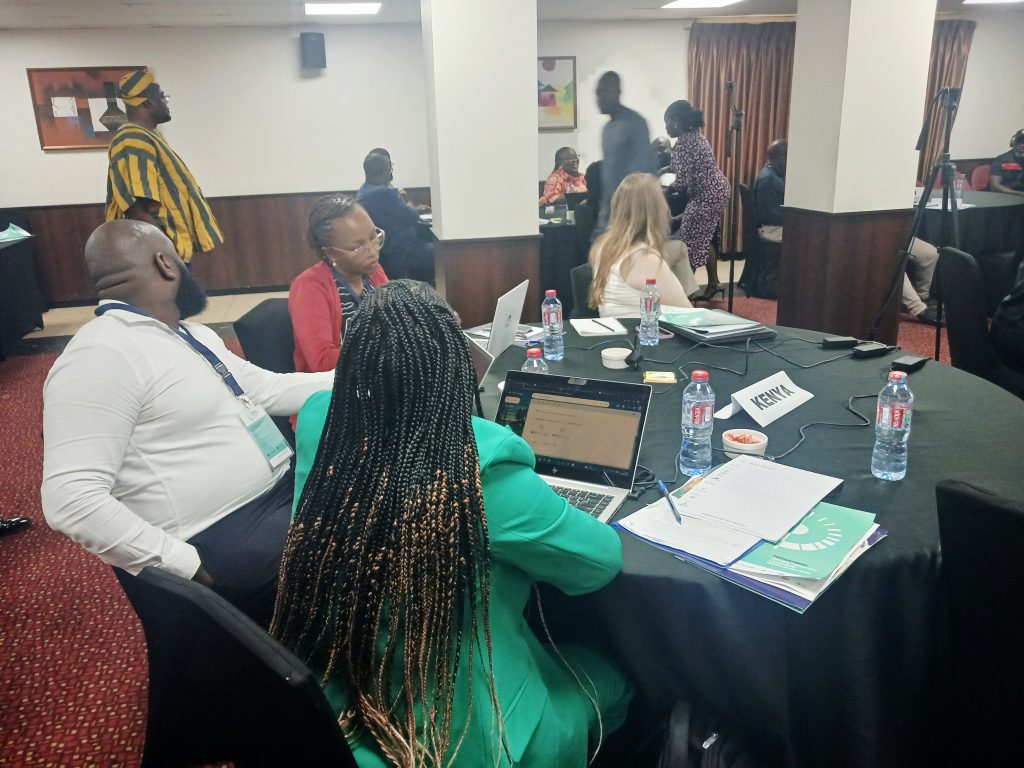
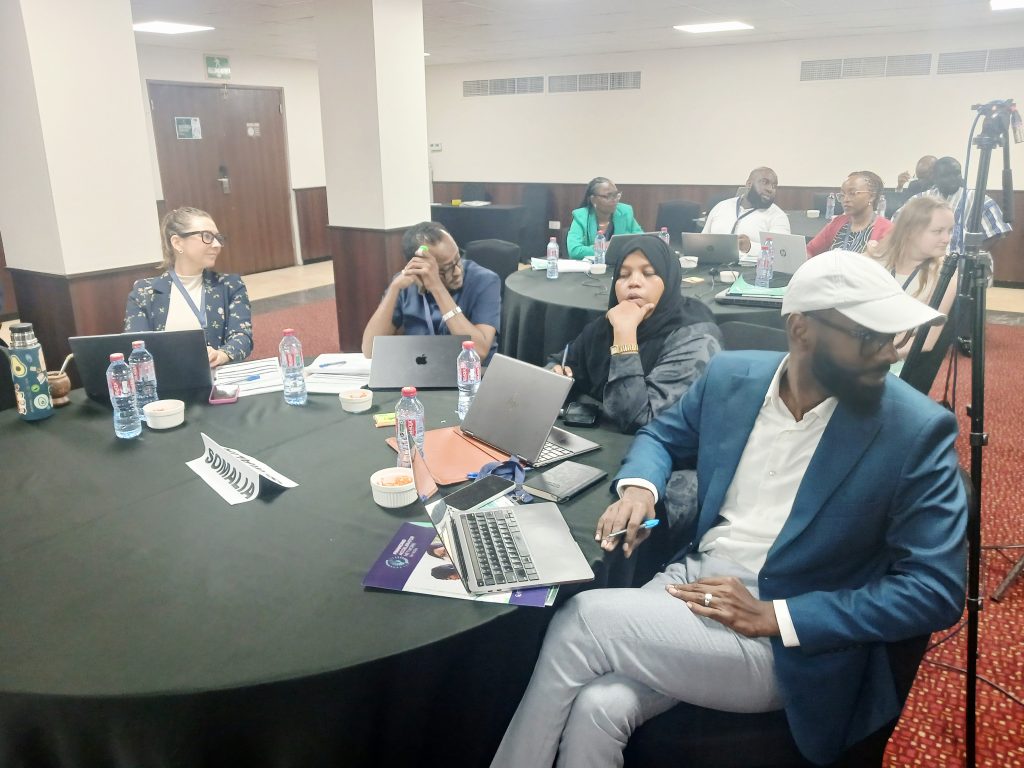
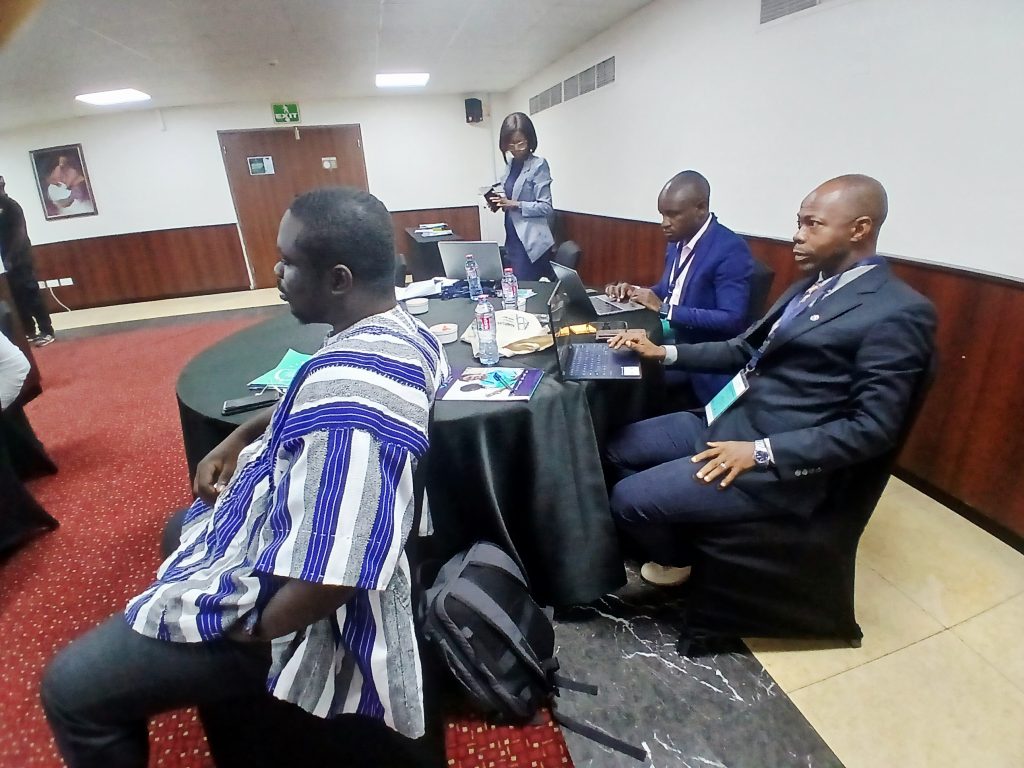
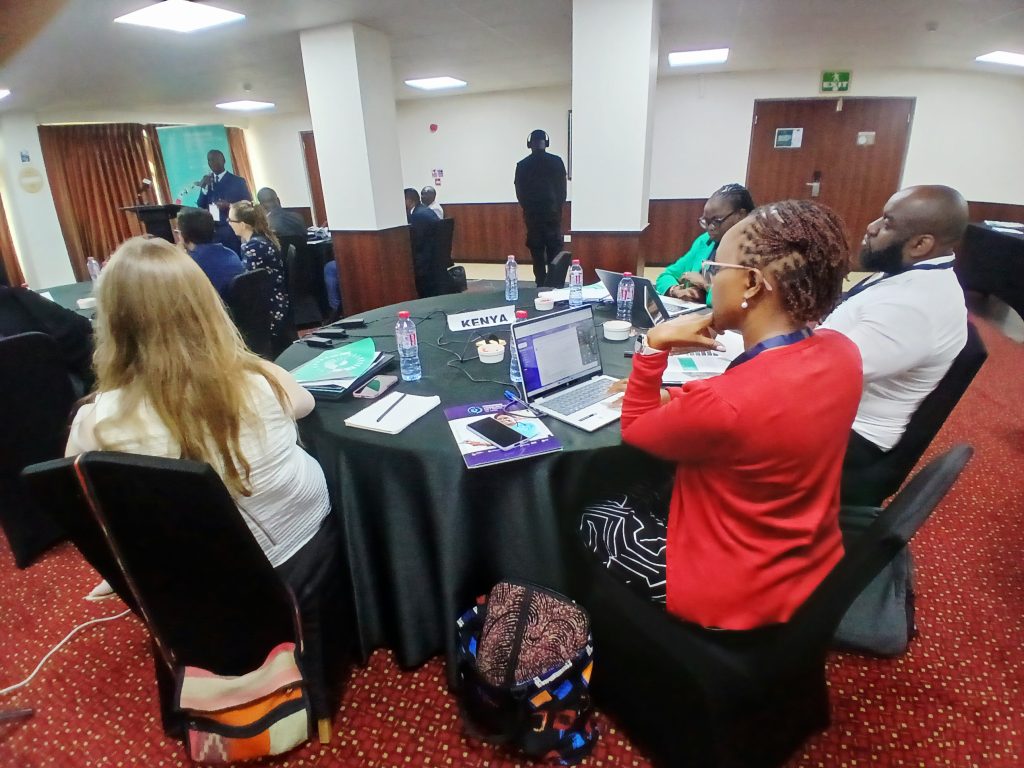
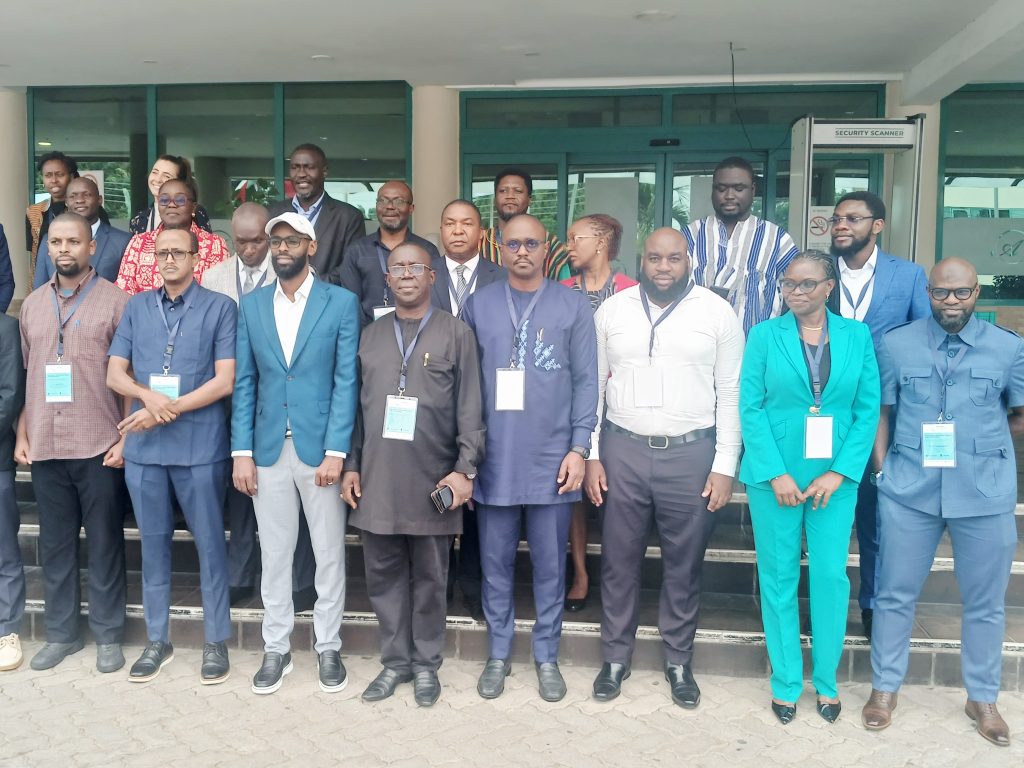
Dr. Nimako made the disclosure in her welcome remarks at the Sub-Saharan Africa Cross-Country Learning Workshop, dubbed the Financing Accelerator Network for NCDs (FAN), today at the Alisa Hotel, Accra.
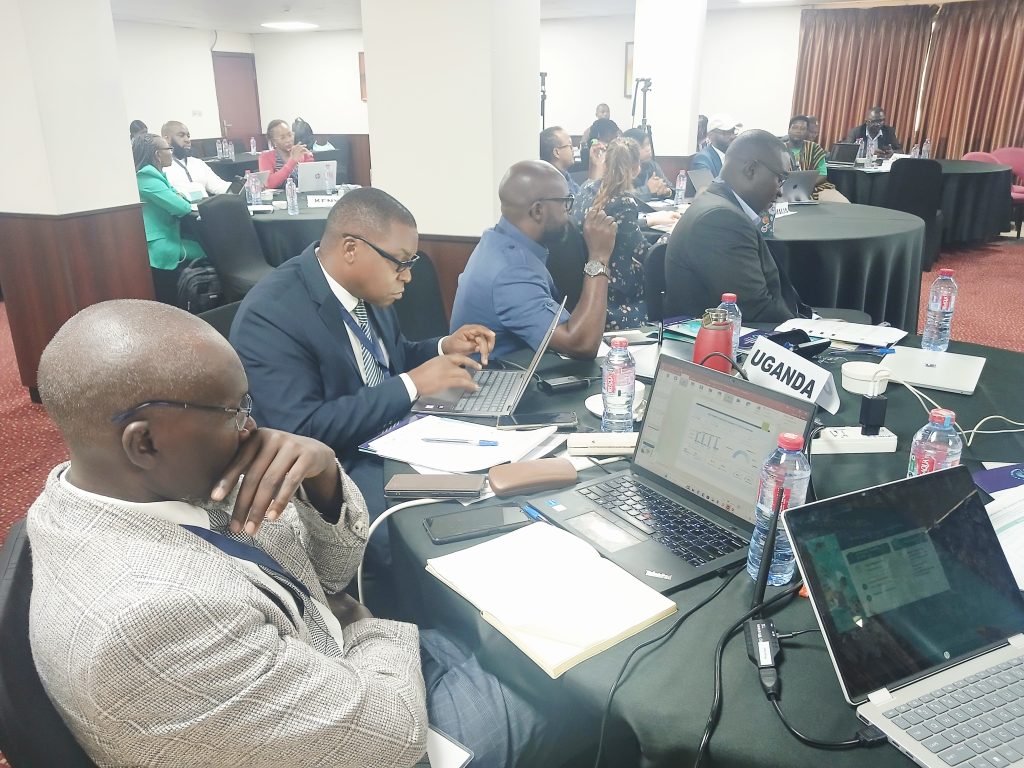
The two-day workshop, which runs from August 19 to 20, 2026, is being held under the theme: “Accelerating Integration of NCD Services, Essential Medicines, and Diagnostics within UHC Reforms.”
The workshop brings together representatives from Ministries of Health, Ministries of Finance and National Health Insurance Agencies from several African countries, including Ghana, Uganda, Kenya, Somalia, Rwanda, Cameroon and Ethiopia, as well as regional and international partners.
Dr. Nimako said Ghana was responding to the NCD challenge on two complementary fronts.
She explained that the Free PHC policy was designed to remove financial barriers at the first point of contact with the health system, making screening, early diagnosis and routine management of conditions such as hypertension and diabetes accessible at the primary healthcare level.
“For the more advanced end of NCD care, we have established the Ghana Medical Trust Fund, popularly known as MahamaCares, to finance treatment for conditions such as cancers, chronic kidney failure, stroke and cardiovascular disease that fall outside our National Health Insurance Scheme,” she said.
According to her, the two interventions were intended to close the healthcare coverage gap from both ends by promoting early detection and management of NCDs while protecting families from catastrophic expenditure when specialist treatment became necessary.
She acknowledged, however, that Ghana was still learning and refining the implementation of the initiatives.
Dr. Nimako said that made platforms such as FAN important to Ghana because they connected the country’s reform efforts to a wider community of countries facing similar challenges and developing practical solutions.
She said the Financing Accelerator Network for NCDs had been established to address the imbalance between the growing global burden of NCDs and the relatively small share of development financing devoted to them.
“FAN exists so that no country has to solve the NCD financing puzzle alone,” she said.
She explained that FAN brought together governments, technical partners and local stakeholders around three key areas: regional technical expertise and on-demand support, structured cross-country learning, and catalytic seed funding to help promising country initiatives take root.
Dr. Nimako said Ghana was honoured to host the workshop as a member of the FAN network, noting that the country’s experience had contributed to FAN’s landscape analysis of NCD financing across the region.
She said the workshop offered participating countries an opportunity to openly examine their respective reform journeys, share successes and challenges and develop practical actions to be implemented back home.
“This is not a gathering for polished speeches alone; it is a working session for practical solutions,” she said.
The Director also encouraged participants to make full use of a planned facility site visit, which she described as one of the most valuable components of the workshop.
She said the visit would provide delegates with the opportunity to engage directly with frontline health workers, pharmacists and NHIS claims officers responsible for implementing Ghana’s health policies.
“It is one thing to hear about Free PHC and MahamaCares from a podium; it is quite another to sit with the frontline health workers, pharmacists and NHIS claims officers who implement these policies daily,” she said.
Dr. Nimako urged participants to ask difficult questions and listen to the experiences of frontline workers to gain a practical understanding of both Ghana’s achievements and the challenges that remained.
She said Ghana was prepared to share both its successes and shortcomings with other participating countries as part of the cross-country learning process.
She encouraged the various delegations to engage candidly during the two-day workshop, identify bottlenecks and challenge one another constructively.
She expressed the hope that participants would return to their respective countries with concrete and actionable plans to strengthen NCD financing and integrate NCD services, essential medicines and diagnostics into universal health coverage reforms.
Dr. Nimako further welcomed the delegates to Ghana and urged them to take time, beyond the workshop, to experience Ghanaian food, music and hospitality.
“Akwaaba, and thank you,” she said.