
By Eugene Nyarko Jnr. | Mövenpick Hotel, Accra | May 4, 2026
Ghana has hosted the official launch of the World Bank’s Regional Health, Nutrition and Population (HNP) Strategy, with government officials and international partners calling for increased investment in healthcare as a driver of economic growth and sustainable development across West and Central Africa.
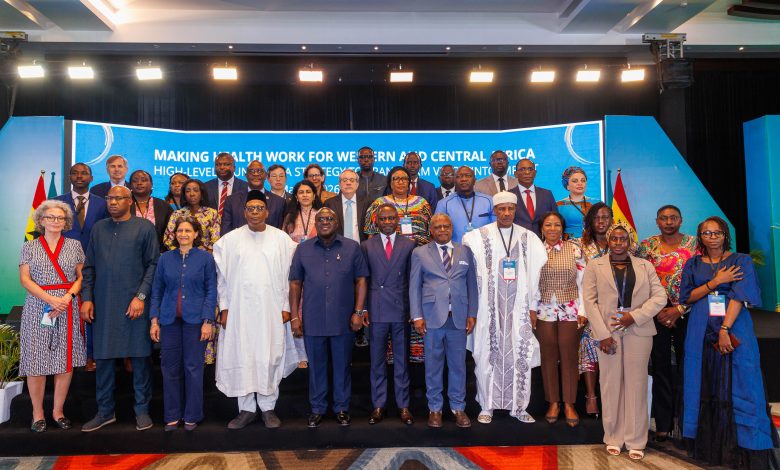
The high-level event, held at the Mövenpick Ambassador Hotel, brought together ministers of health and finance from across the region, development partners, private sector actors, and civil society representatives.
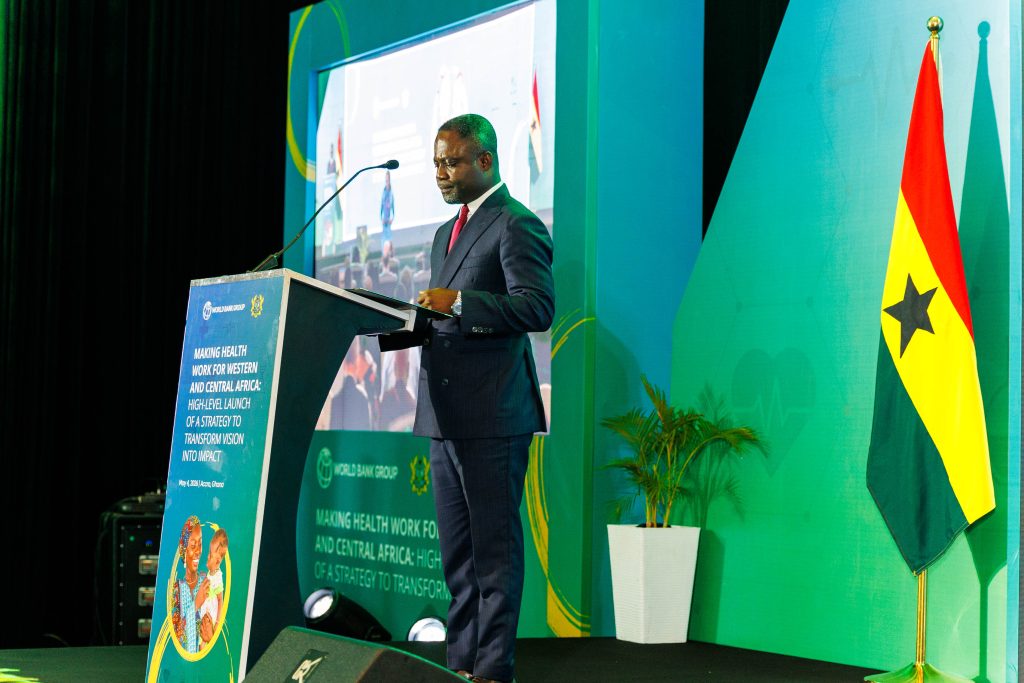
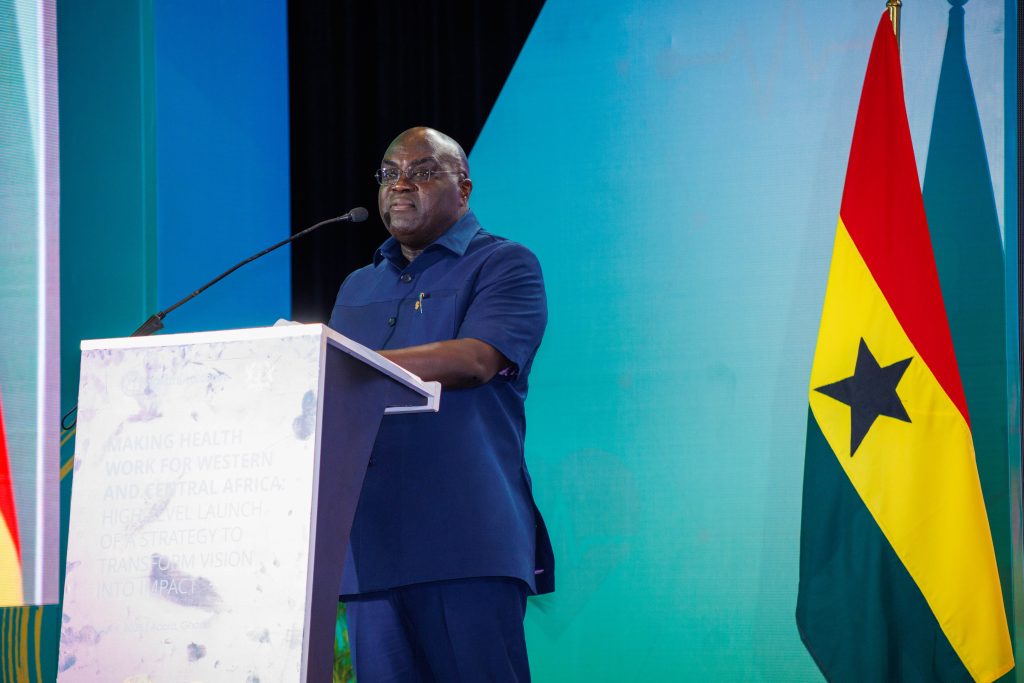
Addressing participants, the Minister for Health, Kwabena Mintah Akandoh, described the strategy as timely and essential in tackling the region’s complex and evolving health challenges.
He noted that Africa continues to grapple with communicable diseases, malnutrition, maternal and child health concerns, as well as a growing burden of non-communicable diseases, climate-related health risks, and mental health issues.
“Health remains the foundation of human capital, productivity and sustainable development. No country can build a strong economy on the back of a weak health system,” he stated.
Mr. Akandoh highlighted Ghana’s commitment to achieving Universal Health Coverage (UHC) through initiatives such as the Free Primary Healthcare programme and the Ghana Medical Trust Fund, also known as MahamaCares, aimed at supporting treatment for critical and high-cost conditions.
Delivering remarks on behalf of the Presidency, the Chief of Staff, Julius Debrah, emphasised that the future of African economies depends on investments in people rather than natural resources.
“The future of our economies will not be determined only by what we extract from the ground, but by what we invest in our people. Health is an economic strategy,” he said.
He commended the World Bank Group for its extensive support to the region, noting that its health portfolio spans over 20 countries with commitments of about US$4.4 billion, complemented by additional financing from global partners.
Mr. Debrah outlined Ghana’s ongoing reforms, including the uncapping of the National Health Insurance Levy, the rollout of the Free Primary Healthcare initiative, and the establishment of the Ghana Medical Trust Fund, as part of efforts to build a resilient and sustainable health system.
He also highlighted Ghana’s leadership in the “Accra Reset,” an initiative aimed at reshaping global health financing and ensuring greater national ownership of development priorities, announcing plans to launch a Country Compact with the World Bank to align domestic and external resources.
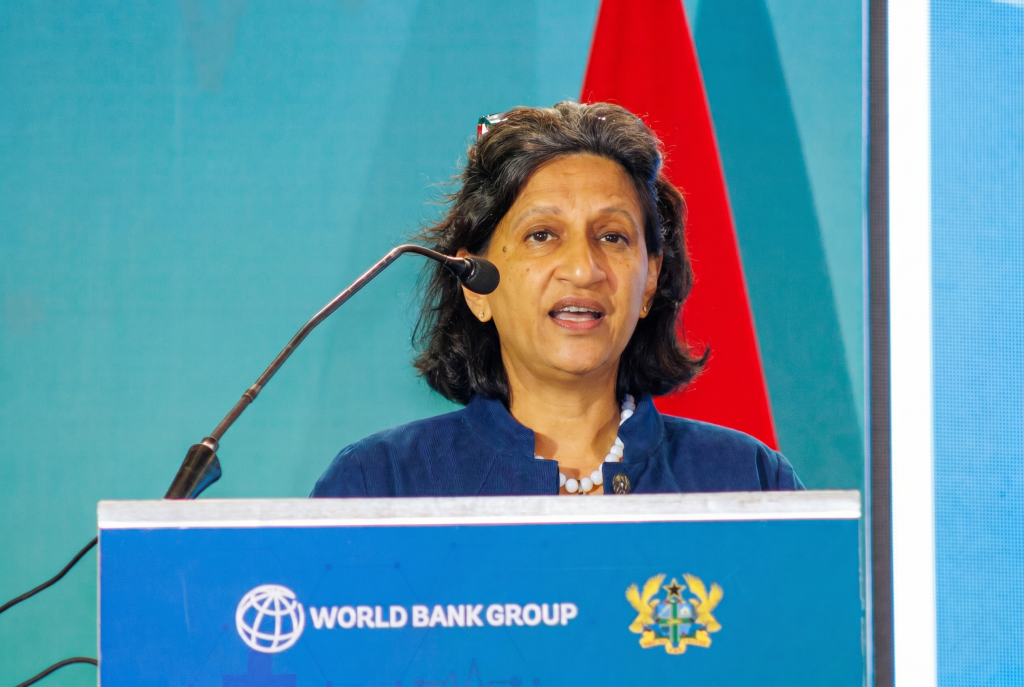
In her keynote address, the World Bank Vice President for Human Development, Mamta Murthi, revealed that the institution aims to provide quality and affordable healthcare to at least 200 million people in West and Central Africa by 2030, as part of a broader global target of 1.5 billion people.
She described the region as one of the youngest and fastest-growing globally, with over 200 million children expected to be born by 2050, stressing the need to invest in health systems to unlock long-term economic potential.
Ms. Murthi outlined key priorities of the strategy, including strengthening primary healthcare systems, improving financing mechanisms, and enhancing preparedness for health emergencies.
She disclosed that the region currently accounts for 33 per cent of global child deaths, 44 per cent of maternal deaths, and nearly 60 per cent of malaria-related deaths, underscoring the urgency of coordinated action.
“Investing in health delivers significant economic returns, and the cost of inaction far outweighs the cost of investment,” she said.
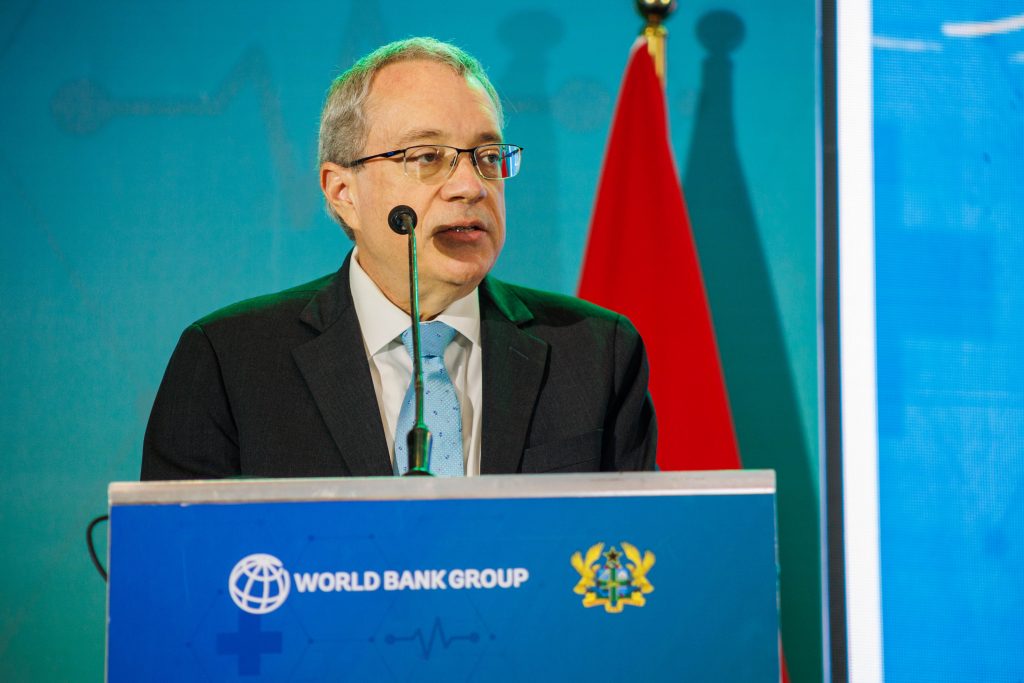
Earlier, the World Bank’s Divisional Director for West and Central Africa, Robert R. Taliercio, praised Ghana’s progress in healthcare, noting that the country has significantly reduced childhood stunting over the past two decades and established a health financing system that serves as a model for the region.
He commended President John Dramani Mahama for his leadership and support for the Accra Reset initiative, which promotes sovereignty and self-reliance in health financing.
Mr. Taliercio noted that Ghana’s longstanding partnership with the World Bank dates back to 1957 and continues to expand across multiple sectors, with a new Country Partnership Framework currently under preparation.
He emphasised that Ghana’s achievements demonstrate that sustained investments in primary healthcare, nutrition, and financing systems can yield tangible results.
Participants at the event collectively stressed the need for stronger regional collaboration, improved domestic financing, and effective implementation of policies to ensure the success of the strategy.
The World Bank Regional Health, Nutrition and Population Strategy, themed “Fit to Prosper,” is expected to guide efforts to build resilient health systems, improve nutrition outcomes, and enhance human capital development across West and Central Africa.
Officials expressed optimism that the initiative will lead to improved healthcare access, reduced poverty linked to medical costs, and stronger economies across the region.