
Story by Eugene Nyarko Jnr. l La Palm Beach, Accra l Wednesday, September 30, 2026 —
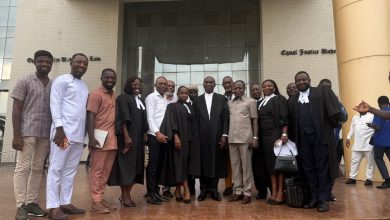
The Ghana Law Society (GLS), a new association of lawyers, has been launched with an overarching objective of improving access to justice and strengthening the legal profession.
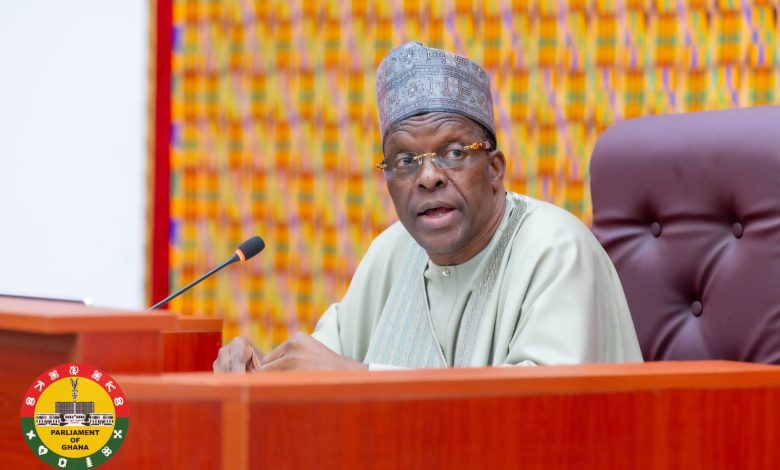
The Speaker of Parliament, Alban Sumana Kingsford Bagbin, launched the Society at its maiden Annual Bar Conference held at the La Palm Royal Beach Hotel in Accra.
The conference, held on the theme, “Legal Reforms — The Place of the Ghanaian Lawyer,” brought together members of the legal profession, the Judiciary, Parliament, government officials and other stakeholders.
Addressing the gathering, Mr Bagbin said the Ghanaian lawyer had never been limited to courtroom advocacy, noting that lawyers had historically contributed to constitutional development, human rights, commerce, public administration, diplomacy and parliamentary work.
He described lawyers as “architects of the Republic” and said they had a responsibility to examine not only what the law was but also what it ought to become.
Mr Bagbin said Ghana was engaged in constitutional and institutional reforms and that the legal profession had a responsibility to contribute meaningfully to the process.
He said constitutionalism was sustained by citizens and professionals who believed that the law should remain superior to convenience, power and partisan interests.
The Speaker further cautioned that the passage of legislation alone did not necessarily produce justice.
“A beautifully crafted Act of Parliament, that cannot be implemented, [is] little more than an elegant promise,”
he said.
He said legal reform should therefore be measured by whether citizens had meaningful access to justice, whether cases were determined within a reasonable time and whether legal institutions were keeping pace with technological changes.
Legal reform and economic growth
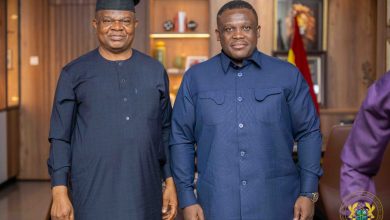
The Chief of Staff, Dr Julius Debrah, said legal reform should also be viewed as an economic issue because the effectiveness of the legal system had implications for investment, business and economic activity.
He said businesses needed enforceable contracts, farmers required certainty over land ownership, while young innovators needed clear rules governing emerging areas such as data, digital assets and artificial intelligence.
Dr Debrah said efficient laws could reduce risk, protect rights and provide businesses with the certainty required to grow.
He said the government had embarked on a number of reforms, including the Legal Education Act, 2026, the Community Service Act, 2026, the Tribunal Act, 2026, and the constitutional review process.
He said the legal profession had an important role to play in ensuring that those reforms translated into practical improvements in the lives of citizens.
Lawyers must participate in reforms
The Attorney-General and Minister of Justice, Dr Dominic Ayine, said the success of the country’s legal reform agenda would depend partly on the role lawyers chose to play in the process.
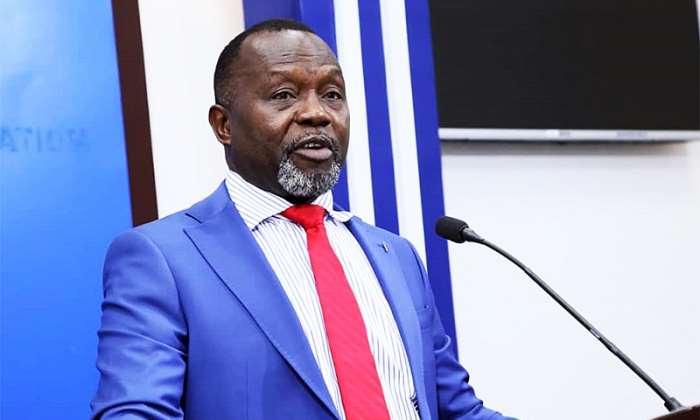
He urged lawyers to contribute to legislative drafting, the reform of state contracts, public financial management, disciplinary reform and access to justice rather than limiting themselves to commenting on laws after they had been passed.
Dr Ayine also called for professional independence, saying lawyers’ associations needed to maintain their independence from political parties and the state.
He said the legal profession should be able to speak on the state of the law and the courts without being perceived as speaking for a political interest.
“The place of the Ghanaian lawyer, in this season of reform, is to be independent enough to be believed and engaged enough to matter,”
he said.
Lawyers concentrated in urban centres
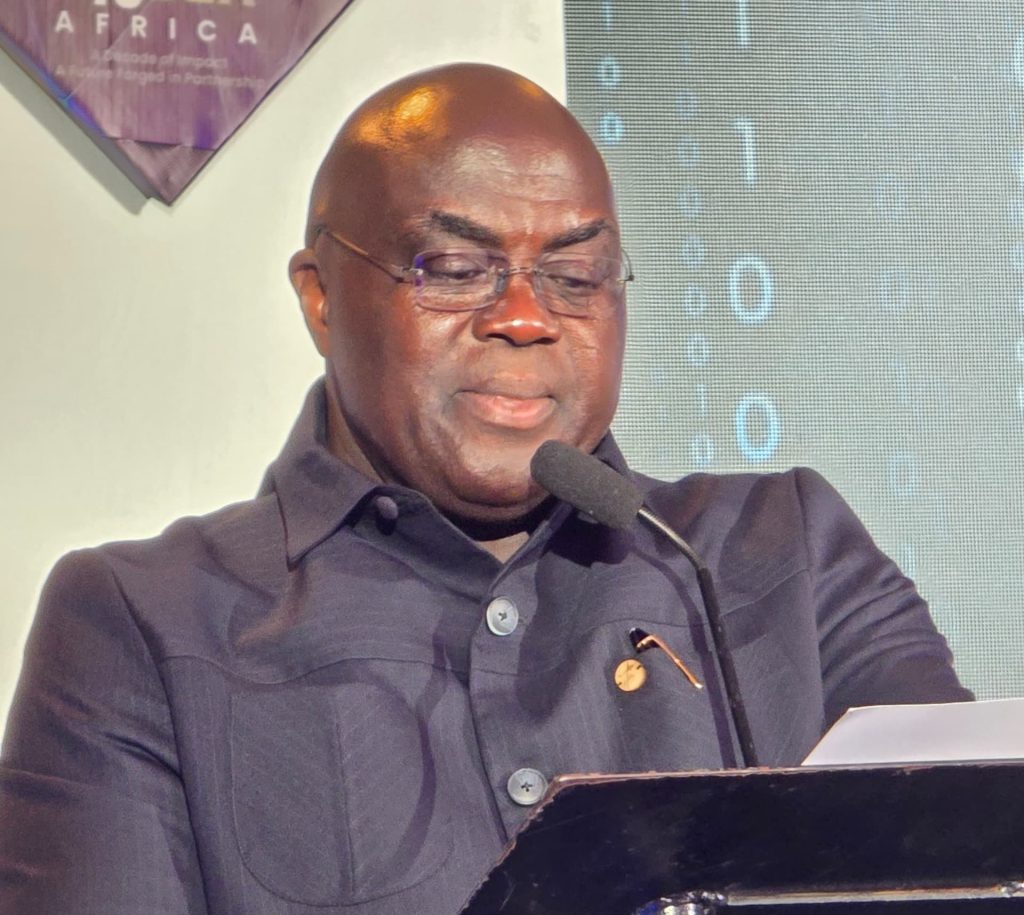
The President of the GLS, Rockson-Nelson Etse Kwami Dafeamekpor, said one of the major challenges confronting the legal profession was the concentration of lawyers in a few urban centres.
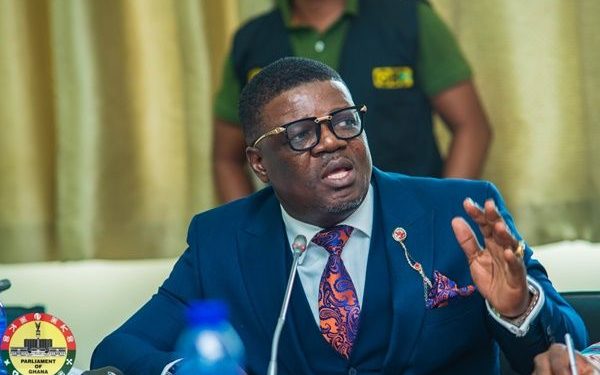
He said the country had fewer than 8,000 lawyers with active practising certificates, with more than 72 per cent practising within Accra, Kumasi and Tema.
Mr Dafeamekpor, who is also the Member of Parliament for South Dayi, said more than 190 districts had no law firm, leaving citizens in some parts of the country to travel long distances to access services such as land searches, tenancy agreements, bail applications and legal representation for juveniles.
He said the situation required the profession to rethink how lawyers were trained, posted and made available to citizens.
“We cannot continue to be a Bar of Accra, by Accra, for Accra. We must be a Bar of Ghana, by Ghana, and for Ghana,”
he said.
National service for newly qualified lawyers
As part of measures to address the geographical imbalance, Mr Dafeamekpor announced a proposed 12-month structured national service programme for newly qualified lawyers under a partnership between the GLS and the National Service Secretariat.
Under the proposal, newly qualified lawyers would be posted to district assemblies, Legal Aid offices, CHRAJ offices, the Judicial Service, Lands Commission offices and regional offices of the Attorney-General to provide legal services and support justice delivery.
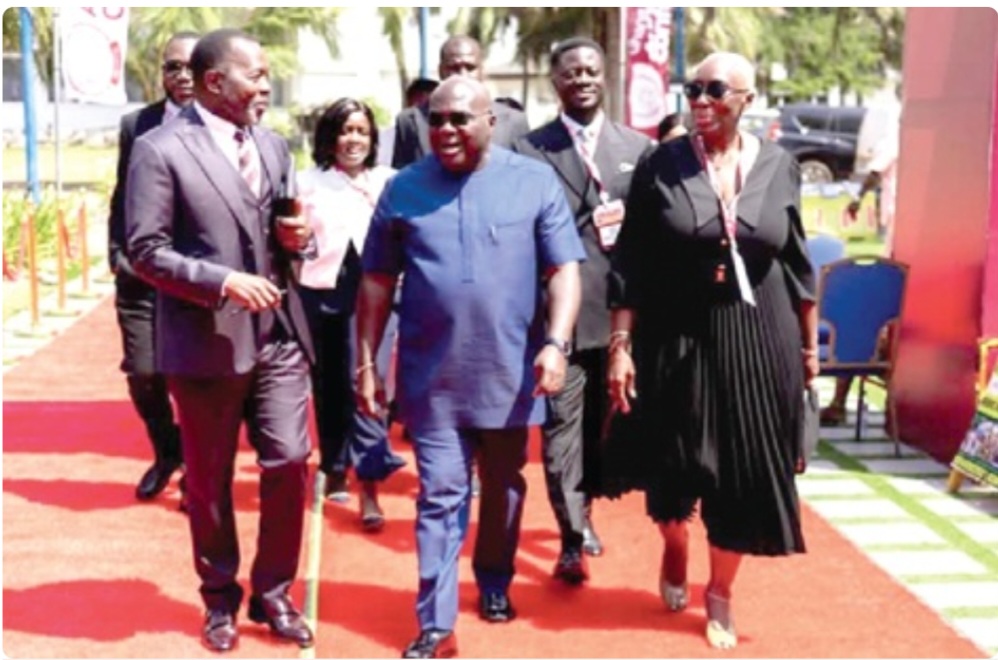
Mr Dafeamekpor, who is also the Majority Chief Whip, said the GLS would pursue reforms in legal education, national service for newly qualified lawyers, mandatory pro bono work, digitisation, specialisation, professional welfare and legal scholarship.
He said the reforms were intended to make the legal profession more responsive to the needs of citizens and the changing demands of the country.