
SIF Launches GWYESCO Programme to Tackle Youth Unemployment, Women’s Economic Exclusion

By Eugene Nyarko Jnr.
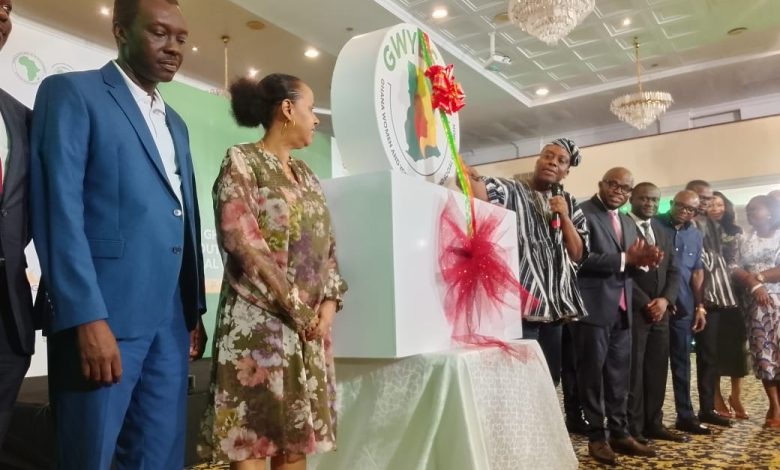
La Palm Royal Beach, Accra, June 10, 2026
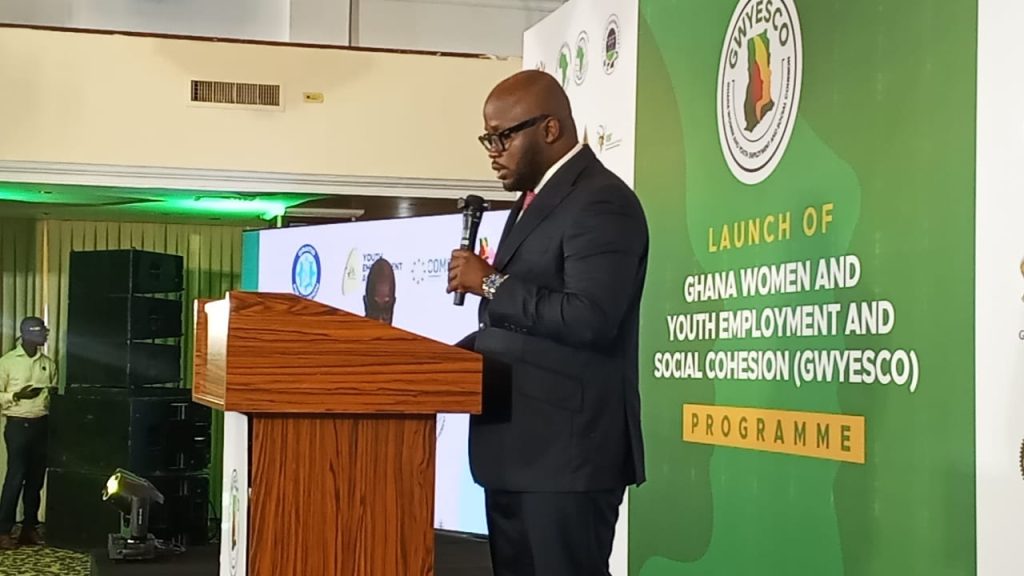
The Social Investment Fund (SIF) has launched the GWYESCO Programme, describing it as a national commitment aimed at addressing youth unemployment and women’s economic exclusion through job creation, entrepreneurship support, skills development, and improved access to finance.
Speaking at the launch in Accra, the Chief Executive Officer of SIF, Mr. Abass Adams Nurudeen, Esq., said the initiative goes beyond a conventional development intervention and seeks to enhance resilience, improve living conditions, and promote economic inclusion and social cohesion among women and young people.
“This programme is more than a development intervention. It is a national commitment to our young people and our women,” he stated. “It is designed to enhance their resilience and living conditions by promoting economic inclusion and social cohesion through job creation, entrepreneurship, access to finance, and skills development.”
Mr. Adams observed that youth unemployment and underemployment remain among the most significant threats to economic progress and social stability in Ghana and across Africa. According to him, the growing number of young people who are not in education, employment, or training is largely due to the lack of market-relevant skills, while many women entrepreneurs continue to face challenges in accessing finance, technology, and markets.
“In fragile and underserved communities, economic exclusion often fuels frustration, migration pressures, vulnerability, and social tension,” he noted. “The GWYESCO Programme responds directly to these realities.”
He explained that SIF, as the implementing and coordinating agency, was established to support Ghana’s efforts to reduce poverty and promote inclusive development. The GWYESCO Programme, he said, represents a significant step forward in that mission by equipping thousands of women and young people with the skills, resources, and opportunities needed to achieve economic independence.
The programme is anchored on three key pillars: market-driven training for women and youth in industry-relevant skills; expanded access to financial and non-financial services for women and youth-owned micro, small and medium enterprises (MSMEs); and strengthened institutional capacity and incentive systems to ensure sustainable delivery and accountability.
Under the initiative, beneficiaries will receive training in digital, technical, vocational, agribusiness, and creative industry skills. Technical and Vocational Education and Training (TVET) centres across the country will also be renovated, constructed, and equipped to improve skills acquisition and workforce readiness.
Additionally, women and youth-owned MSMEs will benefit from entrepreneurship support, business development services, and access to financing facilities to enhance business growth and sustainability.
Mr. Adams disclosed that by 2029, the programme aims to equip 22,000 women and young people for wage and self-employment opportunities, support the construction and renovation of TVET centres, train millions in STEM, digital, and creative industry skills, provide entrepreneurship training for 10,000 women and youth-owned MSMEs, and facilitate access to finance for 8,000 businesses owned by women and young people.
He highlighted the programme’s results-based financing model as one of its distinguishing features, explaining that funding will be tied directly to measurable outcomes and verified impacts rather than merely the implementation of activities.
“What makes GWYESCO particularly different is its results-based financing mechanism,” he said. “Under this approach, financing is linked directly to measurable results and verifiable outcomes. This means that investments are not tied merely to activities conducted, but to real impact achieved.”
Mr. Adams expressed confidence that the initiative would contribute significantly to inclusive economic growth and social transformation.
“When women and young people are empowered with skills, financing, and hope, nations thrive,” he concluded.