
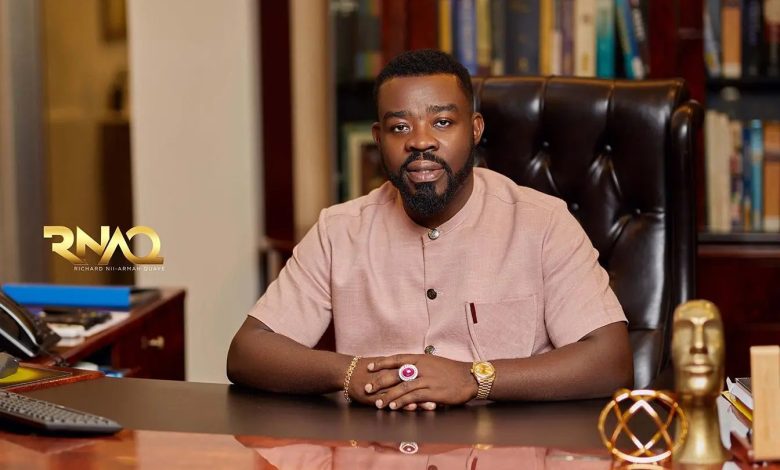
Credit: Eugene Nyarko Jnr. l Accra l February 5, 2026
President of RNAQ Holdings, Richard Nii Armah Quaye, has declared that Africa’s youth represent the continent’s most valuable resource, and investing in their development is not merely a social responsibility but a strategic imperative for economic growth.
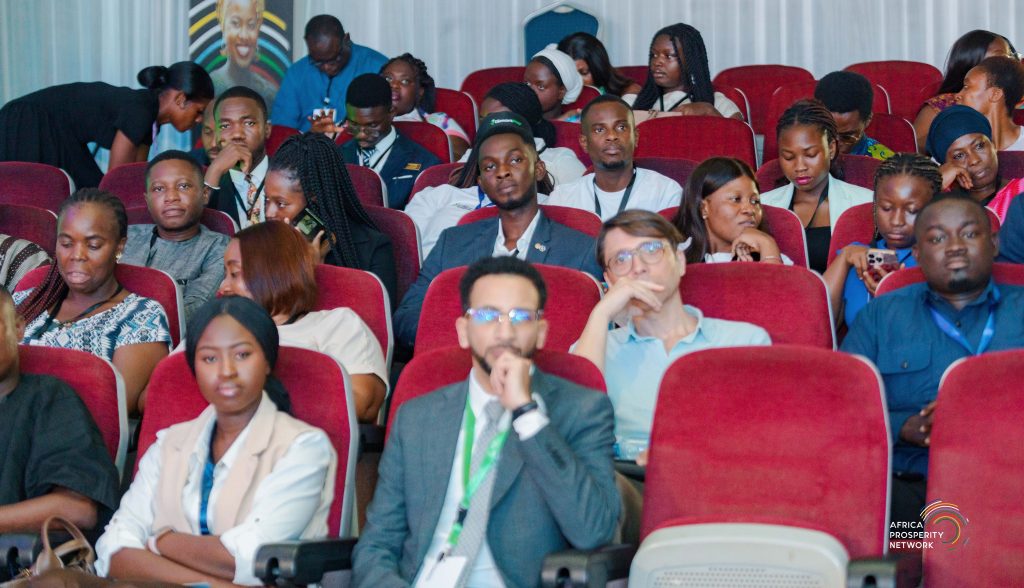
He made the remarks during the Youth Prosperity Dialogue, part of the ongoing 2026 Africa Prosperity Dialogues (APD), held under the theme: “Empowering SMEs, Women, and Youth for the Single Market: Innovate, Collaborate, Trade” at the Accra International Conference Centre (AICC) on Thursday, 5th February, 2026.
Mr. Quaye emphasized that the future workforce and customer base of African businesses is already present—and it is young. “If we get youth right, African businesses will thrive for generations. If we get it wrong, no amount of capital, policy reform, or trade agreements will save us,” he stated, underlining the urgency of treating youth as partners rather than passive beneficiaries.
Drawing from his personal journey, Quaye recounted starting his entrepreneurial path in his early twenties with just £1,000 in personal savings, no inherited wealth, and no institutional support. Through discipline, resilience, and a willingness to learn quickly, he turned RNAQ Holdings into the largest microfinance institution on the continent, operating in eight African countries and lending to over 20,000 small businesses weekly. Today, the company employs more than 30,000 young Africans, many of whom are building their first careers in homegrown institutions.
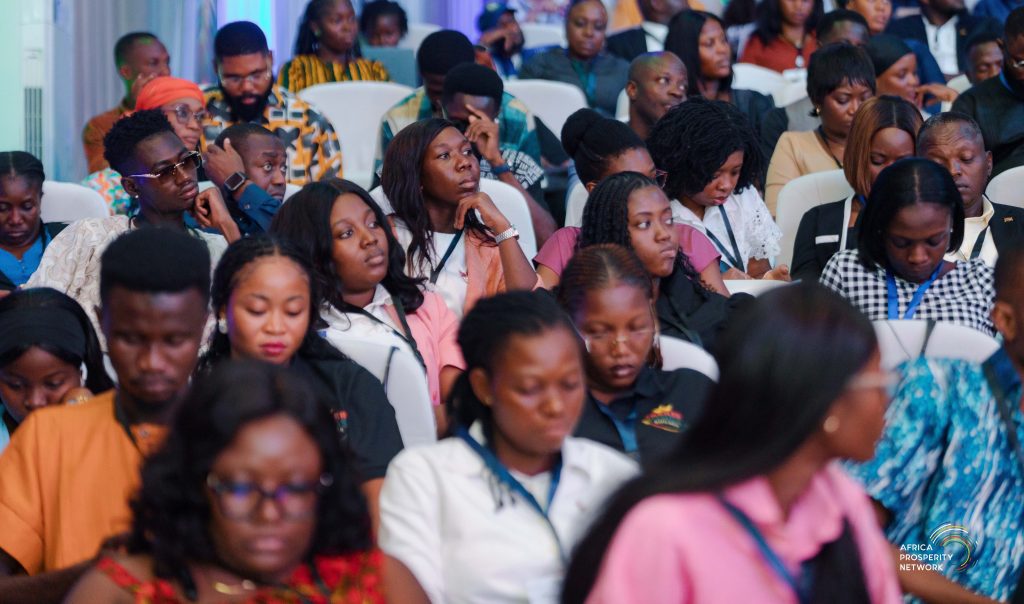
“Investing in youth is not social responsibility. It is the most strategic investment a business can make for long-term survival and growth,” Quaye asserted. He stressed that Africa does not face a shortage of talent but a “talent pipeline problem,” with current education-to-employment systems failing to equip young people with the skills modern African economies demand.
Mr. Quaye called for a “new covenant” between industry and Africa’s youth, advocating an ‘Earn as You Learn’ model. This approach includes structured apprenticeships, internships, and management training programs that provide young people with real roles and responsibilities. He also emphasized the need for businesses to co-design curricula with universities and vocational institutions, ensuring that education aligns with practical, commercial outcomes.
Highlighting RNAQ Holdings’ commitment, Quaye revealed that the company has already invested over $100 million in angel and early-stage ventures across African markets. Most recently, he announced a $30 million initiative aimed at helping African businesses scale across borders. “Africa does not lack ideas. Africa lacks growth capital and structured pathways to scale. Capital matters, but capital without discipline fails. Talent matters, but talent without hard work fails,” he said.
He further challenged all stakeholders to rethink their approach to youth empowerment. “Africa’s greatest asset is its youth. The question before us is simple: Will we treat youth as a risk to be managed or as partners in building Africa’s economic future? History will judge our answer,” he said.