
Story by Eugene Nyarko Jnr. | Accra | July 29, 2026
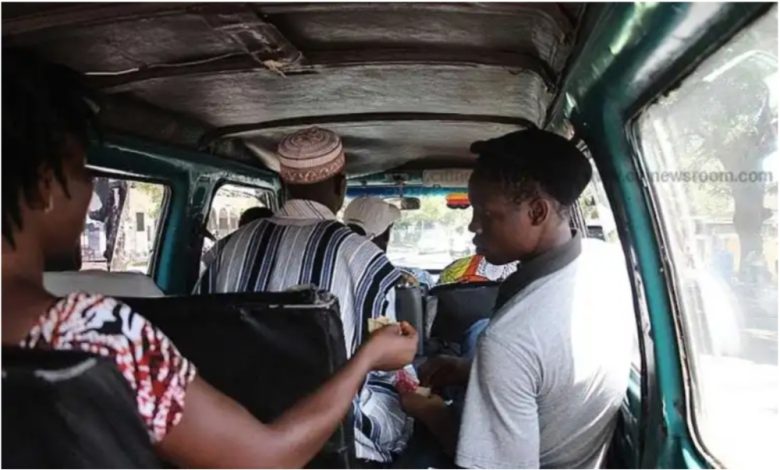
The Ghana Private Road Transport Union (GPRTU) has attributed its proposed 30 percent transport fare increase to rising fuel prices, expensive spare parts, lubricants and taxes, insisting that commercial drivers can no longer absorb the escalating operational costs.
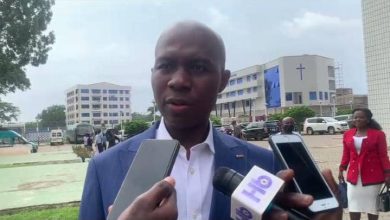
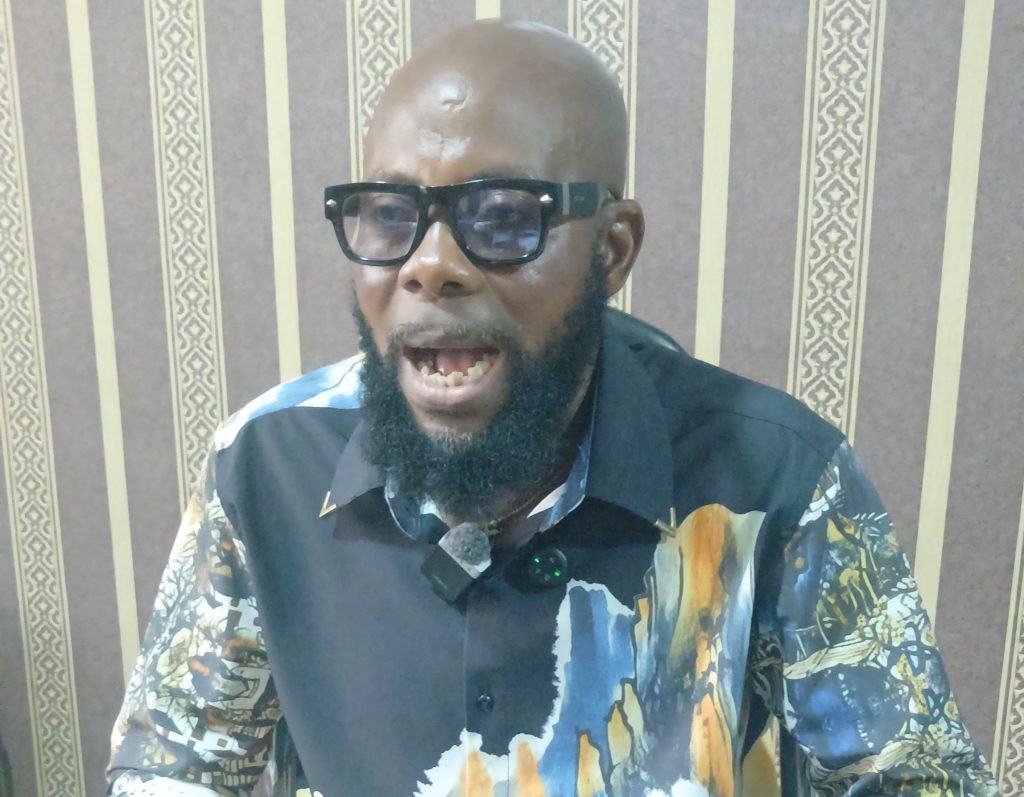
Speaking in a private media interaction at the GPRTU’s national office in Accra, the Deputy National Public Relations Officer of the Union, Samuel Amoah, explained that the decision was based on a review of the key cost components used in operating commercial transport services.
According to him, the Union considers petroleum products, spare parts, lubricants and taxes when determining whether transport fares should be reviewed.
“We have been complaining about the cost of spare parts and other operational inputs for some time now. More recently, fuel prices have also started increasing again, making the situation unbearable for drivers,” he said.
Mr. Amoah disclosed that after the Union reduced transport fares by 15 percent earlier, fuel prices had since increased by between 40 and 45 percent, exceeding the Union’s 10 percent threshold required to trigger a fare review.
He noted that many drivers now spend almost all their daily earnings on fuel, leaving little or no income to support their families.
“We realised that drivers could no longer contain the pressure. At the end of the day, some use all the money they make just to buy fuel. That is why we announced the proposed 30 percent fare increment,” he explained.
However, he said the Union agreed to suspend the planned increase after meeting officials from the Ministry of Transport, who appealed for more time while government works to stabilise fuel prices.
According to him, the Ministry acknowledged the rising operational costs facing transport operators and assured the Union that measures were being implemented to prevent further increases in fuel prices.
Although describing the decision to suspend the increase as “a hard pill to swallow,” Mr. Amoah said the Union agreed to wait until the next petroleum pricing window before taking any further action.
“We have agreed to wait and see whether government’s promise will reflect in the coming pricing window. If nothing changes, we will proceed with our decision to increase transport fares,” he stated.
Mr. Amoah further indicated that the high cost of spare parts has forced many commercial vehicles off the roads because owners cannot afford repairs.
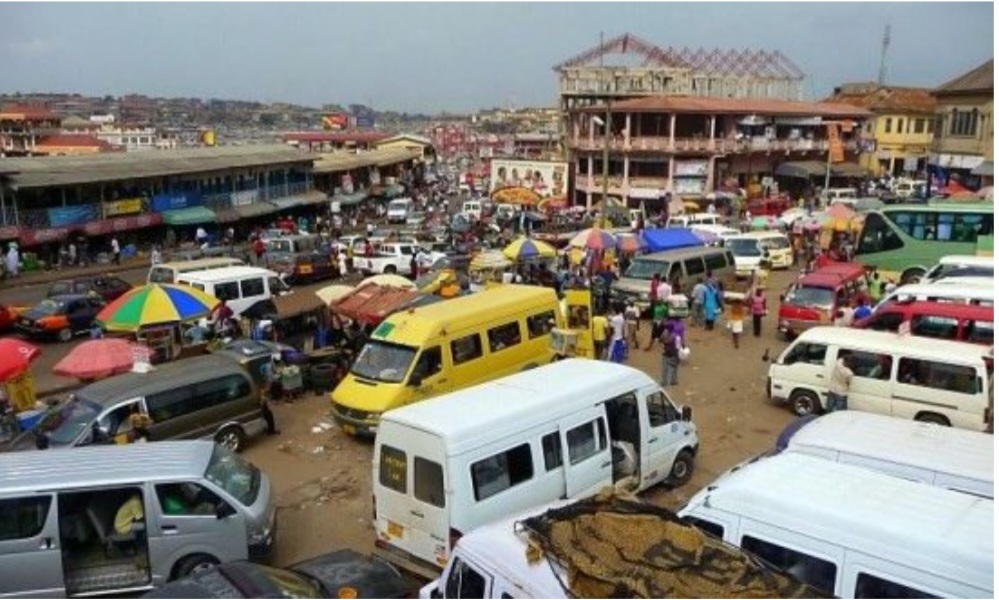
He explained that this has contributed significantly to the shortage of commercial vehicles during peak hours, leaving many commuters stranded at bus terminals.
He appealed to government to appreciate the sacrifices being made by commercial drivers, noting that many operate privately owned vehicles purchased through expensive bank loans without any direct government support.
“Drivers also have families to feed. They pay electricity bills, water bills and other expenses. If they work all day and return home empty-handed, it becomes extremely difficult for them,” he said.
Mr. Amoah also called on government to support private transport operators with buses under flexible financing arrangements rather than concentrating such support on public transport operators.
“We are not asking for free buses. Government can provide the buses on a payment plan. We will work, pay for them and use them efficiently to serve the country,” he stressed.
On transport regulation, Mr. Amoah cited the provisions of Legislative Instrument (L.I.) 2180, which requires commercial transport operators to belong to recognised transport unions.
He explained that membership enables transport unions to enforce internal regulations and sanction drivers who charge unapproved fares or violate agreed operational guidelines.
According to him, drivers operating outside recognised transport unions often escape disciplinary measures, creating unfair competition and making enforcement more difficult.
He revealed that the Union’s task force has been working with the police to arrest and prosecute commercial drivers operating outside recognised transport unions in accordance with the law.
Mr. Amoah also assured commuters that GPRTU continues to investigate complaints against drivers who charge fares above approved rates and applies sanctions where necessary.
As part of his recommendations, he urged government to improve road infrastructure, develop policies to help stabilise the cost of spare parts and expand support for the private transport sector.
“Government has a role to play. They should fix our roads, help address the rising cost of transport inputs and support the private sector with buses so we can continue serving the country efficiently,” he concluded.