
By Eugene Nyarko Jnr.
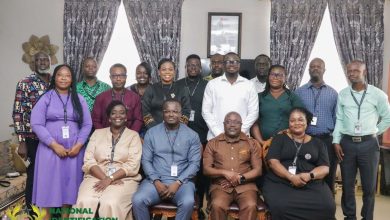
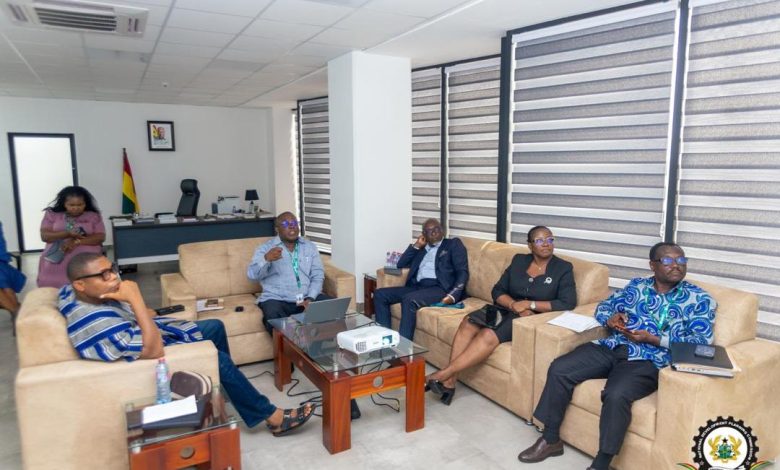
The National Development Planning Commission (NDPC) and the IMANI Centre for Policy and Education have begun a high-level strategic dialogue aimed at shaping Ghana’s long-term development agenda ahead of the country’s 70th Independence Anniversary.
The engagement, held in Accra on Thursday, August 6, 2026, focused on policy continuity, effective implementation, accountability and the proposed Consolidated National Development Plan (CNDP), with participants stressing the need for a shared national vision to accelerate sustainable development.
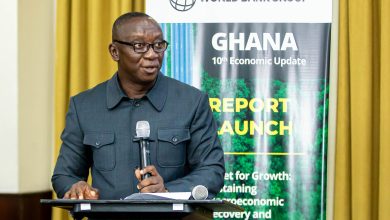
Opening the dialogue, the Chairman of the NDPC, Dr. Nii Moi Thompson, cautioned against the assumption that development naturally occurs with the passage of time.
He said development was not automatic but required deliberate and sustained effort, noting that Ghana’s development challenge was rooted in the lack of sustained structural transformation capable of creating jobs, increasing productivity and raising incomes.
Drawing on data covering industrialisation, electricity consumption, manufacturing and private sector credit, Dr. Thompson argued that the country’s limited industrial base remained a major obstacle to broad-based economic growth and employment generation.
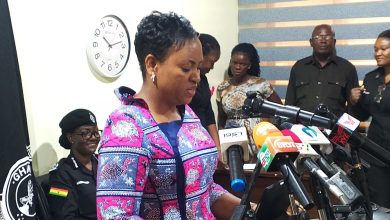
The Director-General of the NDPC, Dr. Audrey Smock Amoah, underscored the importance of participatory planning and citizen ownership of national development policies.
She observed that many Ghanaians viewed development plans as government documents rather than national commitments and called for stronger collaboration between local representatives and communities to improve accountability and public ownership of development outcomes.
Responding on behalf of IMANI, the Founder and President of the policy think tank, Mr. Franklin Cudjoe, said successive development initiatives had often been implemented in a fragmented manner without a coherent long-term framework linking investments to measurable national outcomes.
He stressed that national development planning should be anchored on a clear vision supported by measurable indicators, including economic growth, productivity, employment, human development and structural transformation.
Mr. Cudjoe also advocated closer alignment between education and skills training programmes and the demands of a modern economy to enhance national competitiveness.
The Vice-President of IMANI, Mr. Kofi Bentil, highlighted the importance of implementation and enforcement, stressing that even the best development plans would fail without strong institutions to ensure compliance.
He said institutional reforms should precede or accompany national planning efforts and urged policymakers to design development plans that were flexible enough to adapt to technological advances and changing political realities.
In his closing remarks, Dr. Thompson disclosed that the NDPC was considering reforms to strengthen parliamentary oversight of development planning, align medium-term development plans with electoral cycles and deepen citizen participation in monitoring national development outcomes.
He expressed confidence that a broad national consensus around a common development framework would help reduce policy discontinuity and improve Ghana’s long-term socio-economic development.