
Story by Eugene Nyarko Jnr. l Sunlodge Hotel, Accra l Friday, September 25, 2026 —
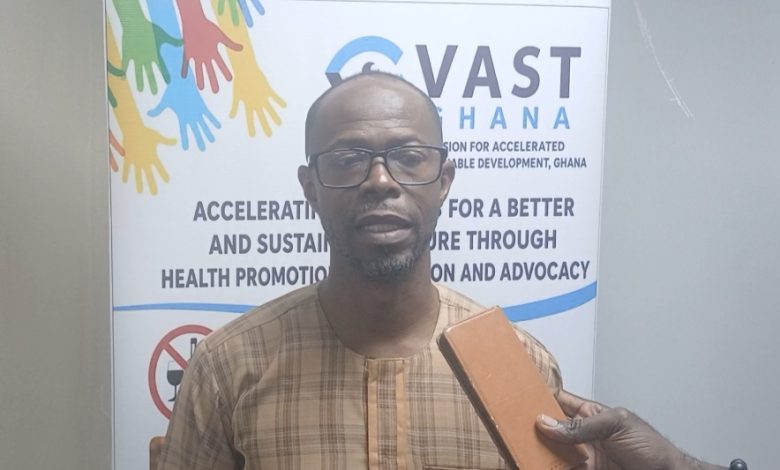
The Executive Director of Vision for Accelerated Sustainable Development Ghana (VAST Ghana), Labram Musah, has called for the speedy finalisation and institutionalisation of a Code of Conduct to guide public officials in their dealings with the tobacco industry.
He said the Code would help translate Ghana’s tobacco-control laws and international obligations into practical safeguards capable of protecting public health policymaking from commercial and other vested interests.
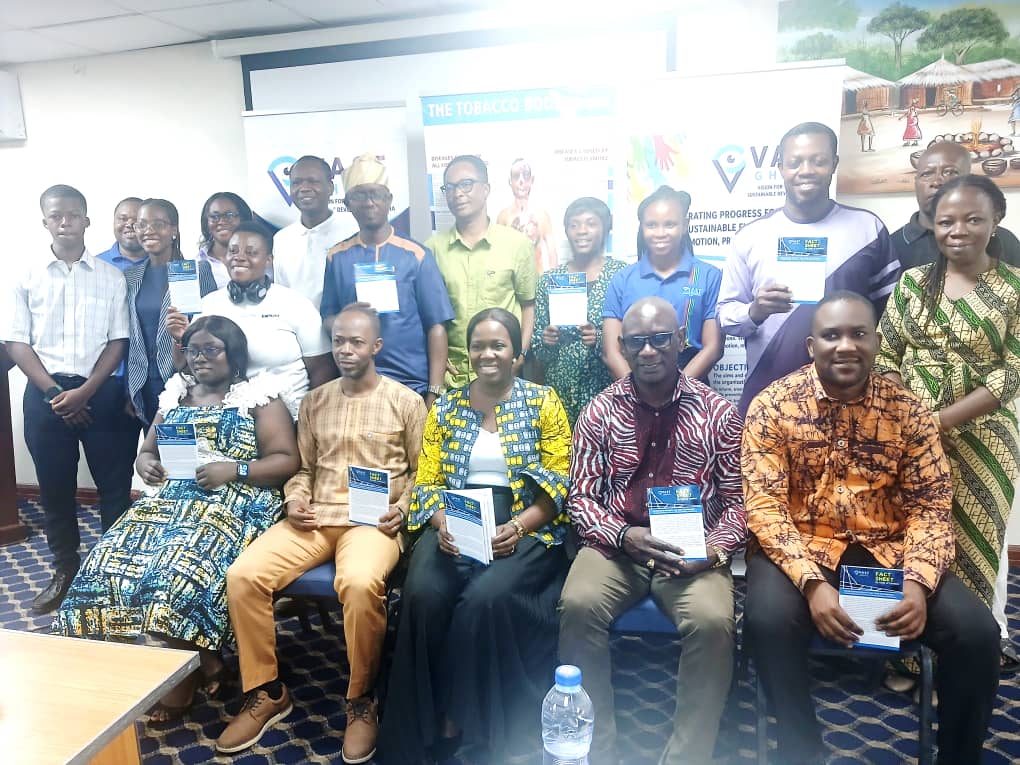
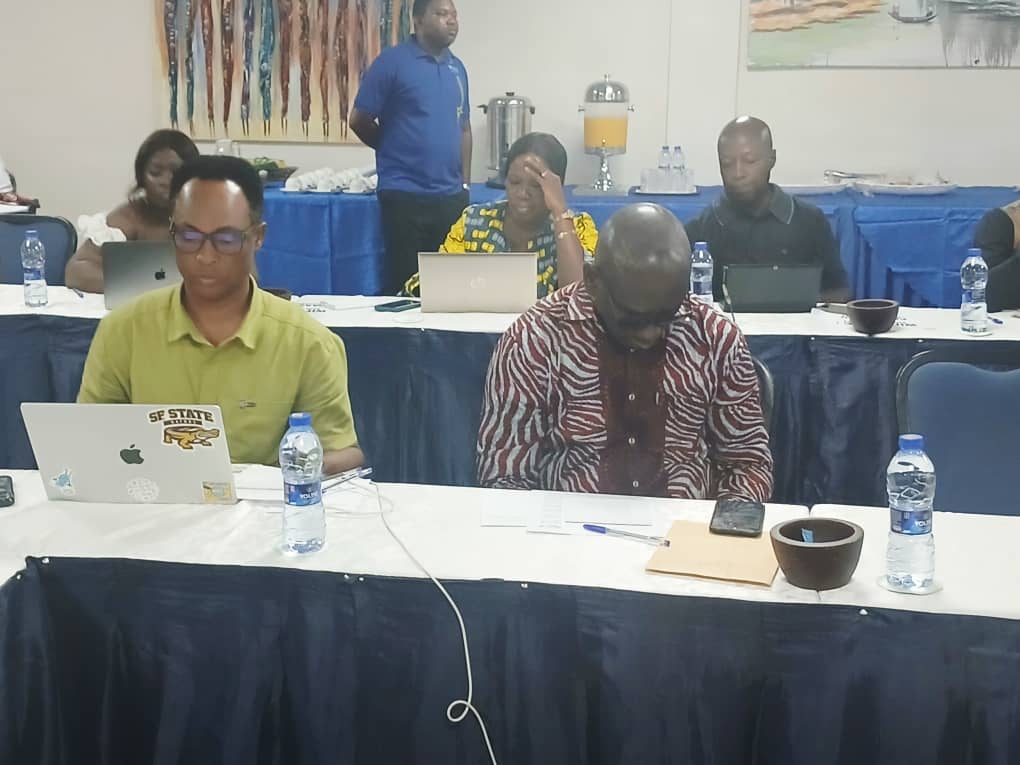
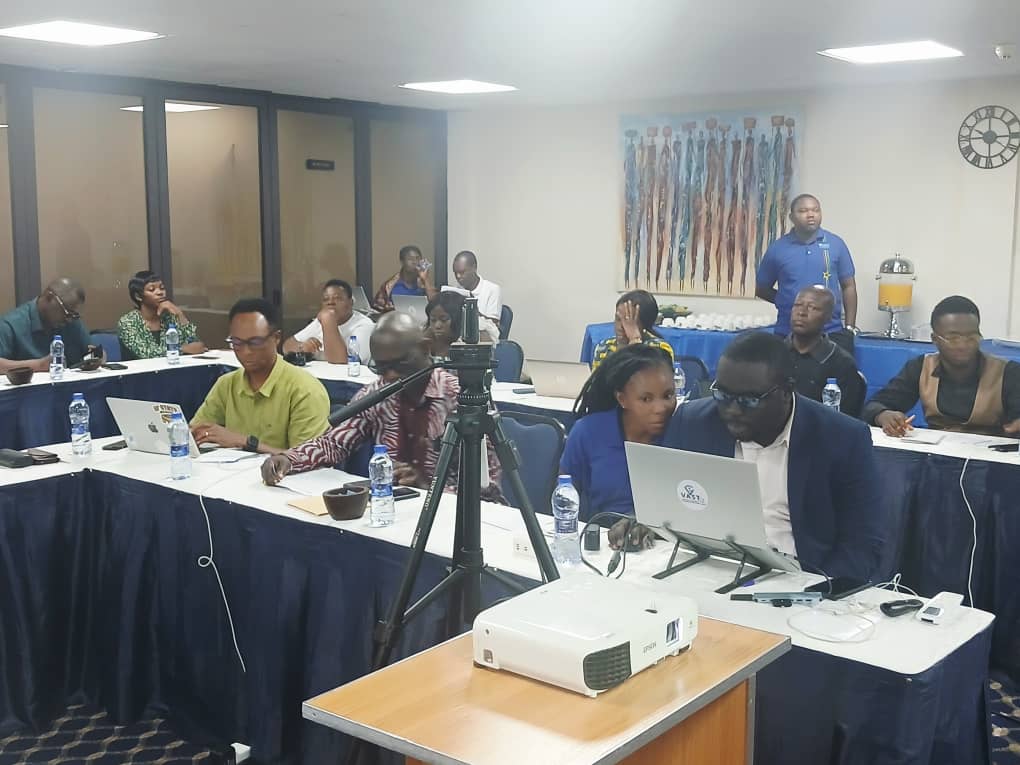
Mr Musah made the call at a strategic stakeholder engagement on the development and institutionalisation of a Code of Conduct for public officials in Ghana at the Sunlodge Hotel, Tesano, Accra.
He said tobacco industry interference continued to present a challenge to effective tobacco control because industry players and entities working in their interests had commercial interests in influencing policies and regulatory processes.

Mr Musah said Article 5.3 of the World Health Organisation Framework Convention on Tobacco Control (WHO FCTC) provided the basis for protecting tobacco-control policies from commercial and other vested interests of the tobacco industry.
He noted that Ghana had already established a legal foundation through the Public Health Act, 2012 (Act 851), and the Tobacco Control Regulations, 2016 (L.I. 2247).
He said the next step was to translate those legal principles into clear institutional systems that public officials could understand and consistently apply.
According to him, the Code should provide guidance on when interaction with the tobacco industry might be necessary, how such interactions should be conducted, what information should be disclosed and how conflicts of interest should be handled.
He also proposed safeguards covering partnerships, incentives, gifts, contributions and other forms of engagement with the industry.
Mr Musah said VAST Ghana would consolidate the contributions made at the stakeholder meeting and share them with the FDA and Ministry of Health for consideration as the draft Code was developed.
He said the Ministry of Health would also have to subject the document to its internal processes, including legal review, to ensure that it was consistent with existing laws.
Beyond the adoption of the Code, Mr Musah said VAST Ghana would work with civil society organisations to support its implementation.
He said this would include capacity-building for public officials, strengthening civil society organisations to monitor and report violations, and engaging the media to improve public understanding of the Code.
Mr Musah said VAST Ghana would also support a wider dissemination and launch of the Code after its adoption.
He said the objective was to ensure that Ghana joined other countries that had introduced measures to regulate tobacco industry interactions with public officials and protect public health policies from commercial interests.
The WHO’s investment case for tobacco control in Ghana has also recommended adoption of a Code of Conduct under the 2016 Tobacco Control Regulations to protect public health policy from tobacco industry interference.