
Story by Eugene Nyarko Jnr. I ACU, Accra l Saturday, August 15, 2026
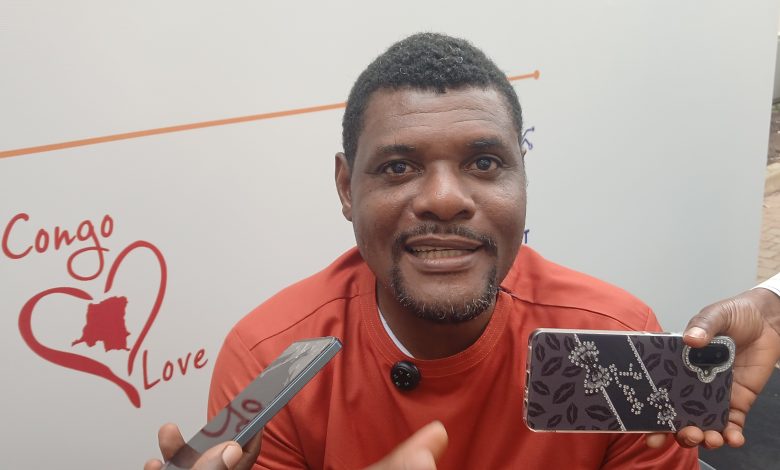
The Executive Director of No Limit Consult and Foundation, Michael Owusu-Asare, has urged young people to acquire Artificial Intelligence (AI) skills and use them to create businesses, improve their productivity and generate income.
He said young people should move beyond simply adopting AI tools and develop the ability to use the technology strategically to solve problems and create value.
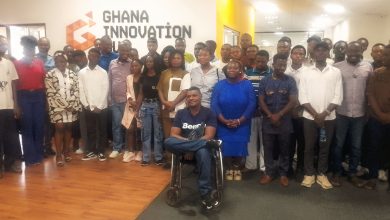
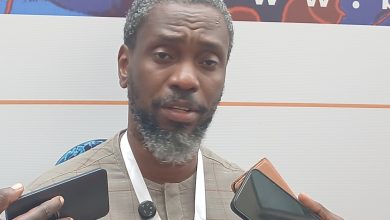
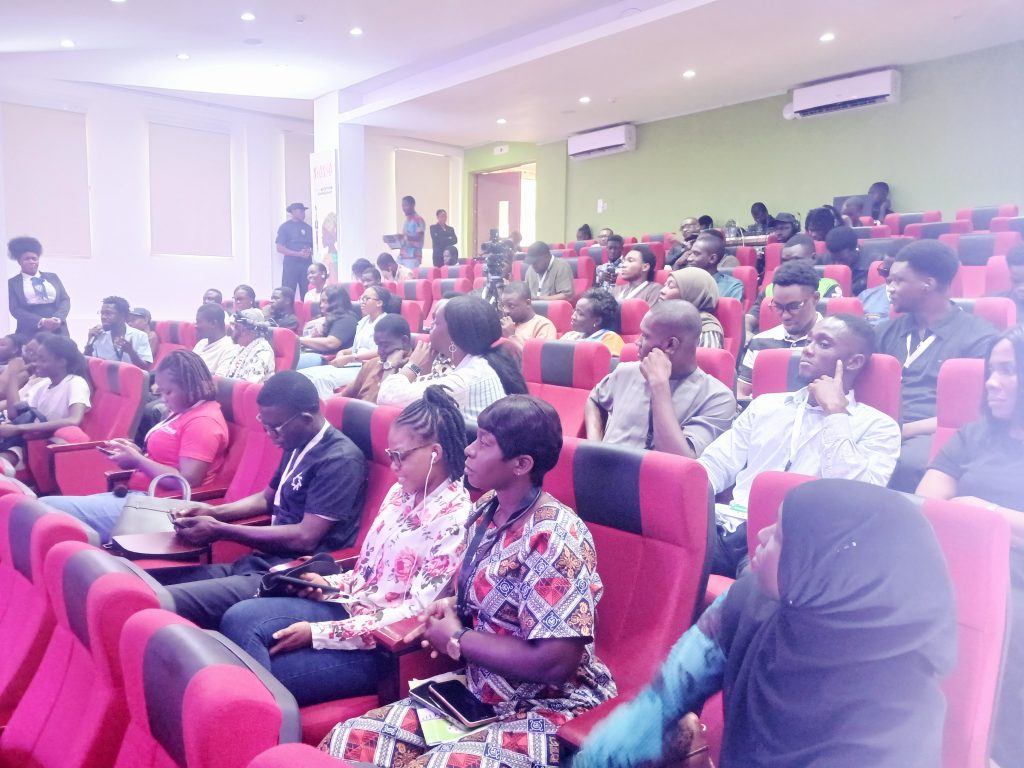
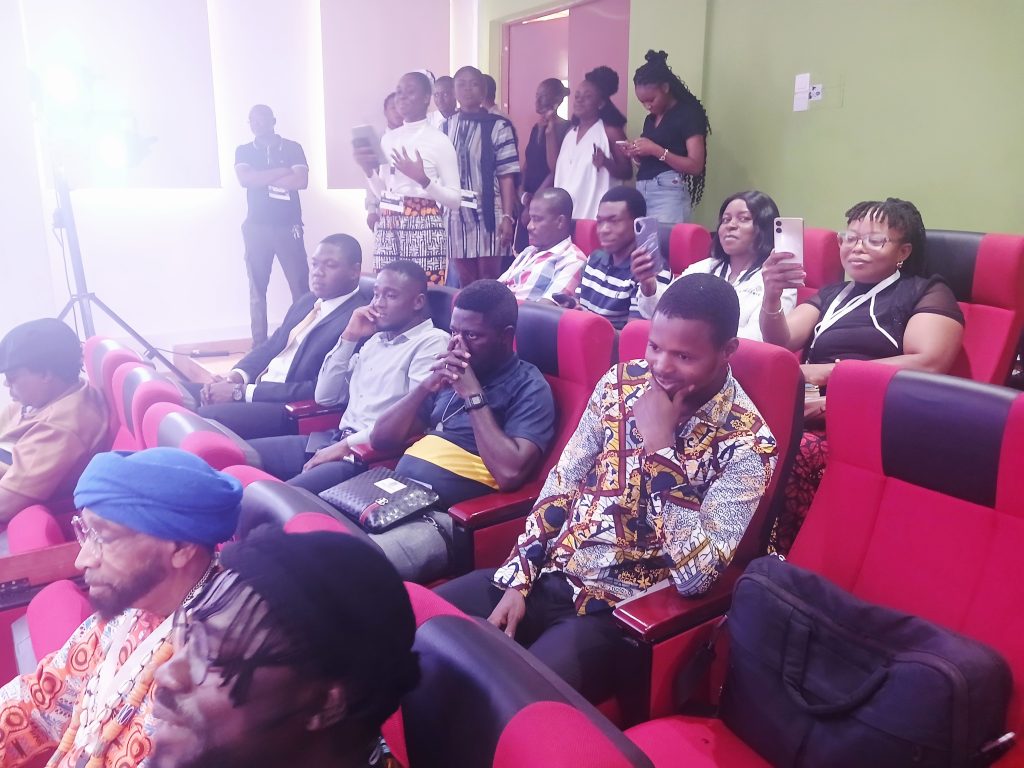
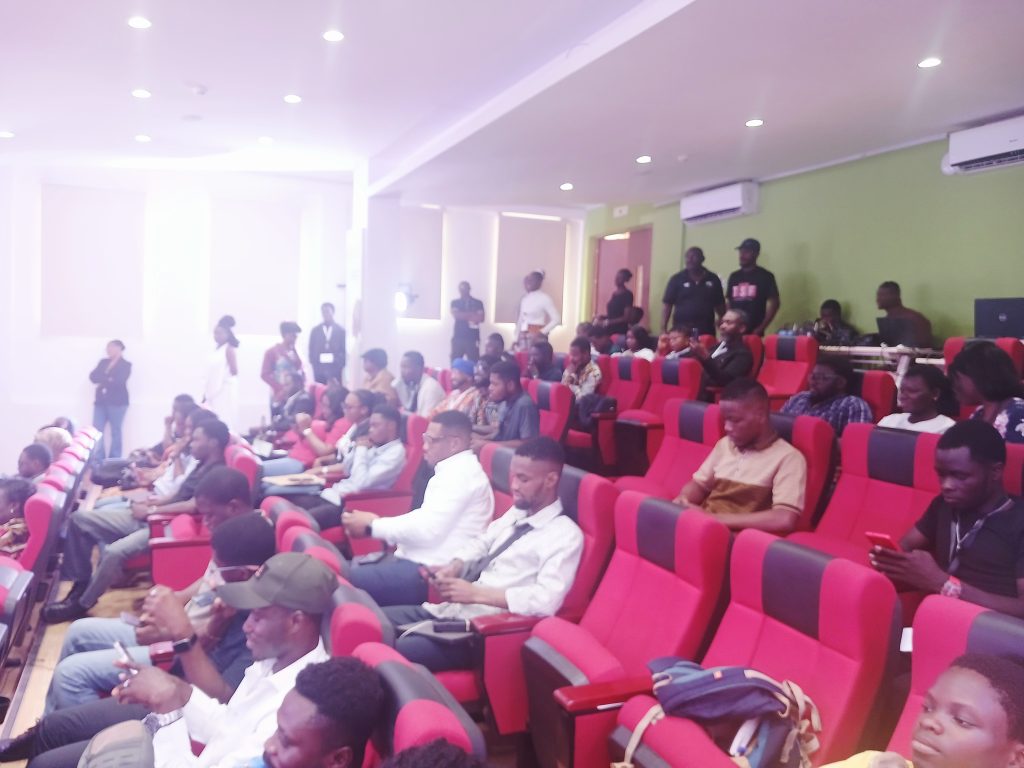
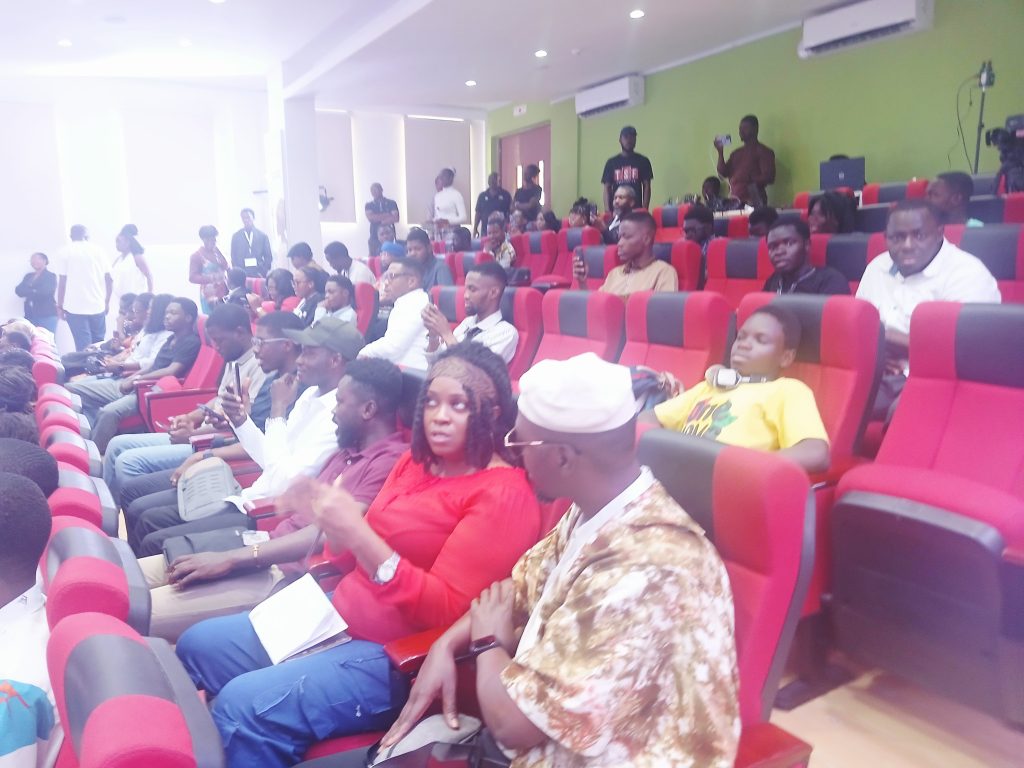
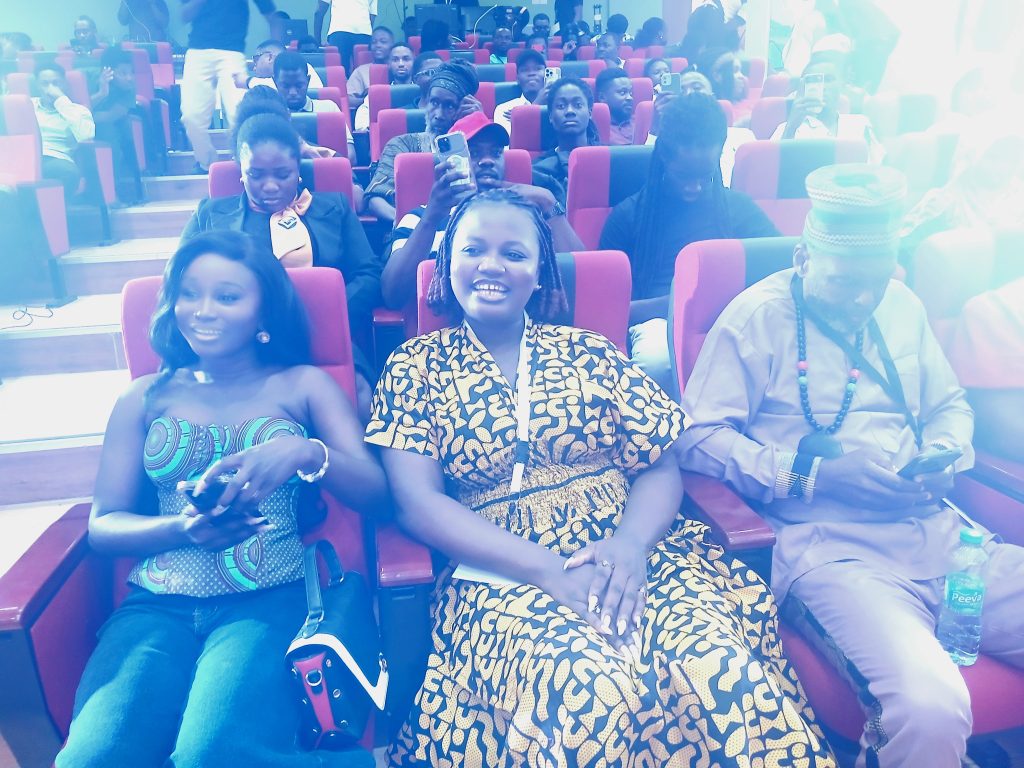
Mr Owusu-Asare made the call in an interview on the second day of the Beyond AI Workshop, dubbed “Nyansa Futures 2026”, held at the Academic City University, Haatso, Accra.
The workshop was held on the theme: “From Adoption to Ownership, Shaping Africa’s AI Future.”
Mr Owusu-Asare said the important question in the AI debate was not only who used the technology but who had the ability to influence it to achieve specific objectives.
“AI, as you know, is a tool. But the thing is, who owns the AI is what’s important,” he said.
AI creates opportunities
Mr Owusu-Asare said AI could be applied in almost every industry and could help young people improve their skills and develop new services.
He cited graphic design, video editing and digital marketing as some of the areas where young people could use AI to improve their capabilities.
He urged unemployed young people to learn AI through online platforms and use the knowledge to provide services to individuals and businesses.
He said the early adopters of emerging technologies often gained an advantage because people were willing to pay for knowledge and services that were not yet widely available.
He encouraged young people to take advantage of free learning opportunities, including online videos, digital platforms and workshops.
Self-learning
Mr Owusu-Asare said his own educational background demonstrated that people did not necessarily need a technology degree before they could enter the digital space.
He said he studied political science and geology but had subsequently trained himself in areas such as video marketing, video editing and digital marketing through the internet.
He therefore urged young people to take personal responsibility for acquiring relevant skills instead of waiting for formal institutions to provide all their training.
He said young people who remained informed about emerging technologies would be better positioned to identify opportunities and develop sustainable livelihoods.
Technology and disability
Mr Owusu-Asare also highlighted the role of AI and digital technology in creating opportunities for persons with disabilities.
As a wheelchair user, he said technology had provided him with an avenue to participate in professional activities without depending heavily on physical strength.
He explained that many digital jobs required intellectual ability, creativity and problem-solving skills rather than physical strength.
According to him, persons with disabilities could therefore use AI and digital technologies to overcome some of the barriers they faced in the physical environment.
He said persons with disabilities often developed strong adaptability because they had to find ways of navigating environments that were not always designed with them in mind.
Change the mindset
Mr Owusu-Asare urged persons with disabilities not to allow their conditions to determine what they could achieve.
He said the way people perceived their circumstances could influence their ability to take advantage of opportunities.
“For me, I don’t see my disability as a disadvantage. I see it as an advantage. I am here being interviewed because of my disability,” he said.
He said the growing accessibility of digital tools meant that persons with disabilities could participate in areas previously considered difficult for them.
He pointed to persons with visual and hearing impairments who had used digital and assistive technologies to pursue professional careers.
Mr Owusu-Asare therefore urged young people and persons with disabilities to develop a positive mindset, acquire digital skills and use AI as a tool for economic empowerment.
“Do not limit yourself because of your disability. Let the disability show forth and bring the best out of you,” he said.