
By Eugene Nyarko Jnr. l Accra l February 5, 2026
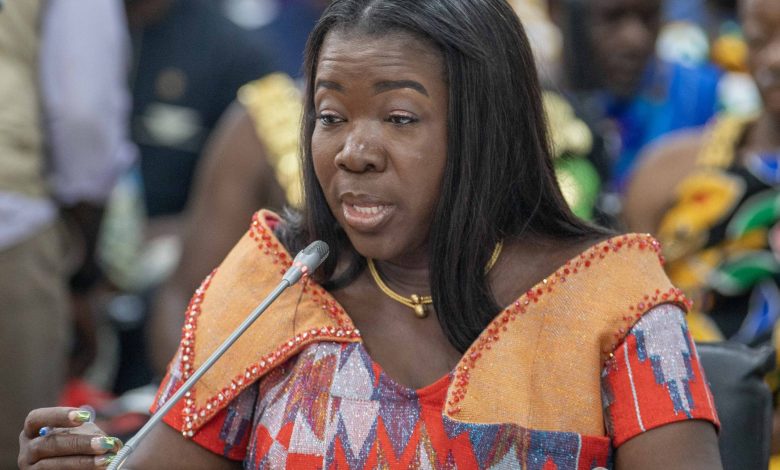
The Minister for Trade, Agribusiness and Industry, Hon. Elizabeth Ofori-Adjare, has reaffirmed Ghana’s commitment to empowering small and medium-sized enterprises (SMEs), women and youth as key drivers of Africa’s industrialisation and intra-African trade under the African Continental Free Trade Area (AfCFTA).
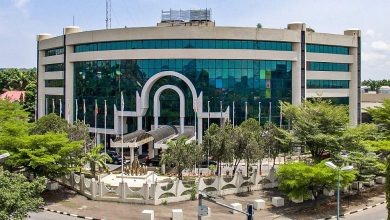
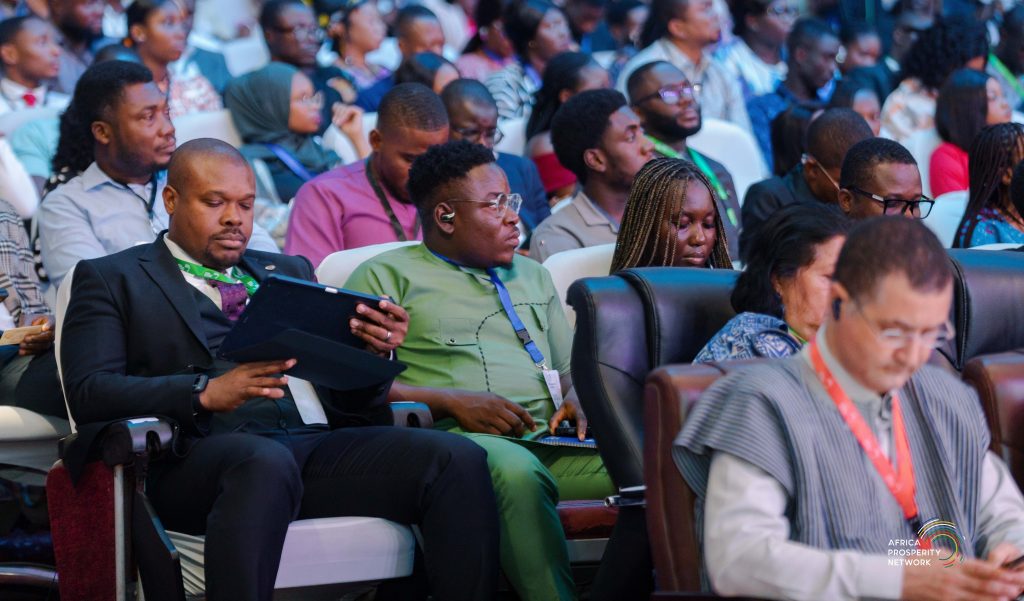
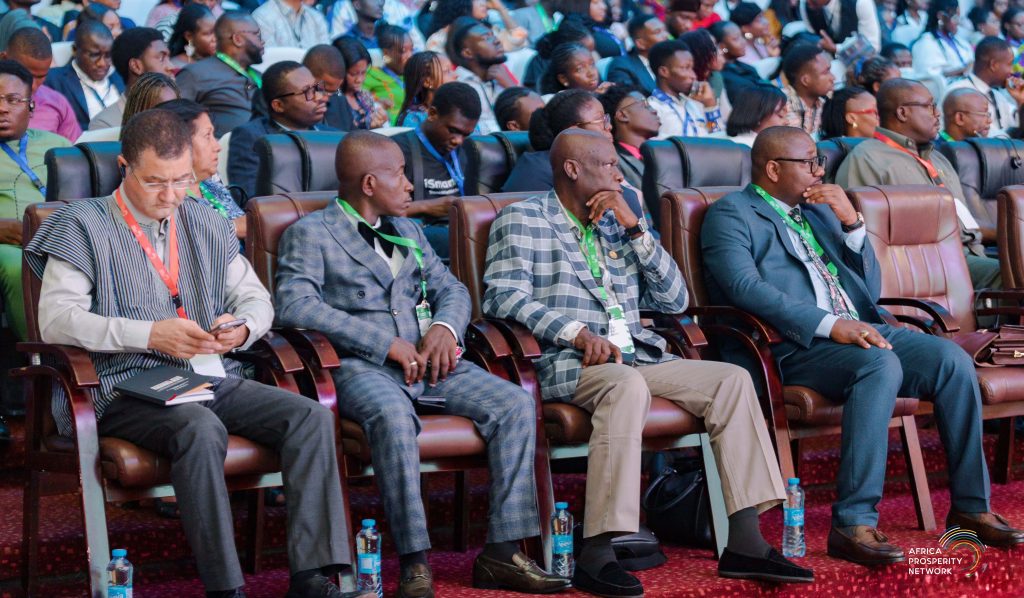
Delivering the keynote address on Day Two of the 2026 Africa Prosperity Dialogues (APD) at the Accra International Conference Centre, the Minister said inclusive trade and industrial growth were central to Africa’s Agenda 2063 and the continent’s long-term prosperity.
She commended the Africa Prosperity Network for convening the dialogue under the theme “Empowering SMEs, Women & Youth in Africa’s Single Market: Innovate. Collaborate. Trade,” describing it as timely and aligned with Africa’s shared ambition for integration and transformation.
Hon. Ofori-Adjare noted that since the commencement of trading under the AfCFTA in January 2021, Africa had made steady progress, citing nearly 50 ratifications, expanding participation in the Guided Trade Initiative, and the adoption of the Protocol on Women and Youth in Trade. According to her, the Protocol represents a binding commitment to remove structural barriers and expand access to finance, skills, digital trade and regional value chains.
She said Ghana, under the leadership of President John Dramani Mahama, was translating AfCFTA ambitions into concrete action by strengthening value addition, driving industrial growth and expanding export capacity, with women’s empowerment embedded across all policy pillars.
Through the Ministry of Trade, Agribusiness and Industry, working with the Ghana Enterprises Agency and other partners, government is strengthening micro, small and medium-sized enterprises (MSMEs) as engines of job creation and export growth. She emphasized that MSMEs account for over 90 per cent of businesses across Africa, with women leading nearly half of such enterprises in Ghana.
The Minister highlighted the untapped potential in commodities such as cocoa, shea, cashew and honey, stressing the need to move beyond raw exports to higher-value processing. She explained that supply constraints and weak linkages between agriculture and industry had informed the expansion of the Ministry’s mandate to include agribusiness, as well as the rollout of the “Feed the Industry Programme” to ensure a sustainable flow of quality raw materials to industry.
Hon. Ofori-Adjare also underscored government’s focus on gender equity and inclusive growth, revealing that more than 2,800 businesses had been sensitised on export procedures and market access, while targeted interventions had boosted participation of women-, youth- and disability-led enterprises in cross-border trade.
She disclosed that nationwide enterprise development programmes had equipped over 155,000 entrepreneurs with skills, supported more than 6,000 start-ups, and improved access to finance, particularly for women- and youth-led MSMEs. Additional support, she said, was being provided through grant and financing mechanisms under the World Bank-backed Ghana Economic Transformation Project.
Looking ahead, the Minister identified four key priorities to unlock Africa’s trade potential: full operationalisation of the AfCFTA, increased investment in digital and physical infrastructure, innovative financing solutions for women and youth enterprises, and stronger public-private and cross-border partnerships to scale regional value chains.
Despite persistent challenges such as financing gaps, skills mismatches and infrastructure deficits, she said government remained committed to accelerating AfCFTA implementation and fostering inclusive industrialisation.
She called on stakeholders to invest in women- and youth-led SMEs, prioritise value addition using digital tools and artificial intelligence, remove remaining trade barriers, and deepen cross-border collaboration.
“Together, we will build a single African market where SMEs, women and youth drive sustainable prosperity, job creation and structural transformation,” the Minister stated.