
Story by Eugene Nyarko Jnr. l Accra l Saturday, February 28, 2026
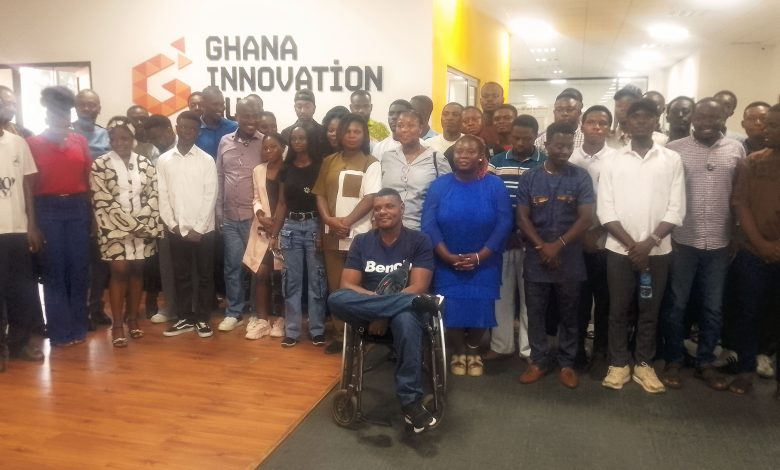
A growing call for data protection and digital accountability took centre stage at the Accra Digital Centre on Saturday, as technology experts and policy advocates gathered for a workshop themed “Data is the New Gold; But Who is Galamsey-ing It?”
The event, organised by Beyond AI Movement and led by its founder Mr. Kambale Musavuli, sought to demystify artificial intelligence (AI) and draw attention to what speakers described as the silent extraction of valuable user data from ordinary citizens.
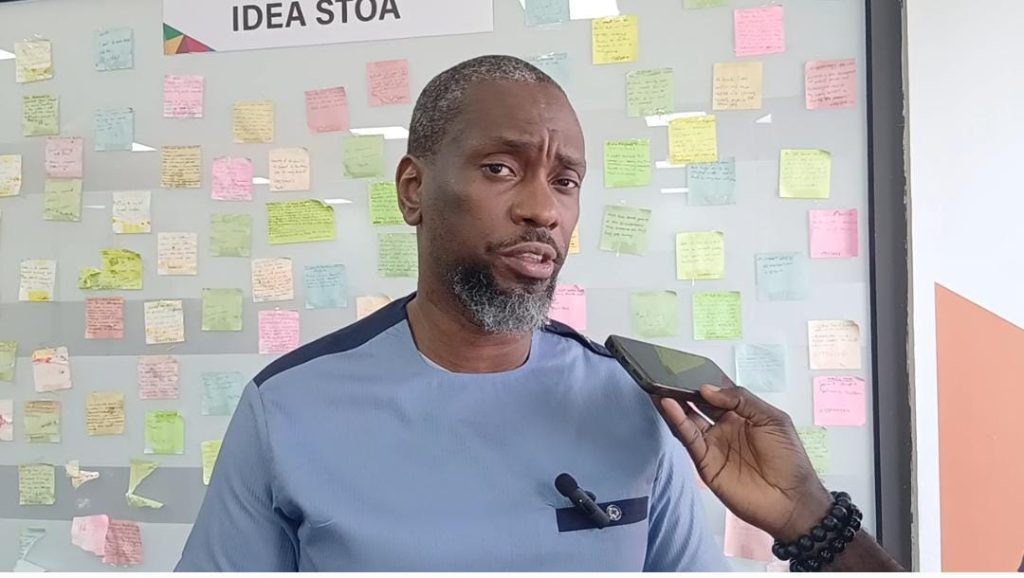
Mr. Musavuli explained in a press interview that while AI often captures public attention, it is data—the raw material powering AI systems—that holds the real value.
“The ordinary citizen doesn’t even know the discussion around AI or data,” he noted. “People willingly give away data that has immense value, yet they do not benefit from it. Meanwhile, companies are making far more than any individual could earn on social media.”
He said the provocative theme was deliberately chosen to liken unregulated data extraction to “galamsey,” the illegal mining of gold in Ghana. According to him, just as the country worries about the exploitation of its mineral resources, citizens must begin questioning how their digital data is harvested and monetised without corresponding benefits.
Mr. Musavuli pointed to global examples where data has been codified as a national resource, stressing that African countries must adopt similar approaches. He revealed that Ghana’s data protection and cybersecurity frameworks require urgent updates, especially in light of sophisticated AI models such as Claude.
“I am aware there are about 13 bills relating to data protection and cybersecurity before Parliament,” he said. “But the same companies benefiting from people’s ignorance will lobby lawmakers. If citizens are not informed, their voices will not shape these laws.”
He added that public engagement is critical to ensuring that data is recognised as a national asset and protected accordingly. “When you created your social media account, you didn’t know someone was monetising your activity. Now that you know, you can make informed choices and demand accountability from policymakers.”
The Beyond AI Movement, he indicated, is not a one-off initiative but a sustained campaign to bridge the gap between experts and everyday citizens. Monthly engagements are planned, culminating in a major conference slated for August 14–15.
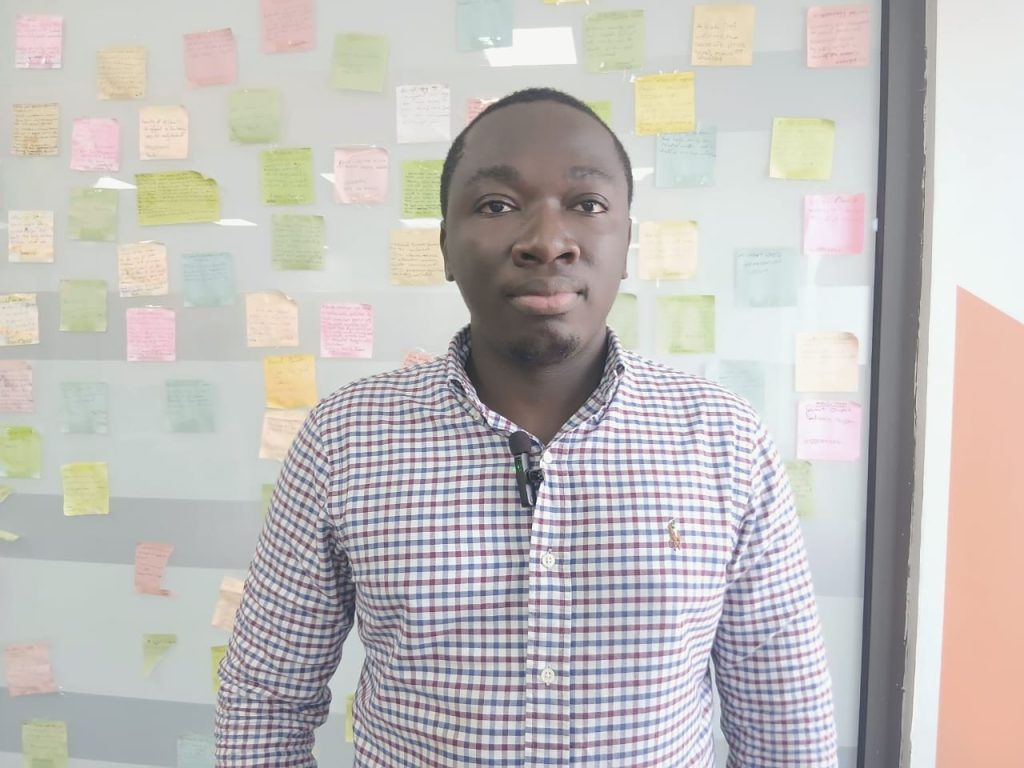
Also speaking at the workshop, Senior Tech Consultant Kofi Amponsah-Okyere highlighted what he described as a glaring imbalance in global data economics.
“Africa contributes about 21 per cent of global data movement, yet the continent receives only about one to two per cent of the value generated from it,” he stated. “That discrepancy shows that companies are taking advantage of the data Africans provide.”
He cautioned citizens against indiscriminately granting app permissions, noting that many so-called “free” platforms turn users into products. “If a weight management app is requesting access to your contacts, location and audio recordings, you must question it. If it’s too intrusive, find an alternative,” he advised.
While acknowledging government efforts to strengthen data governance, Mr. Amponsah-Okyere said more must be done. “Government may set the right policies, but if individuals do not take responsibility for protecting their own data, everything loses meaning. We must start from the ground up and then demand accountability.”
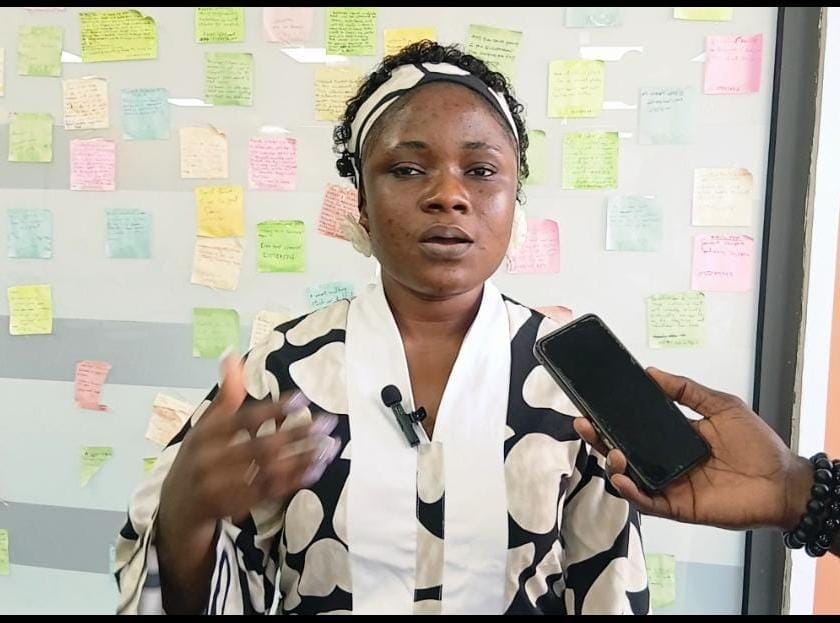
Host of the panel discussion, Princess Yanney, described the engagement as timely and empowering.
“The questions from participants were genuine concerns people have had for a long time but didn’t know who to ask,” she said. “Today, they found a space to speak and receive answers.”
She emphasised that awareness alone is insufficient without sustained civic pressure on lawmakers. “Africa has suffered exploitation of its gold and artifacts for centuries. Today, the new reality is data. We must ask: Who is benefiting? How does it return value to us? Are we safe?”
Princess Yanney urged citizens to remain vigilant and actively question both corporations and public officials on data governance. “We must keep them on their toes and remind them that we are conscious and concerned,” she said.
The workshop concluded with a renewed call for digital literacy, stronger legislation and citizen activism to ensure that Africa’s emerging digital wealth does not become another exploited resource.