


Story by Eugene Nyarko Jnr. I Alisa Hotel, Accra l Wednesday, August 19, 2026
African countries have been urged to significantly increase investment in primary healthcare and preventive services to reduce the rising financial burden associated with non-communicable diseases (NCDs).
A Senior Research and Policy Analyst and Team Lead for Economic Wellbeing, Dr Jackson Otieno, said the high cost of managing advanced NCDs made it necessary for governments to shift greater resources towards prevention, screening and early diagnosis.
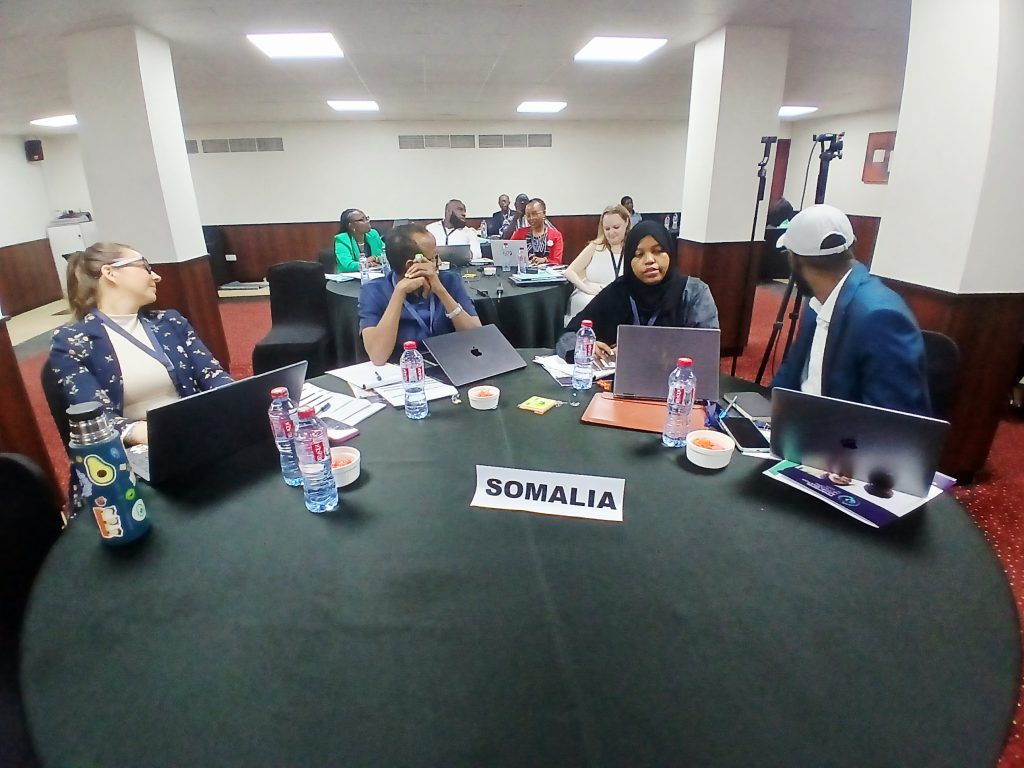
He made the call at the Sub-Saharan Africa Cross-Country Learning Workshop, dubbed the Financing Accelerator Network for NCDs (FAN), at the Alisa Hotel in Accra.
The workshop, which runs from August 19 to 20, 2026, is on the theme: “Accelerating Integration of NCD Services, Essential Medicines, and Diagnostics within UHC Reforms.”
Dr Otieno said households dealing with serious diseases such as cancer could face extremely high treatment costs, with household expenditure in some cases exceeding 90 per cent when the direct cost of treatment and the economic value of caregiving were considered.
He said the situation demonstrated the urgent need for African countries to rethink the way they financed healthcare.
According to him, many diseases had historically been financed vertically, with separate financing arrangements for HIV, maternal healthcare and other conditions.
He questioned why countries should continue financing diseases separately when the government and the sources of public revenue remained the same.

Dr Otieno advocated an integrated approach to health financing that would focus on the entire range of health services required by populations.
He identified primary healthcare as the most important component of health service delivery, particularly for NCD prevention and early detection.
He called for community-level health workers to be properly equipped to screen people for hypertension, diabetes and other NCD risk factors.
He said community health workers should be capable of identifying NCD conditions before patients progressed to higher levels of diagnosis and treatment.
Dr Otieno also proposed that NCD screening should be incorporated into national health insurance processes.

He said insured persons could undergo routine NCD screening as part of the renewal or commencement of their insurance coverage.
He explained that early detection would reduce the cost of treatment because advanced NCDs were considerably more expensive to manage.
He therefore urged governments to devote more resources to prevention, screening, nutrition education and health promotion.
“Prevention is better than cure,” he said, stressing that health insurance schemes would become difficult to sustain if they were predominantly utilised by patients requiring expensive treatment for advanced diseases such as cancer.

Dr Otieno further called for increased government investment in health.
He said countries should invest at least five per cent of their Gross Domestic Product in health, while governments should work towards the Abuja commitment of allocating at least 15 per cent of national revenues to the sector.
He noted that average health investment in Africa remained below those benchmarks.
He also cited a World Health Organisation benchmark of at least US$86 per capita in health expenditure, but said countries that had fallen behind would require significantly more resources to catch up.
Dr Otieno said Ghana had taken important steps towards strengthening health financing, including redirecting certain tax revenues towards health insurance.
He described Ghana as increasingly becoming a model for other countries but cautioned that increased health financing must also be accompanied by proper prioritisation.

He urged governments to ensure that additional resources were channelled towards preventive and promotive health services.
He warned that excessive spending on curative services for NCDs could have wider economic consequences, including reduced productivity and declining revenues.
According to him, the economic cost of NCDs should therefore be considered beyond the direct cost of medical treatment.