
By Eugene Nyarko Jnr.
Vision for Accelerated Sustainable Development Ghana (VAST Ghana), in partnership with NCD Alliance Ghana, has called on the government to intensify efforts to combat the country’s growing drug and substance abuse problem through sustained investment in prevention, education, law enforcement and youth empowerment.
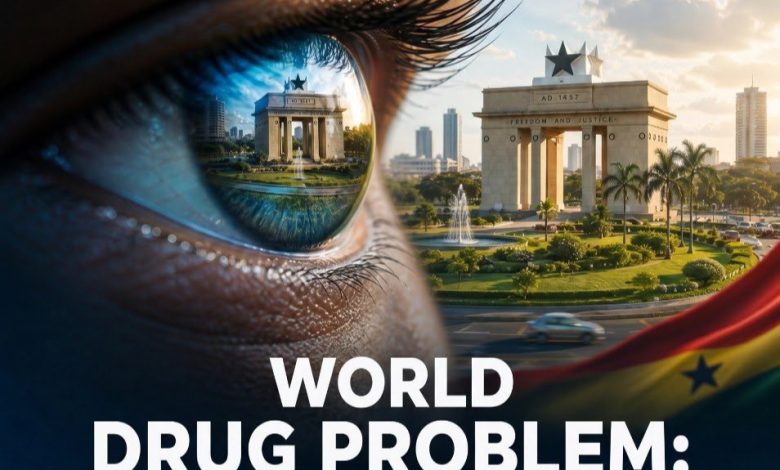
In a statement issued to mark the 2026 International Day Against Drug Abuse and Illicit Trafficking, observed under the theme, “The World Drug Problem: Persisting Issues, New Challenges, Innovative Responses,” the organisation warned that substance abuse has become a major public health and national development challenge extending beyond illicit drugs.
According to VAST Ghana, young people are increasingly exposed to a wide range of addictive substances, including tramadol, marijuana, cocaine, heroin, methamphetamine, tobacco, alcohol, electronic nicotine delivery systems, prescription medicines and even household substances.
The organisation said although the substances differ in their legal status, they all have devastating consequences for health, education, family life and the country’s future workforce.
It noted that across schools, communities and social media platforms, young people are being lured into substance use through false promises of social acceptance, stress relief and improved performance, while the risks of addiction, mental illness, violence, injury and chronic diseases remain largely concealed.
VAST Ghana stressed that drug abuse should no longer be viewed solely as a law enforcement issue but as a public health, education, social protection, human rights and national development concern requiring coordinated national action.
The statement highlighted the increasing misuse of tramadol among the youth, often consumed in dangerously high doses to enhance physical performance or cope with stress. It also cited growing cases of superglue sniffing, cough mixture abuse, marijuana-infused local drinks and foods, as well as the emerging recreational misuse of nitrous oxide.
The organisation further expressed concern over the aggressive promotion of shisha and electronic nicotine delivery systems, describing the country’s addiction landscape as both complex and rapidly evolving.
Quoting global and national statistics, VAST Ghana noted that tobacco claims more than eight million lives annually worldwide and is responsible for approximately 6,700 deaths in Ghana each year, costing the country an estimated $600 million in healthcare expenses and productivity losses.
It added that alcohol continues to contribute significantly to liver disease, cardiovascular complications, mental health disorders and road traffic fatalities, with the Mental Health Authority recording 3,765 alcohol-related mental health disorders in 2023.
The organisation also referenced a 2025 study published in the BMC Public Health, which found that more than half of Ghanaian secondary school students had consumed alcohol, nearly one in five had used marijuana and over one in ten had smoked tobacco, with most beginning between the ages of 16 and 18.
VAST Ghana argued that these trends are not accidental but are influenced by aggressive marketing and commercial interests seeking to recruit young people into lifelong dependency.
While acknowledging ongoing government interventions, the organisation commended the Ministry of Education’s nationwide Behavioural Change Communication campaign, the Ministry of Youth’s “Red Means Stop” initiative, the Food and Drugs Authority’s “DAABI Say No to Drugs” campaign and the leadership of the Narcotics Control Commission in this year’s nationwide World Drug Day activities.
The organisation, however, maintained that much more remains to be done.
It advocated integrating drug prevention firmly within the education system by training school counsellors to identify early signs of substance abuse and strengthening collaboration with the Ghana Education Service’s school health programme.
VAST Ghana also called for civil society organisations, community leaders and local institutions to receive training to deliver evidence-based prevention programmes, identify vulnerable youth and facilitate referrals for treatment and rehabilitation.
The organisation further urged government to tackle youth unemployment, arguing that economic exclusion leaves many young people vulnerable to recruitment into substance abuse and drug trafficking.
It also recommended adopting comprehensive drug awareness and enforcement strategies modelled on the World Health Organization Framework Convention on Tobacco Control while protecting public policies from industry interference.
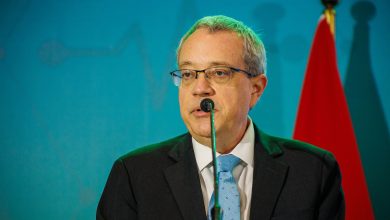
Youth Advocate with VAST Ghana, Winston Deladem Gamor, said the country’s response should prioritise saving lives rather than punishment.
“The true measure of our response to drug abuse is not how many lives we punish, but how many lives we protect and help reclaim their potential. Behind every statistic is a human story that deserves empathy, not judgment.”
Executive Director of VAST Ghana, Labram Musah, urged policymakers to confront both illicit and legally available addictive substances with equal urgency.
He said Ghana’s children are being targeted in schools, communities and online through substances ranging from tramadol and marijuana to shisha, tobacco and alcohol, making stronger enforcement, better-equipped schools and greater political commitment essential.
VAST Ghana concluded by calling on government, regulators, educators, parents, health professionals, civil society organisations and communities to move beyond rhetoric and invest meaningfully in prevention, stronger regulation and youth protection, insisting that safeguarding public health must take precedence over commercial interests.