

Story by Eugene Nyarko Jnr. l Alisa Hotel, Accra l Monday, September 28, 2026 —
The Ghana Audit Service (GAS) has identified significant regulatory and monitoring gaps in the operations of the National Petroleum Authority (NPA), including expired licences for petroleum haulage vehicles and malfunctioning automatic tank gauging systems.
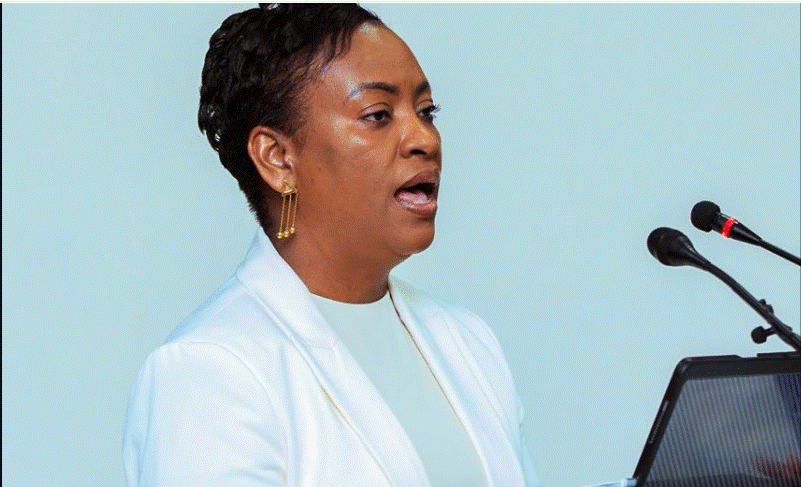
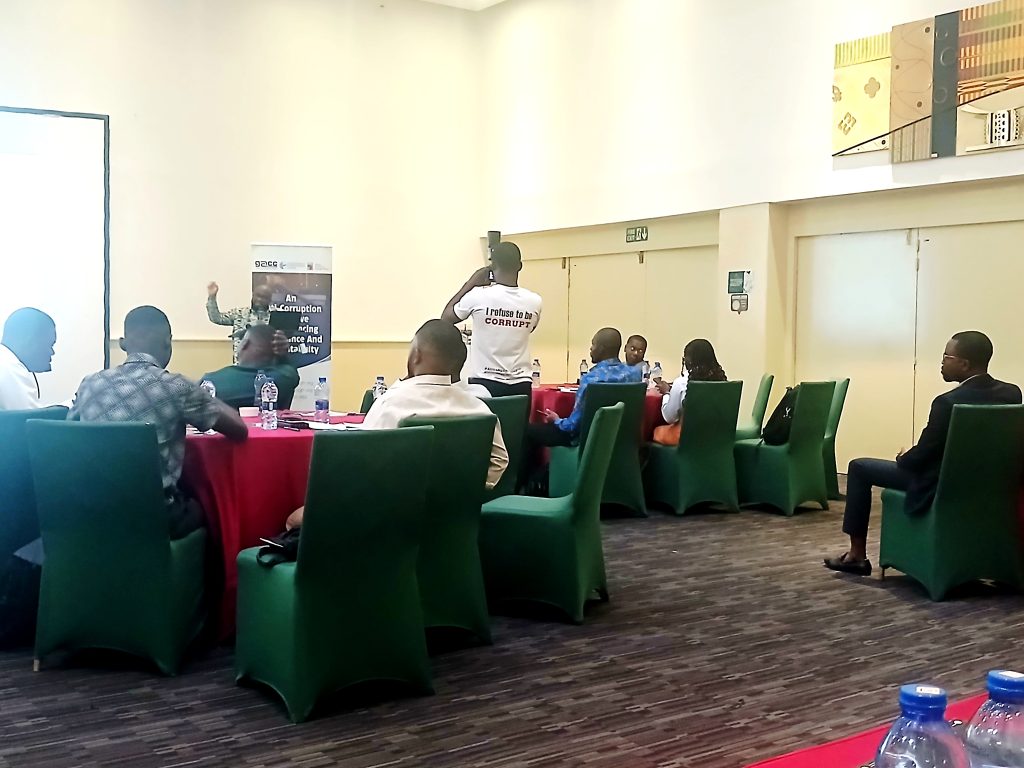
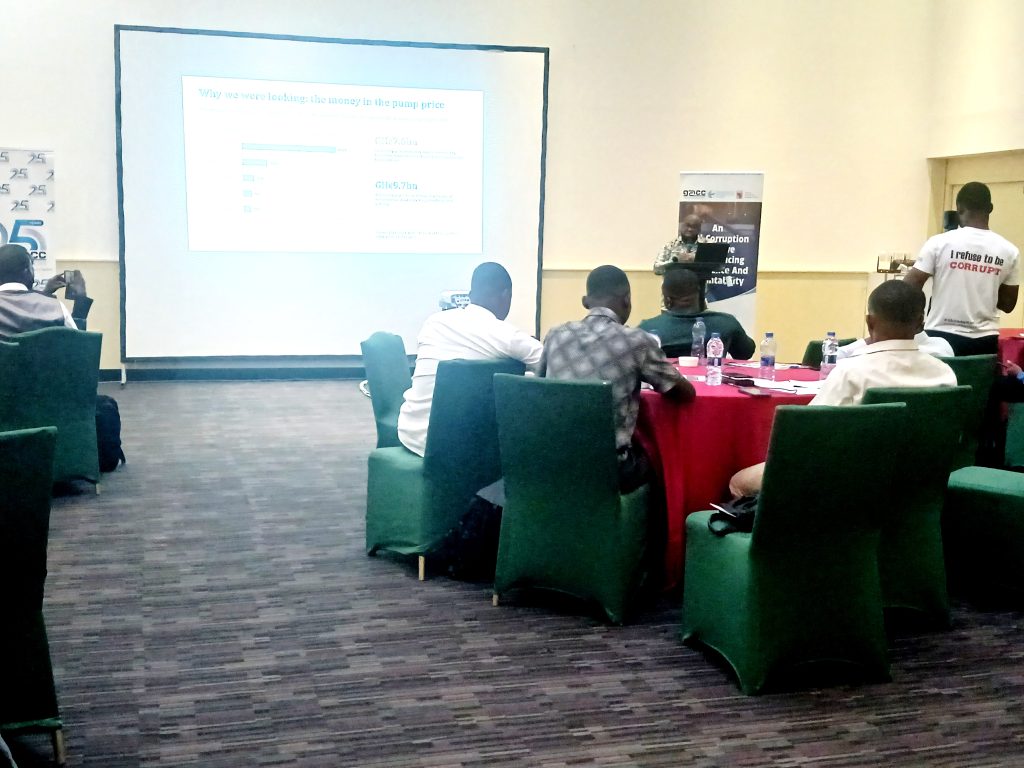
The findings were disclosed by the Deputy Director-General in charge of Performance and Special Audit at the GAS, Mr Samuel Frimpong-Manso, during an anti-corruption initiative for enhancing governance and accountability media training on the Auditor-General’s 2025 Performance Audit Report on the operations of the NPA in Accra.
Mr Frimpong-Manso said the performance audit was intended to assess whether the operations of the NPA were aligned with its mandate and regulatory obligations in the downstream petroleum sector.
He said petroleum products were critical to the Ghanaian economy, serving the transportation, power generation, domestic, industrial and fishing sectors, among others.
He noted that the NPA’s mandate included licensing, monitoring and enforcing operational standards among petroleum service providers, while ensuring consumer protection, revenue accountability, product quality and safety.
Mr Frimpong-Manso said the audit was therefore important in assessing the effectiveness and efficiency of the Authority’s regulatory operations.
He urged journalists participating in the training to study the audit report thoroughly to ensure accurate and informed reporting of its findings.
He said the media had a crucial role to play in promoting transparency and accountability and expressed the hope that the engagement would deepen journalists’ understanding of the audit findings and contribute to constructive dialogue on strengthening regulation, accountability, efficiency and value for money in the downstream petroleum sector.
Licensing gaps
Speaking in an interview after the training, the Programmes Officer of the Ghana Anti-Corruption Coalition (GACC), Samuel Harrison-Cudjoe, said one of the issues highlighted in the audit report concerned the licensing status of petroleum haulage vehicles.

He said the audit covered about 3,900 vehicles, of which approximately 48.7 per cent were not licensed at the time of the audit because their licences had expired.
According to him, although the NPA had granted a grace period up to March 31 for affected operators to regularise their licences, the situation represented a regulatory gap and a potential safety and insurance risk.
He explained that an unlicensed vehicle transporting petroleum products on the country’s roads could create complications in the event of an accident, including questions over insurance coverage.
Tank gauging concerns
Mr Harrison-Cudjoe also cited concerns surrounding the automatic tank gauging system (ATGS), which is intended to facilitate monitoring of petroleum product volumes.
He said 4,000 ATGS units had been paid for, with 3,443 installed at the time of the audit.
However, he said a random check of 23 of the installed units found that 11 were not functioning.
He said the finding raised questions about the effectiveness of the systems and the need to ensure that equipment procured with public funds was operational.
“If we have paid for something, then we need to be sure that what we have paid for is working,” he said.
Corruption risks
Mr Harrison-Cudjoe stressed that the audit report did not accuse any individual or organisation of corruption.
He said the concern of civil society was the existence of gaps in enforcement and regulation that could potentially be exploited by individuals seeking to cause financial losses to the country.
“The report doesn’t lay a claim of corruption on anybody,” he said, adding that it instead highlighted “certain gaps in enforcement, gaps in regulation that we need to close.”
He said closing such gaps was necessary to strengthen the country’s ability to secure the revenue due from the petroleum sector.
Mr Harrison-Cudjoe further explained that weaknesses in regulation and enforcement could create opportunities for revenue losses and, potentially, personal gain at the expense of the state.
He said the identified gaps should therefore be treated as corruption risks requiring stronger controls and enforcement.
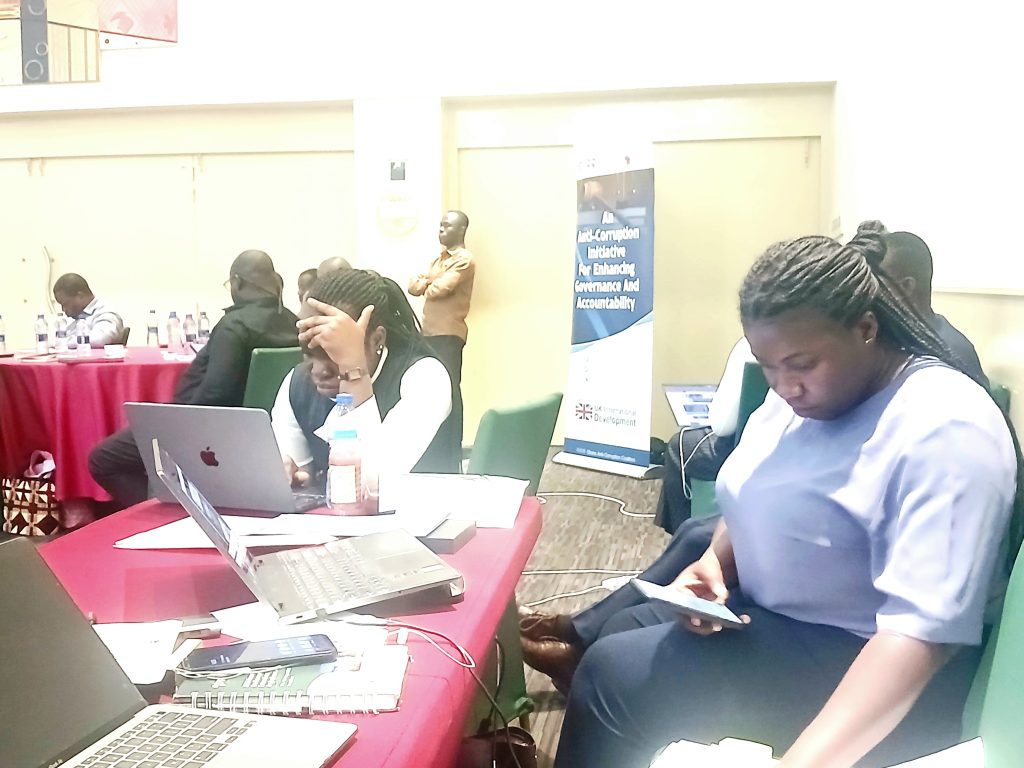
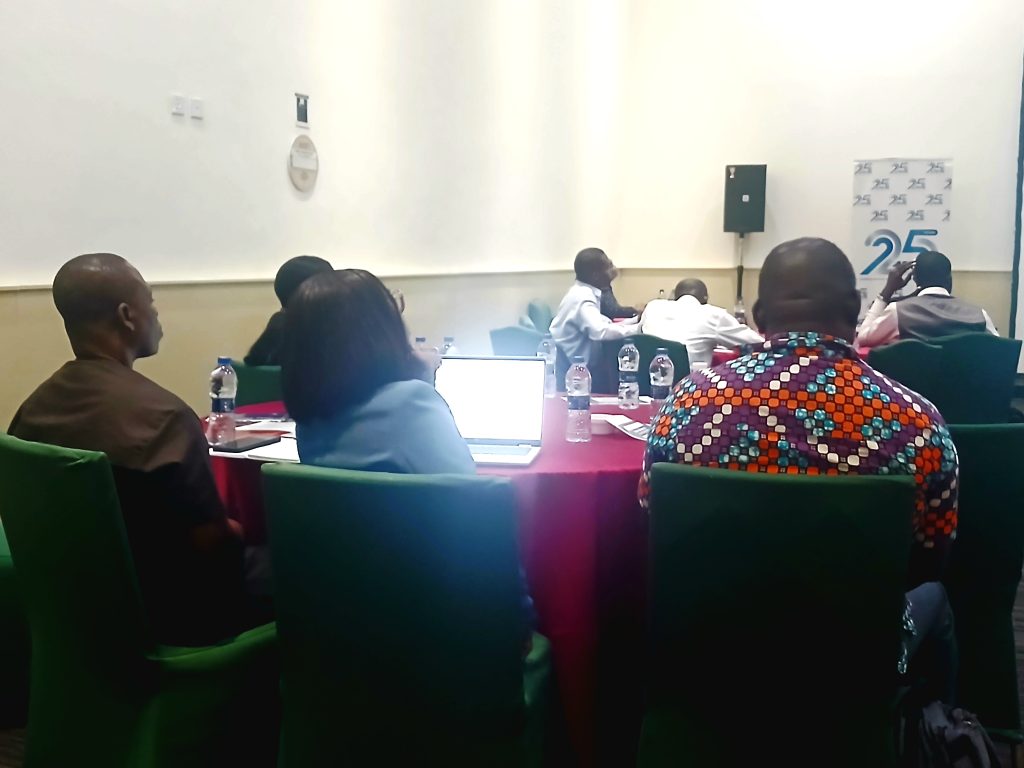
The media training was organised as part of efforts to enhance journalists’ understanding of the Auditor-General’s performance audit findings and promote informed public discussion on accountability and governance in Ghana’s downstream petroleum sector.