
NDPC Launches 2025 National Annual Progress Report, Highlights Economic Gains and Persistent Development Challenges

Story by Eugene Nyarko Jnr. I NDPC, Accra I Thursday, July 16, 2026
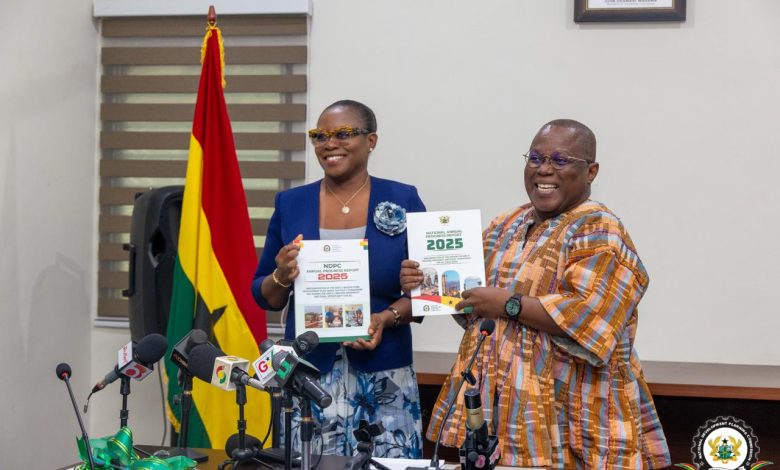
The National Development Planning Commission (NDPC) has officially launched its 2025 National Annual Progress Report (APR), describing the document as a critical instrument for strengthening public accountability, transparency and evidence-based national development planning.
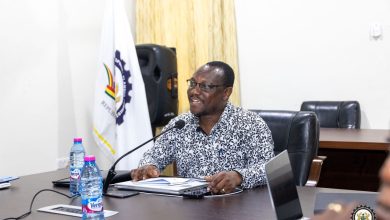
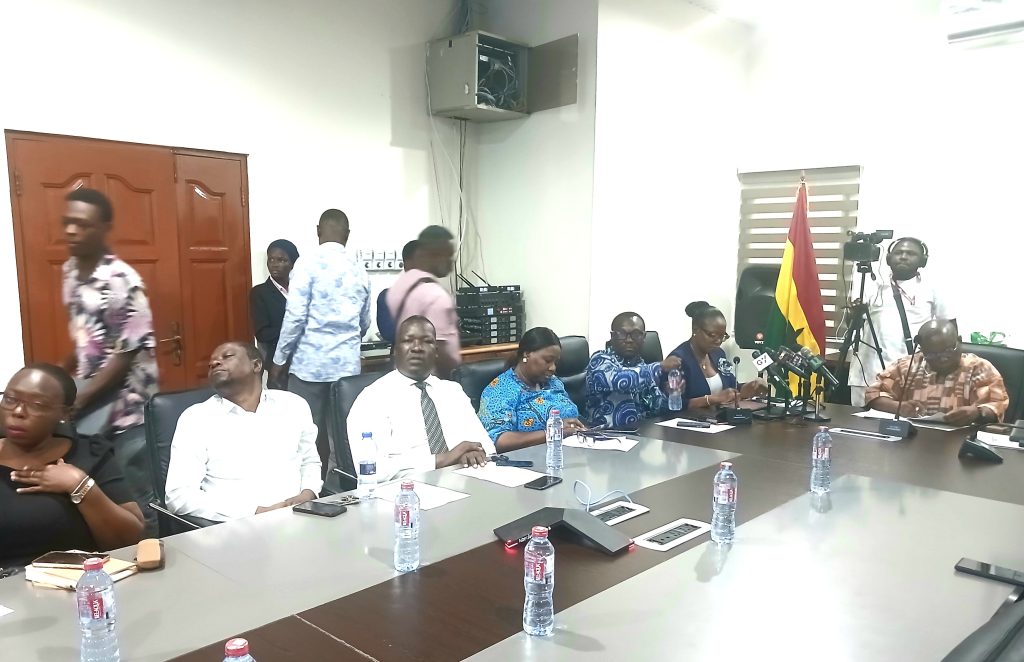
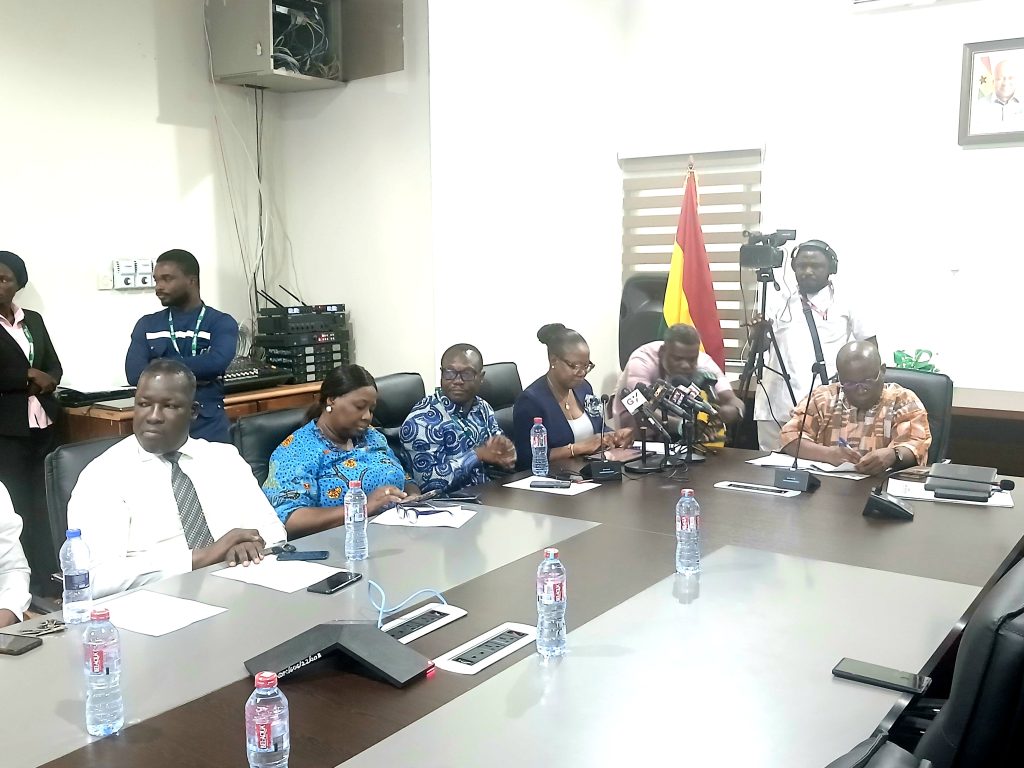
The launch formed part of a media engagement organised by the Commission at its Main Conference Room in Accra on Thursday, July 16, 2026.
Delivering the opening remarks, Chairman of the NDPC, Dr. Nii Moi Thompson, said the 2025 National Annual Progress Report was the fourth and final report assessing the implementation of the Agenda for Jobs, providing an objective assessment of Ghana’s development performance during the reporting year and concluding the reporting cycle under the national policy framework.
He said the report was more than a statistical document, stressing that it served as a national learning and accountability instrument to help government and other stakeholders understand what was working, what required improvement and where additional policy attention was needed.
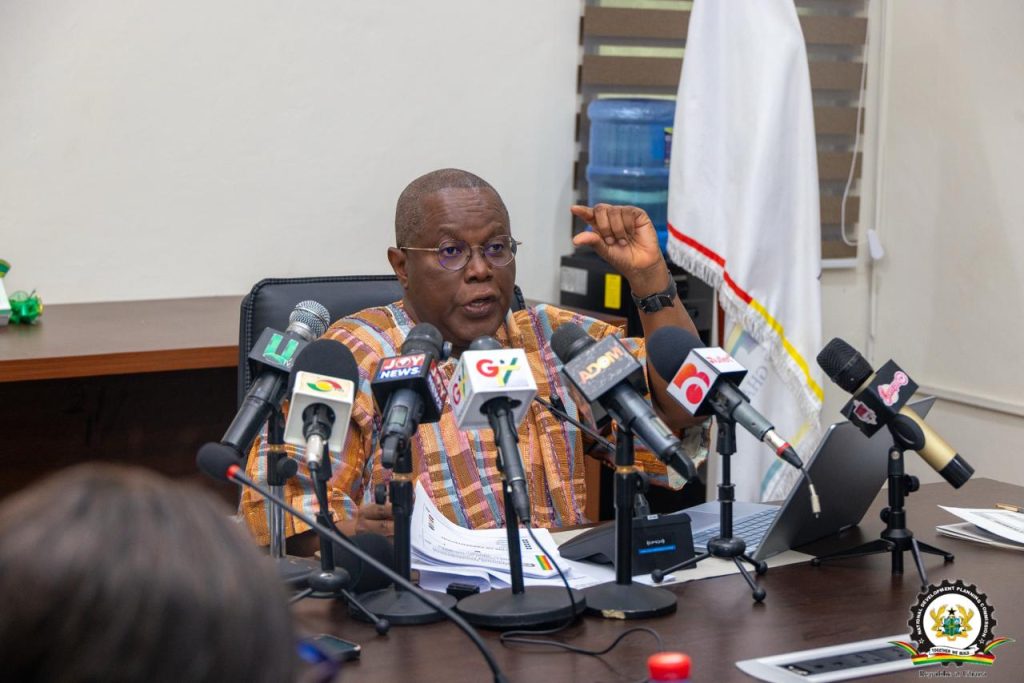
According to Dr. Thompson, the constitutional responsibility of the Commission to monitor, evaluate and report on the implementation of national development policies, programmes and projects made the preparation of the Annual Progress Report an essential accountability exercise.
He said the report provided government, Parliament, development partners, researchers, civil society organisations and citizens with credible evidence on Ghana’s development performance.
“Ultimately, it seeks to answer one important question: Are national development policies improving the lives of the people?” he asked.
Dr. Thompson explained that development could not be measured solely by the number of policies formulated or projects implemented, but rather by improvements in the living standards of the people.
He noted that development was reflected in better schools, quality healthcare, decent employment opportunities, improved infrastructure, stronger institutions and greater opportunities for citizens.
The NDPC Chairman said the 2025 report adopted a balanced approach by recognising progress made while also identifying persistent challenges.
He said the report recorded encouraging improvements in several macroeconomic indicators, including stronger economic growth, lower inflation, improved fiscal performance and a reduction in public sector debt.
However, he noted that significant challenges remained, particularly in the areas of youth unemployment, maternal health outcomes and implementation capacity for service delivery.
Dr. Thompson said evidence-based planning required honesty and the willingness to acknowledge both successes and challenges, stressing that statistics should not be viewed in isolation because behind every indicator were families, communities, businesses and livelihoods.
He further described the media as indispensable partners in national development, noting that journalists played a crucial role in shaping public understanding, stimulating informed debate, promoting accountability and building public trust.
He therefore urged media practitioners to approach the report and its findings with professionalism, balance and a commitment to factual reporting.
For her part, the Director-General of the NDPC, Dr. Audrey Smock Amoah, said the purpose of the media engagement was to ensure that journalists, editors, reporters, analysts and other stakeholders gained a clear understanding of the contents of the 2025 National Annual Progress Report before its full entry into the public domain.
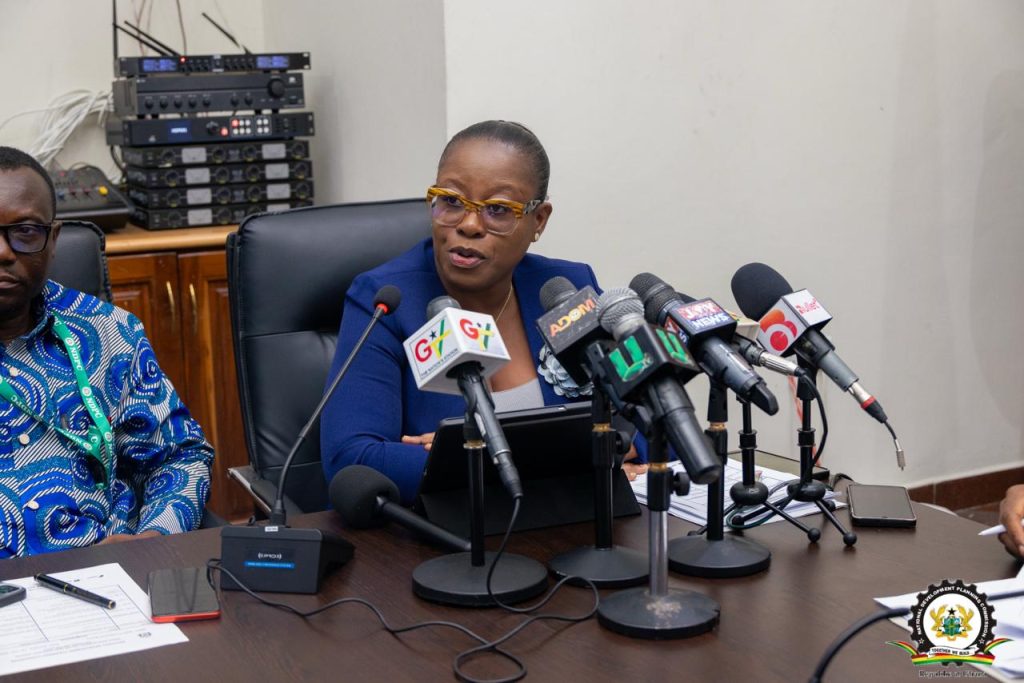
She explained that although the report had already been published on the Commission’s website, the NDPC believed that development evidence should not merely be published but must also be properly understood.
Dr. Amoah said national development reports often contained complex information that could easily be misunderstood when statistics were presented without adequate explanation or context.
She said the Commission’s objective was therefore to ensure that reporting on Ghana’s development performance was factual, balanced and grounded in a proper understanding of the evidence.
According to her, the report was the product of nationwide monitoring and evaluation exercises coordinated by the NDPC and drew on annual progress reports submitted by ministries, departments and agencies, metropolitan, municipal and district assemblies, as well as regional coordinating councils.
The information, she added, was complemented by official statistics and administrative data from national institutions responsible for the production of data.
She said the Commission subsequently subjected the data to rigorous verification, validation, analysis and synthesis, with datasets examined for consistency and completeness.
Emerging trends were analysed and performance assessed against agreed indicators and targets, while the findings underwent technical reviews by cross-sectoral planning groups in line with Legislative Instrument 2402 before the report was finalised.
Dr. Amoah said the document was subsequently approved by the Commission, whose membership comprised representatives from Ghana’s 16 regions, selected ministers, academia, subject-matter experts and professional bodies.
She explained that the technical presentation of the report would focus on findings across various development dimensions, key implementation achievements, emerging challenges, lessons learned and recommendations for strengthening policy implementation.
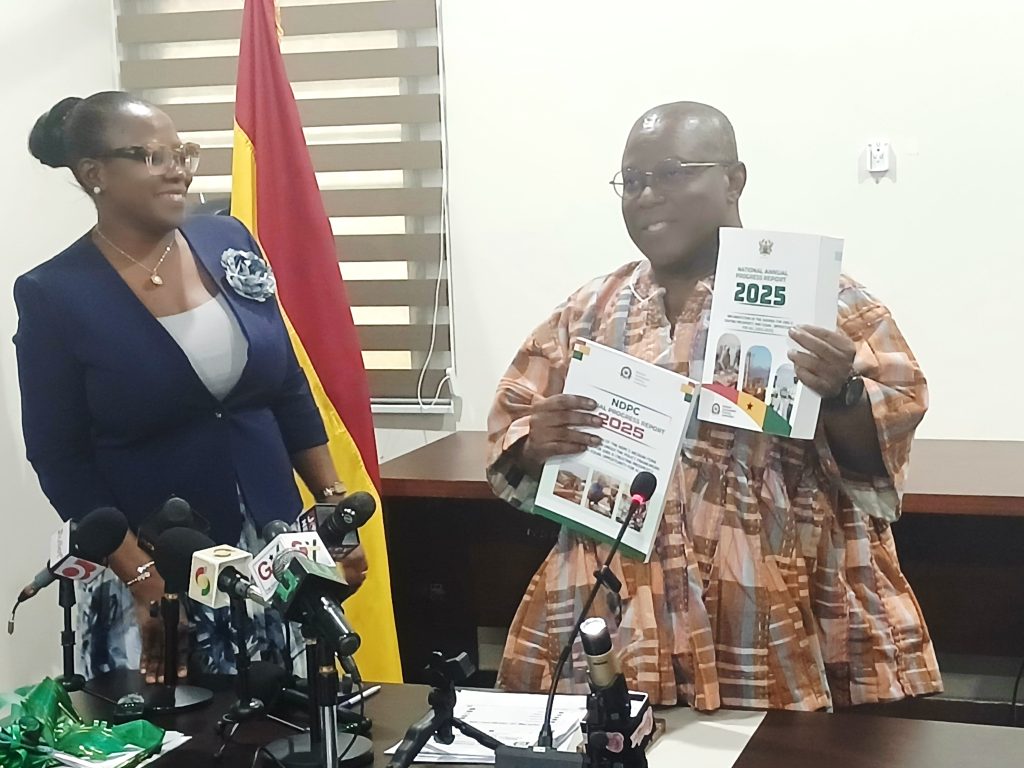
The Director-General said the media engagement was not merely about presenting a report but about promoting understanding, strengthening the use of evidence in public discourse and ensuring that discussions on Ghana’s development were informed by facts rather than speculation.
She called for continued media support in promoting accurate, balanced and responsible reporting of the findings contained in the 2025 National Annual Progress Report.