
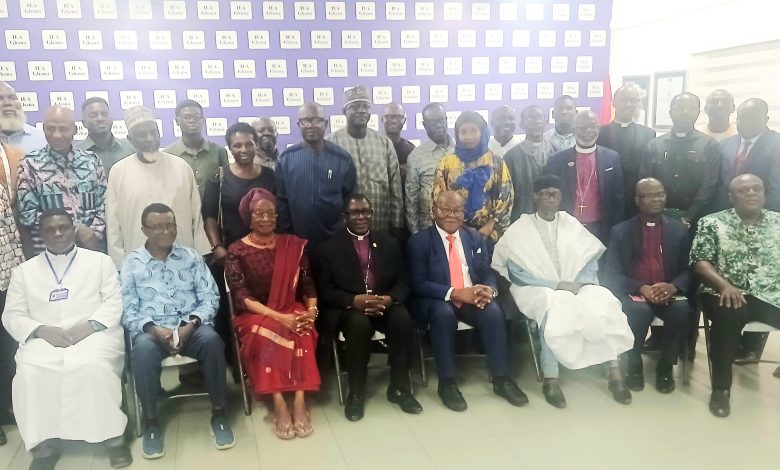
Story by Eugene Nyarko Jnr. l IEA, Accra l Tuesday, September 29, 2026 —
Religious leaders have called for a broad-based, inclusive and carefully considered approach to the review of Ghana’s 1992 Constitution, stressing the need to strengthen state institutions, reduce excessive presidential powers and promote long-term national development.
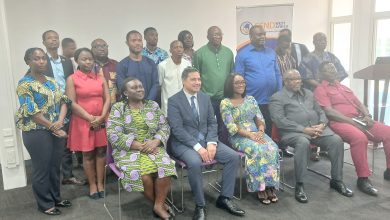
They made the call at the Institute of Economic Affairs (IEA) forum on “Views and Reflections: The Prempeh Committee’s Report and Government’s Position on Constitutional Review (Religious Leaders)” in Accra.
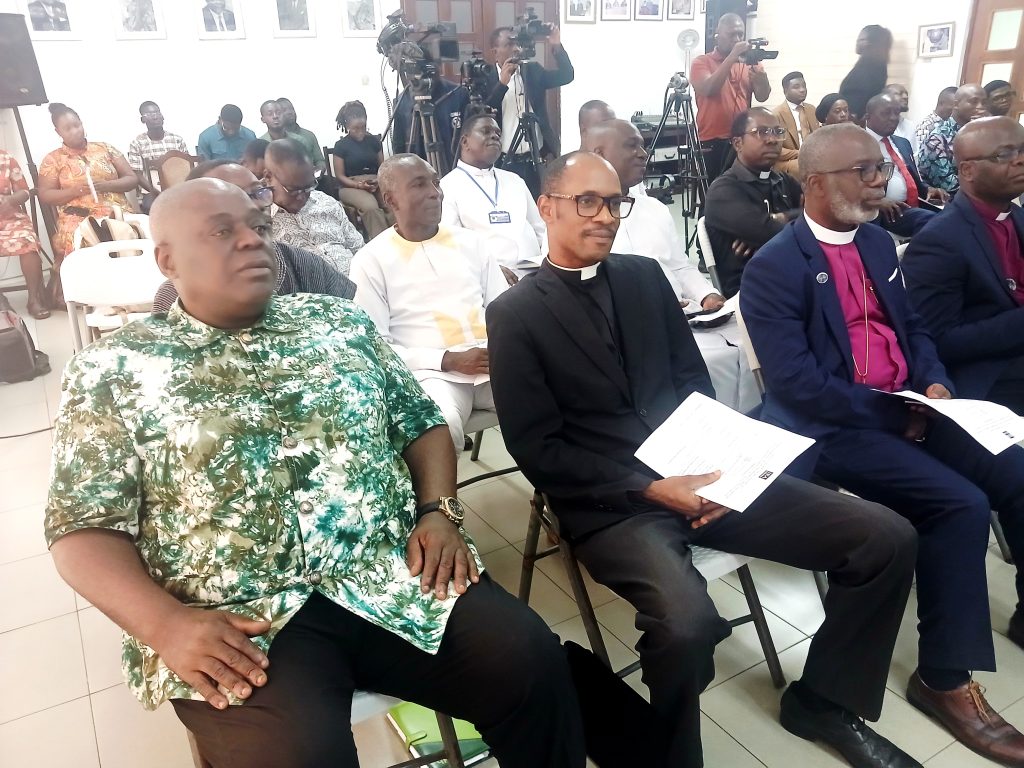
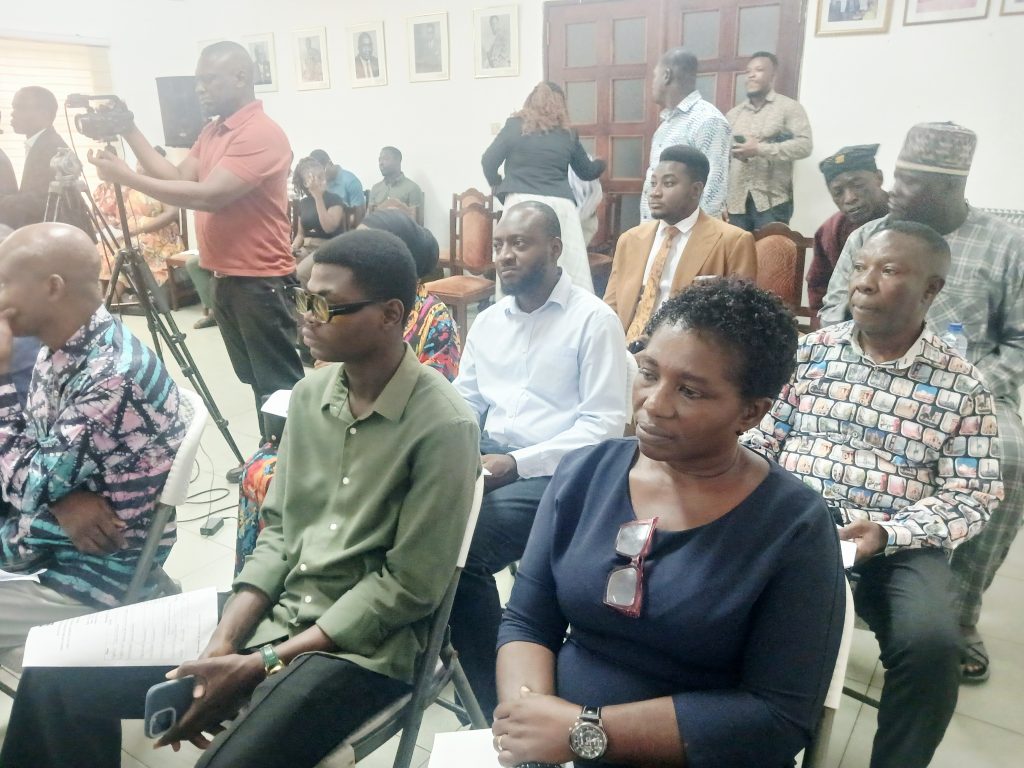
The forum brought together Christian and Muslim leaders, former public officials, constitutional experts and other stakeholders to discuss the recommendations of the Constitution Review Committee (CRC), chaired by Professor H. Kwasi Prempeh, and the government’s position on the proposals.
The CRC submitted its report, titled “Transforming Ghana: From Electoral Democracy to Developmental Democracy,” to President John Dramani Mahama following a nationwide consultation. An 11-member Constitution Review Implementation Committee (CRIC) was subsequently inaugurated in August 2026 to examine the government’s position paper and develop a framework for implementing proposals arising from the review process.
Reduce presidential appointment powers
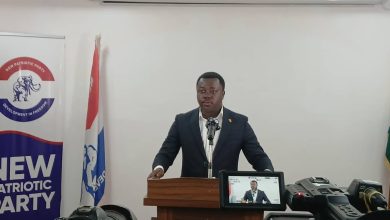
The President of the Africa Methodist Council, Most Rev. Dr. Paul Kwabena Boafo, who presented the Christian Council of Ghana’s position, said the review should preserve the achievements of the 1992 Constitution while addressing weaknesses exposed by more than three decades of constitutional practice.
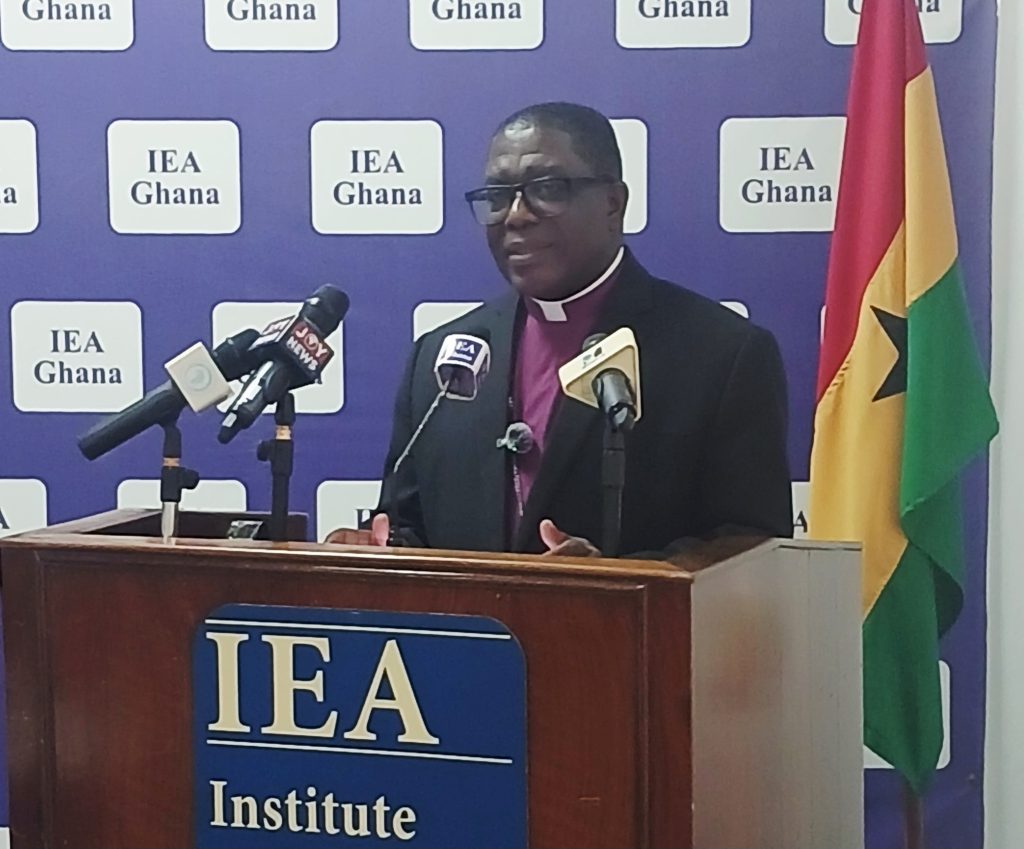
He said the Church supported reforms aimed at substantially reducing the President’s appointing powers, particularly in relation to independent constitutional bodies.
“Where the office is an independent constitutional body, the appointing powers of the President should be limited and allow other key stakeholders to determine appointments,” he said.
He called for greater transparency and merit in public appointments, accountability for presidential appointees, measures to avoid conflicts of interest and clearer transition arrangements.
The Christian Council also supported strengthening the independence, professionalism, funding and accountability of institutions including the Electoral Commission, CHRAJ, NCCE, National Media Commission, Auditor-General and Public Services Commission.
Most Rev. Dr. Boafo, however, stressed that institutional independence should not mean an absence of accountability.
Four-year presidential term
The Christian Council rejected the proposal to extend the presidential and parliamentary terms from four to five years.
Most Rev. Dr. Boafo said four years should be sufficient for an elected government to implement its programme if there was continuity in national development policies.
“The real issue at stake is whether an elected government is willing to continue the implementation of previous government policies,” he said.
He argued that extending the electoral cycle would not by itself resolve the problem of abandoned development projects whenever there was a change of government.
The position is consistent with the IEA’s previously stated opposition to the proposed five-year term, while the government has accepted the extension on the grounds that an additional year would provide more time for policy formulation, implementation and assessment.
Independent development planning
The Christian Council strongly supported the proposal to strengthen the National Development Planning Commission (NDPC) as an independent institution responsible for coordinating and monitoring a binding long-term national development plan.
Most Rev. Dr. Boafo said such an arrangement would help prevent successive governments from abandoning projects initiated by their predecessors.
He said Ghana needed a development framework that would survive changes in political administration and link annual national budgets to long-term national development objectives.
The IEA has similarly backed an independent NDPC with authority to formulate binding long-term development plans, arguing that such a framework could provide continuity instead of allowing each change of government to reset the country’s development agenda.
Sheikh Shaibu questions relevance of ongoing consultations
The Spokesperson for the National Chief Imam, Sheikh Aremeyaw Shaibu, questioned the relationship between the ongoing public consultations and the work of the newly established Constitution Review Implementation Committee.
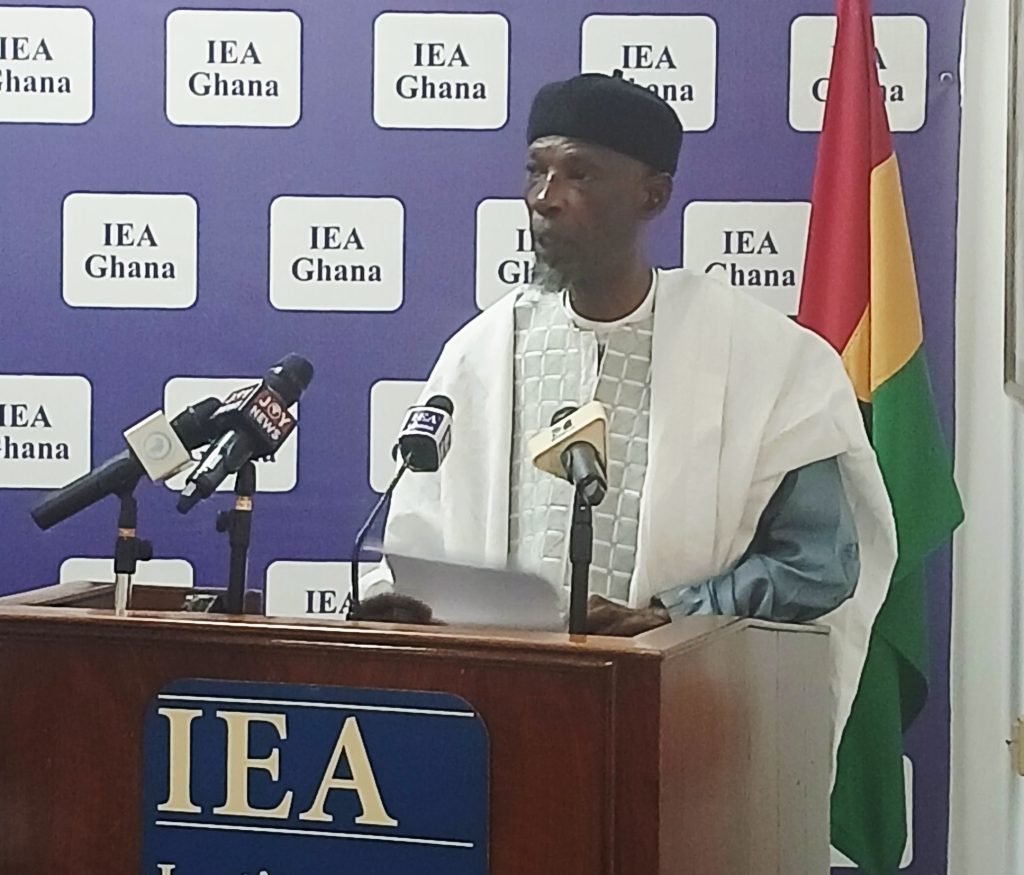
He asked whether the views being expressed at the IEA forums would be incorporated into the work of the CRIC, given that the government had already issued its position paper and established the implementation committee.
“What is the relevance of this ongoing exercise? Does the exercise have any place in the work of the CRIC?” he asked.
He said the question should be addressed to ensure that the ongoing public discourse remained meaningful.
Age limit for presidency
Sheikh Shaibu also expressed reservations about the proposal to reduce the minimum age for presidential candidates.
He argued that national leadership required experience, exposure, mentorship and emotional maturity, while acknowledging that young people had important contributions to make to national development.
He therefore supported retaining the existing minimum age requirement rather than reducing it.
He also backed stronger restrictions on actions by outgoing governments during the post-election transition period, particularly last-minute appointments and contracts.
Electoral Commission appointments
On the Electoral Commission, Sheikh Shaibu supported a more transparent and merit-based appointment process involving an independent body such as the Public Services Commission.
He said the credibility of elections depended substantially on public confidence in the institutions responsible for organising them.
According to him, perceived political affiliations of appointees could deepen public suspicion of the Electoral Commission and undermine confidence in election results.
He therefore supported an appointment system designed to minimise political influence and ensure that commissioners were broadly accepted as independent and credible.
Strengthen existing anti-corruption bodies
Sheikh Shaibu supported stronger constitutional measures to combat corruption but questioned whether the creation of another anti-corruption institution would solve the problem.
He pointed to existing institutions, including the Office of the Special Prosecutor, the Auditor-General and Parliament’s Public Accounts Committee, and called for them to be strengthened.
“The creation of new commission is not the answer,” he said, stressing the need to make existing institutions more effective.
He also supported proposals relating to unexplained wealth and lifestyle audits, arguing that stronger legal provisions would be necessary if Ghana was to make meaningful progress in the fight against corruption.
NCCE needs adequate funding
The National Chief Imam’s spokesperson also called for stronger constitutional support and adequate funding for the National Commission for Civic Education (NCCE).
He described the NCCE as central to developing responsible citizens who understood their civic rights and responsibilities.
He said the institution played an important role in nurturing citizens who were honest, patriotic and committed to protecting national property and contributing to national development.
Sophia Akuffo urges caution
Former Chief Justice, Justice Sophia Akuffo, urged stakeholders not to rush the constitutional review process, while stressing that the ongoing public discussions remained important.
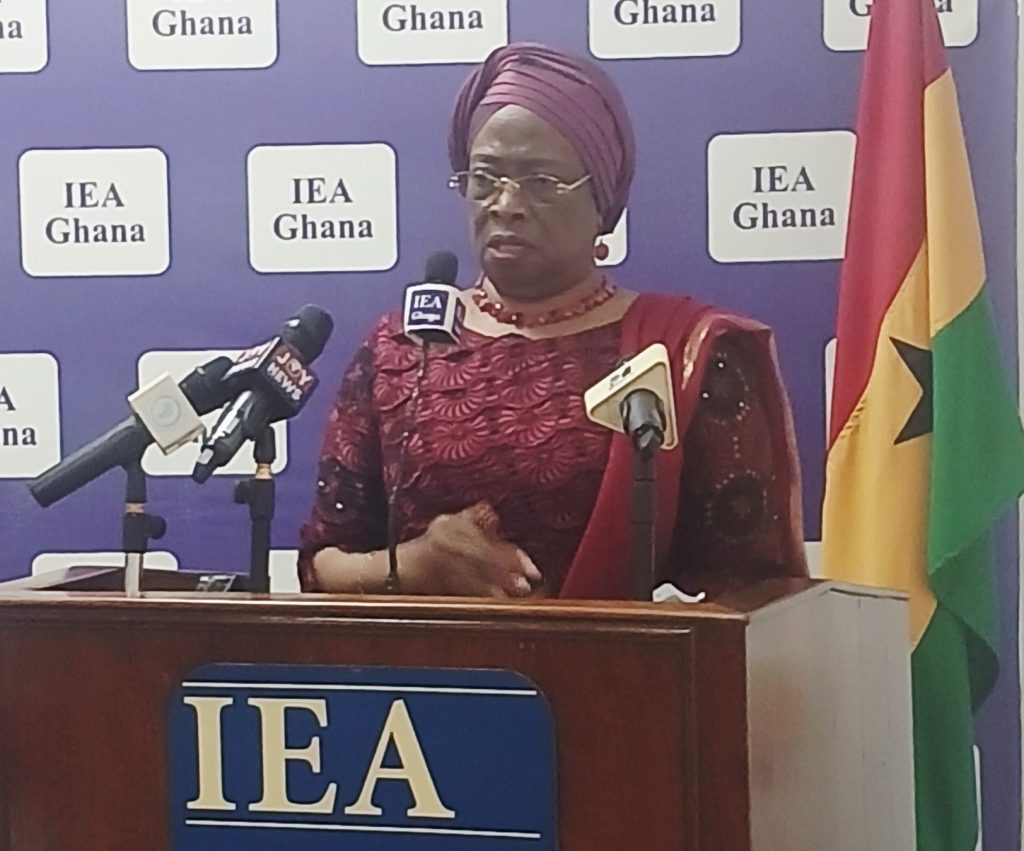
She said although the 1992 Constitution had served Ghana well, its weaknesses and gaps had become increasingly evident and needed to be addressed.
She cautioned that the review process should strike a balance between urgency and careful consideration.
Justice Akuffo said the Constitution was more than an ordinary legal document because it served as the foundational instrument guiding other laws and institutions.
She therefore urged the implementation committee to remain open to views emerging from ongoing public discussions rather than treating the existing proposals as closed.
Justice Akuffo also warned against excessive partisanship in national affairs, arguing that the objective of constitutional review should be to create conditions for a developmental democracy.
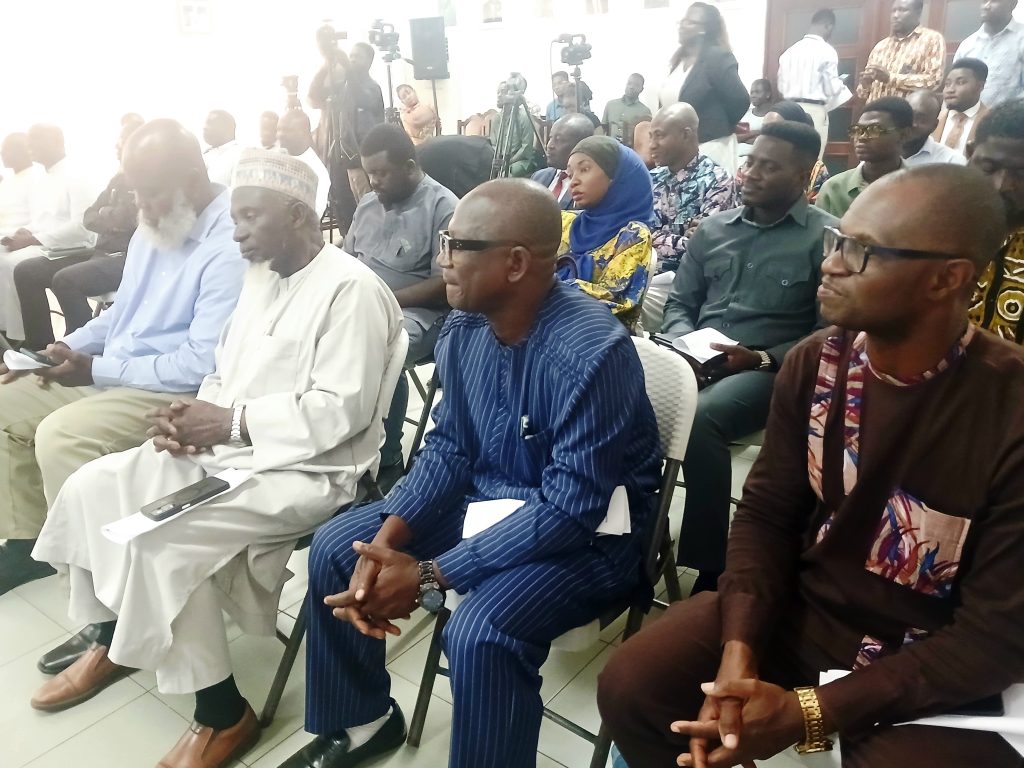
The IEA has separately called for extensive public education, consultation and consensus-building rather than a rushed constitutional review process.
Christian Council raises political party financing concerns
The Chair of the Christian Council of Ghana, Rev. Inok Thompson, called for stronger safeguards around political party financing.
He said excessive monetisation of political activities could undermine equal opportunities for participation and public confidence in the democratic process.
He called for greater transparency in political party funding, disclosure of significant political contributions, campaign expenditure controls, internal party democracy, credible auditing and accountability.
He said the objective should not be to weaken political parties but to strengthen democratic competition and public confidence.
Rev. Thompson also called for stronger constitutional protection of Ghana’s forests, minerals, rivers, land, fisheries and other natural resources.
He said natural resources should be managed not only for present economic needs but also for future generations, with emphasis on sustainable exploitation, transparency, environmental protection, community participation and equitable distribution.
Oquaye warns against partisan Constitution
Former Speaker of Parliament, Prof. Aaron Mike Oquaye, cautioned against allowing partisan considerations to shape the constitutional review process.
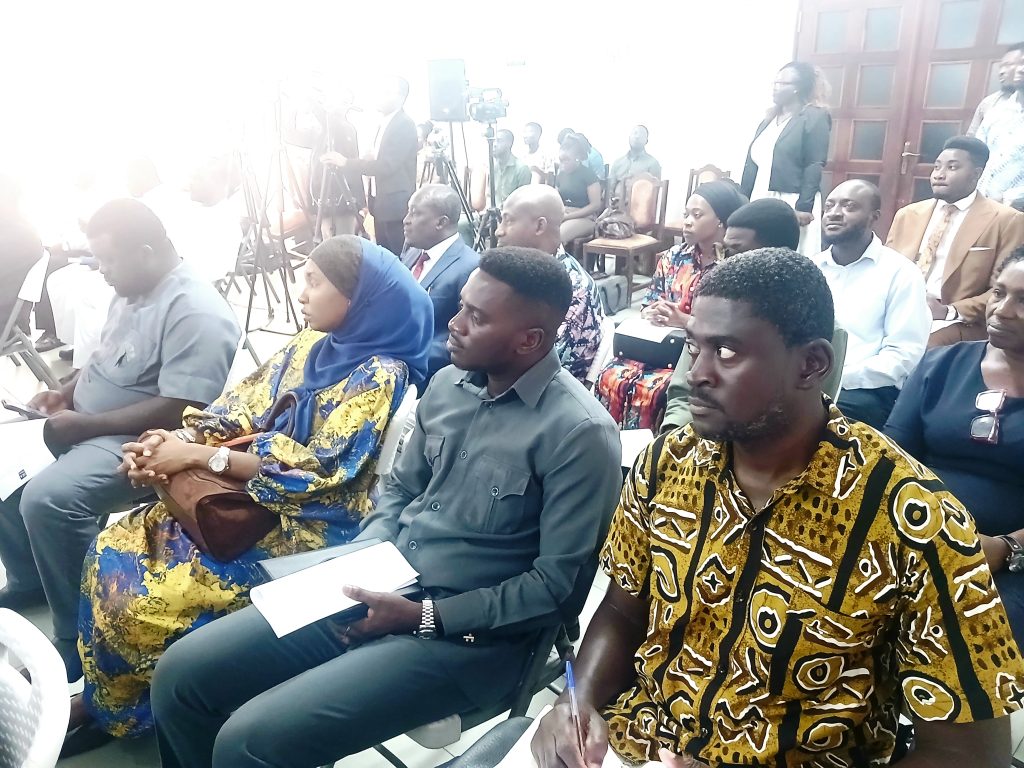
He said the Constitution was the overriding law of the land and should be broadly accepted by citizens regardless of their political affiliations.
He expressed concern that competing partisan positions could deepen divisions in the country if they were allowed to dominate the review process.
Prof. Oquaye said fundamental issues, including the rule of law, judicial independence and the management of natural resources, required serious attention.
He also raised concerns about proposed changes to judicial processes, particularly the removal of superior court judges, arguing that safeguards were necessary to protect judicial independence.
He called for a national conversation on how Ghana could derive greater benefits from its natural resources and ensure that those resources contributed more meaningfully to national development.
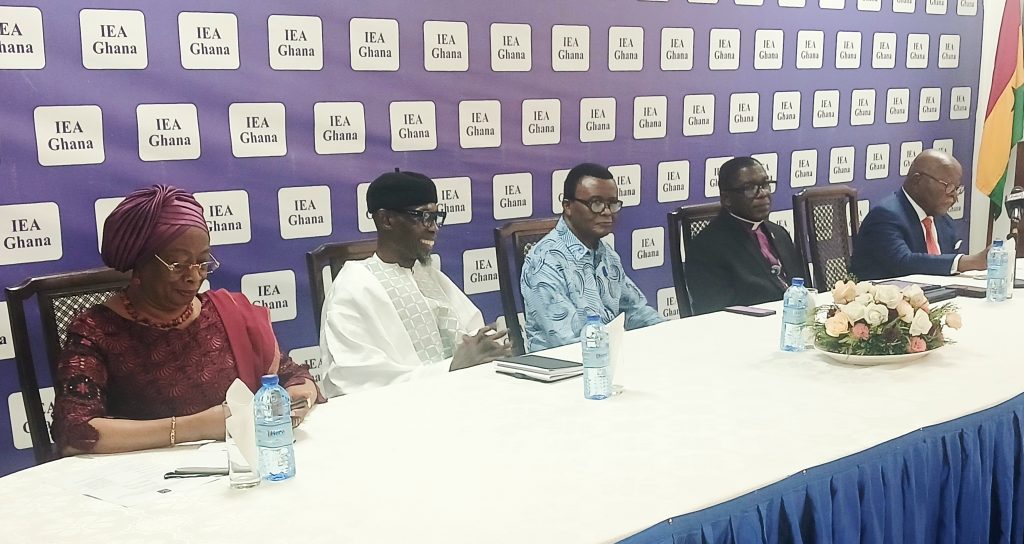
The discussions formed part of the wider national debate on implementing recommendations from the Prempeh Committee’s constitutional review. The government’s implementation committee is expected to examine the CRC report and the government’s position paper and develop a framework for taking the accepted and modified proposals forward.