
Ghana’s Open Budget Performance Declines as SEND Ghana Calls for Greater Transparency, Citizen Participation

Story by Eugene Nyarko Jnr., Accra
A civil society organisation, SEND Ghana, has raised concerns over Ghana’s declining performance in the 2025 Open Budget Survey (OBS), urging government institutions to improve transparency, public participation and oversight in the country’s budget process.
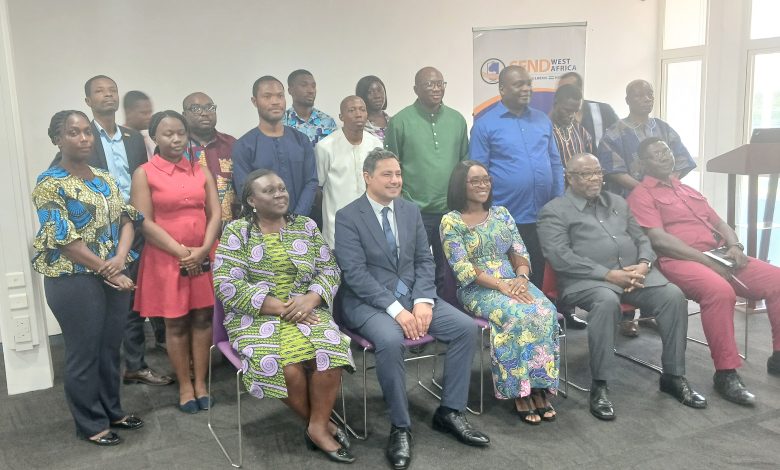
Speaking during a media engagement organised by SEND Ghana at the British Council in Accra on Wednesday, the Country Director of SEND Ghana, Ms Harriet Nuamah Agyemang, said Ghana’s overall performance in the latest survey had dropped significantly, indicating weaknesses in the country’s budget governance system.
She explained that the Open Budget Survey, an independent international assessment conducted every two years, evaluates countries on budget transparency, citizen participation and oversight by institutions such as Parliament and the Audit Service.
According to her, Ghana has participated in the survey since 2015, but despite some improvements over the years, the country has consistently failed to attain the minimum international benchmark score of 61 per cent.
Ms Agyemang disclosed that Ghana scored 33 per cent in oversight and 22 per cent each in transparency and public participation in the 2025 assessment, stressing that the country’s overall performance had fallen from about 40 per cent in 2019 to 25 per cent currently.
“Everybody wants to move up and not down. It means that we are not doing something right,” she stated.
She attributed the poor performance largely to delays in publishing key budget documents and the limited information contained in some of the documents released.
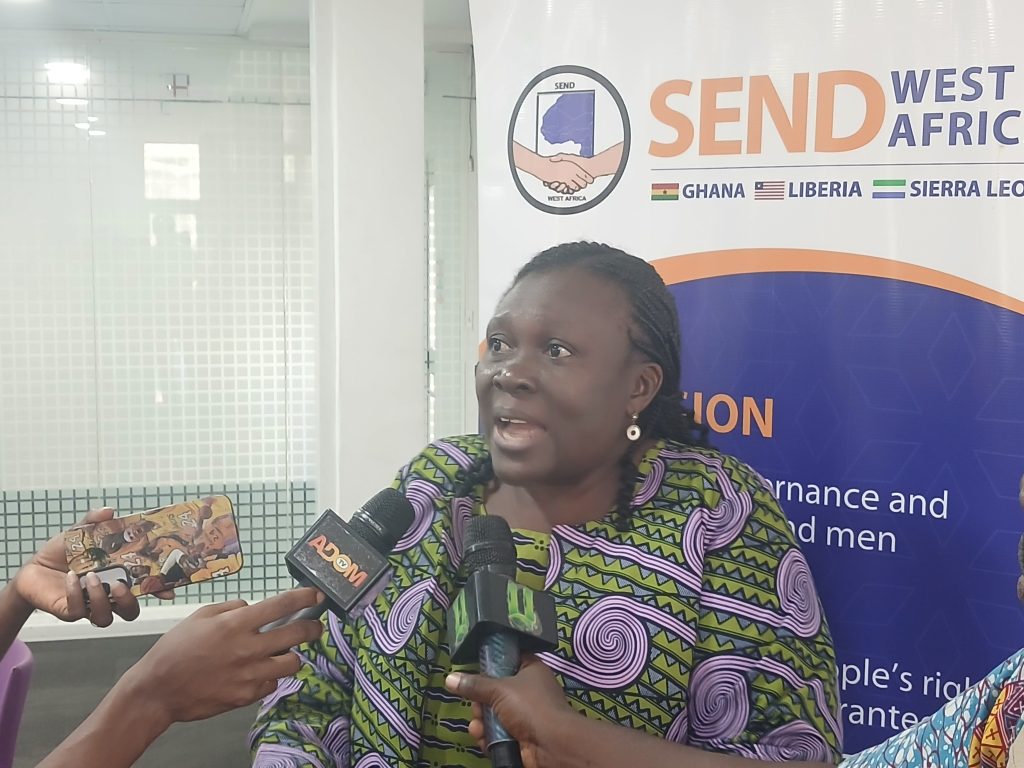
According to her, timely publication of budget documents is critical to enabling citizens to effectively engage Parliament and government on national budget issues.
“If the budget document is not available, how will citizens engage Parliament before the budget is approved?” she queried.
Ms Agyemang further called for innovative and cost-effective strategies to deepen citizen participation in governance, including the use of digital platforms and social media to solicit public input into the budget process.
She stressed that citizen involvement should extend beyond budget formulation to implementation and monitoring, adding that citizens must be informed about allocations to local assemblies and development projects in their communities.
She also urged Parliament and the Audit Service to adopt more inclusive approaches to engaging citizens, noting that wider public involvement would strengthen oversight and improve Ghana’s future scores.
Presenting the detailed findings of the survey, Programme Officer of SEND Ghana, Mr Mohammed Tajudeen Abdulai, said the 2025 survey covered 82 countries worldwide and assessed government performance based on 145 questions.
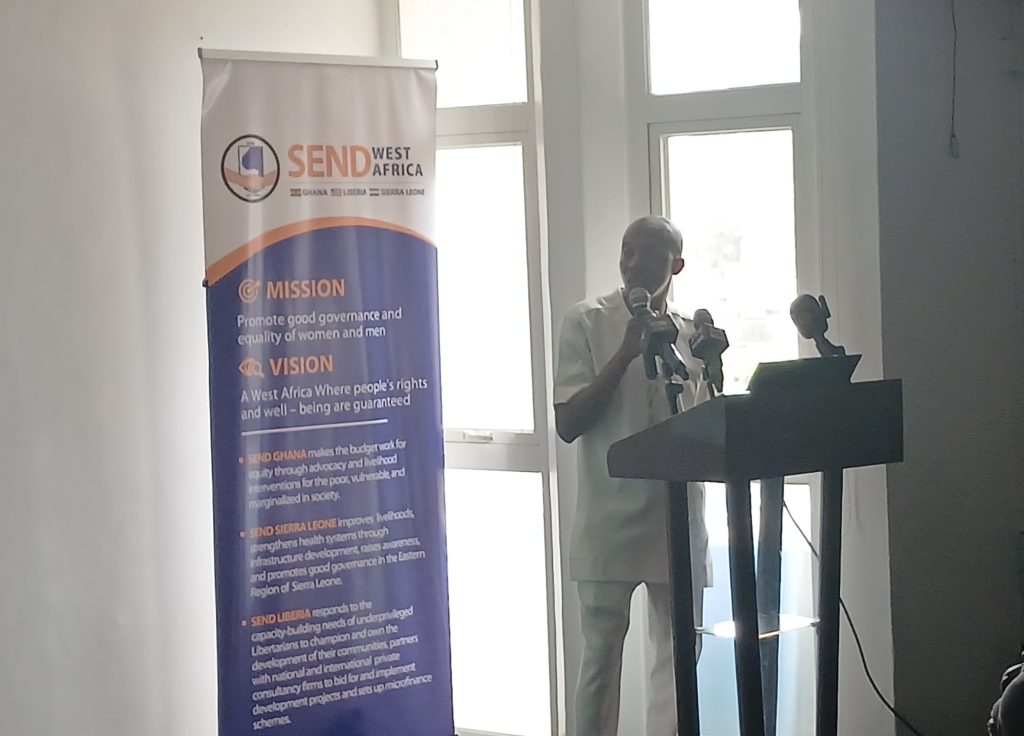
He explained that 101 questions focused on transparency, while 18 questions each assessed public participation and oversight.
Mr Abdulai noted that although Ghana’s transparency score improved marginally from 17 per cent in 2023 to 22 per cent in 2025, the country still recorded the lowest transparency score among the four West African countries — Ghana, Nigeria, Sierra Leone and The Gambia — that participated in the survey.
He said Ghana’s transparency score had sharply declined from 56 per cent in 2021 to 22 per cent in 2025.
According to him, the decline was mainly due to the failure to publish key budget documents such as the Executive Budget Proposal and the Citizens’ Budget within the stipulated time.
He revealed that out of the eight internationally recognised budget documents assessed, only five were publicly available and accessible by the survey’s cut-off date of December 31, 2024.
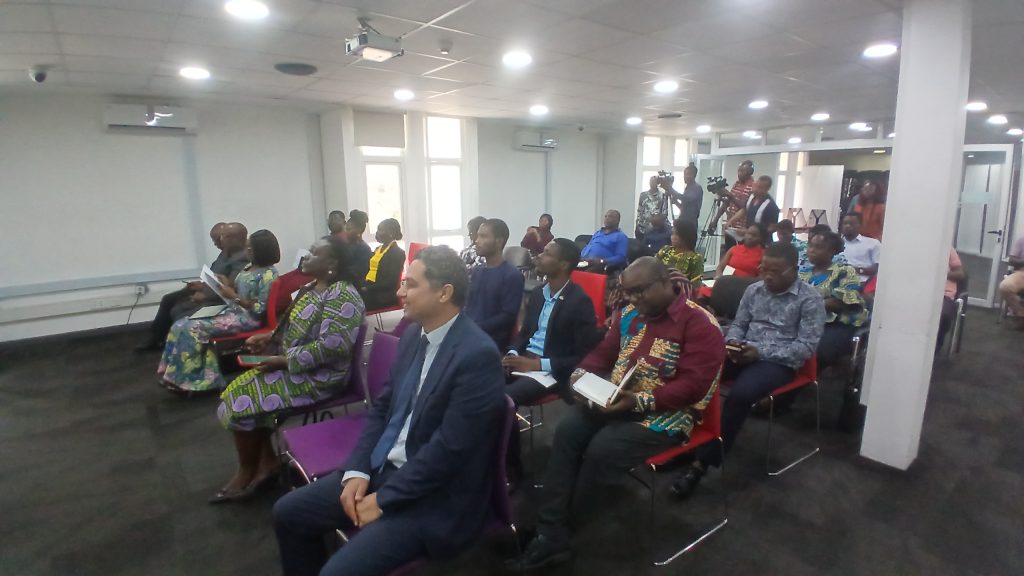
Mr Abdulai recommended that government prioritise the timely publication of all key budget documents, particularly the Executive Budget Proposal, Citizens’ Budget and in-year reports.
He also called for improvements in the comprehensiveness of budget information, including fuller disclosure of debt levels, revenue sources and expenditure projections.
On public participation, Mr Abdulai said Ghana’s score improved from 22 per cent in 2023 to 33 per cent in 2025, but remained below the acceptable threshold.
He observed that while the Ministry of Finance and Parliament had made efforts to engage citizens during budget formulation and approval stages, there was virtually no formal mechanism for citizen participation during budget implementation.
He therefore recommended the use of online platforms and broader public consultations to enhance citizen involvement throughout the entire budget cycle.
Contributing during the question-and-answer session, the Member of Parliament for Atiwa East, Hon. Abena Osei-Asare, acknowledged the importance of the OBS findings but maintained that Ghana had made significant progress in public financial management over the years.
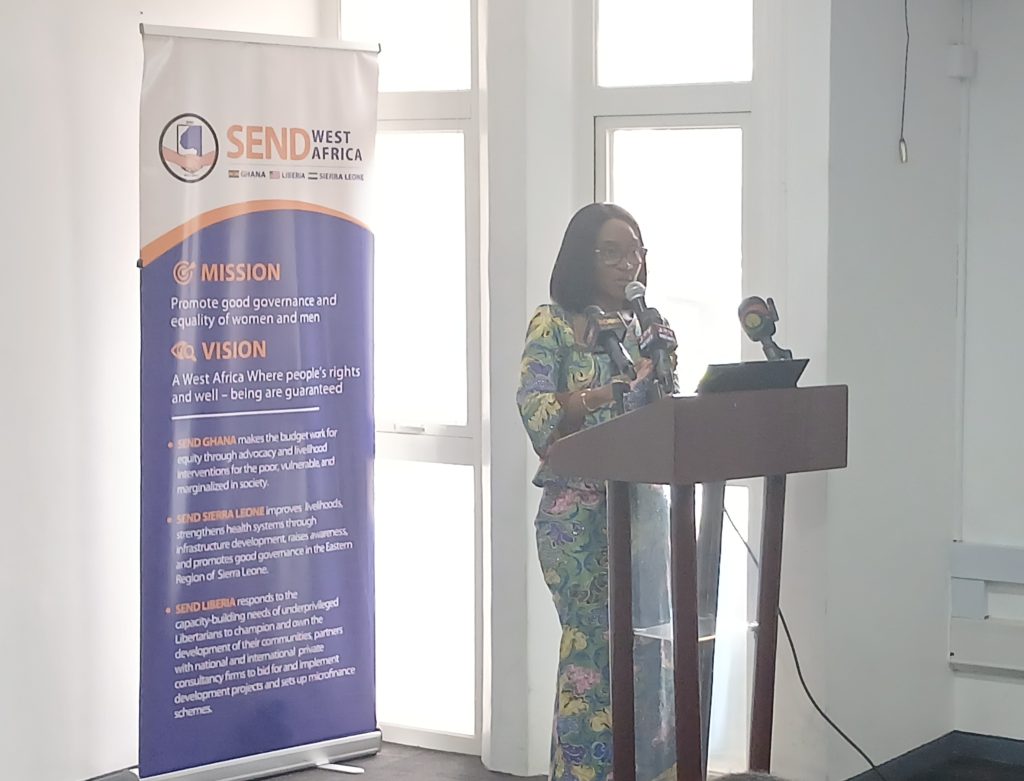
She noted that reforms, including the enactment of the Public Financial Management Act, had strengthened budget management processes and should be recognised in the assessment.
Hon. Osei-Asare argued that the OBS findings should serve as a tool for promoting reforms rather than focusing solely on rankings.
“It is not about the score but the questions the report raises and the reforms that can help us improve,” she said.
She also indicated that Parliament needed to improve publication of its activities and strengthen citizen engagement in budget oversight.
Another guest speaker, the Member of Parliament for Nhyiaeso, Hon. Stephen Amoah, commended SEND Ghana for its work but called for closer collaboration among stakeholders to improve public understanding of budget processes.
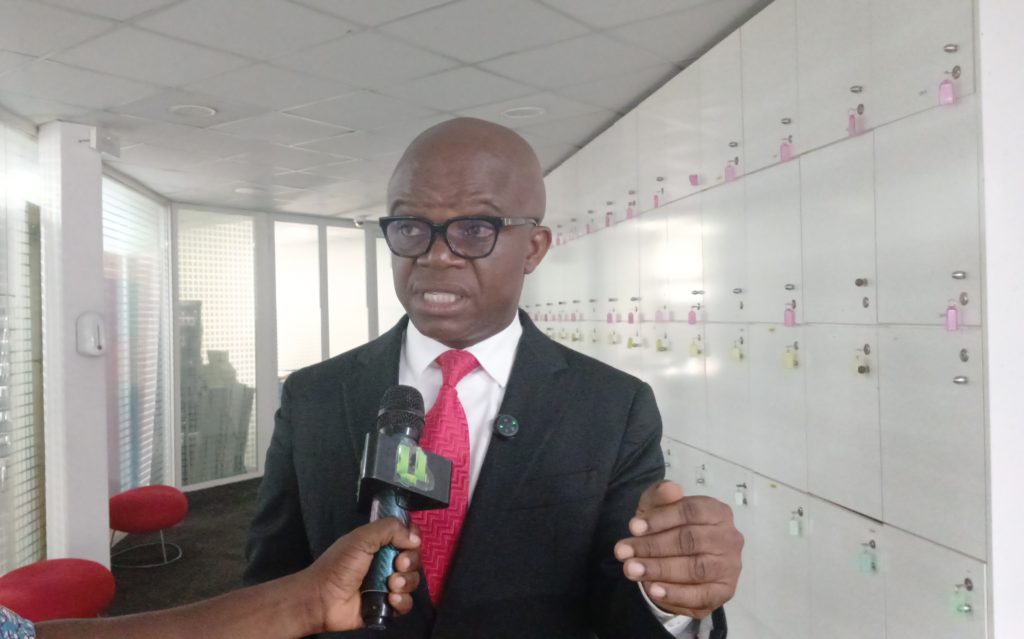
He expressed concern over the growing challenge of misinformation and media distortion, which he said often undermined public appreciation of government efforts.
Hon. Amoah emphasised the need for greater coordination among government institutions, civil society organisations and the media to ensure accurate dissemination of information and improve budget accountability.
He reiterated Parliament’s commitment to strengthening oversight and pledged support for initiatives aimed at enhancing transparency and citizen participation in governance.