
By Eugene Nyarko Jnr.
ACCRA, Aug. 9, 2026 — BudgIT Ghana has commended the government for the improvements recorded in Ghana’s macroeconomic indicators but called for greater transparency and effective implementation of key fiscal and economic reforms.
The organisation said the gains in economic growth, inflation, fiscal performance, debt sustainability and international reserves were encouraging, but stressed that the sustainability of those gains would depend largely on prudent fiscal management, transparent implementation and ensuring that citizens benefited directly from the economic recovery.
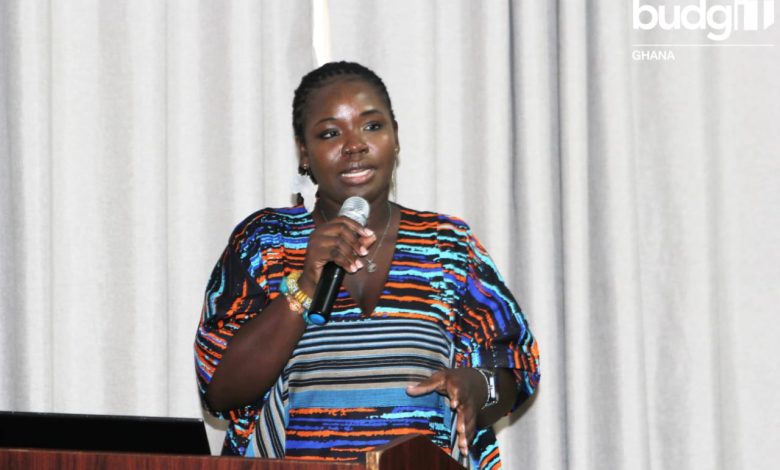
The Country Manager of BudgIT Ghana, Jennifer A. Moffat, said the successful completion of the International Monetary Fund (IMF) Extended Credit Facility Programme, improved debt outlook, declining inflation and stronger international reserves represented important milestones in restoring confidence in the economy.
“The progress recorded in Ghana’s macroeconomic recovery journey is encouraging and deserves recognition,” she said.
She, however, stressed that the improvements in macroeconomic indicators must translate into better outcomes for citizens, including affordable basic goods and services, improved public infrastructure and better service delivery.
Procurement reforms
BudgIT Ghana said the implementation of the Public Procurement Authority (PPA) Amendment Act provided an important opportunity to strengthen oversight of public procurement and improve transparency in public expenditure.
It called on the government to ensure the mandatory use of the Ghana Electronic Procurement System (GHANEPS) and the Ghana Integrated Financial Management Information System (GIFMIS) across all Ministries, Departments and Agencies (MDAs) and Metropolitan, Municipal and District Assemblies (MMDAs).
The organisation said procurement processes conducted outside the approved digital platforms could undermine transparency and public oversight while creating opportunities for inefficiency and financial irregularities.
It further called for institutions that deliberately circumvented the systems to be sanctioned under the Public Financial Management Act.
Big Push transparency
On the government’s flagship Big Push infrastructure programme, BudgIT Ghana said citizens deserved greater visibility into how public resources were being utilised.
It said although the government had indicated that approximately GH¢6.5 billion had been spent on the programme, there was a need for project-level information to enable citizens and oversight institutions to track implementation.
BudgIT Ghana therefore called for the proactive publication of disaggregated data on individual projects, including project names and locations, approved budgets, procurement contract values and implementation status.
It also urged the government and Parliament to publish a comprehensive implementation framework outlining project delivery timelines, financing arrangements, monitoring mechanisms and expected outputs.
The organisation said the information should be made available through GHANEPS and the Ministry of Finance’s fiscal transparency portal to facilitate independent monitoring by citizens, civil society organisations and oversight institutions.
According to BudgIT Ghana, such disclosure would also support compliance with the Open Contracting Data Standard (OCDS) and help prevent the recurrence of abandoned projects.
Fiscal data
BudgIT Ghana further urged the Ministry of Finance to update the fiscal data section of its website.
It noted that publicly available fiscal data for 2026 extended only to the January-March reporting period, despite updated performance figures having been released up to June in the 2026 Mid-Year Fiscal Policy Review.
The organisation said making current fiscal datasets publicly accessible was essential for evidence-based public discourse, independent analysis and citizen oversight.
24-Hour Market
On the government’s 24-Hour Economy agenda, BudgIT Ghana said greater clarity was required regarding the implementation of the 24-Hour Market Programme.
It said questions remained about implementation timelines, operational models, funding arrangements and rollout strategies across different parts of the country.
The organisation said the feasibility of a 24-hour market would vary depending on local conditions and cited Nkwanta in the Oti Region, where security challenges and curfew restrictions continued to affect economic activity, as an example.
It said successful implementation would require context-specific assessments of security, electricity reliability, transport connectivity, market demand and local economic viability.
BudgIT Ghana said Ghana’s macroeconomic recovery presented an important opportunity to rebuild public trust, but sustaining that trust would require open data, transparent implementation, effective oversight and meaningful citizen participation.
It said economic recovery should not be measured only by stronger fiscal indicators, but also by whether citizens could see, verify and benefit from the management of public resources.