

Story by Eugene Nyarko Jnr. I Alisa Hotel, Accra l Wednesday, August 19, 2026
Ghana has intensified efforts to integrate the prevention, screening, diagnosis and treatment of non-communicable diseases (NCDs) into its Universal Health Coverage (UHC) reforms, with stakeholders calling for increased health financing, stronger primary healthcare and improved data systems.
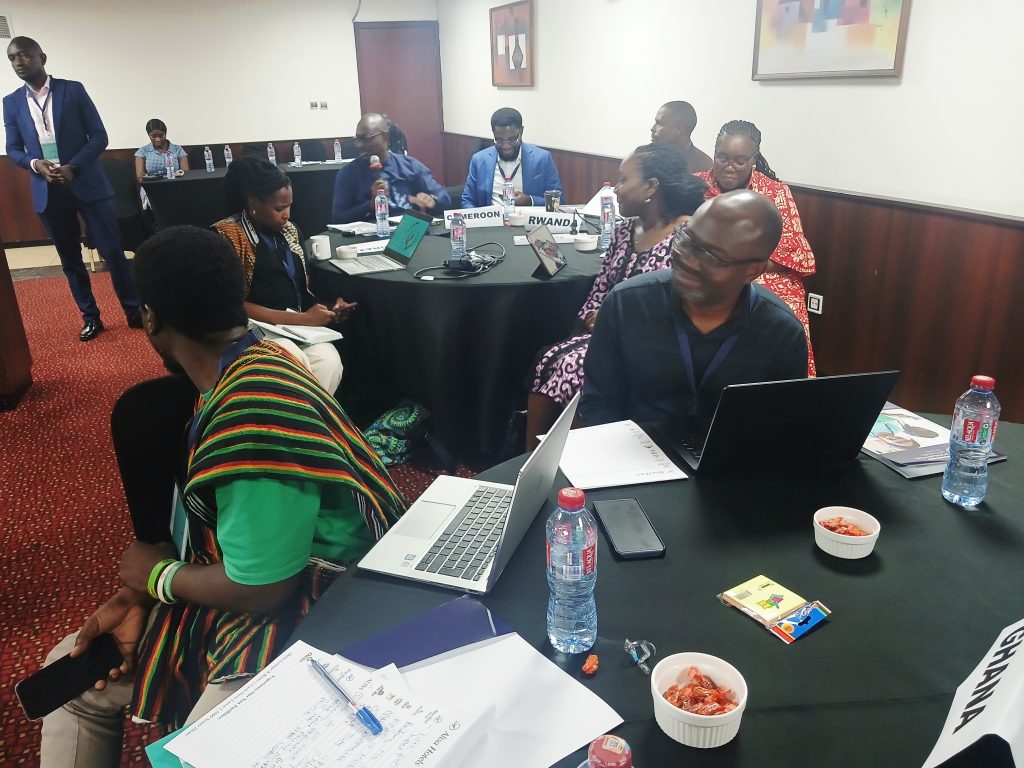
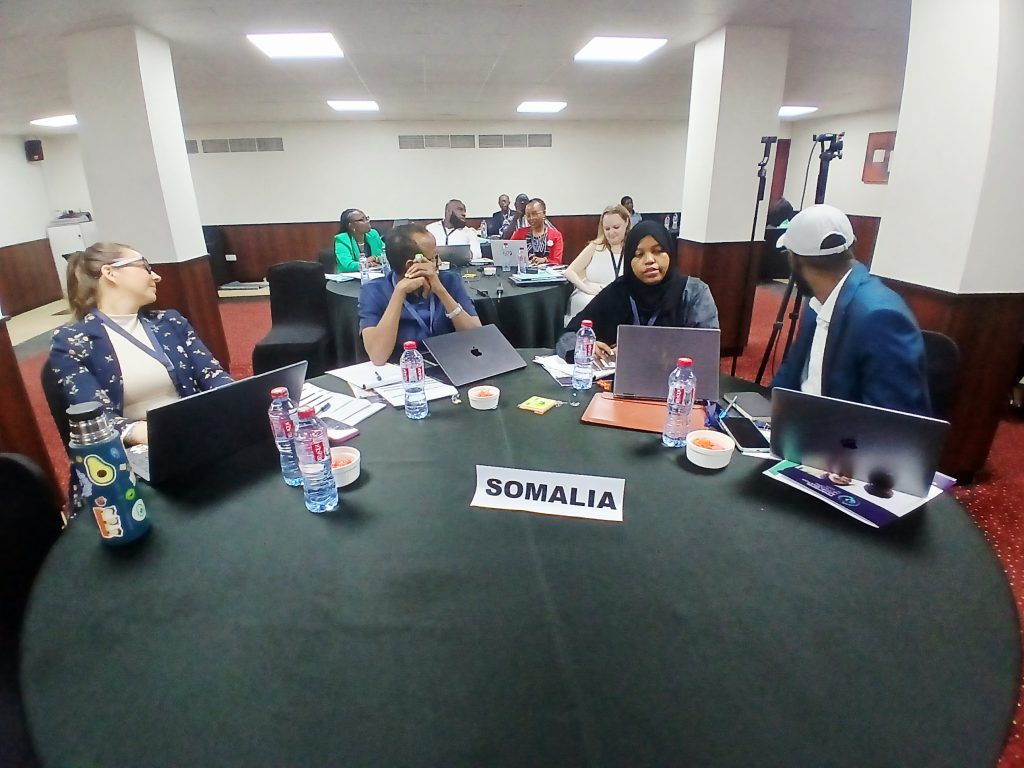
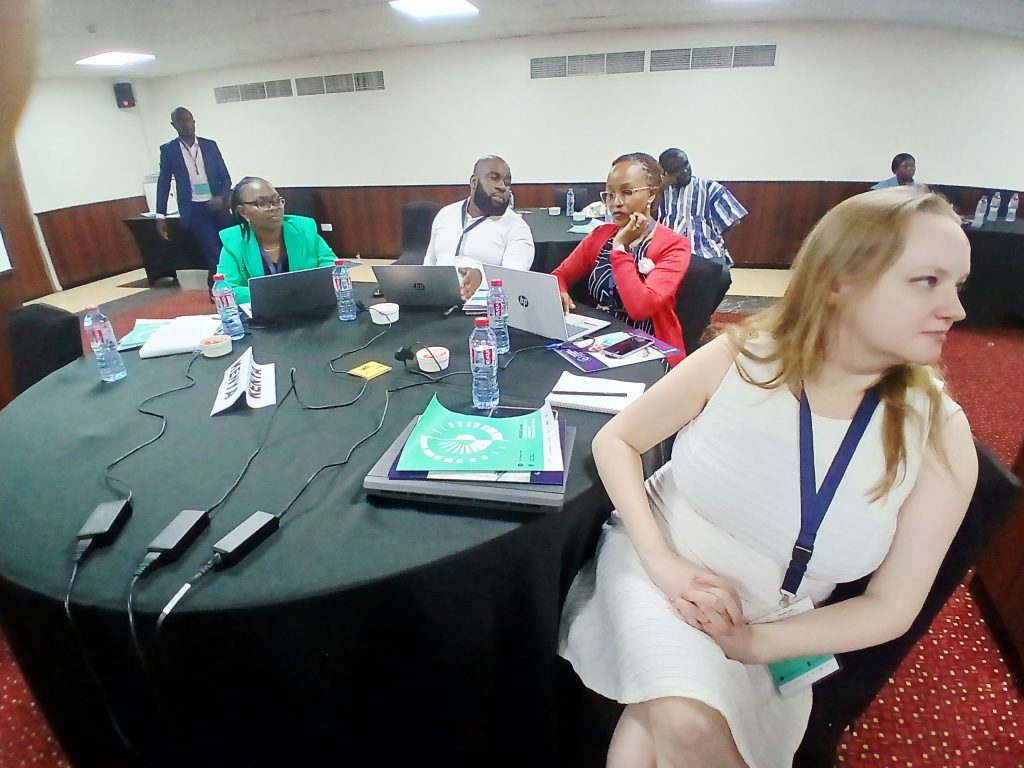
The call was made at a two-day Sub-Saharan Africa Cross-Country Learning Workshop, dubbed the Financing Accelerator Network for NCDs (FAN), being held at the Alisa Hotel in Accra from August 19 to 20, 2026.
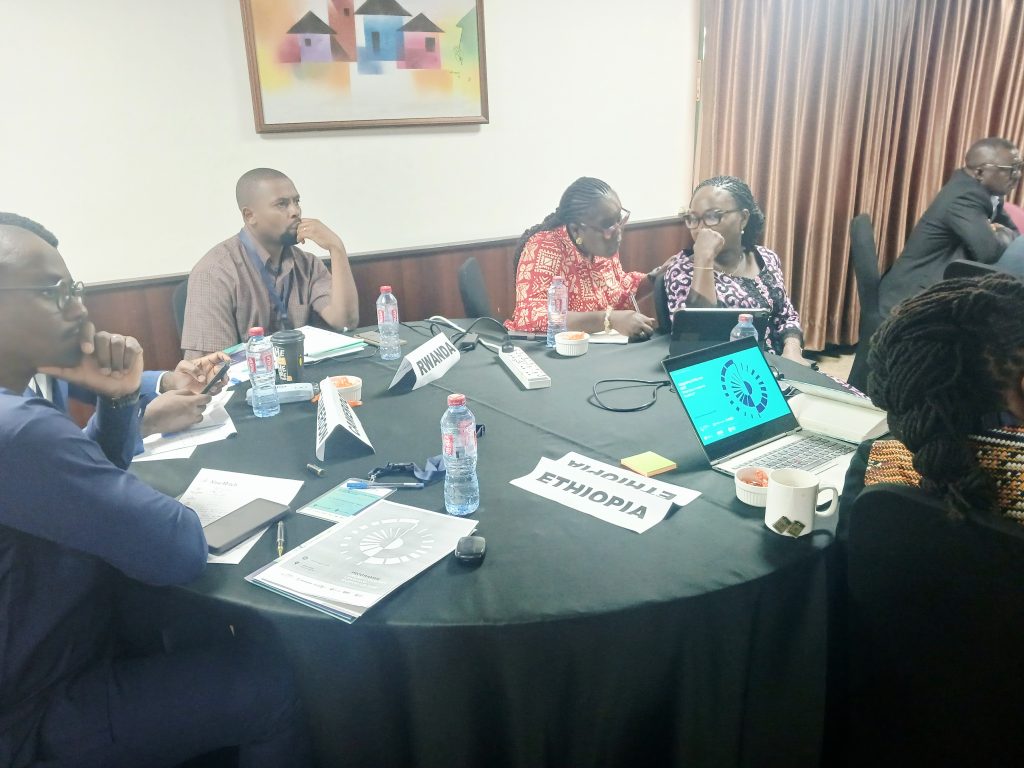
The workshop, on the theme, “Accelerating Integration of NCD Services, Essential Medicines, and Diagnostics within UHC Reforms,” has brought together health and finance officials, national health insurance agencies, civil society organisations and development partners from several African countries to exchange experiences and develop practical approaches to financing NCD care.
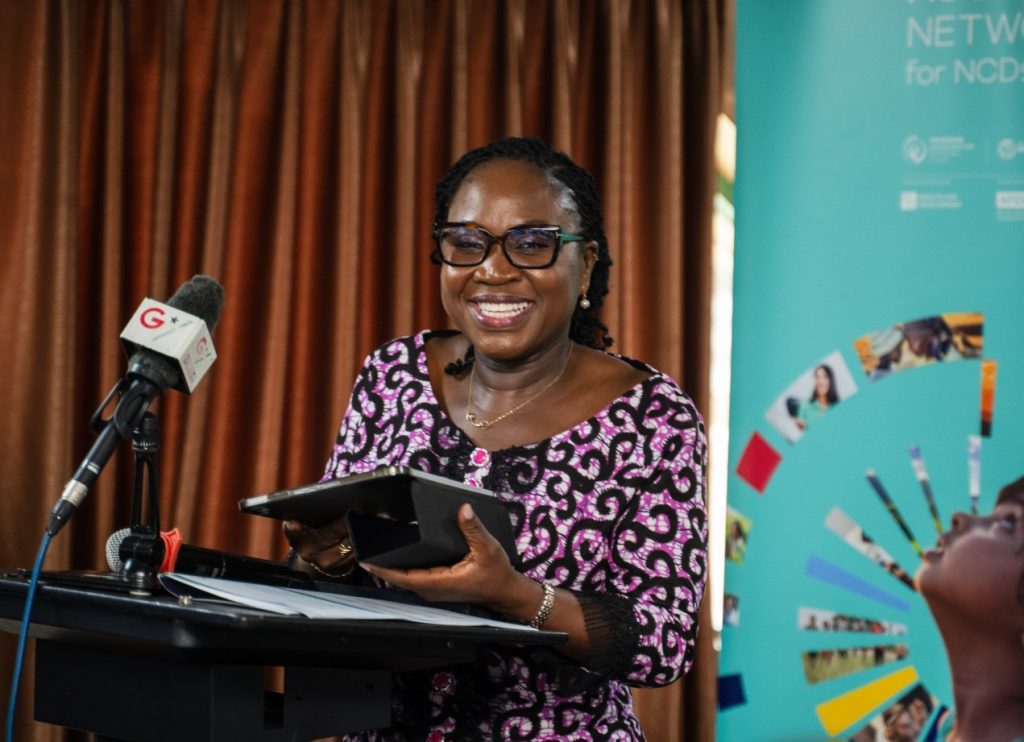
In her welcome remarks, the Director of Policy, Planning, Monitoring and Evaluation (PPME) at the Ministry of Health, Dr Belinda Nimako, said Ghana was honoured to host the regional learning platform and share its experiences in tackling the growing burden of NCDs.
She said NCDs accounted for roughly four in every 10 deaths in Ghana, with hypertension and diabetes among the leading contributors, placing increasing pressure on health facilities, medicine supply chains and the National Health Insurance Scheme.
Dr Nimako said Ghana was responding through two complementary interventions — the Free Primary Health Care (PHC) policy and the Ghana Medical Trust Fund, popularly known as MahamaCares.
According to her, the Free PHC policy was designed to remove financial barriers at the point of first contact with the health system and make screening, early diagnosis and routine management of conditions such as hypertension and diabetes accessible at the primary care level.
She said the Ghana Medical Trust Fund, on the other hand, was intended to support patients suffering from advanced conditions, including cancers, chronic kidney failure, stroke and cardiovascular diseases that were not adequately covered by the National Health Insurance Scheme.
“Together, Free PHC and MahamaCares close the coverage gap from both ends: catching NCDs early at the primary care level, and protecting families from catastrophic costs when specialist care is needed,” Dr Nimako said.
She acknowledged that Ghana was still learning and refining the implementation of the two interventions, but said the country was confident in the direction of its reforms.
Dr Nimako urged participants to use the workshop to openly discuss the challenges facing their respective countries and develop practical solutions rather than limiting discussions to speeches.
She also encouraged delegates to take advantage of a planned facility visit to observe first-hand how Ghana’s Free PHC and NCD financing policies were being implemented at the frontline.
She said the visit would provide an opportunity for participants to interact with health workers, pharmacists and National Health Insurance claims officers and assess both the progress and challenges associated with the reforms.
Need for stronger primary healthcare
A Senior Research and Policy Analyst and Team Lead for Economic Wellbeing, Dr Jackson Otieno, said the rising cost of treating NCDs made it imperative for African countries to shift greater attention towards prevention and primary healthcare.
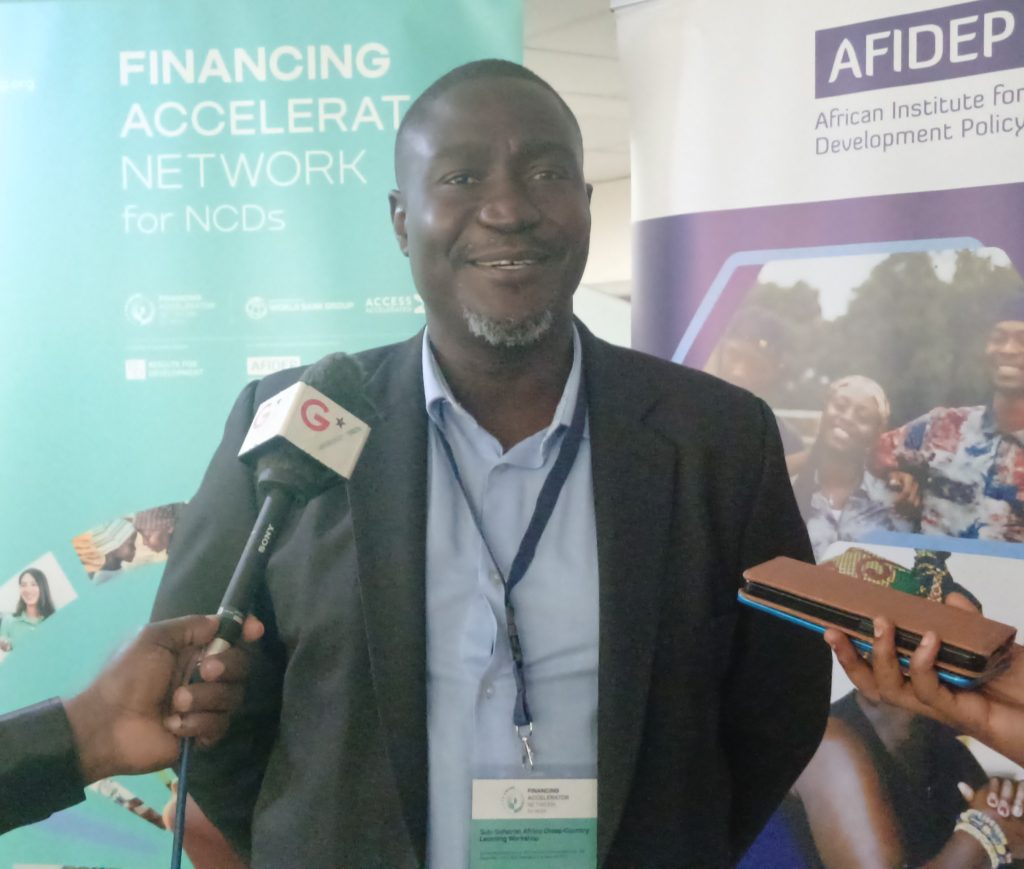
He said households affected by serious conditions such as cancer could face catastrophic costs, with out-of-pocket expenses potentially exceeding 90 per cent in some cases when treatment and the unmonetised cost of caregiving were considered.
Dr Otieno said African countries had traditionally financed diseases vertically, with separate financing arrangements for HIV, maternal health and other conditions, despite relying largely on the same government revenue sources.
He therefore advocated an integrated approach to health financing that would consider the entire range of services required by populations.
He identified primary healthcare as a critical entry point for preventing and detecting NCDs before they progressed to more expensive stages of treatment.
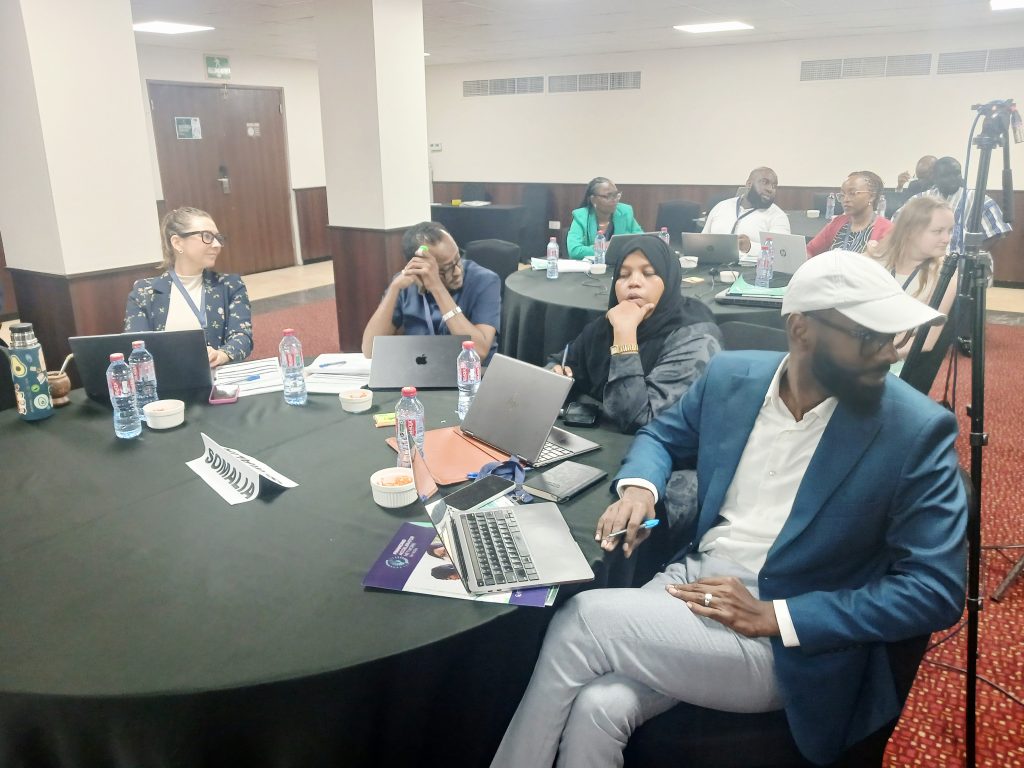
Dr Otieno called for community-level health workers to be equipped to screen people for hypertension, diabetes and other NCD risk factors.
He also proposed that NCD screening should form part of national health insurance processes, arguing that early detection would reduce the cost of treating conditions at advanced stages.
He said greater investment in prevention, screening, nutrition education and health promotion would help reduce the number of patients reaching advanced stages of disease.
“Prevention is better than cure,” he said, stressing that health financing systems that primarily paid for expensive treatment of advanced NCDs would struggle to remain sustainable.
Dr Otieno further called for African governments to increase their overall health allocations.
He cited international benchmarks suggesting that countries should invest at least five per cent of Gross Domestic Product (GDP) in health, while noting that the average investment in Africa was considerably lower.
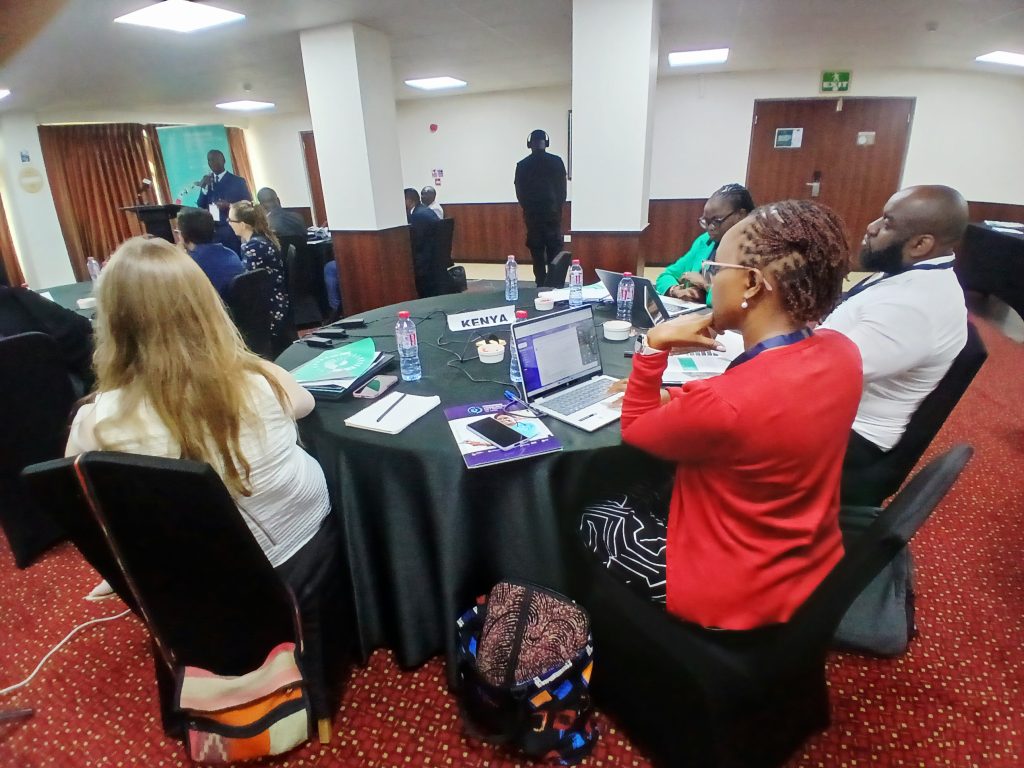
He also referred to the Abuja commitment under which African governments agreed to allocate at least 15 per cent of their national budgets to health.
He said Ghana had taken important steps by redirecting certain tax revenues to health insurance, describing the country as increasingly becoming a model for other countries.
However, he stressed that increased allocations alone were insufficient, urging governments to ensure that health resources were prioritised towards prevention and health promotion.
He warned that inadequate investment in NCD prevention could have broader economic consequences through reduced productivity, lower revenues and increased pressure on other productive sectors.
FAN seeks practical solutions
A Fellow at Results for Development (R4D) in the United States, Leah Hughey Ewald, said FAN was designed to help participating countries identify challenges, develop pragmatic solutions, test them and share the lessons with other countries.
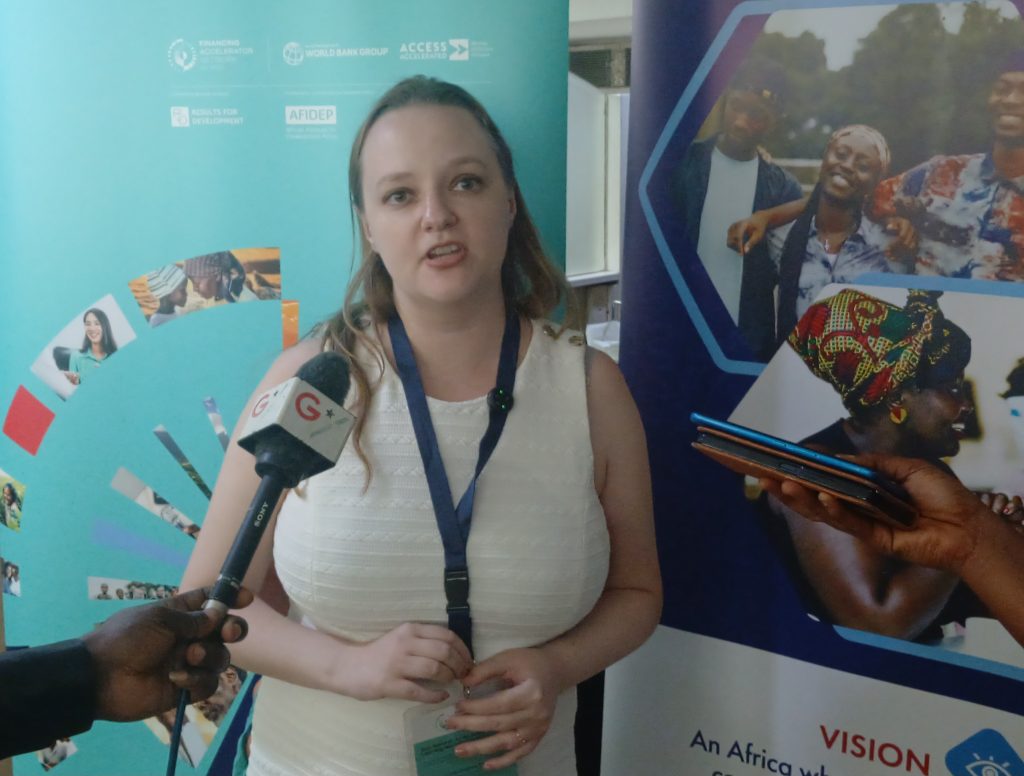
She said the Accra workshop was focused on helping participating countries identify common challenges and solutions that could subsequently be tested through catalytic seed funding.
She explained that the learning process was intended to be iterative, with countries expected to return to the network and share their experiences after implementing their respective initiatives.
Ms Ewald said the network worked through country core groups made up of stakeholders central to health financing decision-making, including officials from Ministries of Health and Finance, civil society organisations, private sector representatives and other relevant stakeholders.
She said FAN, which began in Sub-Saharan Africa about a year ago, was expanding its membership and was open to new countries.
According to her, NCDs had historically received inadequate financing because they were complex, expensive and required continuous engagement with health systems.
She said FAN was therefore working to help countries restructure their financing systems to better respond to chronic and complex diseases.
Ms Ewald said the initiative was funded through a technical partnership between Access Accelerated and the World Bank, with Access Accelerated providing funding for the network’s activities, including events and catalytic seed funding.
She identified inadequate data as one of the major challenges confronting countries in making effective NCD financing decisions.
“Without this data, you can’t make effective decisions. You can’t set effective policies. You can’t budget well. You can’t plan well,” she said.
She disclosed that FAN was currently supporting initiatives in Somalia to develop an NCD register and in Kenya to develop a sub-national investment case for NCDs.
She said the network had recently expanded into Latin America and the Caribbean and hoped to extend its reach to Asia and the Pacific as funding became available.
Civil society calls for accountability and better data
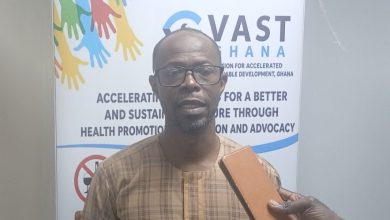
The Executive Director of Vision for Accelerated Sustainable Development Ghana (VAST Ghana), Mr Labram Musah Massawudu, said Ghana’s recent NCD interventions represented important steps towards addressing the financial burden associated with chronic diseases.
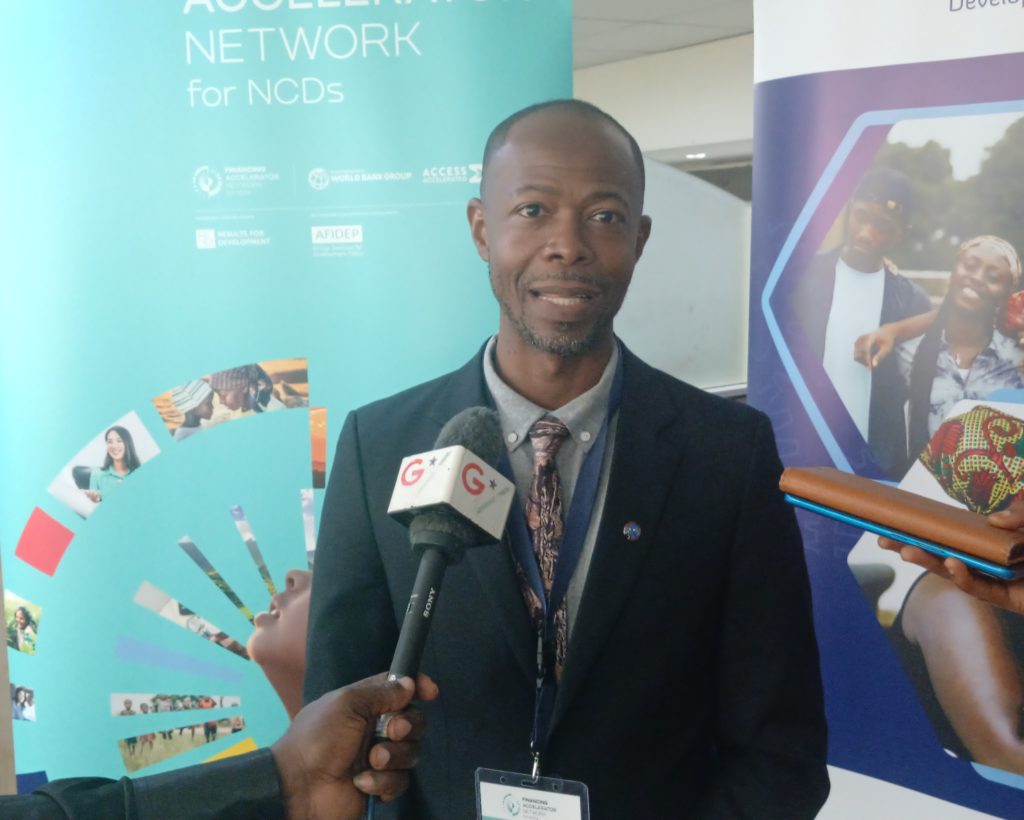
He welcomed the introduction of the Ghana Medical Trust Fund and the Free Primary Health Care policy, saying civil society organisations had long advocated greater attention to NCD prevention and treatment.
Mr Massawudu said the Free PHC policy should go beyond diagnosis and early detection to include sustained public education on NCD risk factors.
He said government should dedicate resources towards awareness creation around tobacco use, alcohol consumption, sugar-sweetened beverages, unhealthy diets and physical inactivity.
He said greater public awareness could help people modify their lifestyles, seek medical attention earlier and reduce the number of people requiring hospitalisation.
Mr Massawudu also called for stronger monitoring of the funds allocated to the Ghana Medical Trust Fund and Free PHC to ensure that they achieved their intended objectives.
He said civil society would closely monitor the implementation of the interventions and assess their impact as more data became available.
He expressed concern about gaps in Ghana’s health expenditure data, arguing that outdated information made it difficult to accurately assess the country’s current NCD financing situation.
He called on the Ministry of Health, the relevant data agencies and the National Health Insurance Authority to strengthen the collection and timely release of health expenditure and NCD financing data.
Mr Massawudu also questioned some existing expenditure figures on NCDs, saying greater clarity was needed on what constituted government expenditure on NCDs.
He said the implementation of the Ghana Medical Trust Fund was expected to change the country’s NCD financing landscape by reducing the amount households spent directly on treatment.
He, however, cautioned that it was too early to make definitive judgments about the success of the interventions because they had only recently been introduced.
He said civil society organisations, working together with the media, would subject the policies to closer scrutiny towards the end of the year to determine how many people had benefited from the Ghana Medical Trust Fund, how many had been screened and whether the interventions were achieving their intended outcomes.
Mr Massawudu said data would remain central to assessing whether Ghana’s NCD financing reforms were delivering meaningful benefits to citizens.
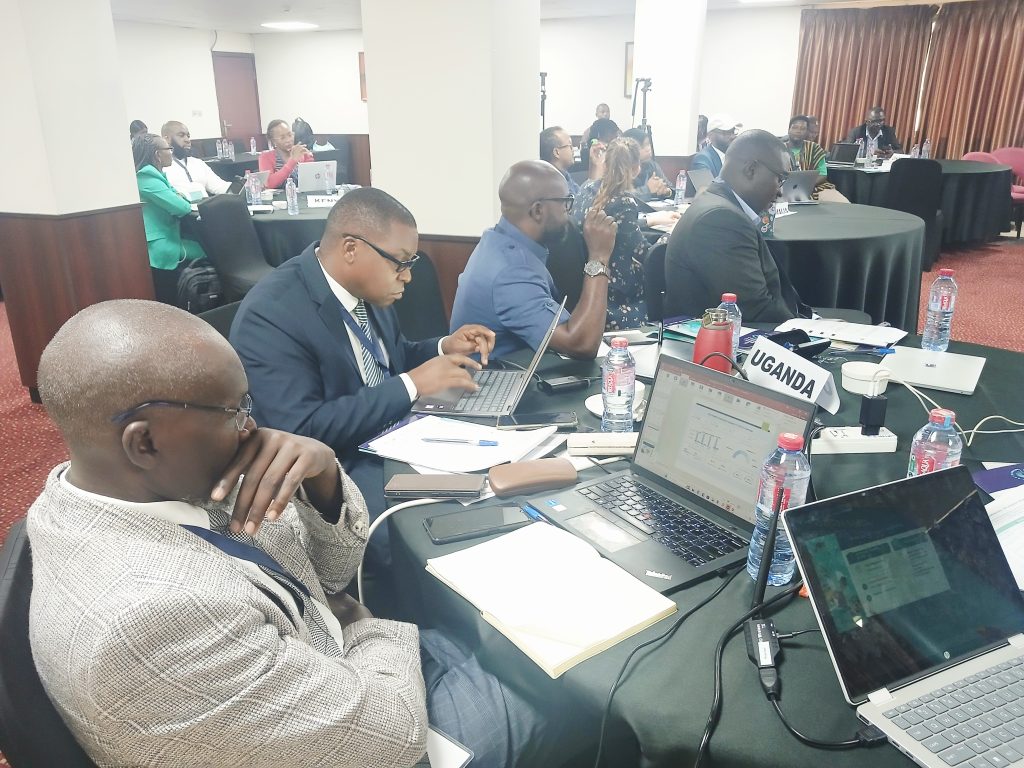
The two-day workshop is expected to provide participating countries with practical lessons and strategies for strengthening the integration of NCD services, essential medicines and diagnostics into broader UHC reforms.