
Ghana Geological Survey Authority Operationalises Seven New Regulations, Upgrades National Earthquake Monitoring Network


Story by Eugene Nyarko Jnr. l Accra l Tuesday, November 17, 2026 —
The Ghana Geological Survey Authority (GGSA) has operationalised seven new legislative instruments to regulate geoscientific activities in the country, strengthen professional standards and improve accountability in the management of geological information and mineral resources.
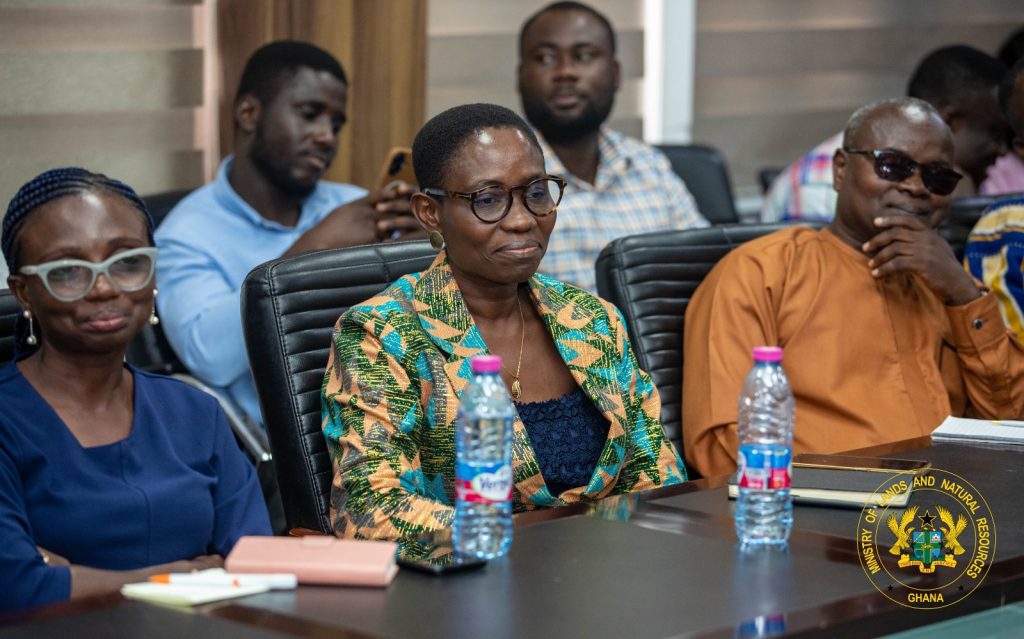
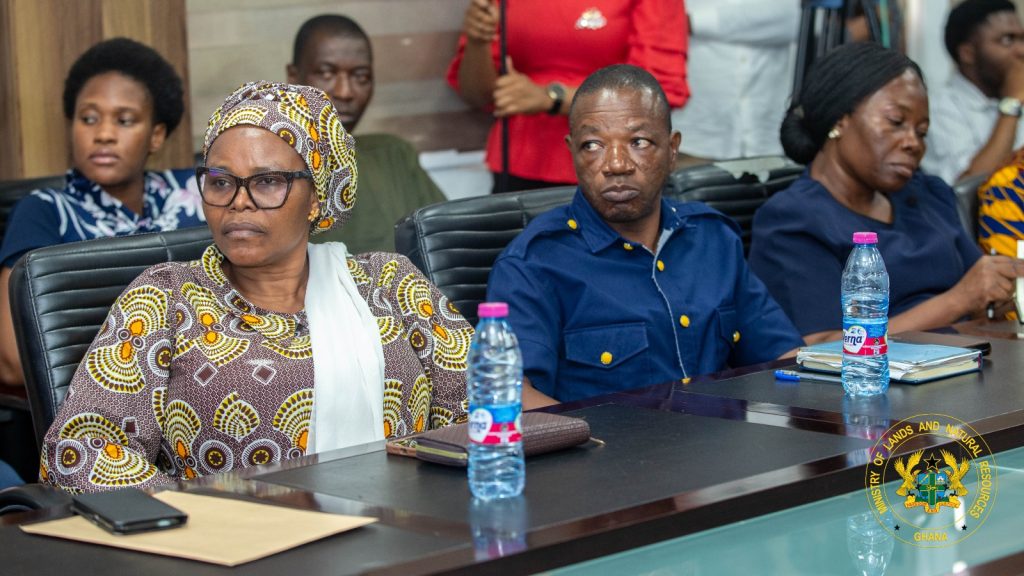
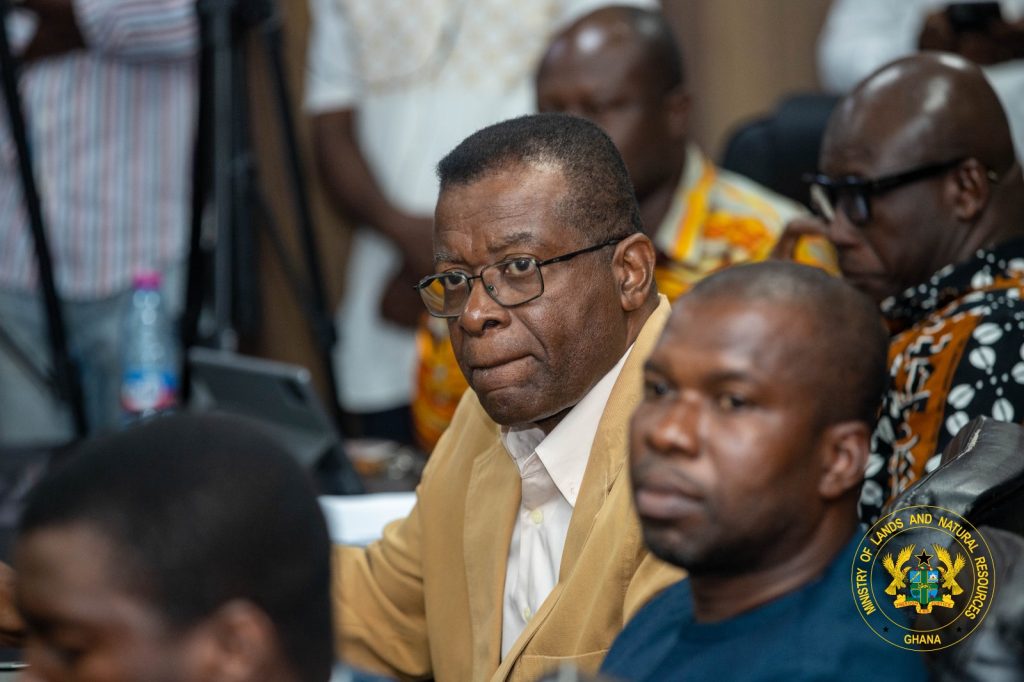
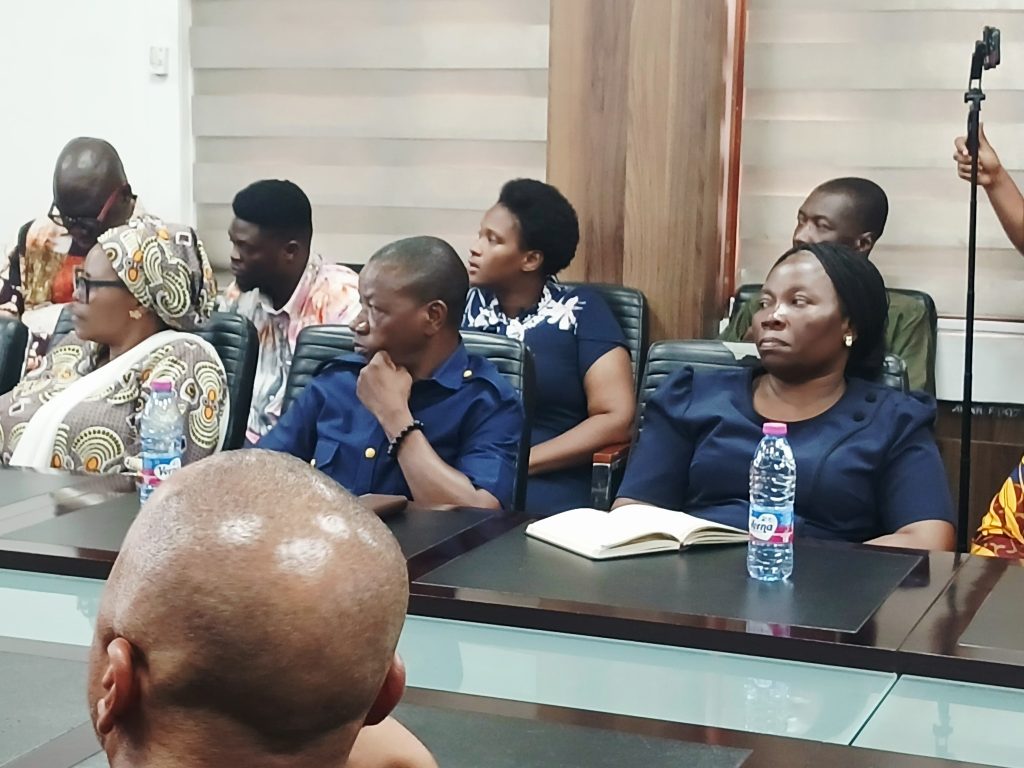
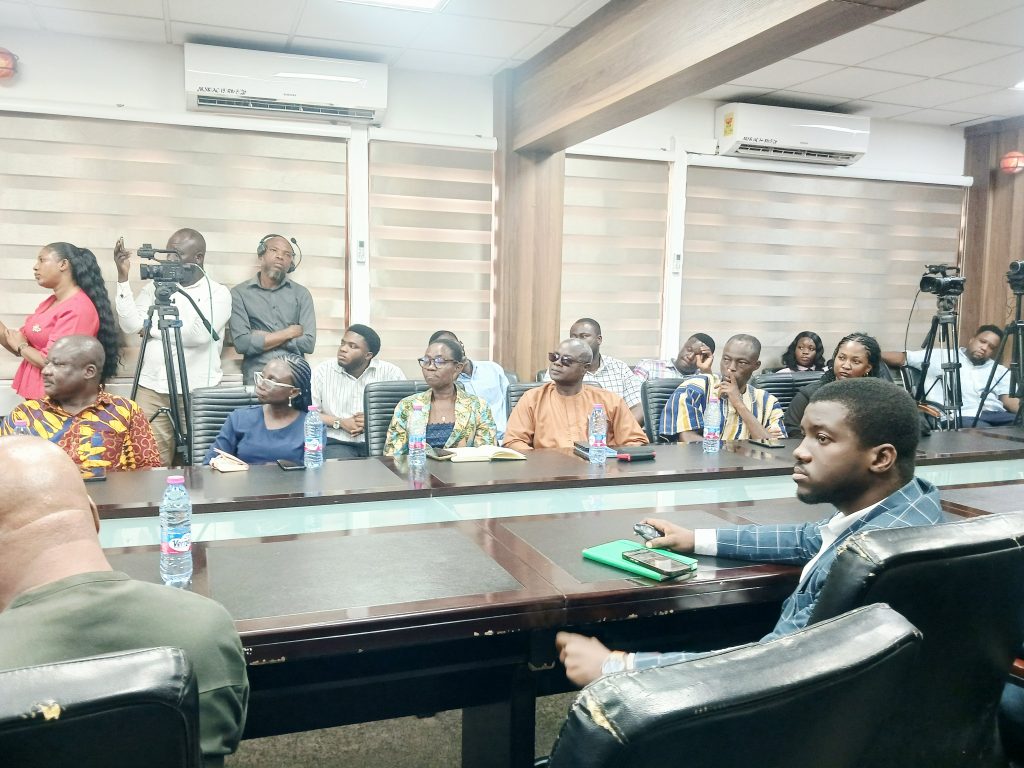
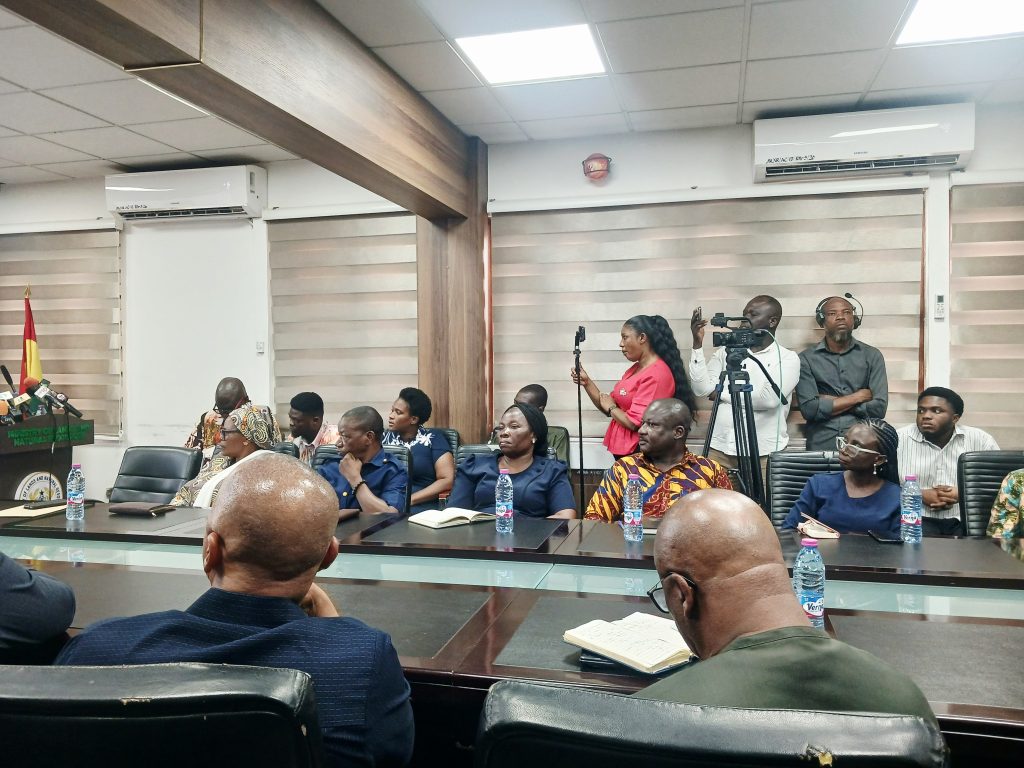
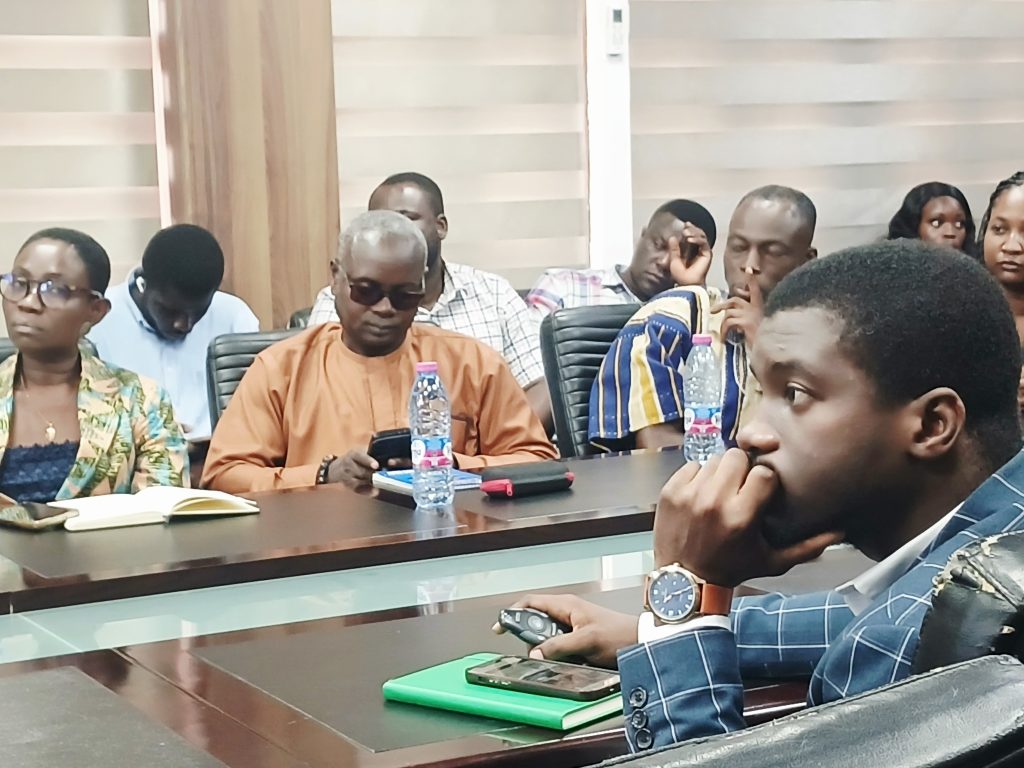
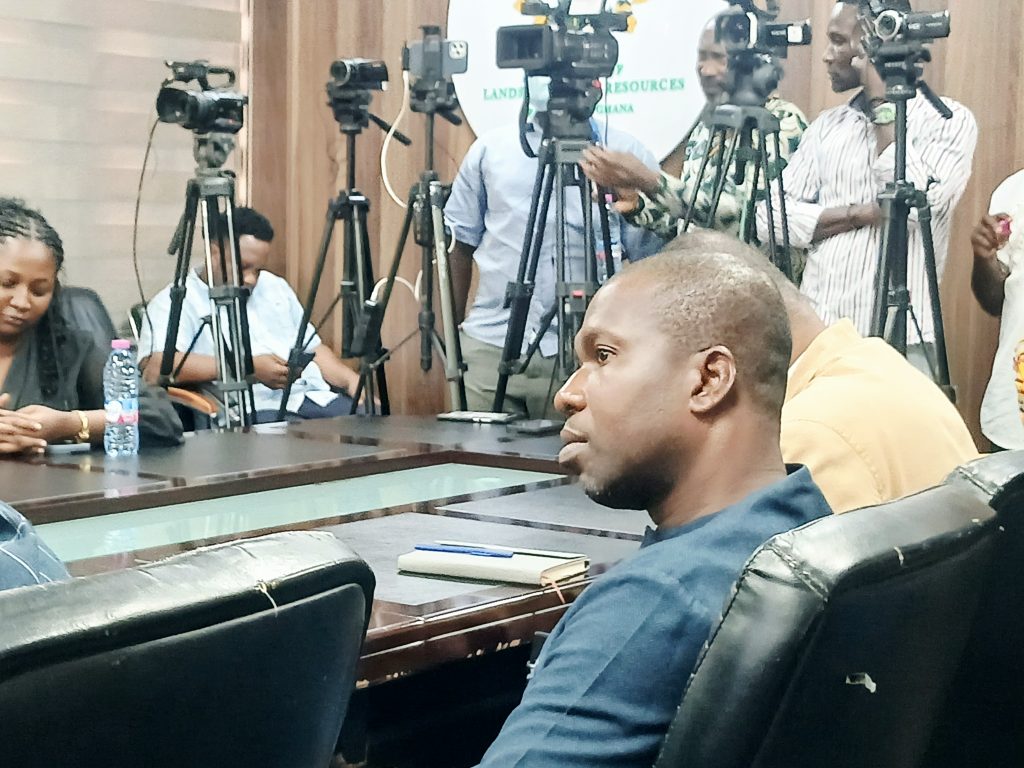
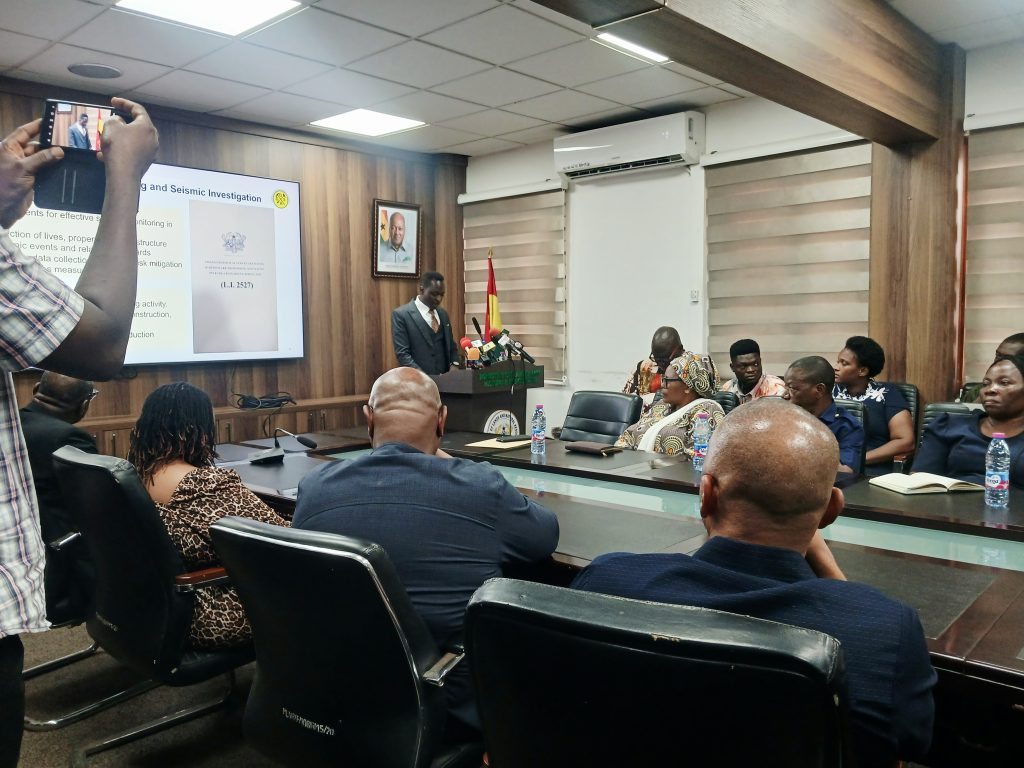
The Director-General of the Authority, Dr. Prosper Aduah Akaba, disclosed this during the Ministry of Lands and Natural Resources’ Progress Series held at the Ministry’s Conference Hall in Accra on Tuesday, November 17, 2026, under the theme, “Accountability, Achievement and Outlook for 2027.”
Presenting the Authority’s achievements and outlook, Dr. Akaba said the seven legislative instruments, which came into force on August 26, 2026, following the mandatory 21 parliamentary sitting days, provide the regulatory framework needed to give practical effect to the Ghana Geological Survey Authority Act, 2016 (Act 928).
He described the passage of the regulations as a major milestone, noting that although the Authority was established under Act 928 in 2016, it had operated for nearly a decade without the necessary regulations to fully operationalise its mandate.
The seven regulations include the Large-Scale Geological Maps Regulations, 2026 (L.I. 2526); Earthquake Monitoring and Seismic Investigations Regulations, 2026 (L.I. 2527); Geological Information and Remote Sensing Agreements Regulations, 2026 (L.I. 2528); Ground Investigation Regulations, 2026 (L.I. 2529); Geoscientific Standards and Codes of Practice Regulations, 2026 (L.I. 2530); Designation of Geoheritage and Geological Heritage Sites Regulations, 2026 (L.I. 2531); and Mineral Resources Exploration to Pre-Feasibility Study Stage Regulations, 2026 (L.I. 2532).
According to Dr. Akaba, the regulations establish standards for geological mapping, seismic monitoring, ground investigations, geoscientific data management, mineral exploration and the protection of geological heritage sites.
He said they would also strengthen the Authority’s regulatory oversight, improve the quality of geological information used for national decision-making and enhance its capacity to generate revenue.
Dr. Akaba expressed appreciation to the Minister of Lands and Natural Resources, the Office of the Attorney-General and Parliament for their roles in securing the passage of the instruments.
UPGRADE OF NATIONAL EARTHQUAKE MONITORING NETWORK
On national resilience and disaster risk reduction, the Director-General announced that the modernisation and upgrading of Ghana’s National Seismological Network had been completed and commissioned in June 2026 by the Minister of Lands and Natural Resources.
He explained that the country’s earthquake monitoring infrastructure had deteriorated significantly over the years due to ageing equipment, obsolete satellite communication systems, failed transmission components and outdated data-processing facilities.
Most remote monitoring stations had become non-functional, while dam monitoring stations lacked real-time data transmission, creating risks for critical infrastructure, including hydroelectric dams, high-rise buildings and energy installations.
Dr. Akaba said the upgrade had restored real-time seismic activity transmission and monitoring, modernised dam safety monitoring systems and enhanced the country’s capacity for disaster risk reduction and resilience.
He noted that timely and accurate seismic information would enable authorities to respond promptly to earthquake events, assess the safety of critical infrastructure and provide reliable guidance to the public.
The Authority has also conducted seismic hazard assessments across the Ga South, Ga West and Ga North municipalities and their surrounding areas to support land-use planning and reduce the risks associated with development in earthquake-prone communities.
EXPLORATION BEYOND GOLD
As part of efforts to diversify Ghana’s mineral resource base and support the global green energy transition, Dr. Akaba said the Authority had expanded its geological investigations beyond gold to include critical and industrial minerals.
He disclosed that systematic geological investigations covering approximately 729 square kilometres had been undertaken across Achiase, Akyem Apapam, Yankumasi and surrounding areas in the Eastern and Central regions.
Several pegmatite bodies had been identified during the first phase of the project, with a second phase expected to establish their mineralisation potential.
He explained that pegmatites could host critical minerals such as lithium and tantalum, which are essential for battery production, electronics and emerging clean-energy technologies.
The Authority had also undertaken geological mapping in the Nkusukum area and its environs to characterise nepheline syenites and carbonatites, which could contain minerals useful to the fertiliser, ceramics, printing, coatings and glass industries.
In addition, regional soil geochemical sampling had been completed in Dambai and its environs in the Oti Region to determine the area’s potential for base metals, including copper, iron, lead and zinc.
Laboratory results, according to Dr. Akaba, had revealed elevated values of the metals, with further investigations expected to follow.
THREE MILLION TONNES OF CLAY IDENTIFIED
The Director-General further revealed that investigations into clay deposits in the Shai-Osudoku area had resulted in the identification of approximately four square kilometres of clay deposits, with an initial resource estimate of about three million metric tonnes of exploitable clay.
He said laboratory analyses were underway to determine the suitability of the deposits for the production of Limestone Calcined Clay Cement (LC3), a low-carbon alternative to conventional Portland cement.
According to him, the development of suitable local clay resources could reduce dependence on imported clinker, lower carbon emissions associated with cement production and support the country’s infrastructure development agenda.
Dr. Akaba also announced that the Authority had completed all 48 district mineral occurrence maps targeted for the period.
He clarified, however, that the maps identify mineral occurrences and should not be interpreted as confirmed or delineated mineral resources.
He said the Authority remained open to collaboration with investors, district assemblies, mining companies and other stakeholders to undertake further investigations and establish the commercial potential of identified mineral deposits.
SUPPORT FOR RESPONSIBLE SMALL-SCALE MINING
On efforts to address illegal mining and promote responsible small-scale mining, Dr. Akaba said the Authority was being resourced to undertake geological exploration in designated areas to identify mineralised zones for small-scale mining activities.
He disclosed that the initiative was being funded by the Ghana Gold Board and the Mineral Development Fund, while discussions were ongoing with the Minerals Income Investment Fund to secure additional financial support.
He explained that providing reliable geological information to small-scale miners would help promote responsible mining practices and reduce unnecessary environmental destruction arising from poorly informed exploration activities.
INFRASTRUCTURE DEVELOPMENT AND STAFF CAPACITY
Dr. Akaba further announced that the Authority had completed renovation works on its Bono Regional Office in Sunyani, while construction of its Eastern Regional Office at Koforidua was approximately 70 per cent complete and expected to be commissioned in December 2026.
He said the improved working environment and strengthened regional presence would enhance staff productivity and bring the Authority’s services closer to communities across the country.
On institutional development, he disclosed that the Authority, in collaboration with the Public Services Commission, had developed an improved organisational structure to position it more effectively to deliver on its mandate.
The scheme of service was also being revised, while work was ongoing on a 17-year strategic plan and other policy documents, including a Board Charter, Service Charter and Communications Strategy.
The Authority had additionally received recognition at the Ghana Green Mining and Critical Minerals Awards 2026 for Outstanding Geological Research and Mapping Institution, as well as a Plaque of Honour at the 13th-day University College of Engineering Awards for its contribution to engineering education.
Dr. Akaba also highlighted international technical support and capacity-building partnerships, including a package of geological tools and equipment valued at nearly US$300,000, which he said would be provided at no cost to the Authority.
He explained that the equipment would support data modernisation and national geological modelling, enabling the Authority to develop three-dimensional representations of the country’s subsurface geology and provide better information to investors and policymakers.
The Authority has also established capacity-building partnerships with the University of Ghana, the Kwame Nkrumah University of Science and Technology, the Ghana Institute of Management and Public Administration and the National Road Safety Authority.
OUTLOOK FOR 2027
Outlining the Authority’s priorities for 2027, Dr. Akaba said it would continue geological investigations in designated areas to identify mineralised zones for responsible small-scale mining and intensify exploration for minerals beyond gold.
These include iron ore, limestone, clay, copper, lead, cobalt, zinc, lithium and columbite-tantalite.
The Authority will also continue earthquake monitoring, geohazard mapping and public education on geological hazards, while expanding the production of district mineral occurrence maps.
Other priorities include renovating the building housing the National Seismological Observatory, constructing new office complexes, rehabilitating existing infrastructure and completing the development of its strategic plan and outstanding policy documents.
He further announced plans for nationwide public sensitisation programmes on the new legislative instruments to ensure that relevant stakeholders understand and comply with the regulations.
CALL FOR STAKEHOLDER COLLABORATION
Dr. Akaba called on small-scale miners to collaborate with the Authority in investigating their concessions, while urging investors and geoscience practitioners to familiarise themselves with the new legislative instruments.
He also appealed to district assemblies and real estate developers to incorporate geological and seismic hazard information into infrastructure development and land-use planning.
The media, he said, had an important role to play in communicating accurate geoscientific information to the public.
He reaffirmed the Authority’s commitment to placing sound geoscience at the centre of Ghana’s national development, stressing that responsible mineral development, safe buildings and informed land-use decisions all depended on understanding the country’s geological conditions.
DEPUTY MINISTER COMMENDS GGSA’S STRATEGIC ROLE
Earlier, the Deputy Minister for Lands and Natural Resources, Hon. Alhaji Yusif Sulemana, described the Ghana Geological Survey Authority as one of the most strategic agencies under the Ministry, particularly in the country’s efforts to address illegal mining and environmental degradation.
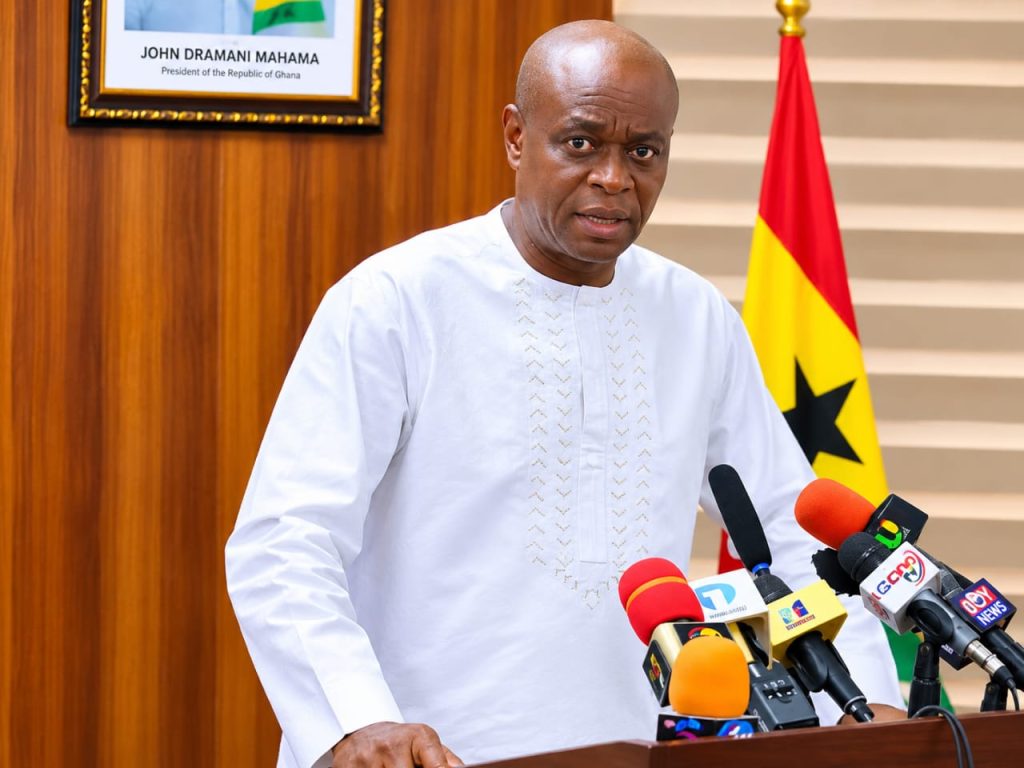
He explained that the Authority played a critical role in identifying the location and distribution of mineral deposits, providing scientific information that could help reduce indiscriminate mining and environmental destruction.
According to him, the Authority’s work was essential not only to the mining industry but also to several aspects of national development.
Hon. Sulemana said the Progress Series was intended to provide Ghanaians, through the media, with an opportunity to assess the achievements, challenges and future plans of agencies under the Ministry.
He urged journalists to accurately communicate the presentations and activities of the agencies, particularly the progress being made under the leadership of Dr. Akaba.
The Deputy Minister commended the media for its contribution to public communication and expressed appreciation for their continued partnership with the Ministry.
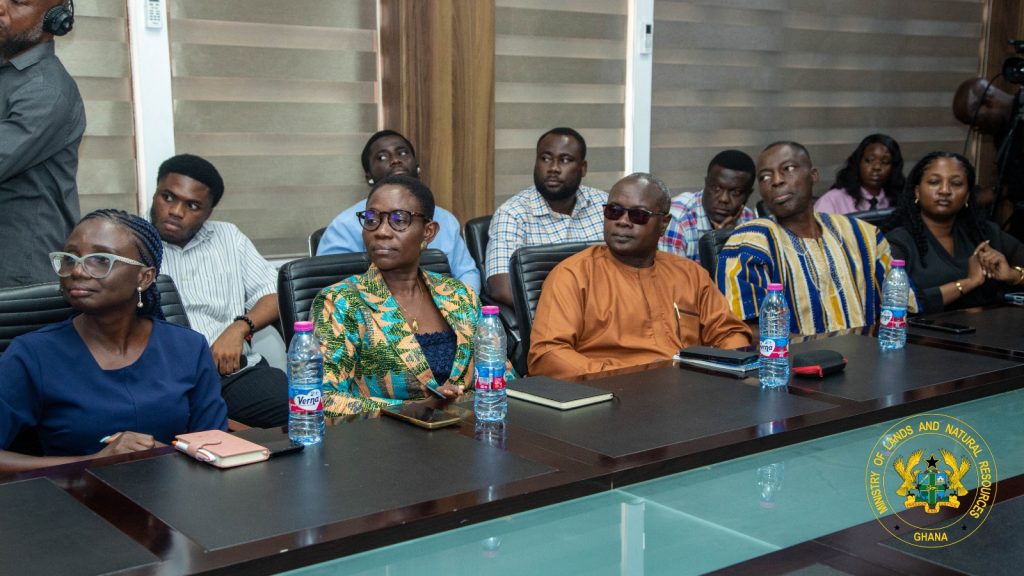
The Progress Series forms part of the Ministry of Lands and Natural Resources’ accountability and public engagement efforts to showcase the performance, achievements and future priorities of agencies under its supervision.