
Story by Eugene Nyarko Jnr. | Accra | July 14, 2026
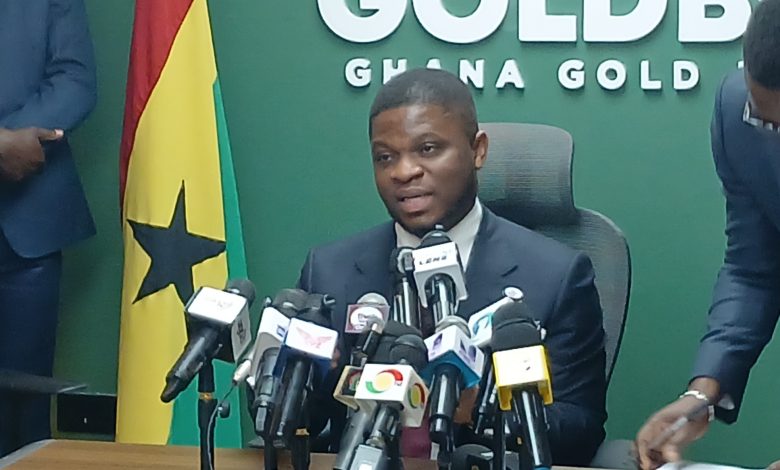
The Chief Executive Officer of the Ghana Gold Board (GoldBod), Sammy Gyamfi, Esq., has reaffirmed the institution’s commitment to environmental sustainability, stating that GoldBod’s mandate extends beyond regulating and trading in gold to supporting environmental restoration and protecting Ghana’s natural resources.
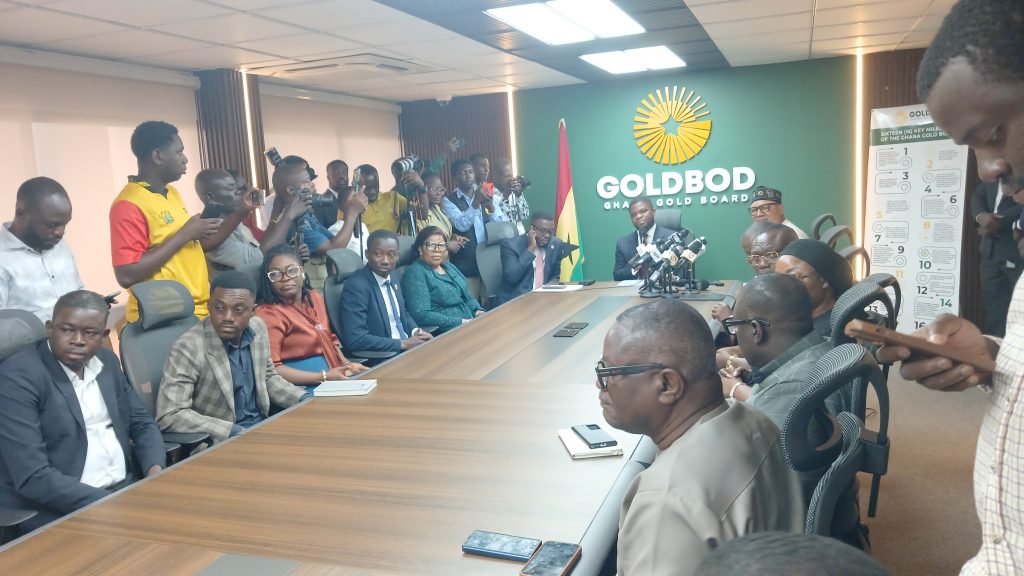
Speaking at a press conference and the signing of a Water Infrastructure Rehabilitation Funding and Implementation Agreement with Ghana Water Limited (GWL) in Accra, Mr. Gyamfi announced that GoldBod has committed GH¢8.4 million towards the rehabilitation of three water supply systems severely affected by illegal mining activities.
He explained that the Ghana Gold Board Act, 2025 (Act 1140) assigns the institution several complementary responsibilities, including supporting sustainability initiatives such as land reclamation, environmental restoration and other ecological protection measures.
According to him, these responsibilities are embedded in GoldBod’s Environmental, Social and Governance (ESG) framework and Corporate Social Responsibility (CSR) policy.
Mr. Gyamfi said GoldBod’s latest intervention follows its recent partnership with the Ministry of Defence, the Ghana Armed Forces Engineers Regiment and the Forestry Commission to reclaim 50 hectares of degraded land.
He disclosed that technical assessments conducted jointly by GoldBod and Ghana Water Limited confirmed severe siltation, sediment accumulation, channel instability and frequent intake blockages at six water supply systems in mining communities.
The affected facilities are located at Bonsa, Daboase, Etrehema, Pefikrom, Konongo and Tetrem.
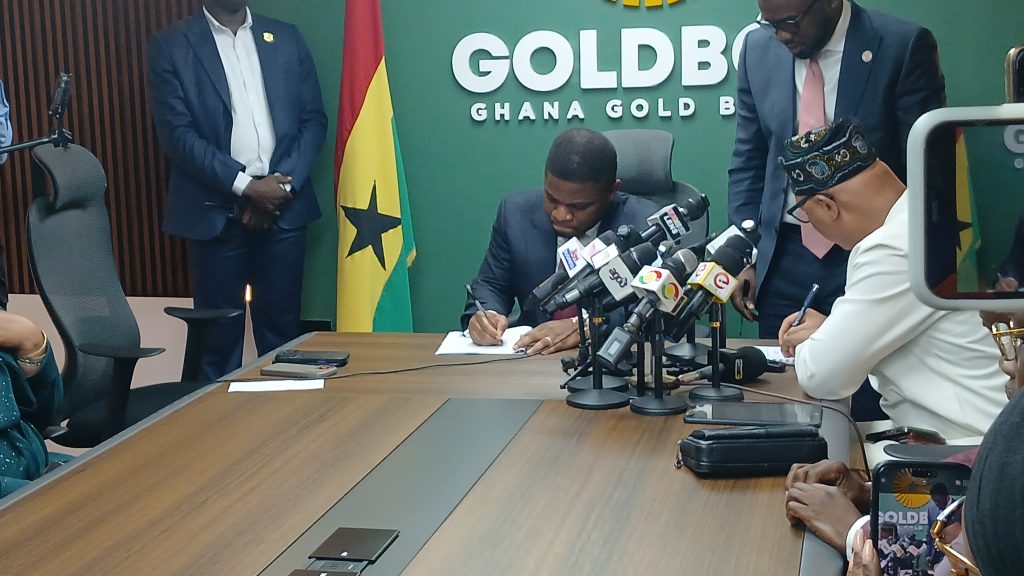
Due to budgetary constraints, GoldBod will undertake the rehabilitation exercise in two phases, with the first phase focusing on the Bonsa, Daboase and Etrehema water supply systems.
Mr. Gyamfi stressed that the degradation of the water bodies did not begin with the establishment of GoldBod but has resulted from years of illegal mining, sand winning and other environmentally harmful activities.
“We are not here to apportion blame. This is about ensuring that Ghanaians have access to safe drinking water,” he said.
He noted that the rehabilitation project will involve hydrographic surveys, sediment removal, reservoir capacity assessments, infrastructure stabilization, water quality monitoring and engineering inspections.
Mr. Gyamfi said Ghana Water Limited will implement the project while GoldBod will provide funding and monitor implementation to ensure accountability and value for money.
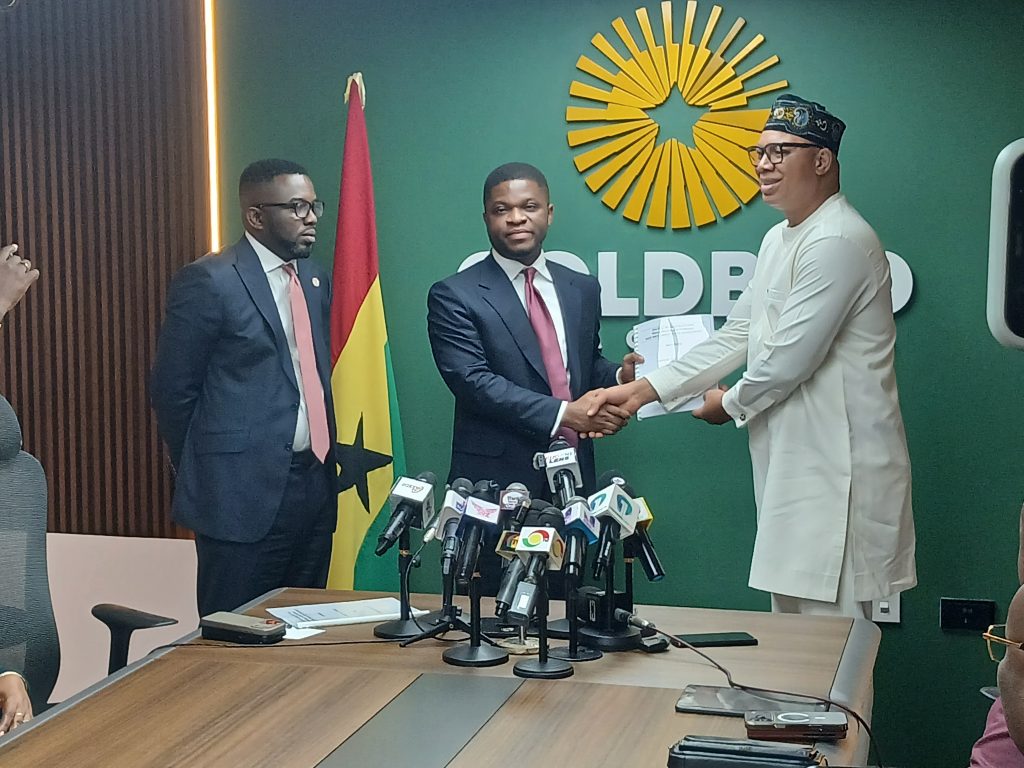
He called on public institutions and private organisations to support Ghana Water Limited, stressing that government alone cannot finance all interventions needed to restore the country’s degraded water infrastructure.
“Water is life, and protecting our water resources is a shared national responsibility,” he added.