
By Eugene Nyarko Jnr. | British Council, Accra | July 9, 2026
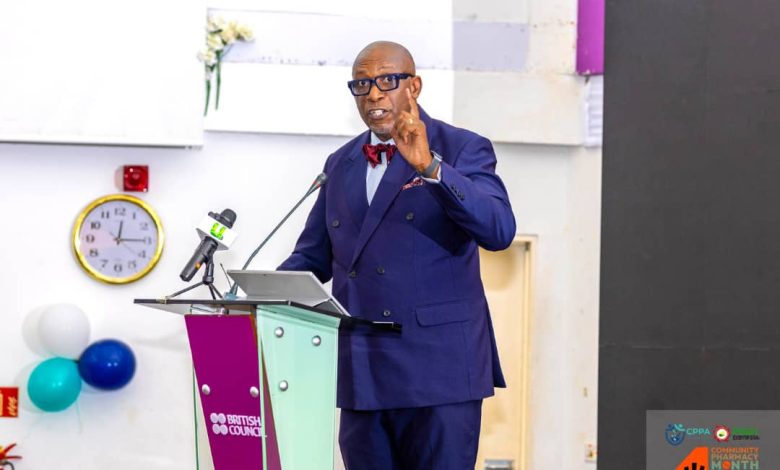
A pharmacist, academic and Chief Executive Officer of Level Up Mentorship Programme, Dr. (Pharm) John Allotey, has challenged community pharmacists to improve communication with patients, colleagues and other healthcare professionals as a key step towards strengthening Ghana’s primary healthcare delivery.
He said effective communication remains one of the most powerful tools available to pharmacists in improving patient outcomes and building trust within the healthcare system.
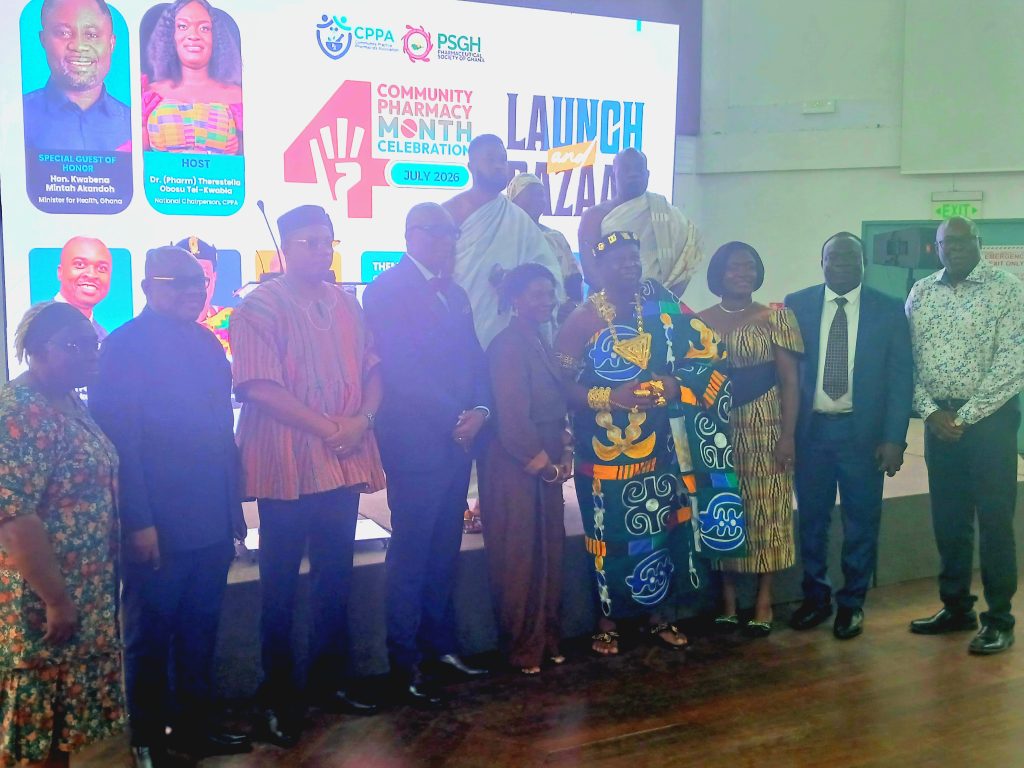
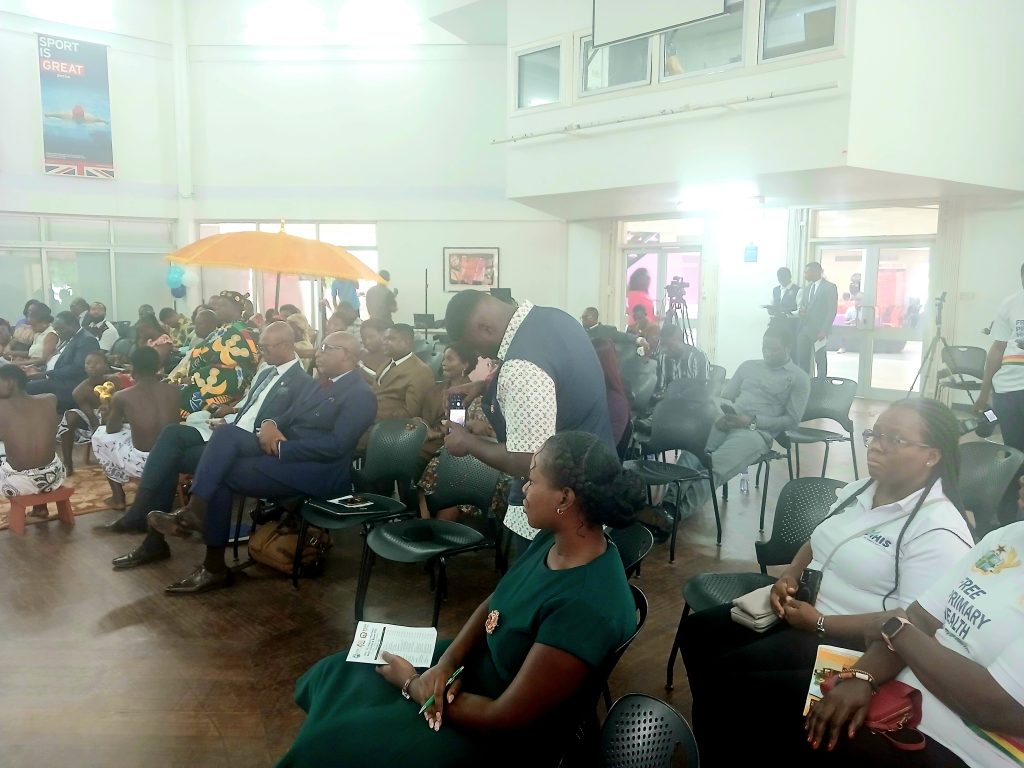
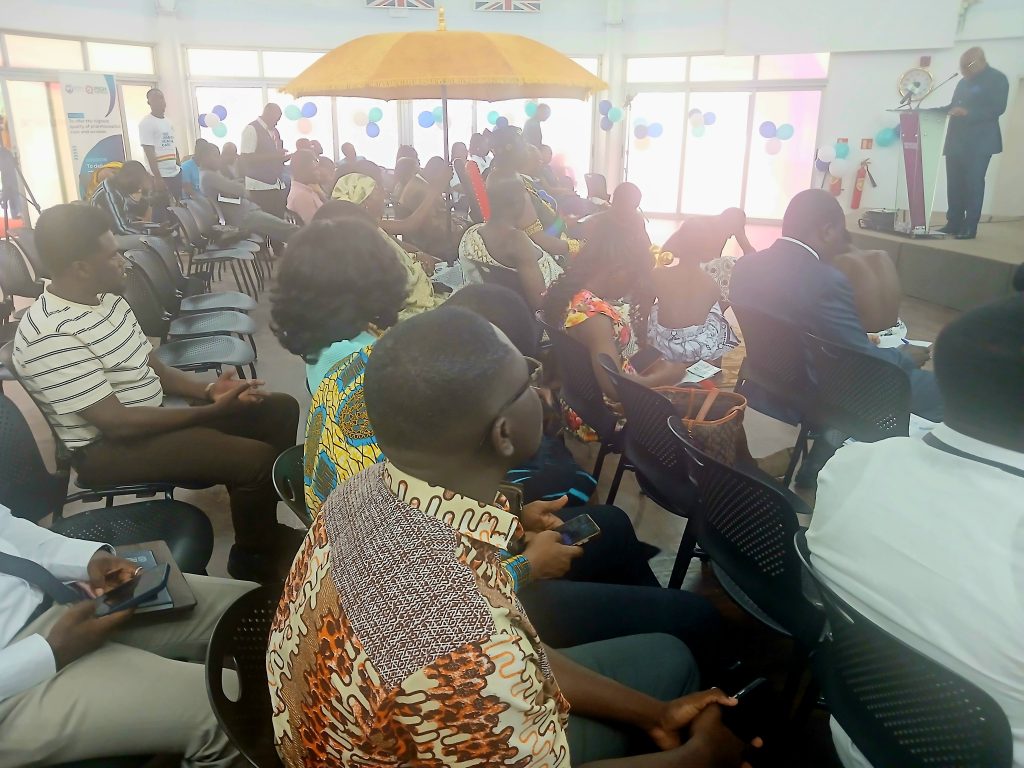
Dr. Allotey made the remarks while delivering the keynote address at the launch of the 4th Community Pharmacy Month Celebration and Bazaar, 2026, organised by the Community Practice Pharmacists Association (CPPA) at the British Council in Accra.
Speaking on the theme “Community Pharmacist: Bridging the Gap in Primary Health Care Delivery,” he argued that the gap community pharmacists are expected to bridge is not only clinical or geographical but also communicative.
“The most dangerous thing in any pharmacy is a pharmacist who does not know how to talk,” Dr. Allotey stated.
He explained that while pharmacists may possess extensive technical knowledge, failure to communicate effectively with patients can negatively affect healthcare outcomes.
According to him, pharmacists must move beyond simply giving instructions and focus on ensuring patients understand their conditions and medication requirements.
“Instructions will tell a patient what to do. Communication, however, will build a shared understanding of why we do what we are doing,” he said.
Dr. Allotey encouraged pharmacists to adopt patient-centred communication approaches, including the teach-back method, where patients explain how they intend to use their medication to demonstrate understanding.
He also called for improved communication within pharmacy teams, stressing that workplaces must encourage employees at all levels to speak up about mistakes and concerns.
“Build a team that talks. Build a team that listens. Build a team that can correct,” he urged.
On collaboration with other healthcare professionals, Dr. Allotey encouraged pharmacists to engage more actively with doctors and other providers.
He said pharmacists should not hesitate to make clinical observations, recommend alternatives or raise concerns about possible drug interactions.
“When you flag a drug interaction, suggest a more affordable alternative or recommend a referral, you are not overstepping. You are doing precisely what your years of pharmacy training equipped you to do,” he noted.
Dr. Allotey concluded by urging pharmacists to measure their success not only by the number of prescriptions they process but by the positive impact they make on patients and communities.
“The community pharmacist who bridges that gap with their voice, their presence and their humanity does not merely treat patients; they transform patients,” he said.