
Ghana’s Oil Palm Industry Targets US$500m Investment as OPDAG Calls for Land, Technology and Policy Reforms


Story by Eugene Nyarko Jnr. l La-Palm Royal Beach Hotel, Accra l Saturday, November 7, 2026 —
Ghana’s oil palm industry is seeking to attract US$500 million in investment over the next five years to bridge the country’s production deficit, create employment opportunities, strengthen local processing and position the country as a net exporter of palm oil.
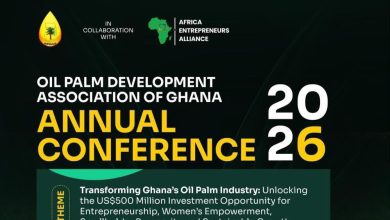
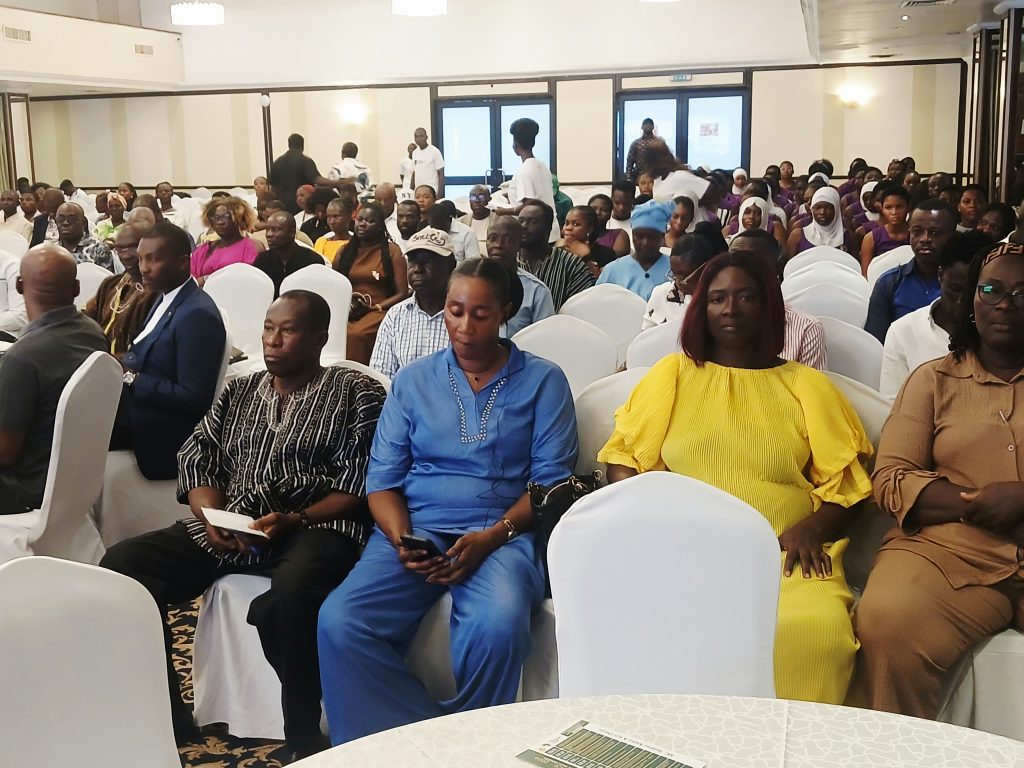
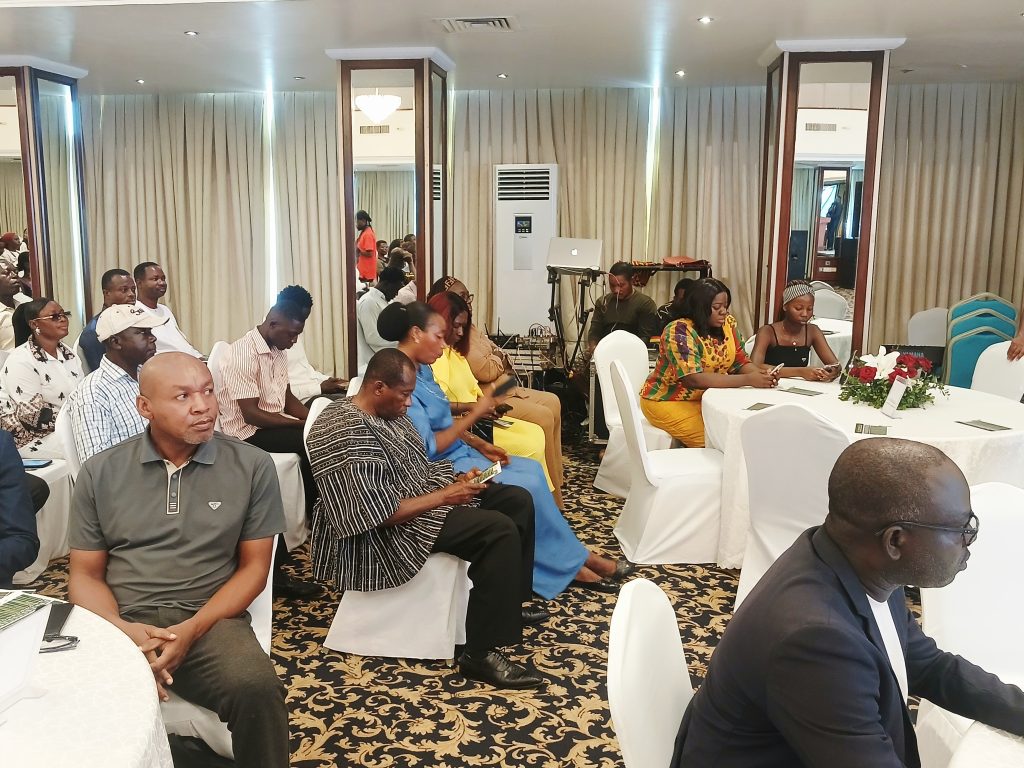
The President of the Oil Palm Development Association of Ghana (OPDAG), Mr. Paul Kwablameni Amaning, disclosed this during the opening day of the two-day Africa Entrepreneurs Alliance (AEA) and OPDAG Annual Conference and Ghana Entrepreneurship Forum 2026, held at the La-Palm Royal Beach Hotel in Accra from November 7 to 8.
The conference, organised under the theme, “Transforming Ghana’s Oil Palm Industry: Unlocking the US$500 Million Investment Opportunity for Entrepreneurship, Women’s Empowerment, Smallholder Prosperity and Sustainable Growth,” brought together industry players, regulators, development partners and entrepreneurs to deliberate on the future of Ghana’s oil palm sector.
In a media interview, Mr. Amaning said the US$500 million investment initiative was developed from an assessment conducted by OPDAG to identify the industry’s financing, production and infrastructure requirements.
He explained that Ghana needed approximately 100,000 hectares of additional oil palm plantations to address the existing production shortfall and provide the raw materials required to expand local processing capacity.
According to him, the investment would also enable existing industry players to expand their operations, improve productivity and support the government’s employment ambitions, including the creation of approximately 250,000 jobs.
He expressed confidence that with the appropriate financing and effective implementation of the investment programme over the next five years, Ghana could transition from being a net importer to a net exporter of palm oil.
Mr. Amaning described oil palm as Ghana’s potential alternative source of foreign exchange earnings, referring to it as “red gold” and arguing that the commodity could provide substantial economic returns while supporting more sustainable agricultural development.
He cited Malaysia and Indonesia as examples of countries generating significant revenues from the oil palm industry, arguing that Ghana could also benefit from a deliberate strategy to develop the sector.
On the industry’s financial prospects, he indicated that Ghana’s palm oil value chain currently generated approximately US$260 million, despite the wider market presenting an estimated value of nearly US$4 billion.

He projected that with government intervention and appropriate policies, the industry’s revenue could increase to approximately US$500 million within five years and reach US$1 billion within the next decade.
Low productivity and inadequate technology remain major concerns
The OPDAG President identified inadequate processing technology, poor farm management practices and low productivity among smallholder farmers as some of the major challenges undermining Ghana’s oil palm production.
He explained that Ghana currently produced approximately 250,000 metric tonnes of palm oil against an estimated national deficit of 150,000 metric tonnes.
Mr. Amaning said smallholder farmers were producing approximately six metric tonnes per hectare, compared with more than 20 metric tonnes per hectare achieved in Malaysia.
He therefore called for improved seedlings, modern agricultural technologies, better farm management practices and accessible financing to increase productivity.
According to him, empowering farmers with the necessary resources could help increase production significantly without necessarily expanding existing farm sizes.
He cautioned, however, that the proposed US$500 million investment would only achieve its intended objectives if the funds were properly channelled towards farmers, agricultural enterprises and critical industry infrastructure.
“If the US$500 million is properly used, we will be able to increase our production from maybe 250,000 to 500,000,” he stated.
He further disclosed that OPDAG had engaged Accra Technical University (ATU) to develop training programmes and an industry-oriented curriculum to equip young people with the technical and entrepreneurial skills required to participate in the oil palm value chain.
The initiative, he explained, would prepare young people for employment and entrepreneurship while improving their understanding of business development and access to financing.
OPDAG introduces digital tracking to tackle adulteration
Addressing concerns about the quality and safety of palm oil products on the Ghanaian market, Mr. Amaning disclosed that OPDAG was working with three companies to introduce a digital traceability system using blockchain technology and QR codes.
He explained that the system would enable consumers to scan identification stickers on palm oil products to establish their origin and determine whether they came through approved production and regulatory channels.
The initiative, he said, was intended to strengthen consumer confidence, address adulteration and improve accountability within the industry.
He added that OPDAG’s immediate priorities included zero tolerance for smuggling and adulteration, alongside efforts to expand production and improve the competitiveness of Ghana’s oil palm industry.
GOPDC CEO identifies illegal imports and taxation as barriers to investment
In a keynote address, the Chief Executive Officer of Ghana Oil Palm Development Company Limited (GOPDC), Mr. Shetty Gangadhar, identified illegal palm oil imports, unfavourable tax arrangements and challenges associated with accessing affordable land as major obstacles to unlocking the industry’s investment potential.
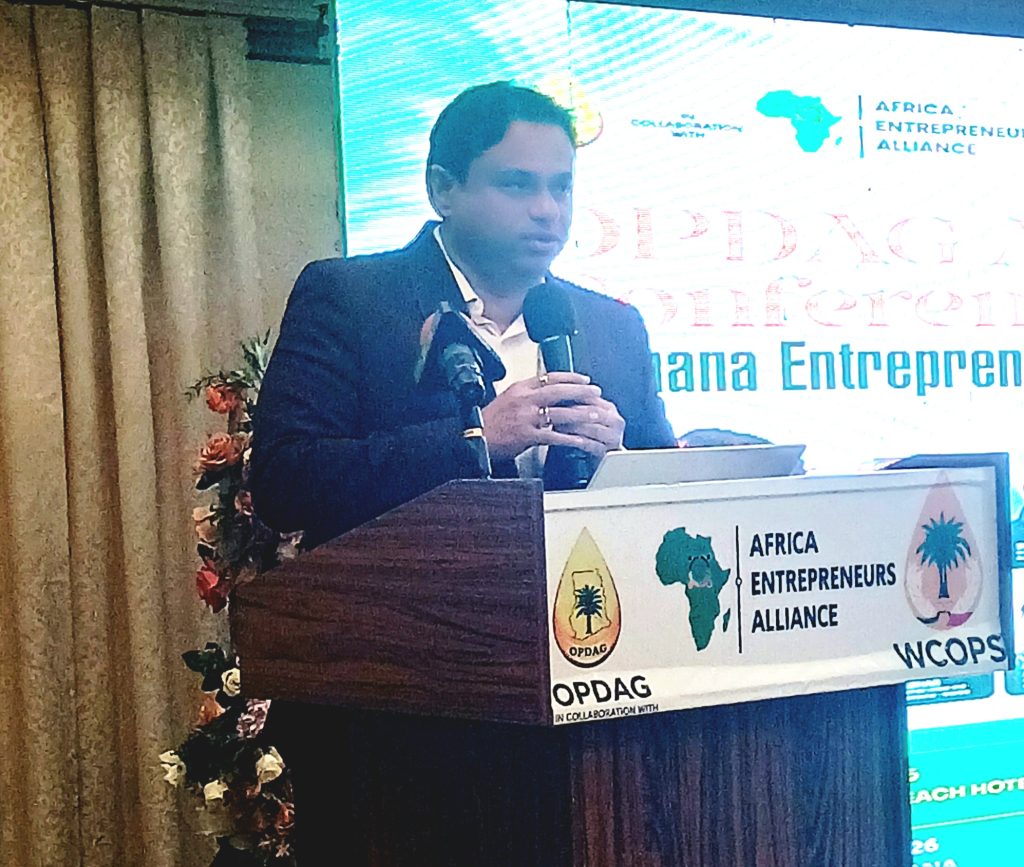
He argued that Ghana’s ambition to attract US$500 million into the sector could not be realised without addressing the structural challenges affecting local producers, processors and other businesses across the value chain.
Mr. Gangadhar observed that although international palm oil prices had increased significantly since the COVID-19 pandemic, reaching approximately US$1,200 to US$1,300 per tonne, the benefits were largely concentrated upstream, leaving downstream processors struggling.
Using GOPDC as an example, he disclosed that the company operated a 14,000-hectare concession, of which approximately 9,500 hectares had been planted, employing close to 5,000 people.
He contrasted Ghana’s limited expansion opportunities with the company’s operations in Nigeria, where its sister concern had grown from an initial 3,000 hectares to approximately 65,000 hectares.
He said the Nigerian operation had ambitions to expand its planted area to 150,000 hectares within eight years, highlighting the contrasting investment conditions between the two countries.

According to him, the major challenge in Ghana was not necessarily the availability of land but rather accessibility, acquisition costs and the compensation requirements associated with existing settlers.
He estimated that acquiring land in Ghana through appropriate compensation arrangements could cost between US$5,000 and US$6,000 per hectare, compared with approximately US$200 per hectare in Nigeria.
He disclosed that GOPDC had explored approximately 15,000 hectares of land in the Central and Western Regions but encountered difficulties because some of the lands were already occupied by settlers who would require proper compensation.
Calls for government-backed land acquisition
To address the challenge, Mr. Gangadhar proposed that government consider acquiring suitable agricultural land and making it available to credible oil palm investors at reasonable prices.
He suggested that companies benefiting from such arrangements should be required to develop portions of the acquired land for smallholder farmers, including those who might have lost access to their previous farmlands.

Under the proposed arrangement, investors would support plantation development and maintenance, while revenues generated would be used to meet operational expenses, repay financing and provide returns to participating farmers.
He said the proposal had been presented for consideration within discussions involving the World Bank’s proposed US$500 million support for the oil palm industry.
Mr. Gangadhar further disclosed that GOPDC was prepared to commit approximately US$200 million in investment to Ghana if suitable land could be secured at commercially reasonable prices.
Illegal imports undermine local processors
On the impact of smuggling, the GOPDC Chief Executive Officer said Ghana was facing a troubling situation in which locally produced crude palm oil was being exported to neighbouring countries while cheaper refined palm oil allegedly entered the domestic market through unapproved routes.
He disclosed that Ghana consumed approximately 520,000 tonnes of edible oils annually, including about 420,000 tonnes of palm oil, with local production accounting for approximately 250,000 tonnes.

He estimated that between 150,000 and 170,000 tonnes of palm oil were imported to bridge the domestic supply gap.
He argued that the situation created an economic disadvantage for local processors, who were required to comply with regulatory and tax obligations while competing against imported products allegedly entering the country without payment of the appropriate duties.
Mr. Gangadhar explained that some local refiners were unable to compete with the prices of illegally imported refined palm oil because they incurred additional costs associated with purchasing crude palm oil, processing, refining and distribution.
He therefore called for stronger enforcement of existing import regulations, particularly the policy requiring refined palm oil imports to enter Ghana through designated seaports rather than land borders.
He maintained that smuggling should not be treated merely as a border-control concern but as a wider economic threat to legitimate businesses, employment and government revenue.
He also called for a review of the tax structure governing crude and refined palm oil imports to ensure that local processors were not disadvantaged.
According to him, Ghana’s current duty arrangements, which he said placed a five per cent duty on both crude palm oil and certain refined palm oil imports under manufacturing arrangements, undermined the competitiveness of local value addition.

He urged policymakers to establish a fair, predictable and competitive tax environment rather than grant special exemptions to businesses.
“We are not asking for any kind of incentive or substitution. No. Provide us a level playing field,” he stressed.
He further appealed to government to strengthen enforcement, broaden the tax net and ensure that imported products complied with the same obligations imposed on domestic businesses.
AEA calls for stronger collaboration across the value chain
In her opening remarks, the President of the Africa Entrepreneurs Alliance (AEA), Mrs. Eunice Botchway, called for stronger collaboration among farmers, entrepreneurs, regulators, investors and development partners to unlock Ghana’s oil palm industry potential.
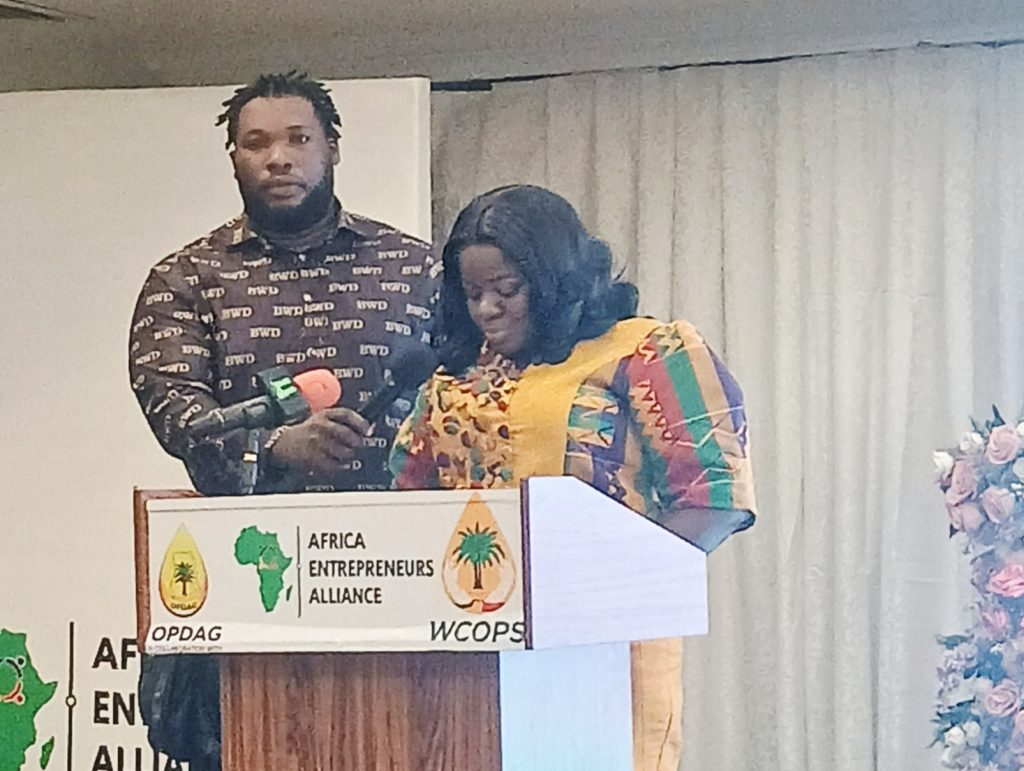
She said Ghana had the land, human resources and technical expertise required to transform the sector but needed greater alignment among stakeholders to translate its potential into increased production and economic benefits.
According to her, the conference represented an opportunity to build partnerships capable of addressing existing weaknesses in the oil palm value chain and ensuring that farmers and processors received the full value of their labour.
Mrs. Botchway highlighted the importance of collaboration between entrepreneurs and regulatory institutions, including the Food and Drugs Authority (FDA), as well as other relevant industry stakeholders.
She expressed confidence that the discussions and technical sessions would provide participants with practical insights into improving production, strengthening supply chains and expanding investment opportunities.
She subsequently declared the 2026 Africa Entrepreneurs Alliance and OPDAG Annual Conference officially open.
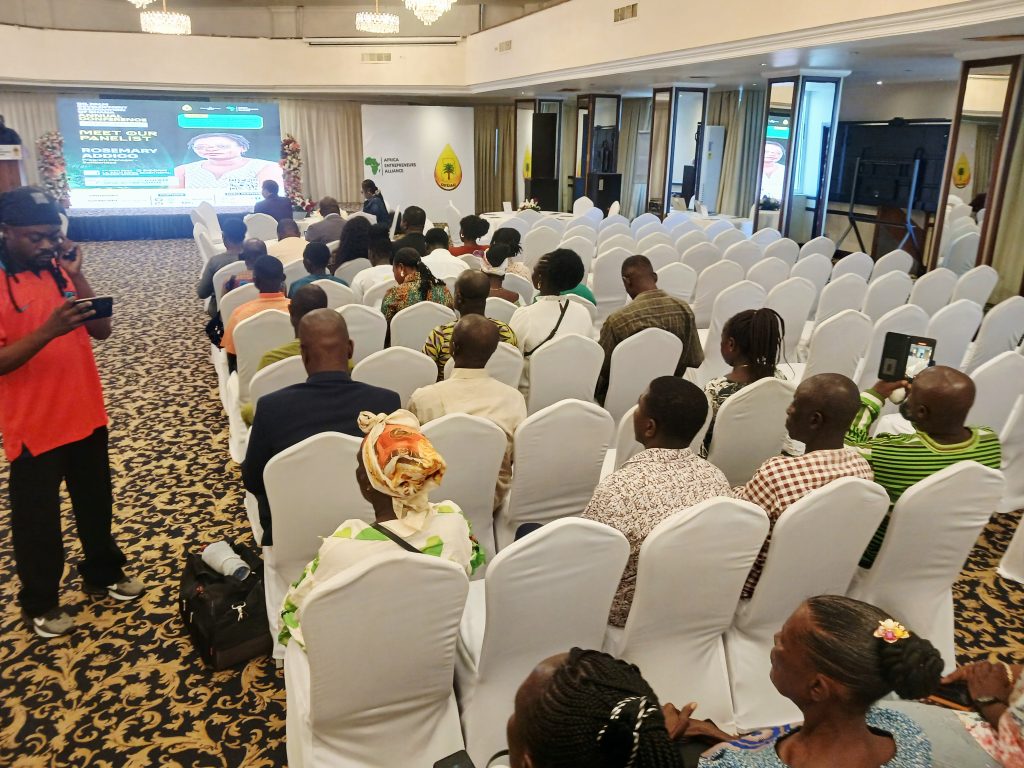
The two-day conference brought together industry leaders, entrepreneurs, regulators, development partners and other stakeholders to examine investment opportunities, policy reforms, smallholder development, women’s empowerment and sustainable growth within Ghana’s oil palm industry.