
GTBank, Experts Intensify Autism Advocacy as Stakeholders Call for Greater Support and Early Intervention


Story by Eugene Nyarko Jnr. | UPSA, Accra | Tuesday, August 4, 2026
Stakeholders in autism care have called for increased awareness, early intervention and stronger support systems for persons living with Autism Spectrum Disorder (ASD).
They made the call at the fifth Annual Autism Workshop and Consultation organised by Guaranty Trust Bank Ghana Ltd at the University of Professional Studies, Accra (UPSA).
The five-day workshop, which runs from August 4 to 8, 2026, is aimed at promoting autism awareness, acceptance and inclusion, while providing families and caregivers access to specialists for professional consultations.
The Divisional Head of Corporate Communication and Customer Experience at Guaranty Trust Bank Ghana, Agnes Owusu-Afram, said the bank’s autism initiative had moved beyond awareness creation to practical interventions aimed at supporting individuals on the autism spectrum.
She said the programme, which started four years ago, was part of the bank’s Corporate Social Investment (CSI) initiative to respond to the needs of communities.
“Once autism lives with us and we have individuals who are on the autism spectrum, it is important that we continue to support them in managing it,” she said.
Ms Owusu-Afram explained that the objective was to ensure that persons living with autism were able to thrive in classrooms, families, workplaces and public spaces.
She said the bank had engaged more than 30 consultants from different parts of the world for this year’s workshop to provide professional assessments and one-on-one consultations for families.
According to her, support for autism should not be limited to medication, as many individuals require therapy, behavioural interventions and guidance on how best to support them in their daily environments.
She noted that many children with autism had previously been kept away from society due to stigma and misconceptions, a situation the initiative sought to address through continuous advocacy.
Health challenges
An Ear, Nose and Throat (ENT) Senior Specialist and Paediatric ENT Surgeon, Dr Isaac Barnor, said children with autism often experienced a number of ENT-related conditions which required attention.

He mentioned conditions such as hyperacusis, tinnitus, auditory processing disorder and sleep disorders as some of the challenges faced by many individuals on the autism spectrum.
Dr Barnor explained that hyperacusis, which causes extreme sensitivity to sound, often resulted in children covering their ears in noisy environments, while auditory processing disorder affected their ability to interpret sounds correctly.
He added that sleep disorders, particularly insomnia, were common among autistic children and could worsen behavioural challenges.
The specialist cautioned parents against the indiscriminate use of antibiotics, explaining that excessive use could disrupt the body’s natural bacteria and affect the gut-brain connection.
He said such disruptions could contribute to digestive problems, feeding difficulties and increased distress among some autistic individuals.
Dr Barnor also urged society to stop associating autism with spiritual causes, stressing that autism was a neurodevelopmental condition and not a spiritual problem.
He said persons living with autism were capable individuals with unique abilities and talents, but required acceptance and appropriate support.
He called on the government to introduce more interventions in public schools and healthcare facilities to support children with autism.
Early intervention
A Developmental Paediatrics Autism Spectrum Clinical Consultant based in Atlanta, Georgia, Dr Bernadette N. Kilo, stressed the importance of early intervention in improving outcomes for children with autism.
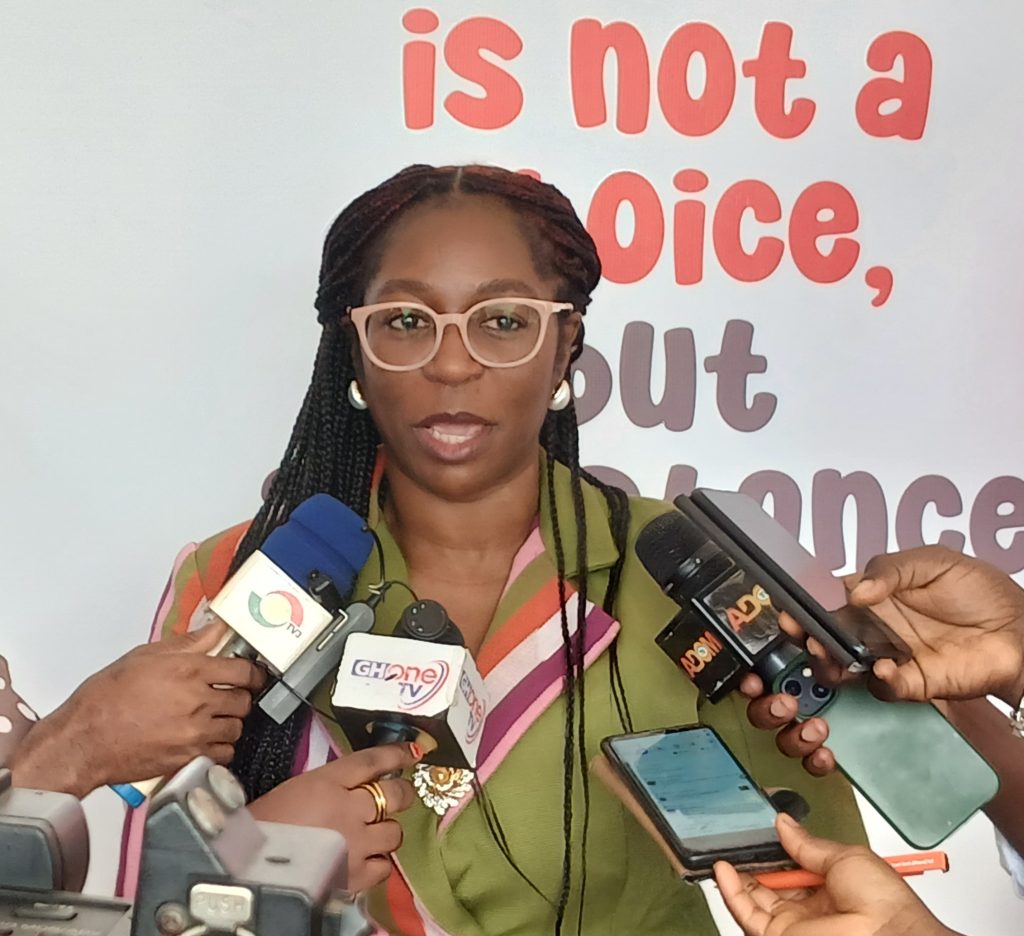
She advised policymakers to view investment in autism support as a long-term measure that would reduce future social and economic costs.
Dr Kilo said although establishing autism support systems might appear costly in the short term, delaying intervention would make support more difficult and expensive in the future.
She explained that the early years of a child’s development were critical and that interventions before the age of six could significantly improve communication, learning and behavioural outcomes.
According to her, autism should be understood as a different way of experiencing the world and should not be associated with stigma.
She encouraged families and communities to accept persons living with autism and provide them with the necessary support to enable them to reach their full potential.
The workshop brought together healthcare professionals, parents, caregivers, educators and other stakeholders to promote greater understanding and inclusion of persons living with autism.