
Credit: Eugene Nyarko Jnr. | Mövenpick Hotel, Accra | May 4, 2026
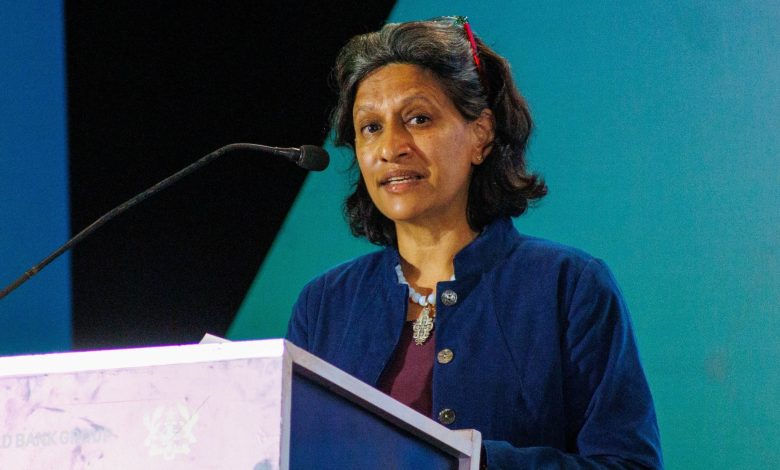
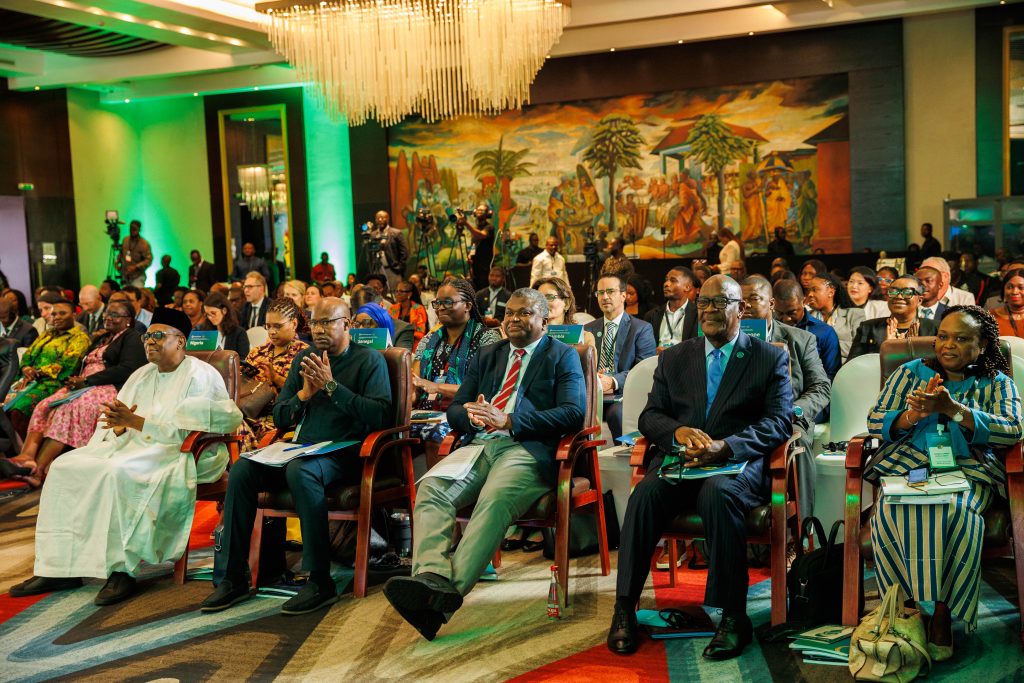
The Vice President of the World Bank Group, Mamta Murthi, has announced an ambitious plan to expand access to quality healthcare to at least 200 million people across West and Central Africa by 2030.
Speaking at the launch of the World Bank Regional Health, Nutrition and Population (HNP) Strategy at the Mövenpick Ambassador Hotel, Ms. Murthi described the initiative as a critical step toward unlocking the region’s human capital and economic potential.
She commended President John Dramani Mahama for his leadership on the “Accra Reset,” which seeks to reposition development cooperation around national sovereignty, self-reliance, and shared prosperity.
Ms. Murthi noted that West and Central Africa is among the fastest-growing and youngest regions globally, with projections indicating that more than 200 million children will be born in the region by 2050.
“This presents both an opportunity and a responsibility to invest in health systems that will drive growth, jobs, and prosperity for decades to come,” she said.
According to her, the World Bank has set a global target of reaching 1.5 billion people with affordable and quality health services by 2030, with a significant focus on Africa.
She outlined six key pillars required to build effective primary healthcare systems, including well-equipped facilities with reliable energy and water, expanded service delivery platforms such as community health workers and telemedicine, a digitally enabled workforce, country-specific service packages, sustainable financing, and access to affordable medicines and vaccines.
Ms. Murthi explained that the regional strategy, themed “Fit to Prosper,” translates these priorities into action through three main focus areas: strengthening frontline primary healthcare, improving financing systems, and enhancing future readiness to respond to emergencies such as disease outbreaks and climate-related risks.
She revealed that the region currently records 33 per cent of global child deaths, 44 per cent of maternal deaths, and nearly 60 per cent of malaria-related deaths, describing the figures as both a public health and economic concern.
“Investing in health delivers significant economic returns, with benefit-to-cost ratios exceeding 15 to 1. The cost of inaction far outweighs the cost of investment,” she stressed.
Ms. Murthi highlighted key support mechanisms, including the Global Financing Facility and the Accelerating Impact on Medicines and Supplies (AIM2030) initiative, which aim to scale up proven health interventions and boost local pharmaceutical manufacturing across Africa.
She emphasized that strengthening domestic financing and aligning donor support with national priorities remain essential to achieving sustainable health outcomes.
The Vice President also encouraged countries to develop National Health Compacts to guide investment and attract private sector participation, describing them as critical tools for aligning resources and improving accountability.
She praised Ghana’s achievements in healthcare, including its National Health Insurance Scheme and innovations in supply chain systems, noting that the country continues to serve as a model for reform in the region.
Ms. Murthi further called on development partners, the private sector, and philanthropic organizations to collaborate in mobilising resources and expertise to support the strategy’s implementation.
She stressed that prioritising health investment is essential to breaking the cycle of poverty and unlocking long-term economic growth.
“By investing in health today, we are investing in jobs, productivity, and the future of this region,” she said.
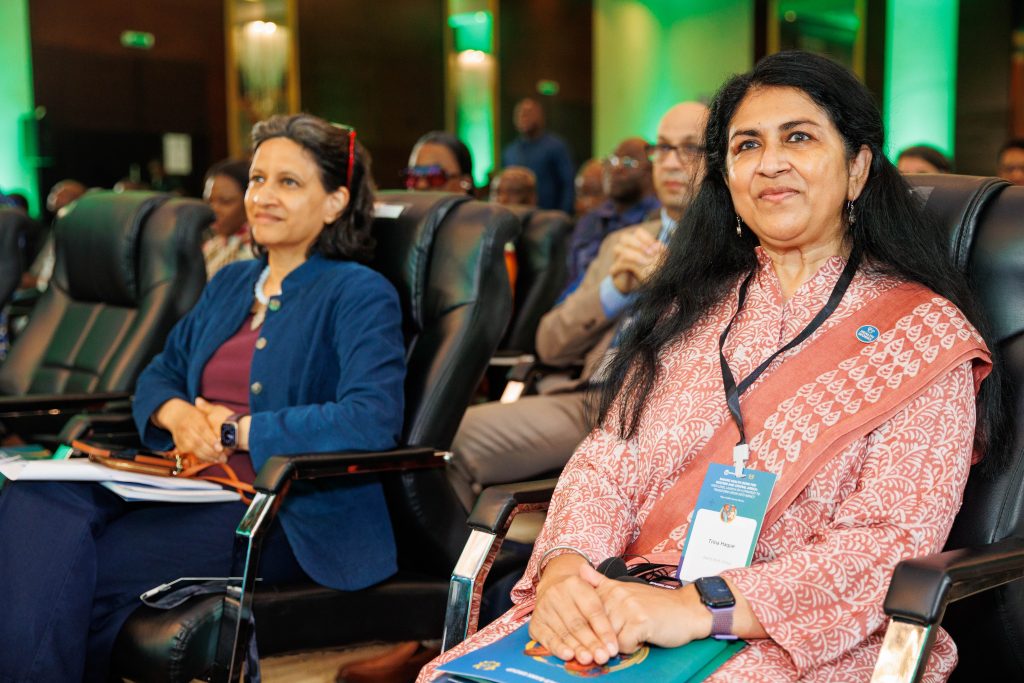
The World Bank Regional Health, Nutrition and Population Strategy is expected to guide coordinated efforts to strengthen health systems, improve nutrition outcomes, and build resilience across West and Central Africa.