
Story by Eugene Nyarko Jnr. I Accra l Monday, August 24, 2026
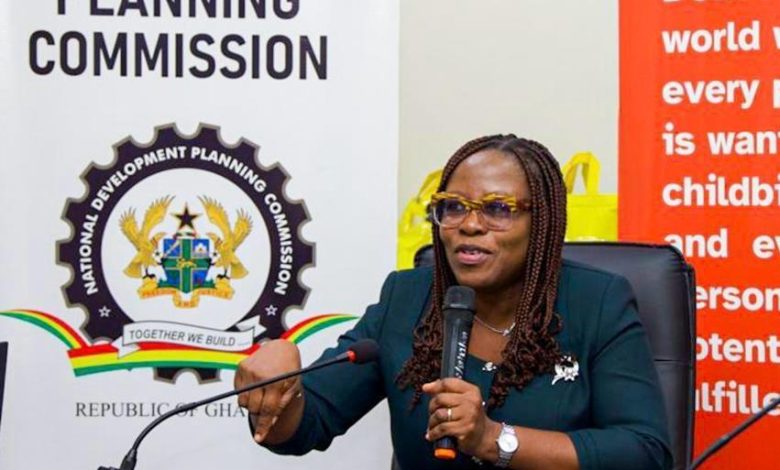
The Director-General of the National Development Planning Commission (NDPC), Dr Audrey Smock Amoah, has called for stronger integration of population variables into Ghana’s development planning to ensure that policies and programmes respond effectively to the needs of the people.
She said population dynamics, including population size and growth, age structure, fertility, mortality, migration and spatial distribution, had significant implications for the provision of social services, infrastructure, employment opportunities and other development needs.
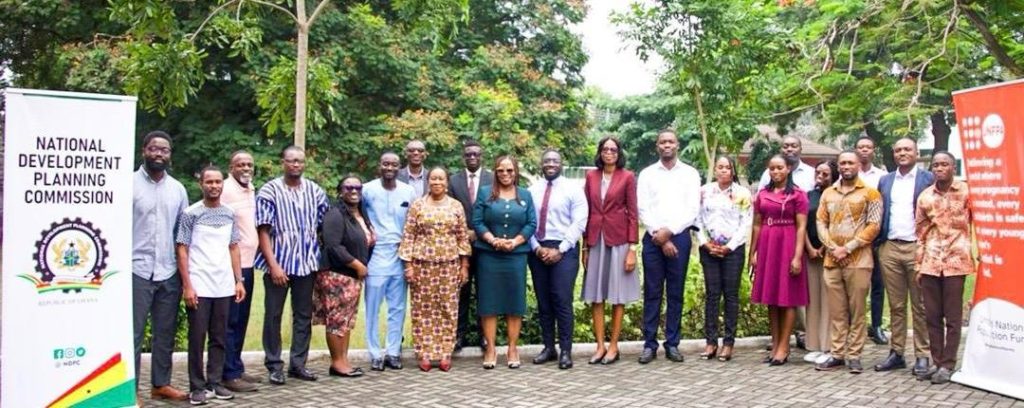
Dr Amoah made the call in Accra on Monday, August 24, 2026, when she opened a four-day technical assessment of selected 2026–2029 Medium-Term Development Plans (MTDPs).
The assessment, organised by the NDPC in collaboration with the National Population Council (NPC), is aimed at examining how population variables have been incorporated into selected development plans and whether population evidence is effectively informing development priorities and decision-making.
Dr Amoah stressed that the ultimate objective of development planning should be to translate well-designed plans into tangible improvements in the lives of citizens.
“It’s very good to have a good plan, but it is best to have the plan implemented and ultimately the plan having effect on the people the plan is intended to serve,” she said.
She explained that the exercise would also provide an opportunity to update the Population Integration Models to reflect Ghana’s current demographic realities.
According to her, the models had not been utilised for more than a decade, making the availability of data from the 2021 Population and Housing Census particularly important for updating them and making them relevant to contemporary planning needs.
Dr Amoah said the exercise was not merely about replacing old population figures with new data, but ensuring that population evidence was properly translated into development planning and decision-making, particularly at the local level.
She urged participants drawn from Ministries, Departments and Agencies (MDAs) and other institutions to actively contribute to the assessment and help strengthen the integration of population considerations into development plans.
Population dynamics
Mr David Agyemang, a Programme Analyst, who spoke on behalf of the United Nations Population Fund (UNFPA) representative, welcomed the assessment and described population dynamics as central to effective development planning.
He said the exercise would go beyond determining whether population variables had been included in the MTDPs to assessing whether population evidence was actually influencing development priorities, implementation and decision-making.
He said the effective use of population data was essential to ensuring that development interventions were appropriately targeted and responsive to demographic realities.
The technical assessment brings together selected representatives from MDAs and other relevant institutions to examine the application of population variables in selected areas of the 2026–2029 MTDPs.
The findings from the assessment are expected to inform the review and update of the Manual on the Integration of Population Variables in Development Planning, as well as guide related capacity-building support for development planners.
The exercise forms part of broader efforts to strengthen evidence-based development planning and ensure that Ghana’s development programmes are aligned with the country’s changing demographic profile.