
By Eugene Nyarko Jnr. | Mövenpick Hotel, Accra | May 4, 2026
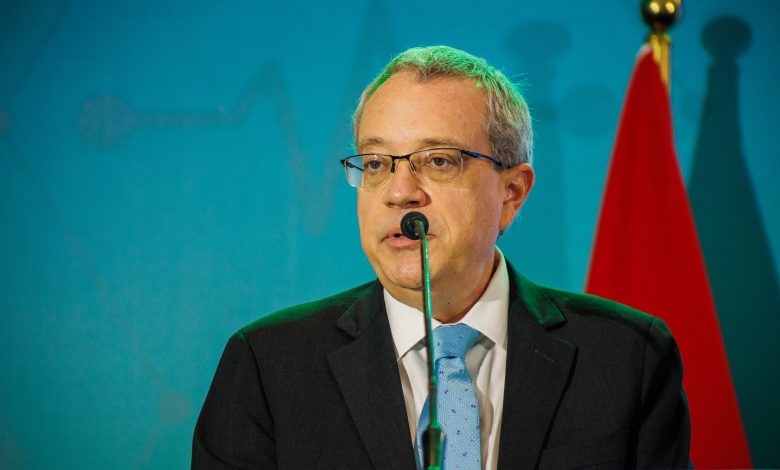
The Divisional Director of the World Bank Group, Robert R. Taliercio, has praised Ghana’s leadership and progress in the health sector, describing the country as a model for the region.
Delivering welcome remarks at the launch of the World Bank Regional Health, Nutrition and Population Strategy at the Mövenpick Ambassador Hotel, Mr. Taliercio said Ghana’s sustained investments in health, nutrition and financing systems demonstrate that meaningful progress is achievable across Africa.
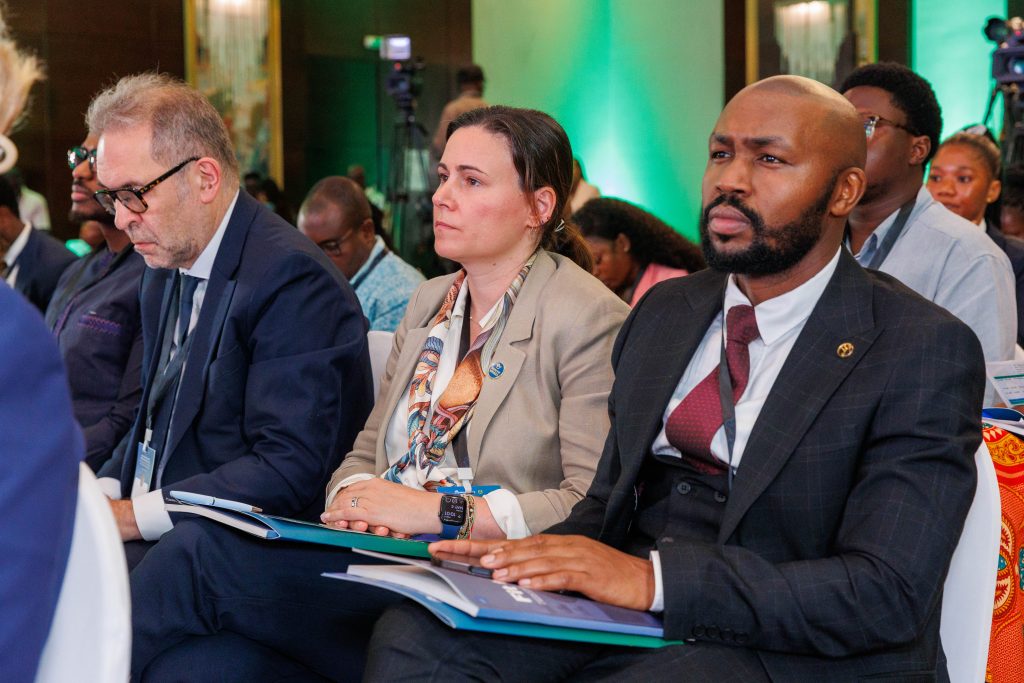
The high-level event brought together ministers of health and finance from across West and Central Africa, alongside development partners, private sector representatives, and civil society actors.
Mr. Taliercio expressed appreciation to President John Dramani Mahama for his leadership, particularly highlighting the “Accra Reset” initiative, which seeks to reshape global health financing and promote greater African ownership in health decision-making.
According to him, the initiative signals strong political commitment and provides a pathway for countries to assert their sovereignty within the global health architecture.
He noted that Ghana’s longstanding partnership with the World Bank dates back to 1957, the year the country gained independence, adding that the relationship has evolved into one of the most comprehensive in the region, covering sectors such as agriculture, energy, education, and health.
The World Bank, he disclosed, is currently preparing a new Country Partnership Framework with Ghana to guide collaboration over the next six years.
Highlighting Ghana’s achievements, Mr. Taliercio pointed out that childhood stunting has been reduced significantly over the past two decades, positioning the country among the top performers in the region.
He further indicated that Ghana is one of only a few countries in West Africa to have improved health outcomes to a level where it can potentially benefit from a demographic dividend.
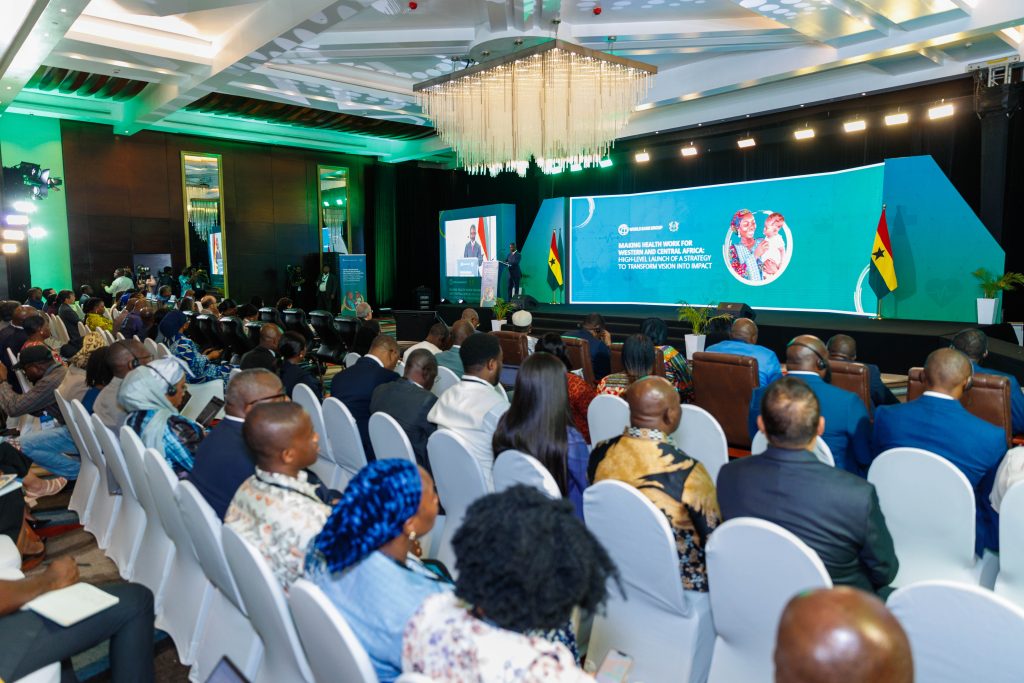
“Ghana is not simply a venue. It shows us how sustained commitment to primary healthcare, nutrition and sustainable financing can deliver results,” he said.
He also noted that Ghana’s health financing system continues to serve as a model for reform across the region.
Mr. Taliercio emphasised that the successes recorded by Ghana provide concrete evidence that the ambitions outlined in the new regional strategy are attainable.
He urged stakeholders to actively engage with the strategy and commit to its implementation, stressing the importance of partnerships among governments, development institutions, civil society and the private sector.
“This room represents the kind of partnership that actually moves things,” he said.

The World Bank’s Regional Health, Nutrition and Population Strategy is expected to guide efforts aimed at strengthening health systems, improving nutrition outcomes, and enhancing human capital development across West and Central Africa.