
NDPC REPORT RECORDS ECONOMIC GAINS, FLAGS YOUTH UNEMPLOYMENT AND MATERNAL HEALTH CHALLENGES

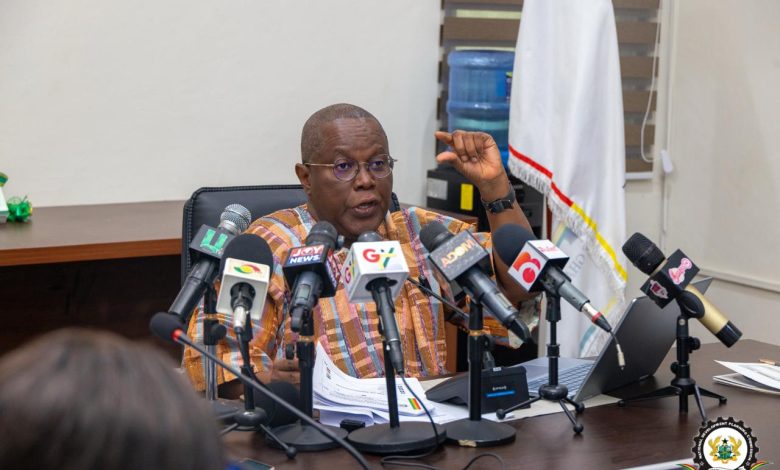
Story by Eugene Nyarko Jnr. I NDPC, Accra I Thursday, July 16, 2026
The Chairman of the National Development Planning Commission (NDPC), Dr. Nii Moi Thompson, has highlighted improvements in Ghana’s macroeconomic performance while acknowledging persistent development challenges in youth unemployment, maternal health and service delivery capacity.
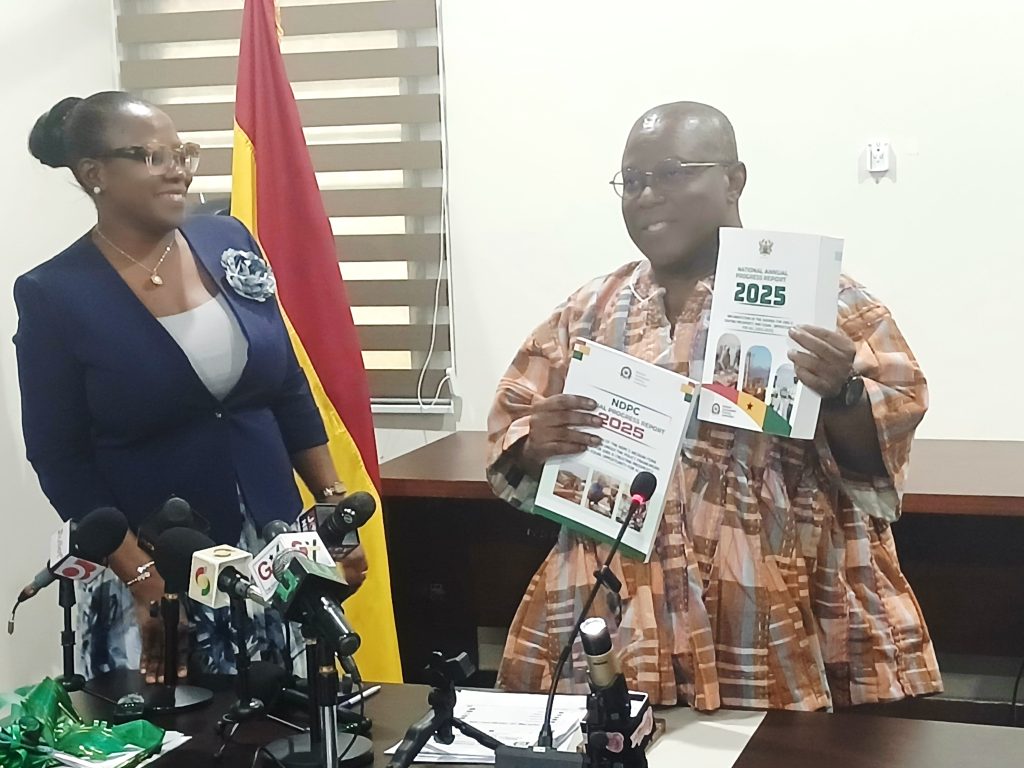
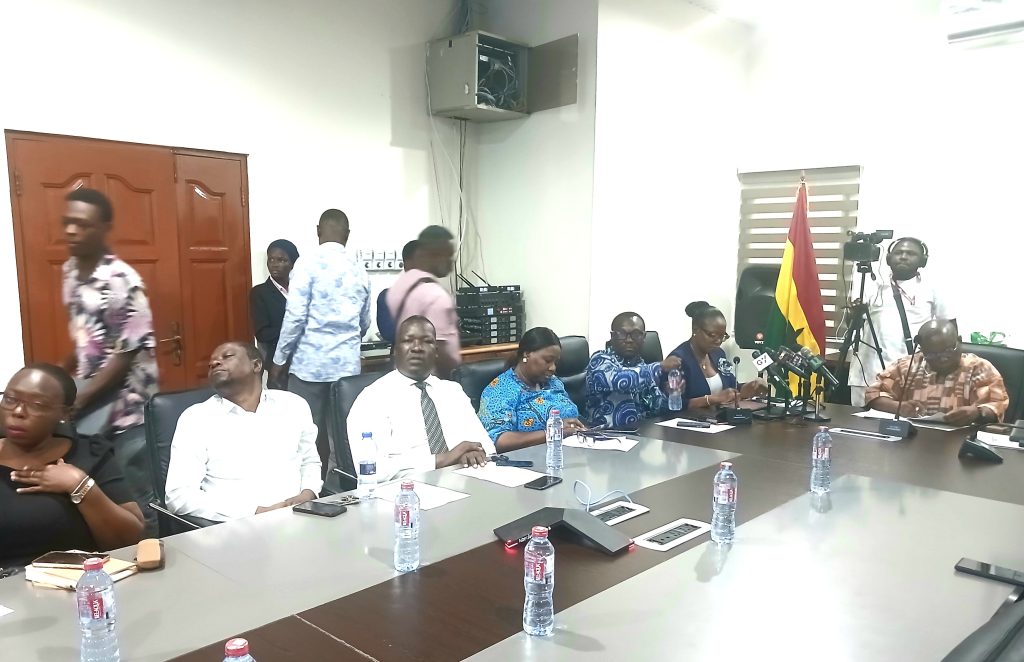
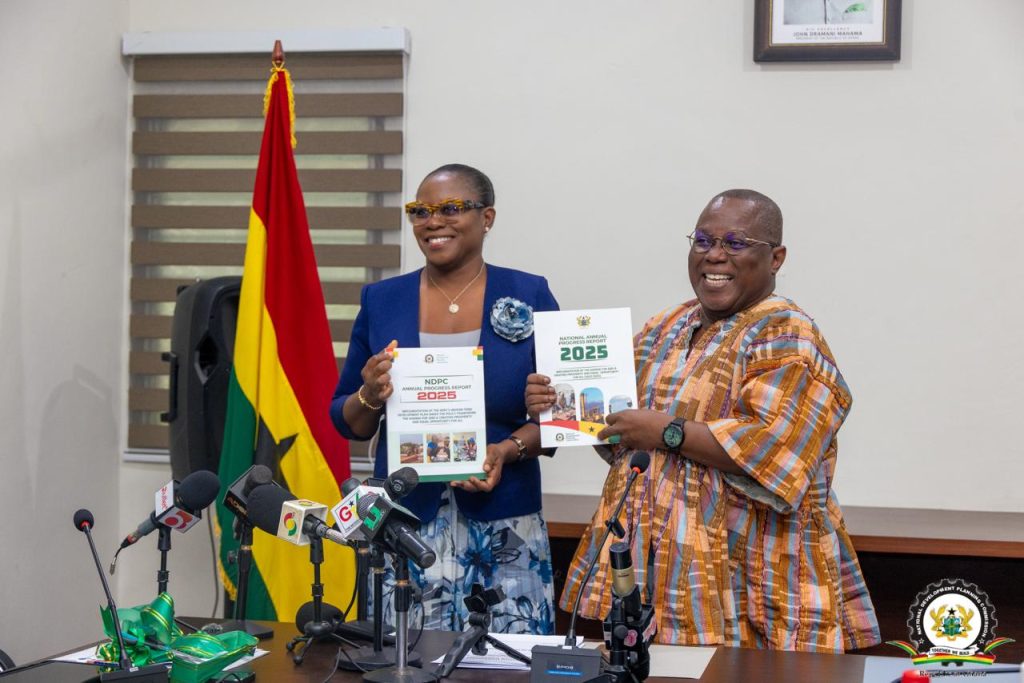
Speaking at the media engagement and official launch of the 2025 National Annual Progress Report (APR) at the NDPC’s Main Conference Room in Accra on Thursday, July 16, 2026, Dr. Thompson said the report provided an objective assessment of the country’s development performance during the 2025 reporting year.
He said the 2025 National Annual Progress Report was the fourth and final report assessing the implementation of the Agenda for Jobs, thereby concluding the reporting cycle under the national policy framework.
According to him, the report was a critical instrument for strengthening public accountability, transparency and evidence-based national development.
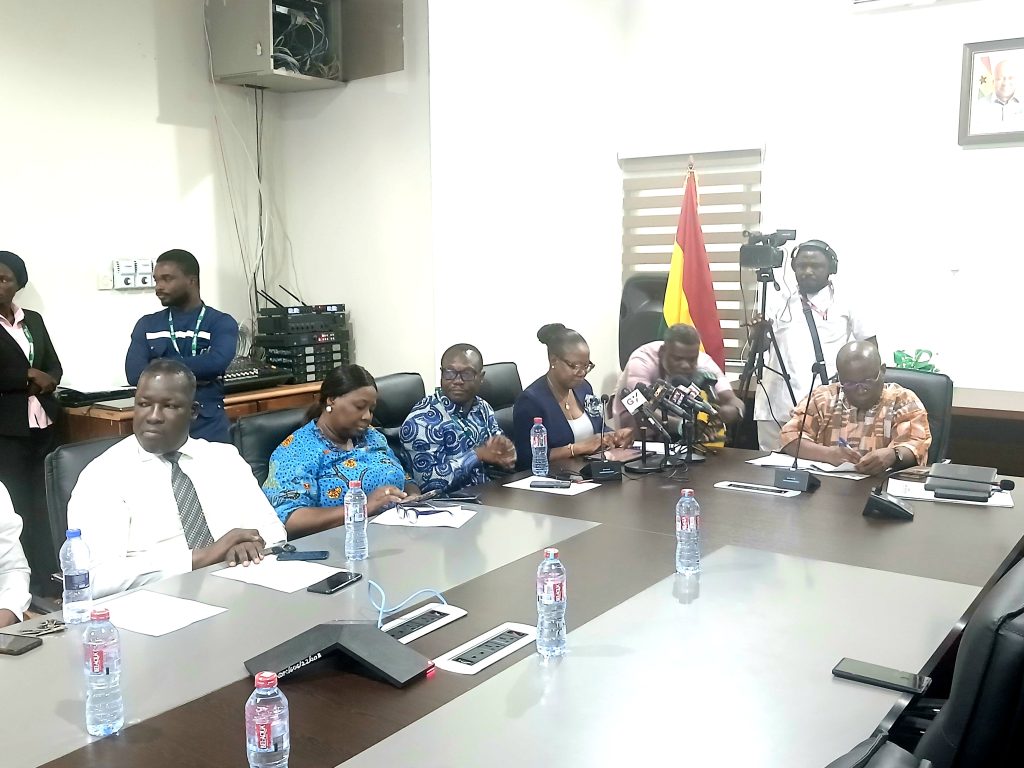
Dr. Thompson explained that the preparation of the report was not merely an administrative exercise but formed part of the constitutional responsibility of the NDPC to monitor, evaluate and report on the implementation of national development policies, programmes and projects.
He said the report provided government, Parliament, development partners, researchers, civil society organisations and citizens with credible evidence on Ghana’s development performance.
“Ultimately, it seeks to answer one important question: Are national development policies improving the lives of the people?” he asked.
The NDPC Chairman said development should not be measured simply by the number of policies prepared or projects implemented, but by improvements in the living standards of the people.
He said such improvements were reflected in better schools, quality healthcare, decent employment opportunities, improved infrastructure, stronger institutions and greater opportunities for citizens.
Dr. Thompson said one of the key strengths of the 2025 report was its balanced approach, as it celebrated progress where progress had been achieved while also identifying areas where significant challenges remained.
He noted that the report recorded encouraging improvements in several macroeconomic indicators, including stronger economic growth, lower inflation, improved fiscal performance and a reduction in public sector debt.
However, he said significant development challenges continued to exist, particularly in the areas of youth unemployment, maternal health outcomes and implementation capacity for service delivery.
He stressed that evidence-based planning required honesty and the willingness to acknowledge both successes and challenges.
According to him, statistics contained in the report should not be viewed in isolation because behind every indicator were human stories involving families, communities, businesses and livelihoods.
He said development indicators were interconnected, explaining that economic growth influenced employment, health influenced productivity, education strengthened human capital, strong institutions built investor confidence and infrastructure expanded economic opportunities.
Dr. Thompson further described the media as indispensable partners in national development, saying journalists helped shape public understanding, stimulate informed debate, promote accountability and build public trust.
He therefore urged media practitioners to approach the findings of the report with professionalism, balance and a commitment to factual reporting.
He assured the media of the Commission’s readiness to provide the necessary clarifications to support accurate communication of Ghana’s development performance.