
Story by Eugene Nyarko Jnr. | Mövenpick Hotel, Accra | May 4, 2026
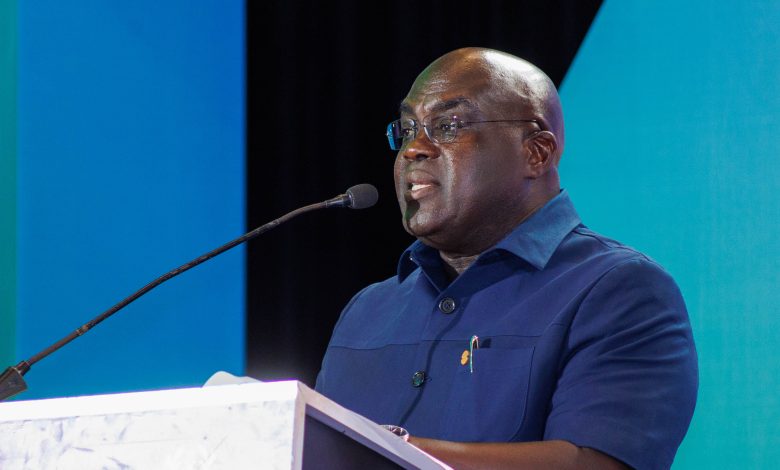
The Chief of Staff, Julius Debrah, has underscored the critical role of health investment in driving economic growth and regional prosperity at the launch of the World Bank Regional Health, Nutrition and Population (HNP) Strategy in Accra.
Speaking at the event held at the Mövenpick Ambassador Hotel, Mr. Debrah described the strategy’s theme, “Fit to Prosper,” as transformative, urging African countries to reposition health as a key driver of development rather than a cost burden.
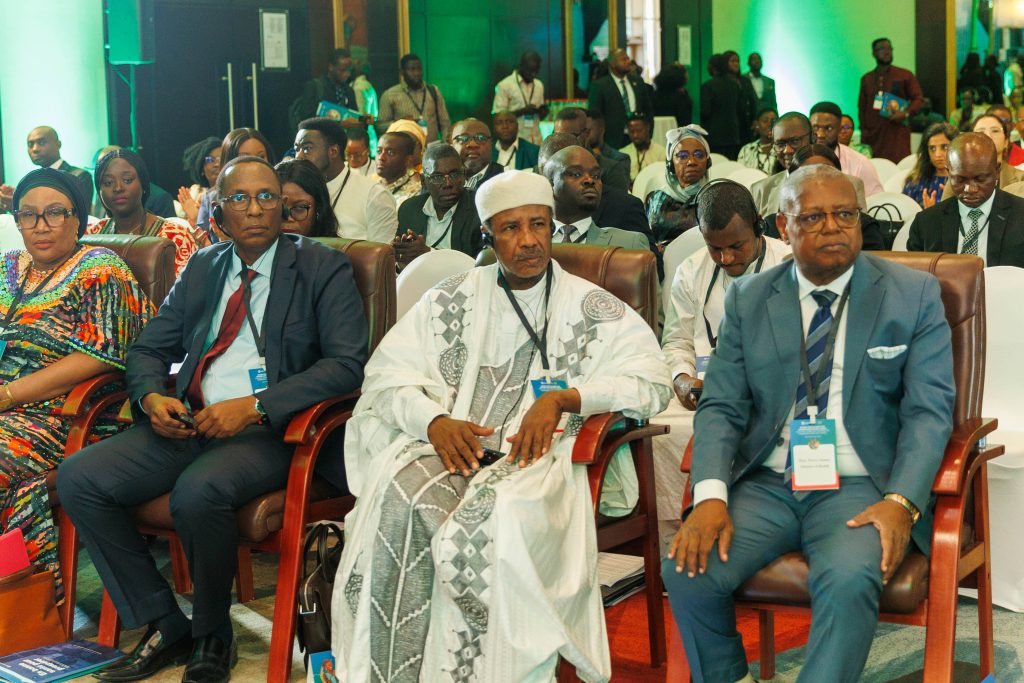
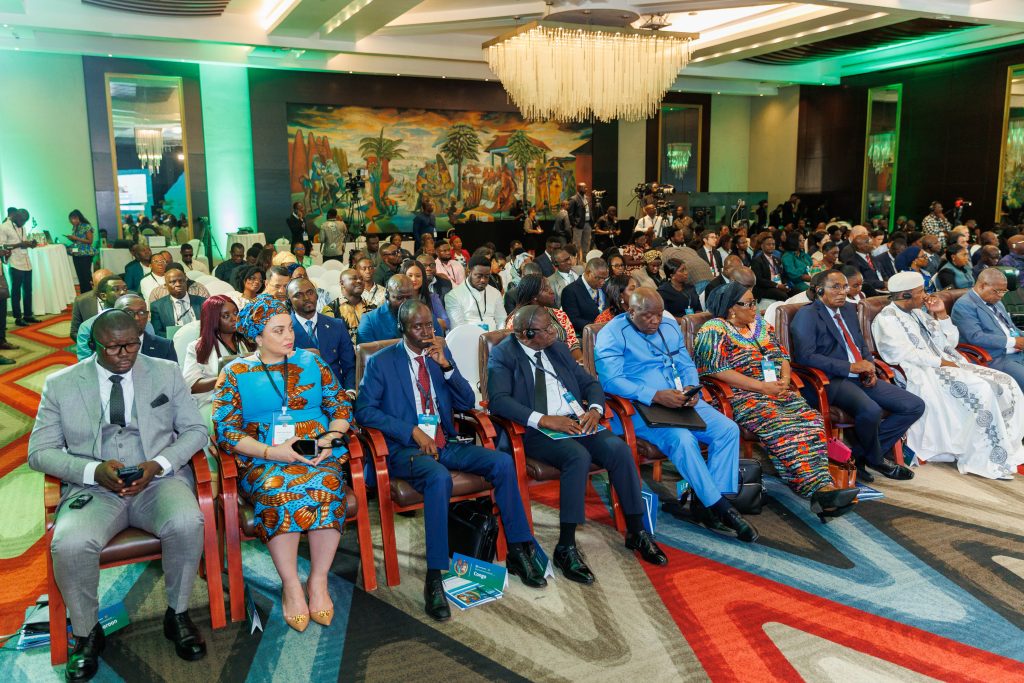
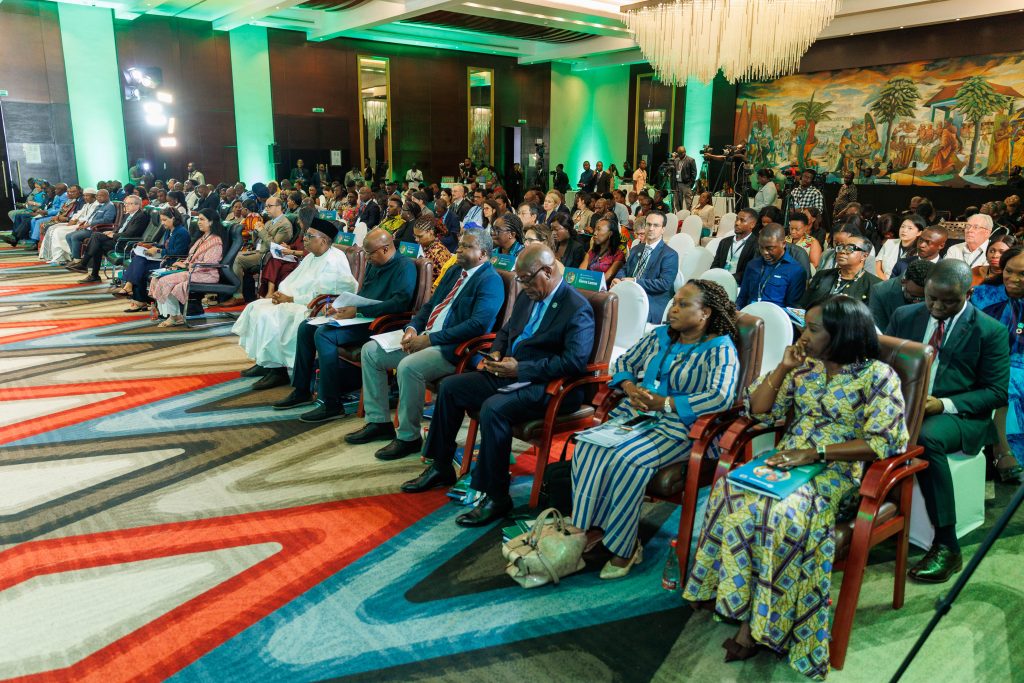
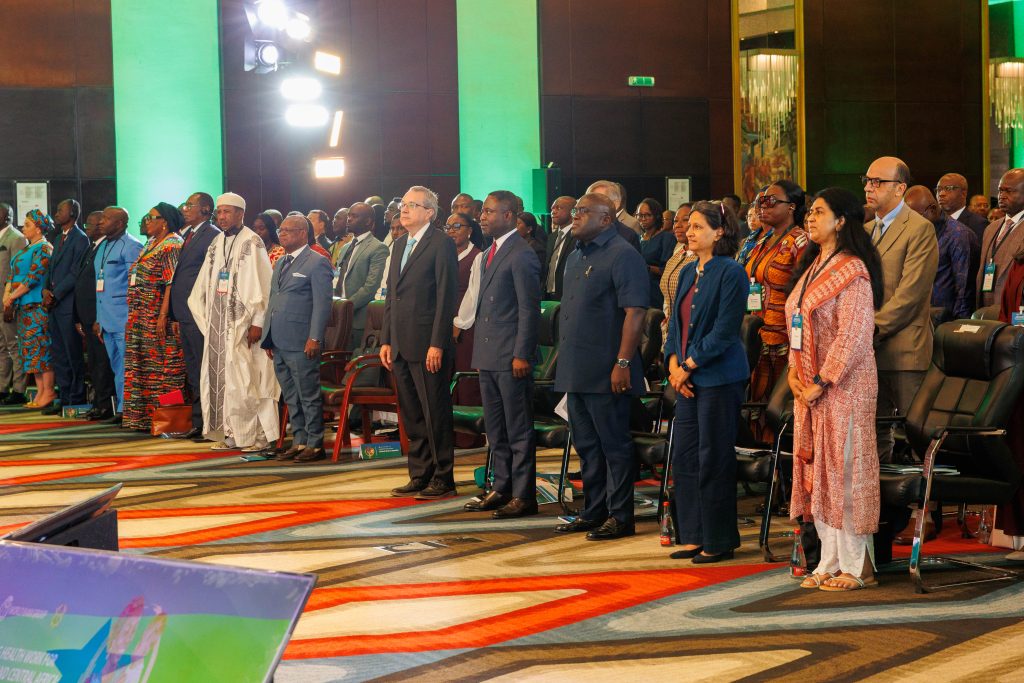
The event brought together high-level stakeholders, including the World Bank Vice President, Mamta Murthi, ministers, development partners, and representatives from across West and Central Africa.
Mr. Debrah commended the World Bank Group for its sustained support to the region, noting that its health portfolio spans over 20 countries with a commitment of about US$4.4 billion.
According to him, the Bank’s interventions—supported by an additional US$340 million in co-financing from partners such as the Global Financing Facility, Gavi, the Global Fund, Japan, and Canada—have significantly strengthened health systems, improved maternal and child health outcomes, and enhanced pandemic preparedness.
He highlighted key initiatives such as the West and Central Africa Health Security Programme and support for the Africa Centres for Disease Control and Prevention as examples of coordinated global responses to regional health challenges.
“The future of our economies will not be determined only by what we extract from the ground, but by what we invest in our people. Health is an economic strategy,” Mr. Debrah stated.
He noted that a healthy population is essential for productivity, innovation, and resilience, forming the backbone for job creation and national development.
Touching on Ghana’s progress, the Chief of Staff expressed appreciation for World Bank support, including the US$424.6 million COVID-19 Emergency Project and the US$195.5 million Primary Health Care Investment Project, describing them as “lifelines” for citizens.
He said the regional strategy aligns with Ghana’s vision of achieving universal health coverage through strengthened systems and equitable access to quality healthcare.
Mr. Debrah outlined ongoing government interventions, including reforms to strengthen domestic health financing such as the uncapping of the National Health Insurance Levy, the rollout of the Free Primary Health Care Initiative, and the establishment of the Ghana Medical Trust Fund, also known as MahamaCares, to support vulnerable populations requiring critical care.
He stressed that these measures form part of a broader transition towards sustainable, system-wide health transformation.
The Chief of Staff also highlighted Ghana’s leadership in the “Accra Reset,” an initiative aimed at reshaping global health financing architecture to ensure countries play a central role in defining their health priorities.
He announced that Ghana will soon launch a Country Compact with the World Bank Group, a framework expected to align domestic resources and external support under a unified, government-led vision with clear targets and sustainable financing.
“This is what health sovereignty looks like in practice,” he said, emphasizing the need for African countries to be co-authors of their development agenda.
Mr. Debrah further called for strengthened regional cooperation, noting that health security cannot be achieved in isolation.
He reaffirmed Ghana’s commitment to enhancing disease surveillance systems, supporting local manufacturing of health products, and promoting knowledge sharing across the region.
He urged stakeholders to focus on implementation, stressing that the success of the strategy would depend on tangible results that improve the lives of citizens.
“We must invest more and invest smarter in health, prioritise primary healthcare, and ensure that no one is left behind,” he said.
Mr. Debrah concluded by reiterating Ghana’s commitment to working with partners to ensure the successful implementation of the strategy, with the ultimate goal of building resilient health systems and improving outcomes across West and Central Africa.