
Story by Eugene Nyarko Jnr. l Mensvic Hotel, Accra l Thursday, November 12, 2026 —
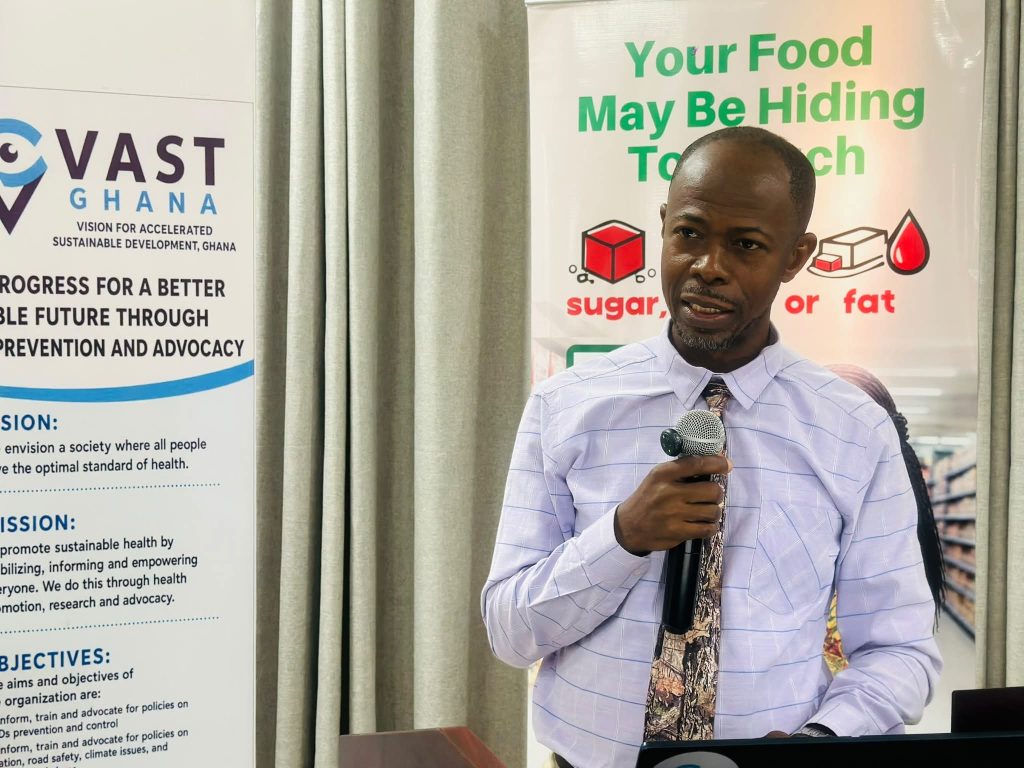
The National Coordinator of the NCD Alliance Ghana (NCDA-Gh) and Executive Director of Vision for Accelerated Sustainable Development, Ghana (VAST Ghana), Mr Labram Musah Massawudu, has called for stronger accountability mechanisms, sustainable financing and improved public education to ensure that the Ghana Medical Trust Fund (GMTF), popularly known as MahamaCares, benefits the poor and vulnerable who need specialised healthcare.
He cautioned against a situation where the Fund could become accessible mainly to people with financial means or influential connections, rather than the intended beneficiaries.
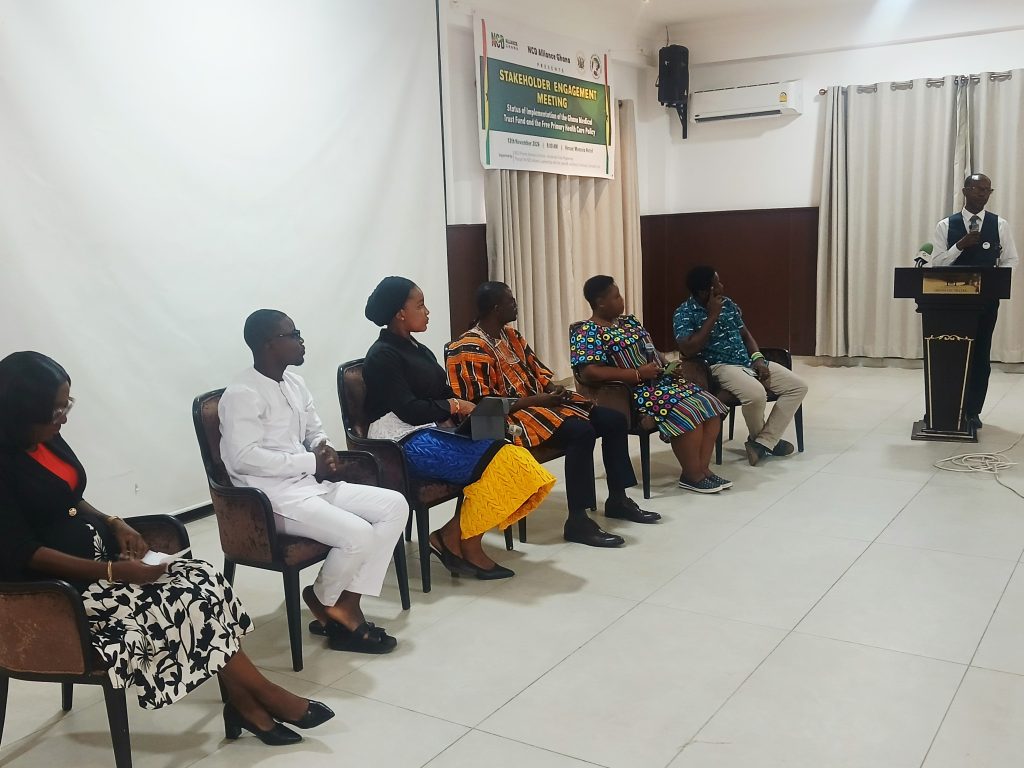
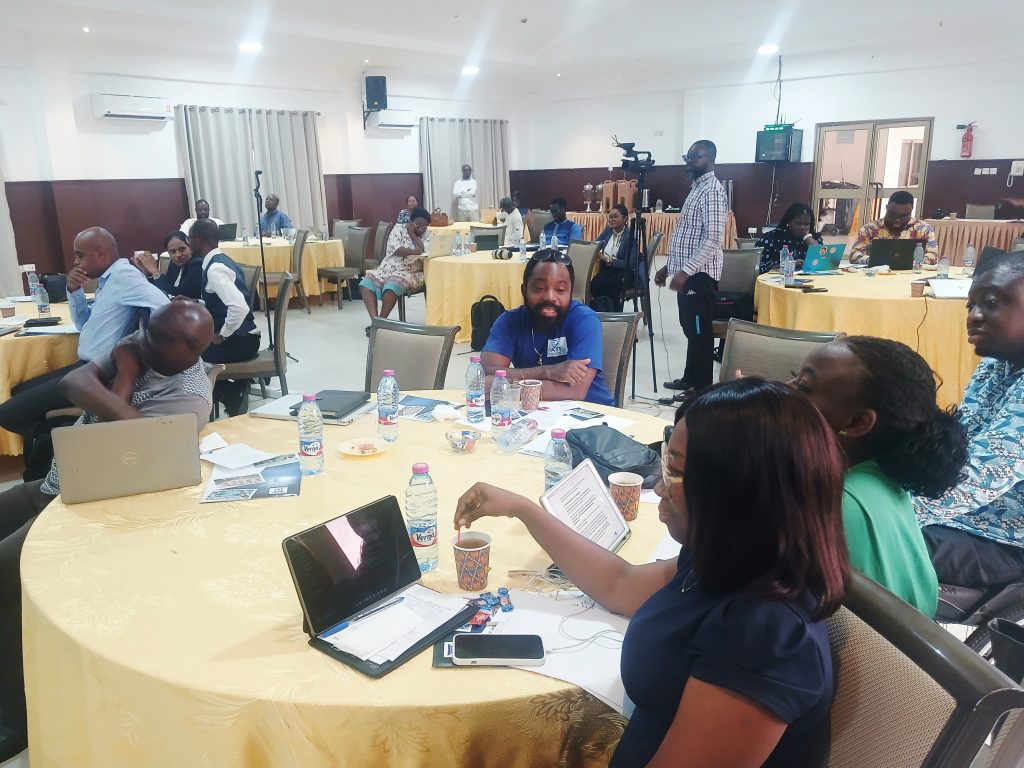
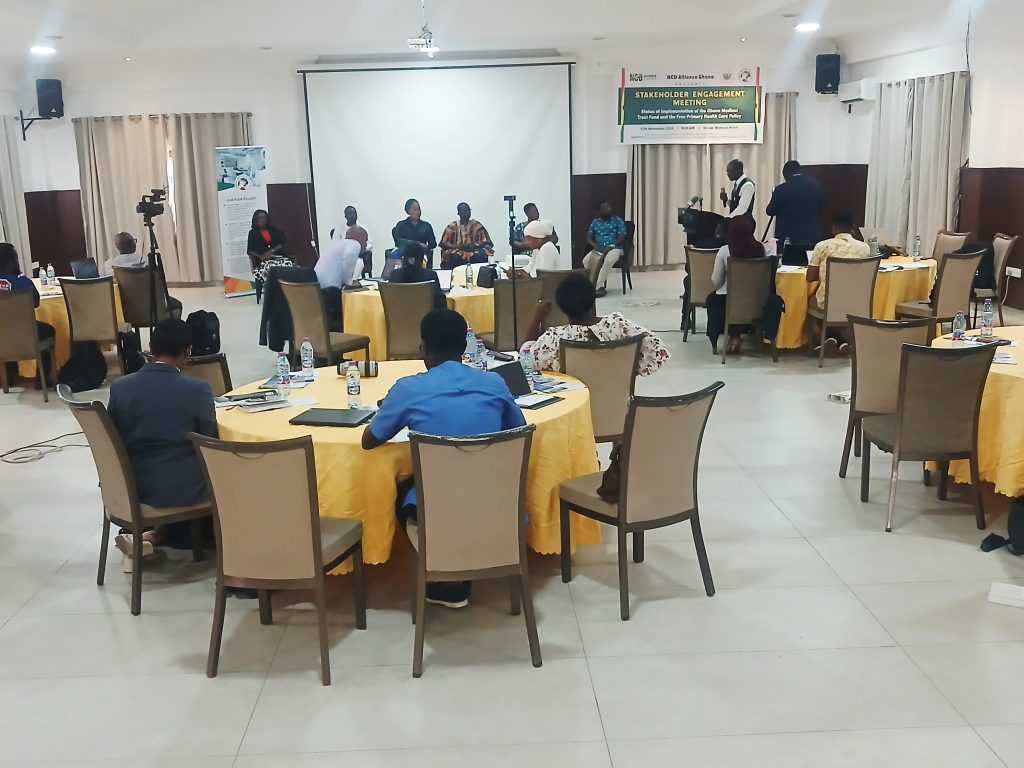
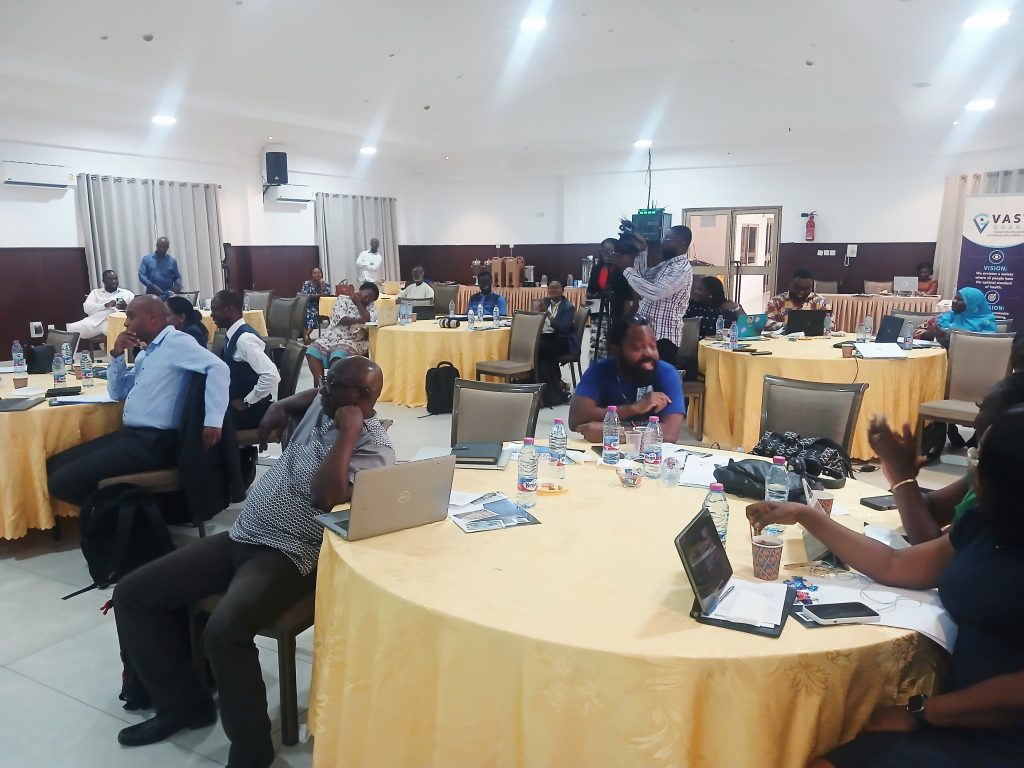
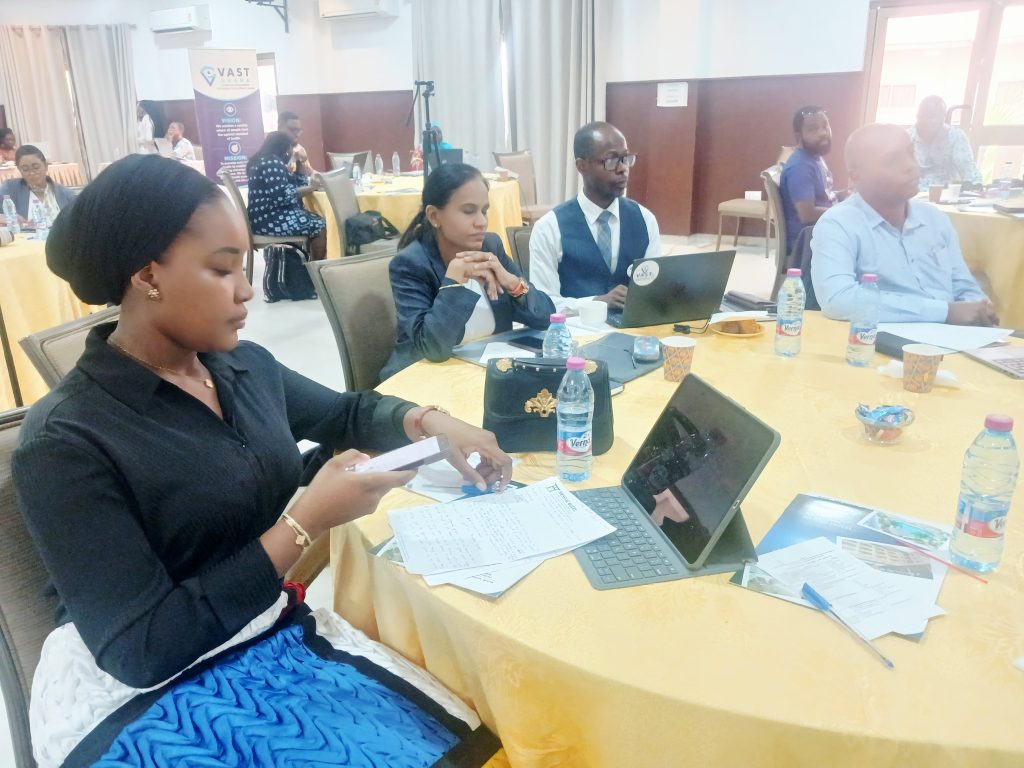
Mr Massawudu made the call during a media interview on the sidelines of a Stakeholder Engagement Meeting on the Status of Implementation of the Ghana Medical Trust Fund and the Free Primary Health Care (FPHC) Policy, organised by the NCD Alliance Ghana at Mensvic Hotel, East Legon, Accra, on Thursday, November 12, 2026.
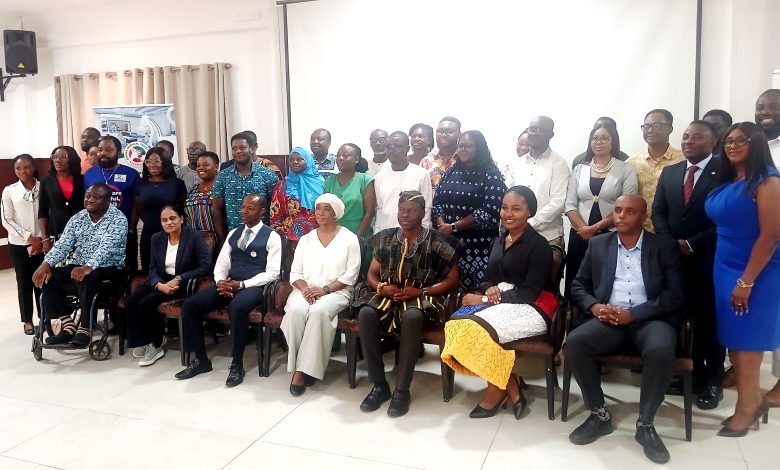
The meeting brought together representatives from government institutions, civil society organisations, health sector institutions, development partners, Community Health Management Committees, people living with non-communicable diseases (NCDs), patient organisations, academia and the media to assess progress, identify implementation gaps and make recommendations for improving the two health interventions.
Mr Massawudu described the Ghana Medical Trust Fund as an important healthcare intervention and commended the government for actualising an initiative that stakeholders, including the NCD Alliance Ghana, had advocated for over several years.
He, however, stressed that the existence of the Fund alone was not sufficient, emphasising the need for continuous stakeholder engagement and an accountability framework to monitor its implementation and ensure that it delivers the intended benefits.
According to him, the NCD Alliance Ghana had previously organised an engagement with the GMTF Secretariat during the initial rollout of the Fund to educate Ghanaians about its mandate, operational mechanisms, scope and expected benefits.
He explained that the latest stakeholder meeting was intended to move beyond public education to establish a platform where beneficiaries, civil society organisations, development partners, private sector institutions and government agencies could collectively assess the Fund’s performance and identify areas requiring improvement.
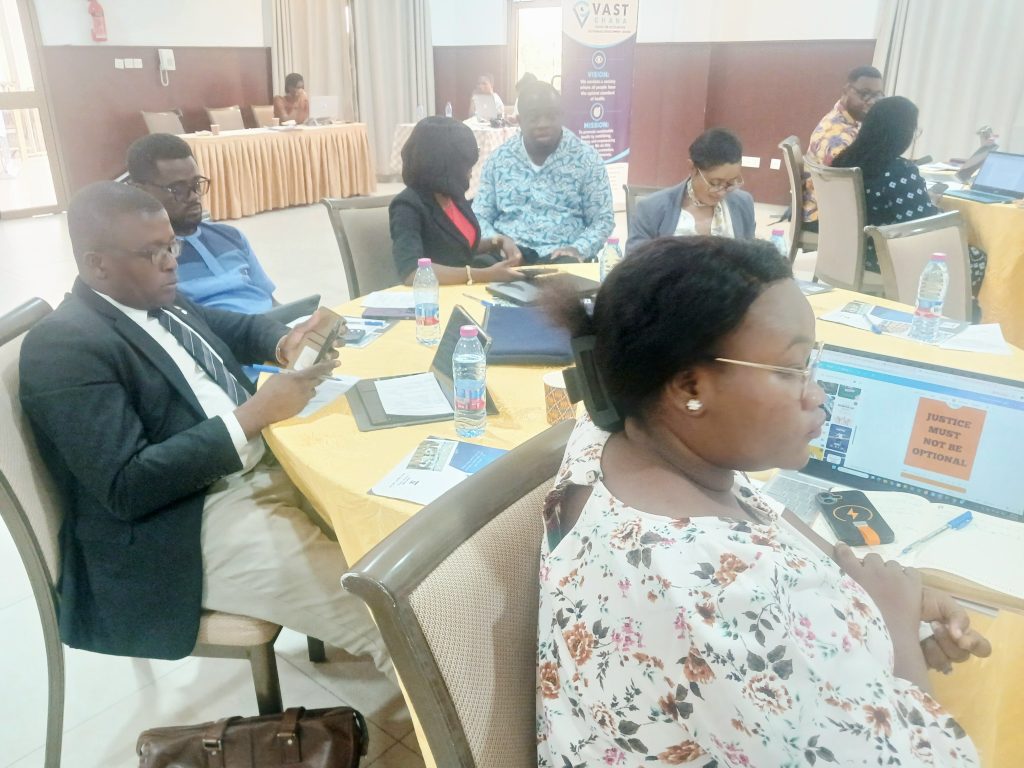
Mr Massawudu expressed satisfaction with the frankness and openness demonstrated by representatives of the Ghana Medical Trust Fund during the engagement, particularly their willingness to acknowledge implementation challenges and receive recommendations from stakeholders.
He nevertheless urged the Presidency and the GMTF Secretariat to deepen their engagement beyond high-level institutions and extend consultations to grassroots organisations, particularly patient groups and civil society organisations that have worked closely with people living with NCDs.
He specifically mentioned organisations such as the NCD Alliance Ghana, NCDs Ghana and VAST Ghana, noting that their experience working with affected communities placed them in a position to provide valuable insights into the challenges confronting patients.
FUNDING AND SUSTAINABILITY
On the financial sustainability of the Fund, the VAST Ghana Executive Director called on the Ministry of Finance to increase allocations to the GMTF to ensure that its operations could be sustained over the long term.
He further proposed that government consider earmarking a portion of revenue generated from excise taxes on tobacco, alcohol and sugar-sweetened beverages (SSBs) to support the Ghana Medical Trust Fund and the Free Primary Health Care Policy.
He argued that products contributing to the rising burden of non-communicable diseases should attract stronger fiscal measures, with part of the revenue generated from their taxation channelled towards financing healthcare interventions.
Mr Massawudu also identified a gap in the implementation of the Free Primary Health Care Policy, observing that its current emphasis on screening, diagnosis and referrals should be complemented by stronger preventive health education.
He called for public education on tobacco use, alcohol consumption, sugar-sweetened beverages and unhealthy diets to be integrated into primary healthcare activities.
He further advocated the introduction and enforcement of front-of-pack warning labels on food products to help consumers identify excessive levels of sugar, salt and unhealthy fats and make informed dietary choices.
On potential conflicts of interest, he called for safeguards to prevent organisations and entities whose commercial activities contribute to NCD risk factors from exerting undue influence over the Fund.
He maintained that the Fund’s governance and financing arrangements should be designed to protect its public health objectives and ensure that its resources serve the interests of Ghanaians.
GMTF OUTLINES ACCESS PROCEDURES AND CHALLENGES
Meanwhile, the Enrolment and Regional Operations Officer at the Ghana Medical Trust Fund, Dr Mariam Sumaila, has outlined the procedures for accessing healthcare under the Fund, explaining that beneficiaries must begin the process with a consultation with a specialist at an enlisted health facility.
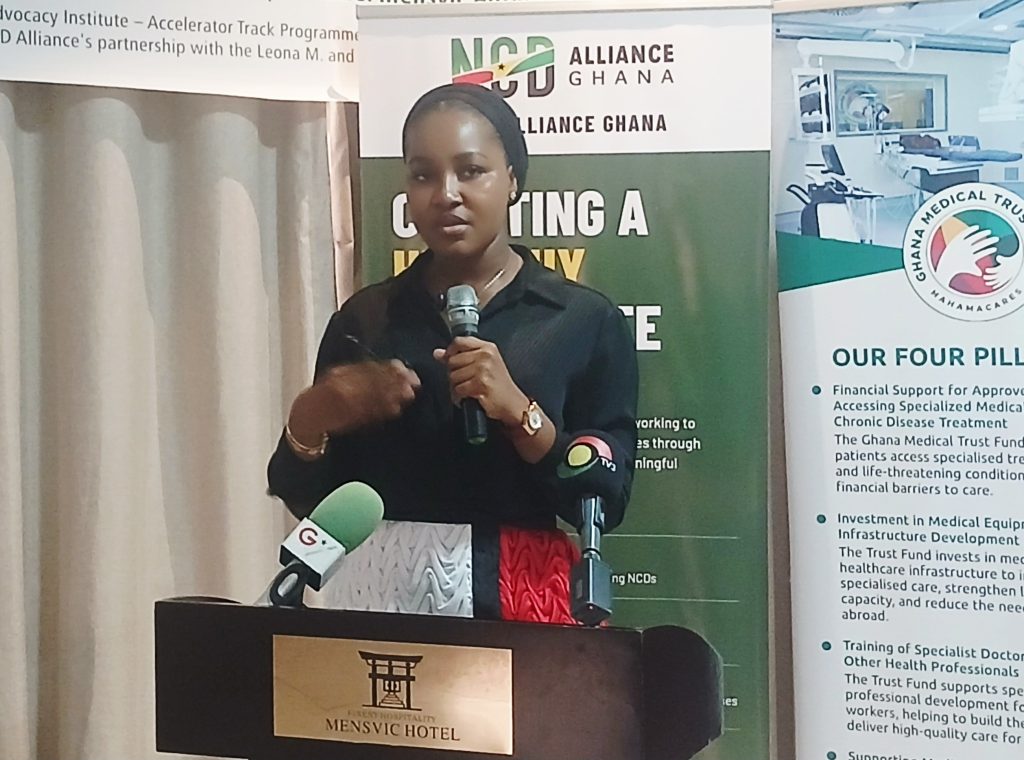
According to her, the Fund currently covers specialised conditions, including oncology-related conditions and kidney-related conditions requiring specialist care, which explains why patients are required to undergo an initial assessment by a specialist.
Dr Sumaila explained that following the consultation, the specialist initiates an application on behalf of the patient, which is subsequently handled by a Patient Navigation Officer (PNO) stationed at the relevant enlisted health facility.
She said the Patient Navigation Officer assists with the application, adds relevant information provided by the patient and forwards the application to the GMTF Secretariat for assessment.
The application is then reviewed by a team of doctors, with more complex cases referred to senior specialists and consultants for further assessment before approval is granted.
She indicated that once an application is approved, notifications are sent to three key parties: the beneficiary through an SMS message, the referring specialist and the Patient Navigation Officer.
This arrangement, she explained, is intended to ensure that patients are informed of their approval and can proceed to access the required healthcare services without unnecessary delays.
Dr Sumaila disclosed that the entire application and approval process is managed through a digital platform known as the GMTF Care App.
INTERNET CONNECTIVITY AND PUBLIC AWARENESS
Addressing some of the challenges confronting the implementation of the Fund, Dr Sumaila identified intermittent internet connectivity as one of the difficulties that could disrupt the processing of applications.
She explained that although connectivity interruptions could occur due to weather conditions and other external factors, the Fund’s Management Information Systems (MIS) team was working towards developing contingency arrangements to ensure that patients would continue to receive the necessary services even when internet connectivity was disrupted.
She also acknowledged that inadequate public awareness and limited access to accurate information remained significant challenges affecting the Fund.
According to her, many people living with NCDs were either unaware of the existence of MahamaCares or had misconceptions about its operations, including the perception that accessing its services depended on personal connections.
Dr Sumaila consequently emphasised that MahamaCares was free for every Ghanaian citizen with an active National Health Insurance Scheme (NHIS) subscription.
She explained that the requirement for active NHIS membership was linked to the funding arrangement under which 20 per cent of the NHIS allocation goes to the Ghana Medical Trust Fund.
She stressed the need for accurate public education on the Fund’s eligibility requirements, application procedures and the various stages involved in accessing care.
She further warned that inadequate public information could create opportunities for middlemen and unscrupulous individuals to exploit unsuspecting patients by demanding money to facilitate access to services that should be provided free of charge to eligible beneficiaries.
The stakeholder engagement forms part of efforts by the NCD Alliance Ghana to strengthen accountability, promote inclusive participation and ensure that the implementation of the Ghana Medical Trust Fund and the Free Primary Health Care Policy translates into improved healthcare access and better health outcomes for Ghanaians.
The discussions also underscored the importance of sustained collaboration between government institutions, civil society organisations, patient groups and development partners in addressing the growing burden of non-communicable diseases in Ghana.