
Story by Eugene Nyarko Jnr. l Arusha, Tanzania l Sunday, October 18, 2026 —
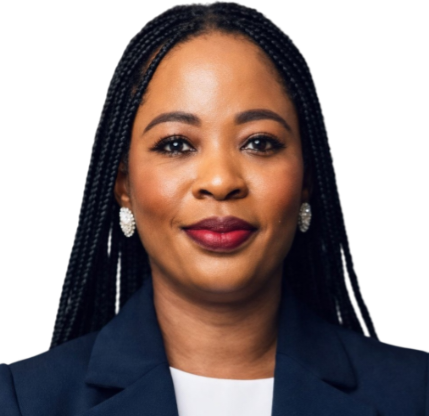
Africa’s rapidly growing population requires a fundamental rethink of governance and lawmaking to ensure public institutions can respond to rising demands for jobs, education, housing and infrastructure, Executive Chair of the Africa Governance Centre (AGC), Benedicta Lasi, has warned.
She said African legislatures must move beyond conventional approaches to lawmaking and develop policies capable of addressing the needs of a continent whose population is projected to reach approximately 2.5 billion by 2050.
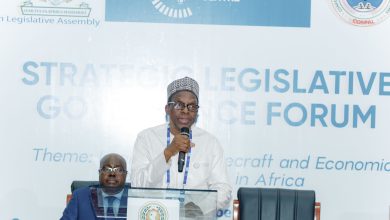
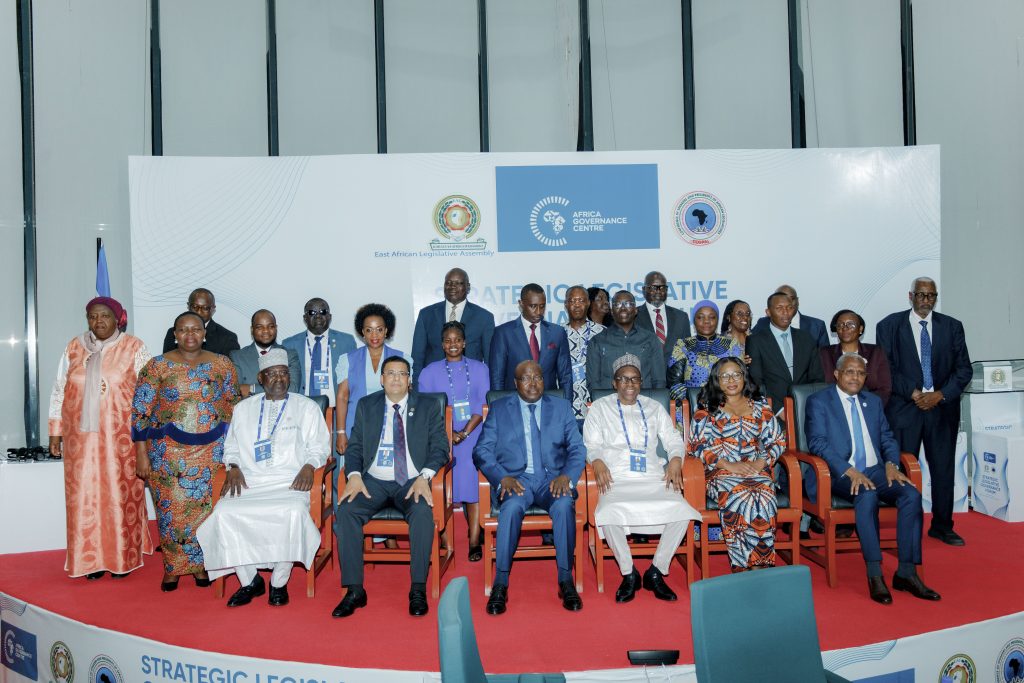
Ms Lasi made the call when she opened the Strategic Legislative Governance Forum at the East African Legislative Assembly (EALA) Chambers in Arusha, Tanzania, where parliamentary leaders and governance experts examined the role of legislatures in Africa’s economic transformation.
She noted that Africa’s population had increased from approximately 227 million in 1950 to an estimated 1.5 billion today, placing growing pressure on governments to expand public services, create employment opportunities and strengthen economic systems.
According to her, the scale of demographic change raises important questions about whether laws and policies being developed today will remain relevant to the needs of future generations.
The forum was organised by the Africa Governance Centre in partnership with the East African Legislative Assembly and the Conference of Speakers and Presidents of African Legislatures (CoSPAL).
It focused on the legislative foundations required to support long-term economic planning, effective budgeting, investment, regional integration and accountability.
Informal economy requires attention
Ms Lasi also drew attention to the high proportion of economic activity taking place in Africa’s informal sector, stressing the need for legislative and regulatory frameworks that support enterprise growth and productive employment.
She said lawmakers must consider how existing regulations affect businesses, particularly their ability to expand operations, access markets and create sustainable jobs for the continent’s growing youth population.
She urged parliamentarians to examine whether current regulatory systems were suited to Africa’s changing demographic and economic circumstances.
The challenge, she suggested, extended beyond introducing new laws to ensuring that existing policies created an enabling environment for businesses to grow and contribute meaningfully to national development.
She also emphasised the need for public institutions to respond to increasing demands for essential services, including education, housing, transportation and infrastructure.
As more young people enter the labour market, she indicated, African economies would need to expand their productive capacity to provide opportunities for meaningful employment.
Democratic accountability remains essential
Ms Lasi rejected suggestions that Africans were indifferent to democratic governance, referring to survey findings indicating continued public support for democratic choice and opposition to authoritarian rule.
She argued that the priority should be to strengthen democratic institutions so they could deliver tangible benefits to citizens.
According to her, public confidence in democracy depends not only on the ability of citizens to participate in elections but also on whether representative institutions can respond effectively to their concerns.
She maintained that legislatures had a responsibility to connect democratic accountability with practical improvements in employment, public services and economic opportunities.
Her remarks highlighted the importance of ensuring that parliamentary decisions reflect both the immediate needs of citizens and the long-term development requirements of African countries.
Regional cooperation can reduce trade barriers
Ms Lasi cited improvements in East African border procedures as an example of how coordinated policies and administrative reforms could support economic integration.
She pointed to progress at the Holili–Taveta border crossing and along regional freight corridors, noting that improvements in cross-border procedures could reduce delays and lower the costs of moving goods.
She said such initiatives demonstrated the potential benefits of cooperation among neighbouring countries and the institutions responsible for customs, transportation and trade facilitation.
However, sustaining those gains requires consistent implementation and coordination among the relevant authorities.
She encouraged African legislators to support policies that strengthen regional commerce and enable businesses to access larger markets across the continent.
New platform to strengthen parliamentary cooperation
The Strategic Legislative Governance Forum also established the Strategic Legislative Governance Platform to promote legislative research, comparative learning and continued cooperation among African legislatures.
The platform was launched by the President of the Pan-African Parliament, Dr Fateh Boutbig, as part of efforts to strengthen collaboration on governance and economic transformation.
The initiative is intended to provide opportunities for legislatures to exchange experiences, examine policy approaches and develop a stronger understanding of the role parliamentary institutions can play in advancing sustainable development.
Ms Lasi urged legislators to approach their responsibilities with the needs of future generations in mind, emphasising that decisions taken today would influence the continent’s ability to manage demographic growth and achieve economic transformation.
She said Africa’s changing population dynamics required forward-looking governance systems, effective legislation and stronger cooperation among public institutions.
The forum’s discussions placed parliament at the centre of efforts to align national development priorities with the continent’s emerging demographic and economic realities.
For Ms Lasi, the central challenge is to ensure that Africa’s legislative institutions are equipped to respond to the demands of a larger, younger and increasingly interconnected population while strengthening democratic accountability and creating the conditions for sustainable economic growth.