
Story by Eugene Nyarko Jnr. l Accra l Friday, October 16, 2026 —
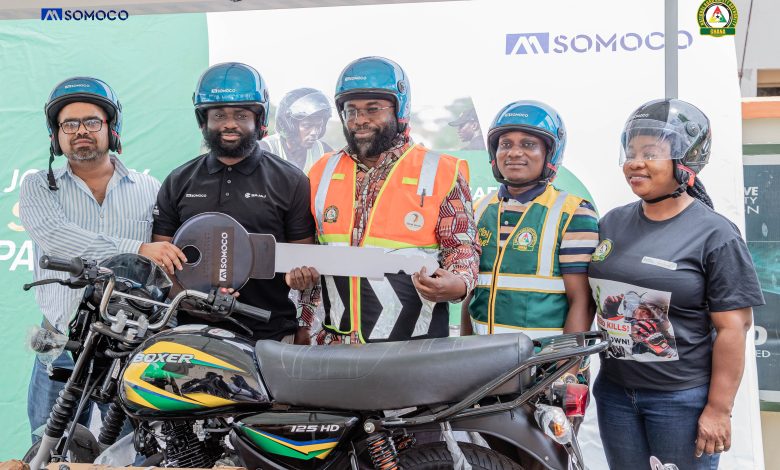
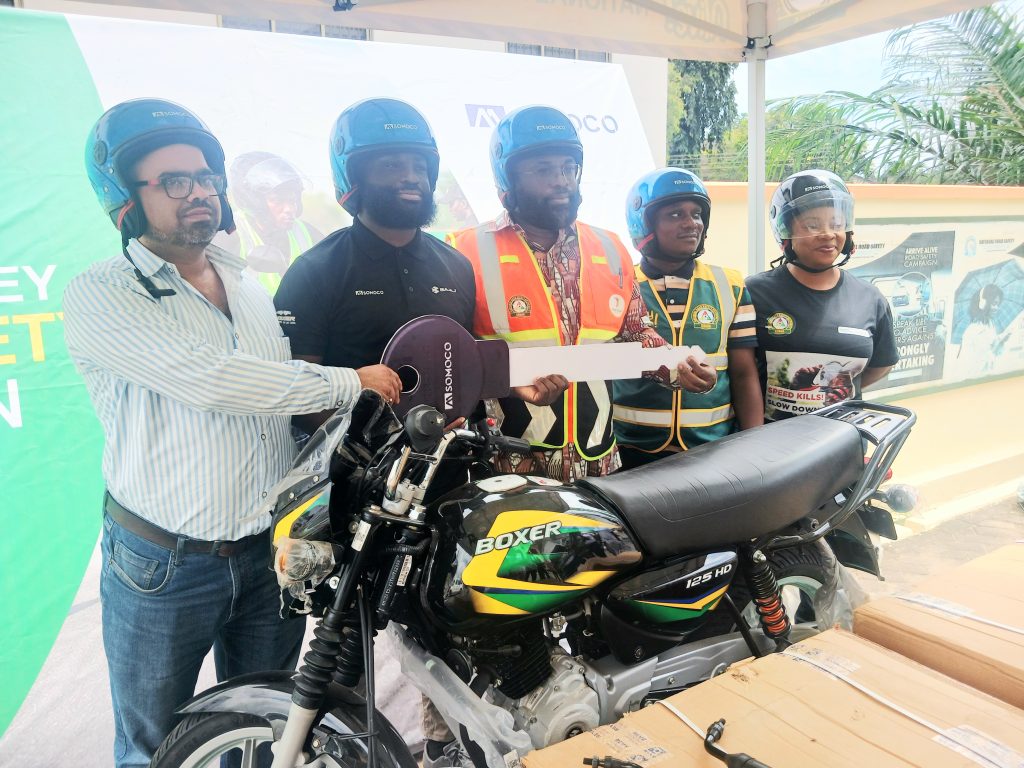
Somoco Ghana Limited has donated a brand-new Bajaj motorcycle, 50 helmets and reflective jackets to the National Road Safety Authority (NRSA) to support efforts to improve motorcycle safety and reduce road crashes, injuries and deaths in Ghana.
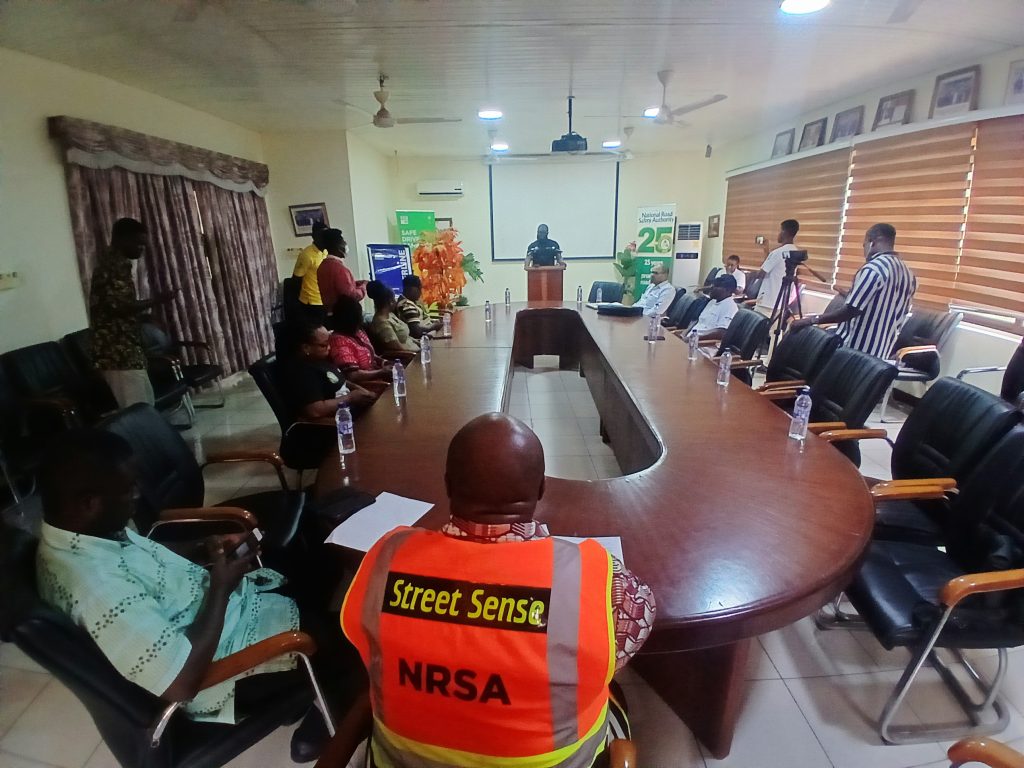
The donation, presented at the NRSA head office in Accra on Friday, October 16, 2026, forms part of the second phase of the Somoco Ghana Safe Journey Road Safety Campaign, a collaborative initiative aimed at promoting responsible riding and protecting motorcyclists and their passengers.
The Head of Marketing at Somoco Ghana Limited, Jerry Aye-Gboyin, said the initiative reflected the company’s commitment to road safety, noting that its involvement in the motorcycle and tricycle industry came with a responsibility to promote safe mobility.
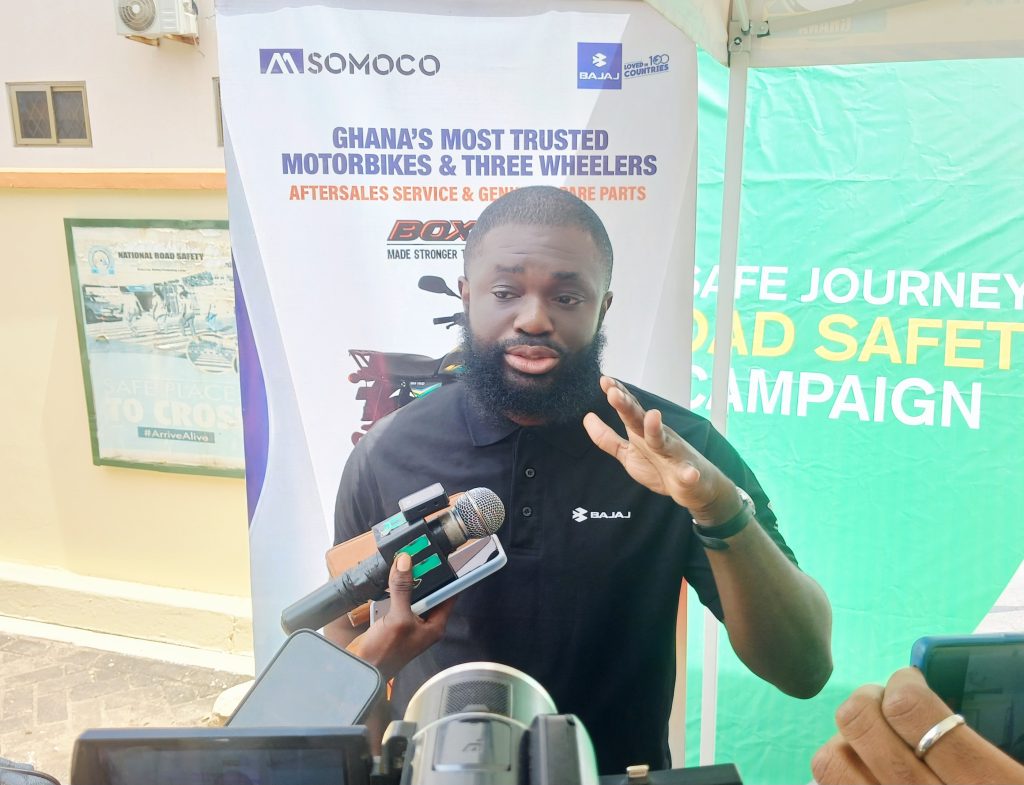
Speaking at the handover ceremony, Mr Aye-Gboyin said the campaign was designed to make road safety a shared priority among riders, passengers, corporate organisations and the general public.
“At Somoco, mobility is our business. We put thousands of Bajaj motorcycles and tricycles on Ghana’s roads, and with that comes a responsibility we take seriously,” he said.
He explained that the donation of the motorcycle, helmets and reflective jackets was intended to support the NRSA’s road safety interventions and strengthen public education on safe riding practices.
Mr Aye-Gboyin said the company’s commitment extended beyond providing safety equipment to include practical training and economic empowerment for commercial motorcycle riders.
He disclosed that Somoco had established what he described as a first-of-its-kind Somoco Riding Academy to equip commercial riders with the necessary riding skills, training and licensing support to operate safely on Ghana’s roads.
The company had also introduced a Work and Pay scheme to enable graduates of the academy to acquire their own motorcycles, thereby creating economic opportunities while encouraging responsible riding.
He urged motorcycle riders to wear helmets, respect road safety regulations and protect their passengers, while calling on the media to intensify public education on safe road use.
“To our riders — wear your helmet, respect the road, protect the passenger behind you,” he said.
Mr Aye-Gboyin stressed that road safety should not be treated merely as a campaign slogan but as a collective commitment that must guide the behaviour of all road users.
“A safe journey is not a slogan. It is a promise we make to one another every time we set off,” he said.
He added that Somoco Ghana was committed to working with the NRSA to ensure that safe riding practices became lasting habits beyond the campaign period.
NRSA calls for helmet use by riders, passengers
The Director of Planning and Programmes at the NRSA, Lawyer Martin Afram, welcomed the donation, describing the safety of motorcycle riders as a major priority for the authority.
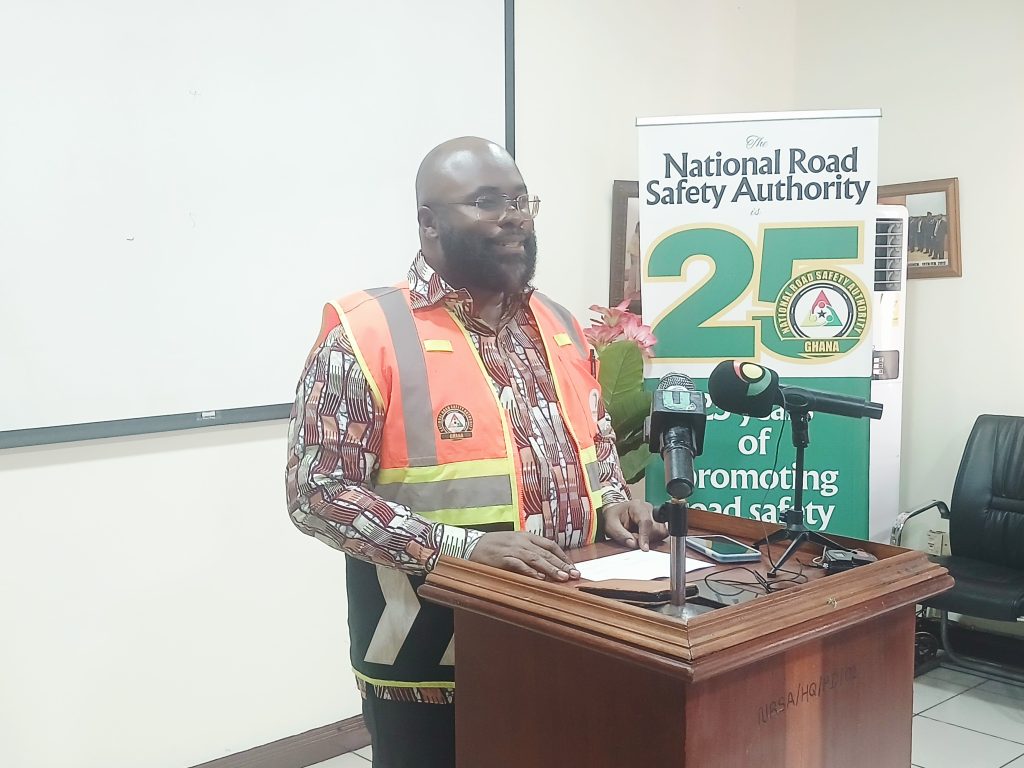
He said the collaboration with Somoco Ghana Limited was not the first engagement between the two organisations, explaining that the Safe Journey Campaign was an ongoing initiative intended to ensure that road users reached their destinations safely.
According to him, the campaign would combine community outreach, digital communication and media engagement to promote road safety among motorcyclists.
He said the planned activities would include visits to lorry stations, transport terminals and churches, as well as other public education initiatives aimed at changing attitudes towards motorcycle safety.
Mr Afram emphasised that helmet use should not be limited to riders, insisting that passengers travelling on motorcycles must also wear appropriate protective headgear.
He appealed to the media to support the campaign by consistently educating the public on the importance of helmet use for both riders and their passengers.
“The National Road Safety Authority cannot do everything by itself,” he said, calling on corporate organisations and well-meaning Ghanaians to support efforts to reduce road crashes and save lives.
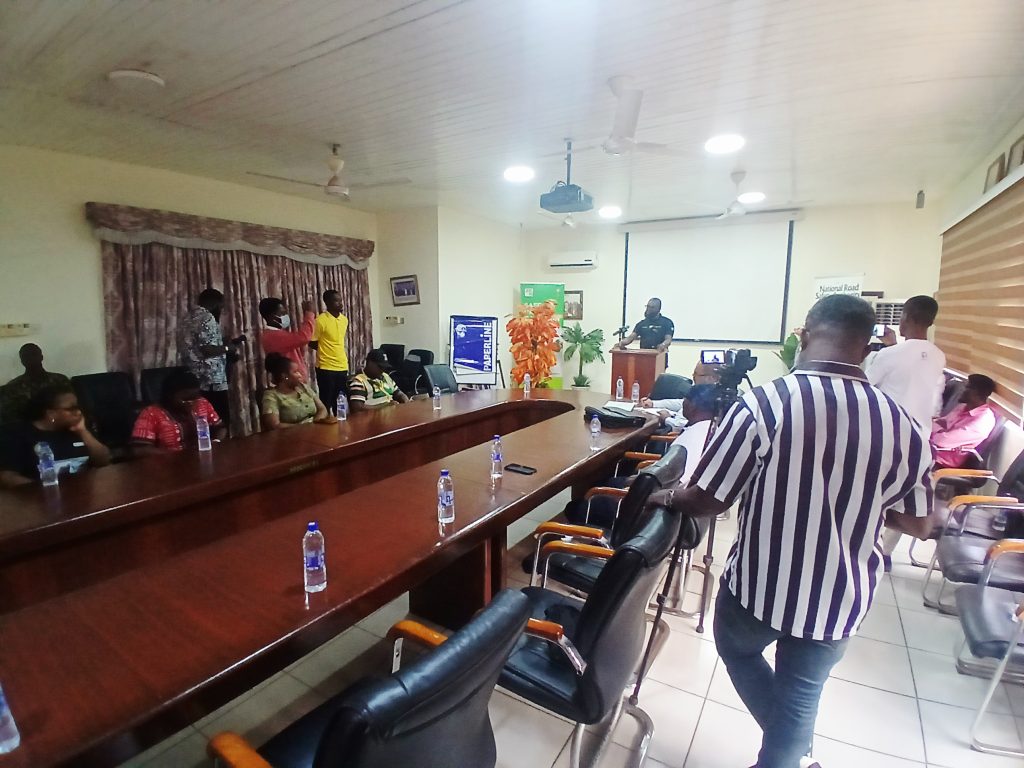
He described road safety as a shared responsibility requiring sustained collaboration among public institutions, private businesses, importers, riders and other stakeholders.
Mr Afram commended Somoco Ghana Limited for responding to the NRSA’s call for corporate support, urging other companies to partner the authority in implementing interventions to protect road users.
“Corporate Ghana, get in touch with us. Help us save lives on our roads,” he appealed.
He added that road crashes affected not only individual victims but also young people and economically productive citizens whose lives and contributions were important to national development.
NRSA raises concerns over substandard helmets
Mr Afram also raised concerns about the quality of helmets available on the Ghanaian market, warning that the presence of substandard products could undermine efforts to protect motorcycle riders.
He urged importers to familiarise themselves with the helmet standards prescribed by the Ghana Standards Authority (GSA) to ensure that protective equipment brought into the country met the required specifications.
According to him, ensuring that importers supplied quality helmets would help riders obtain appropriate protective gear and reduce their exposure to potentially unsafe products.
He indicated that the NRSA would collaborate with the Driver and Vehicle Licensing Authority (DVLA) and the Ghana Standards Authority to promote the availability of standard-compliant helmets for motorcyclists and other users.
Mr Afram said the initiative would help address concerns about substandard helmets and strengthen public confidence in the protective equipment available on the market.
The collaboration between the NRSA and Somoco Ghana Limited forms part of broader efforts to encourage responsible motorcycle use, improve compliance with safety practices and reduce preventable road crashes.
Through the Safe Journey Campaign, both organisations are seeking to reinforce the message that protecting lives on Ghana’s roads requires not only the provision of safety equipment but also continuous education, responsible behaviour and stronger partnerships between public institutions and the private sector.