
After Economic Corrections, Ghana Must Secure Its Future — Speakers at the Ishmael Yamson and Associates Business Roundtable

Story by Eugene Nyarko Jnr. l Movenpick Hotel, Accra l Wednesday, September 2, 2026 —
Ghana must use its current economic recovery to fundamentally transform the structure of the economy, create productive jobs and build institutions capable of protecting the country from future shocks, speakers at the inaugural extended Business Round Table (BRT) of Ishmael Yamson and Associates have said.
They warned that the recent improvement in macroeconomic indicators should not become an excuse for complacency, stressing that Ghana must break its recurring cycle of economic instability, borrowing, debt restructuring and renewed crisis.
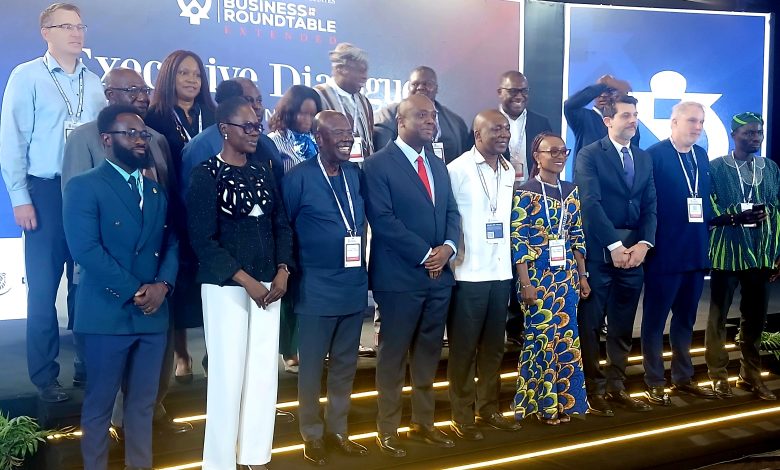
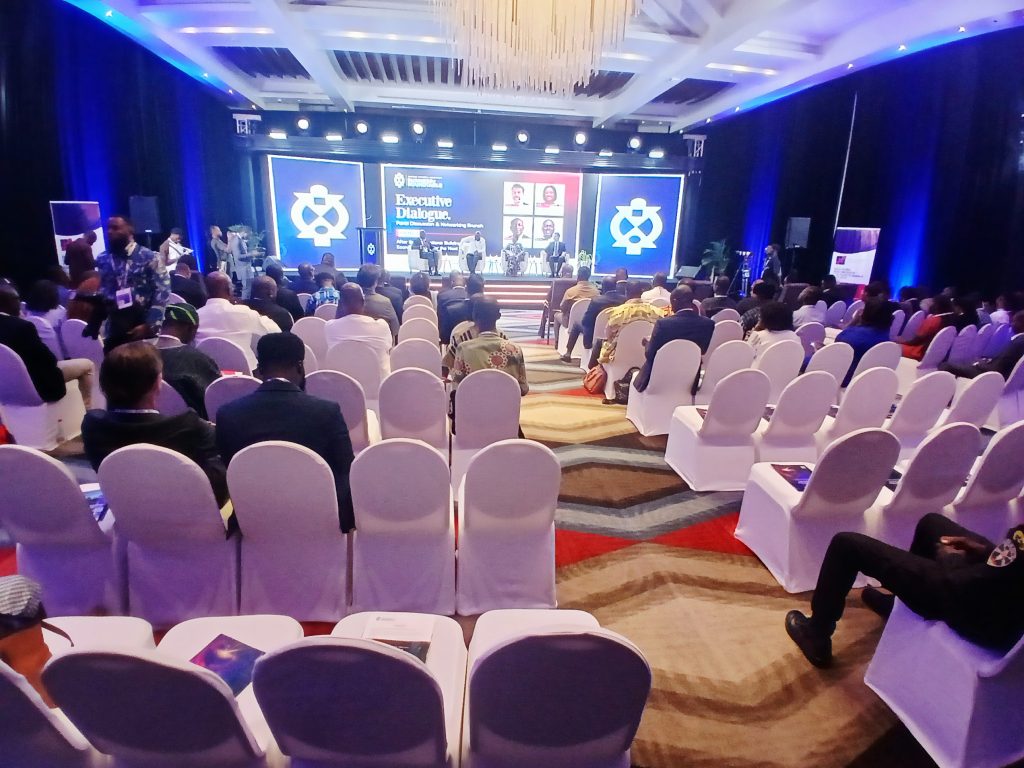
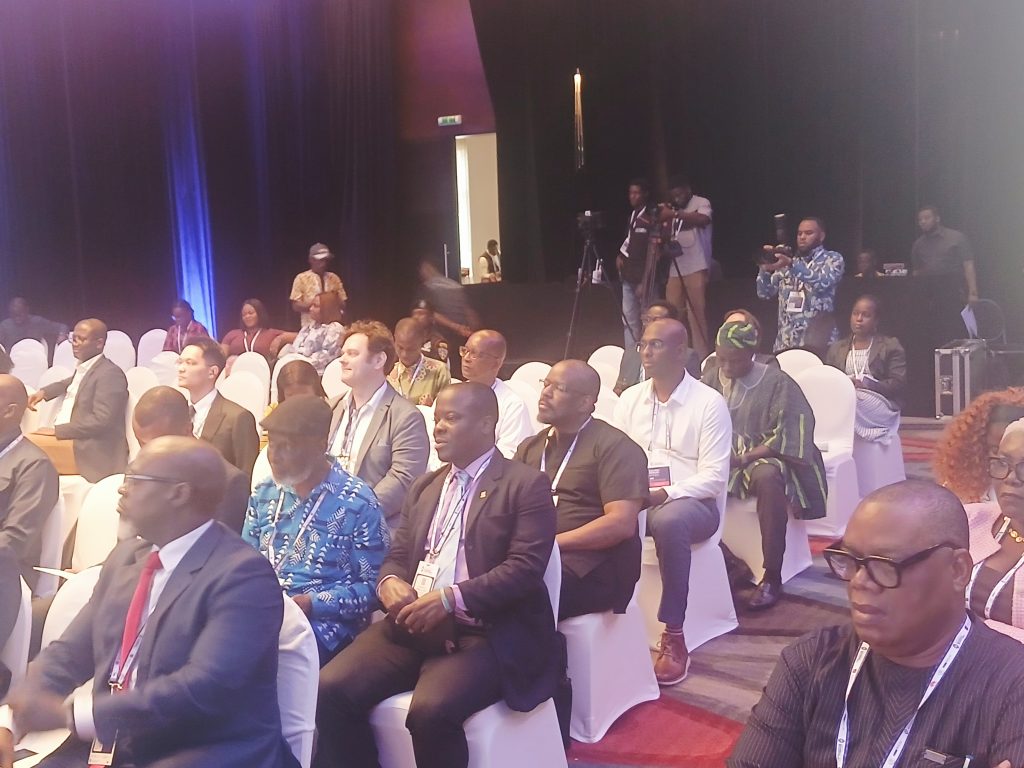
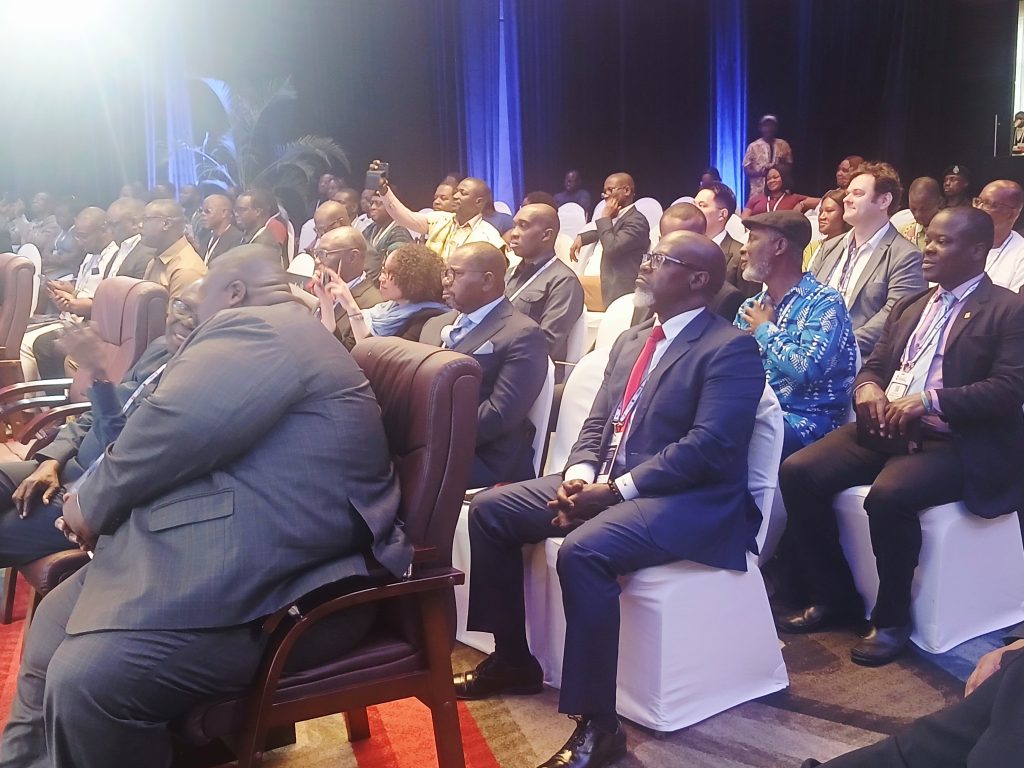
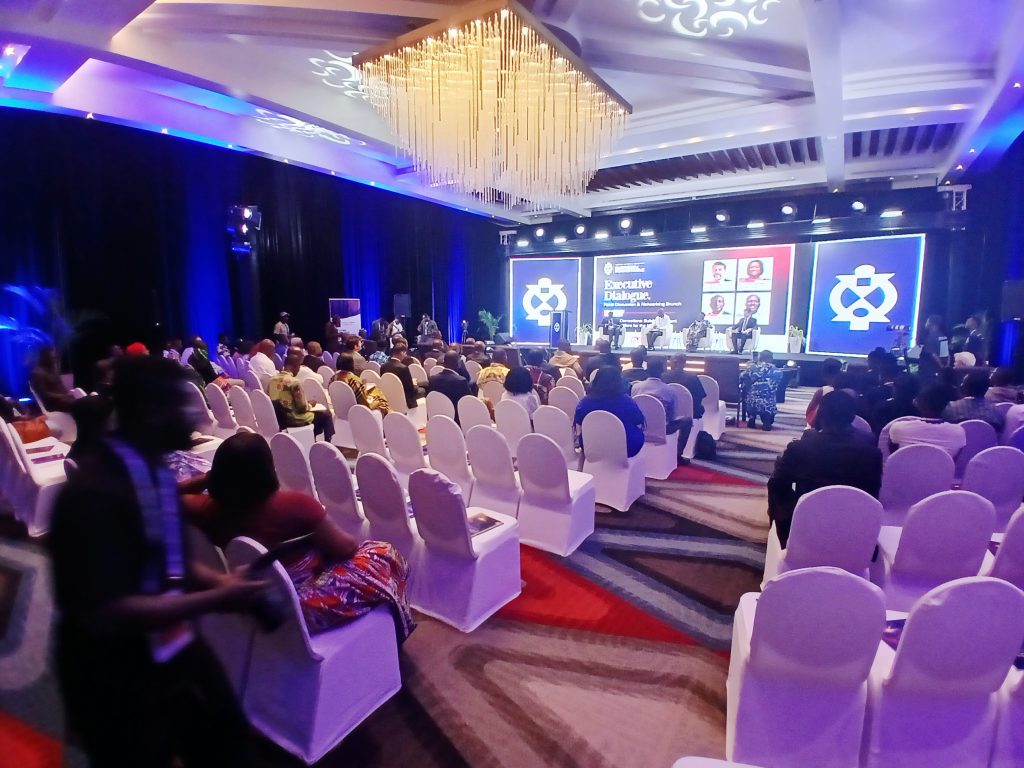
The call was made at an Executive Dialogue, panel discussion and networking brunch held in Accra under the theme, “After the Corrections: Building Resilient Economic Pillars for the Next Decade.”
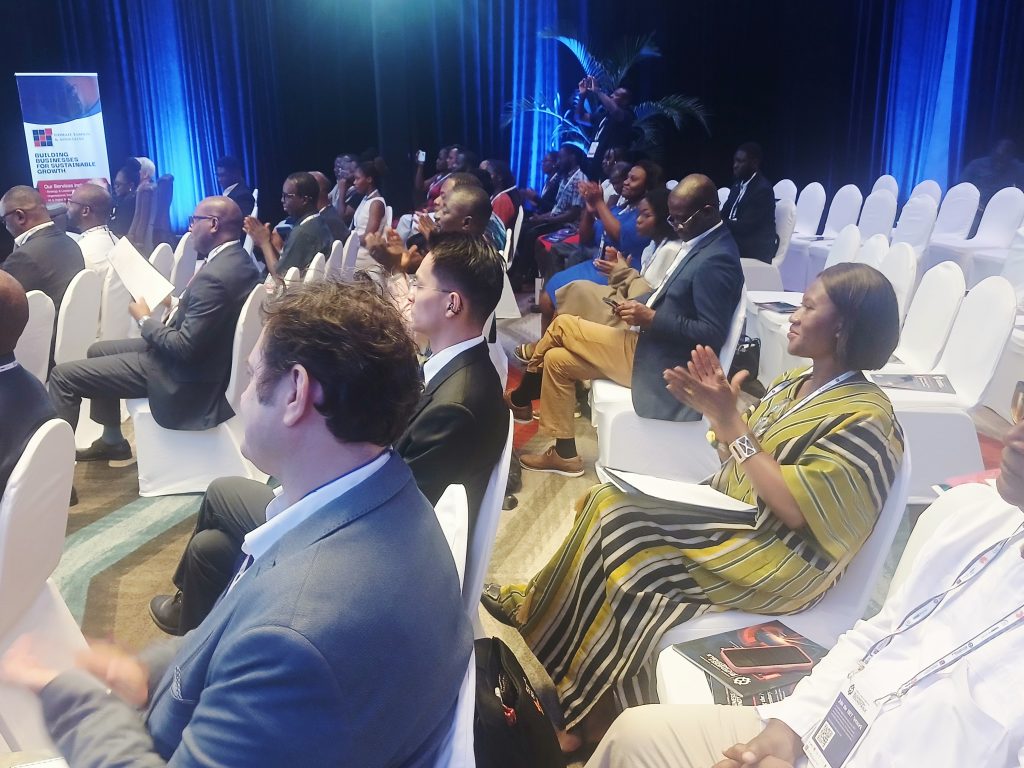
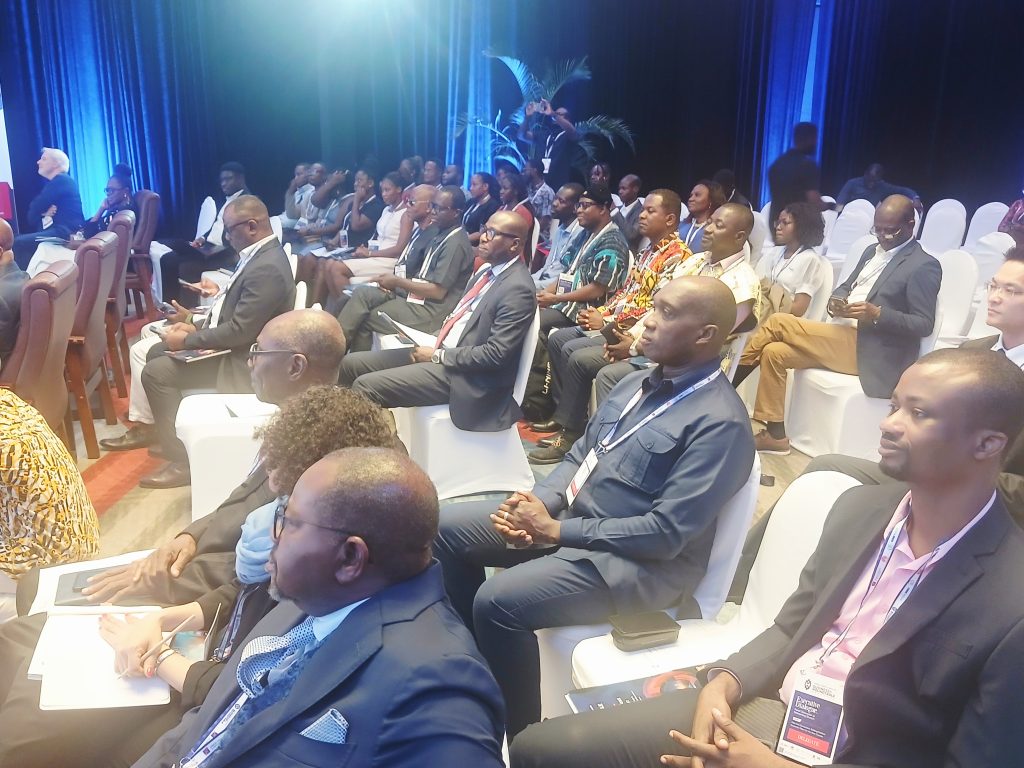
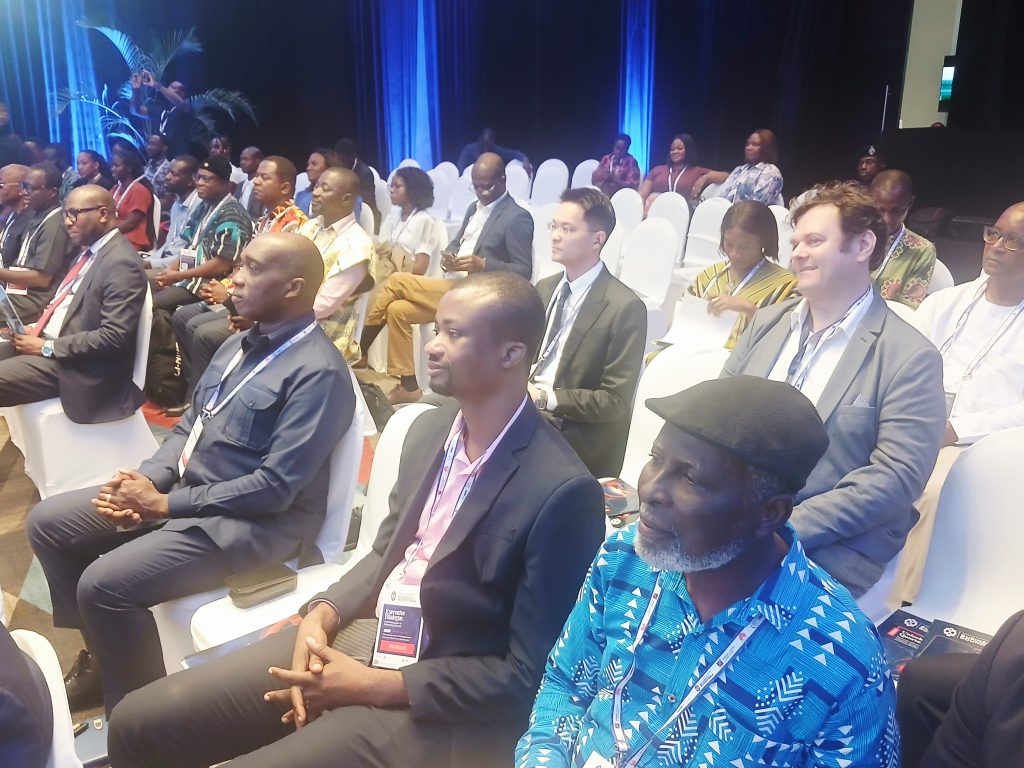
The forum brought together policymakers, economists, business leaders and professionals to examine how Ghana could consolidate its economic gains and build a more productive and resilient economy over the next decade.
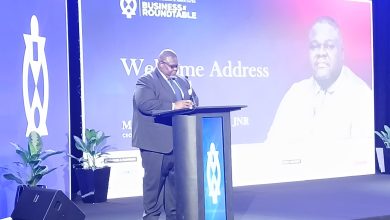
Opening the session, the Chief Executive Officer and President of Ishmael Yamson and Associates, Mr. Ishmael Yamson, challenged the private sector to accept its share of responsibility for Ghana’s economic difficulties instead of placing the blame entirely on government.
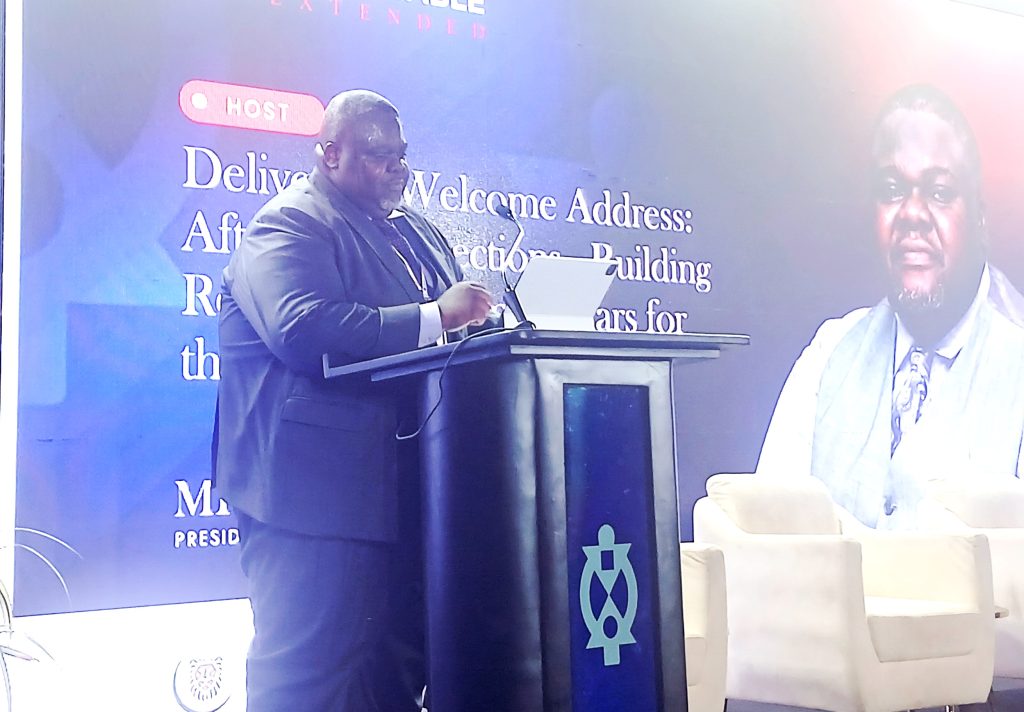
He said businesses had often lobbied for exemptions that narrowed the tax base and subsequently complained about high taxes, while many companies had preferred trading and property investments with quick returns to productive investments capable of creating jobs.
“Those of us in business are very quick to explain what government did wrong. We are considerably slower to account for our part in the problem,” he said.
Mr. Yamson also criticised the tendency of some businesses to seek advantage through proximity to political power rather than productivity, saying such practices weakened competition and contributed to the country’s recurring economic challenges.
He said Ghana’s repeated return to the International Monetary Fund (IMF) demonstrated that the country needed to address the structural causes of its economic difficulties rather than repeatedly treating the symptoms.
He urged participants at the forum to engage in frank discussions and leave the meeting with concrete commitments rather than merely opinions.
“I ask three things of us this morning: listen properly, ask the hard question rather than the flattering one, and when you leave, take away one commitment. Not an opinion. A commitment,” he said.
Recovery must translate into jobs
Delivering the keynote address on behalf of the Minister of Finance, Dr. Cassiel Ato Forson, Deputy Minister of Finance, Hon. Thomas Nyarko Ampem, said Ghana had made significant progress in restoring macroeconomic stability but must now ensure that the gains translated into increased production, investment and jobs.
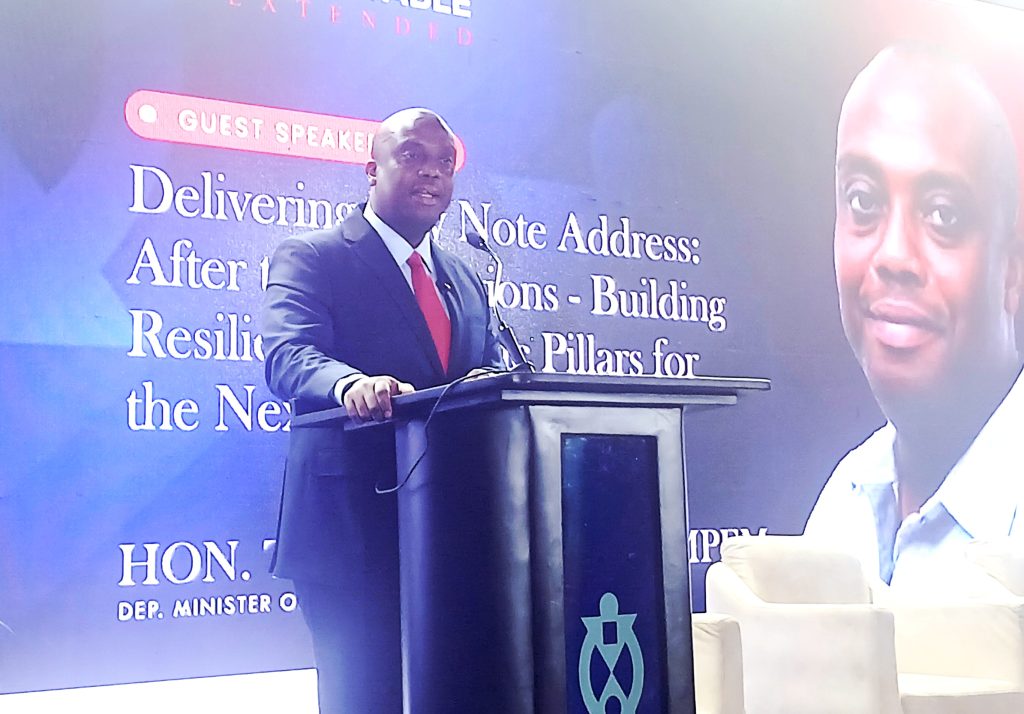
He said the economy had moved from a period of severe distress, characterised by high inflation, currency pressures, unsustainable public debt and restricted access to international capital markets.
According to him, real Gross Domestic Product (GDP) expanded by six per cent in 2025 and 6.4 per cent in the first quarter of 2026, while inflation had declined from 23.8 per cent in December 2024 to 4.6 per cent in July 2026.
He said Ghana’s gross international reserves stood at approximately US$12.9 billion by June 2026, equivalent to about five months of import cover, while the country’s risk of external and overall debt distress had moved from high to moderate.
He also noted that the IMF had completed the sixth and final review of Ghana’s US$3 billion Extended Credit Facility programme in July 2026, recognising progress in macroeconomic stabilisation and debt sustainability.
Mr. Ampem, however, cautioned that Ghana must not become “prisoners of our own good numbers.”
“Macroeconomic stability matters, but it is not enough. Our real interest is to ensure stability reaches factories, farms, markets, small businesses and households,” he said.
He said the next phase of economic management would therefore focus on converting macroeconomic stability into sustained inclusive growth through value addition, productivity enhancement and job creation.
Five pillars for resilient economy
Mr. Ampem outlined five pillars that government considered critical to building the economy over the next decade.
They include stronger economic buffers, a more productive economy, a stronger private sector, institutions capable of surviving political cycles, and growth that ordinary Ghanaians could feel.
He said the country must strengthen its reserves, maintain sustainable debt levels and build fiscal, energy and food-security buffers to absorb future economic shocks.
He said the Ghana Accelerated National Reserve Accumulation Programme (GANA) was expected to build sufficient reserves to cover 15 months of imports by 2028.
The Deputy Minister also said the debt-to-GDP ratio had declined from 61.8 per cent in 2024 to 45 per cent in June 2026.
On energy security, he said government was pursuing the construction of a 1,200-megawatt state-owned gas-fired thermal power plant, which he described as Ghana’s largest power plant since independence.
He said the second pillar required a fundamental change in what Ghana produced, how much it produced and how productively it produced.
He called for stronger linkages between agriculture and agribusiness, mining and domestic value chains, energy and industry, technology and enterprise, and skills and jobs.
According to him, government’s new economy programme, which would be implemented from 2027, would focus on building a more productive, diversified and competitive economy.
The programme would be anchored on seven transformational areas: macroeconomic stability; commercial agriculture, agribusiness and business; energy sector reforms and investment; critical minerals and value addition; cotton, textile and garment industries; tourism, culture and creative arts; and pharmaceutical manufacturing hubs.
He said details of the programme would be provided by the Finance Minister when he presents the 2027 Budget Statement to Parliament.
Private sector must invest
Mr. Ampem said improved financial conditions were beginning to create space for private-sector investment, but cautioned that cheaper credit must translate into productive investment.
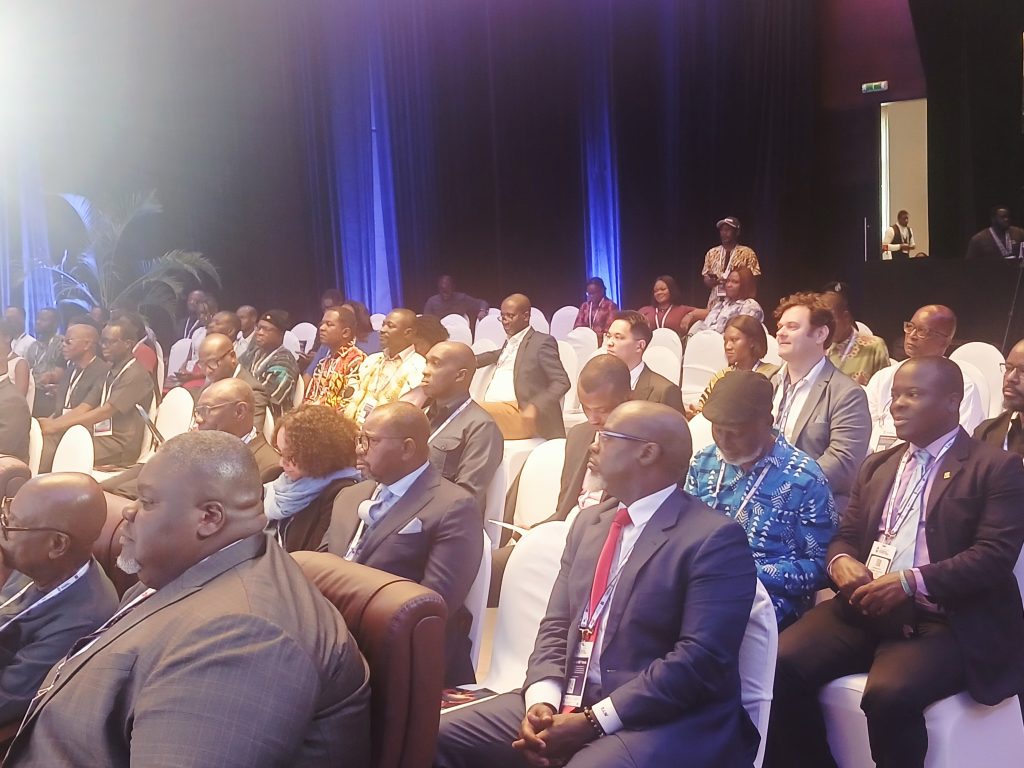
He said the 91-day Treasury bill yield had fallen from 26 per cent in December 2024 to 4.9 per cent in August 2026, while the Ghana Reference Rate had declined from 29.3 per cent to 10.6 per cent.
Average lending rates, he added, had also declined from 30.25 per cent in December 2024 to 15.8 per cent in July 2026.
Private-sector credit growth had accelerated from 17.7 per cent in July 2024 to 43.9 per cent year-on-year in July 2026.
“Cheaper credit must become productive credit. We need finance for production, innovation, exports and long-term investment,” he said.
He said Ghanaian businesses must not simply seek protection from competition but must be equipped to compete successfully in domestic and international markets.
Institutions must transcend political cycles
Mr. Ampem said Ghana could not build a 10-year economy using four-year political thinking.
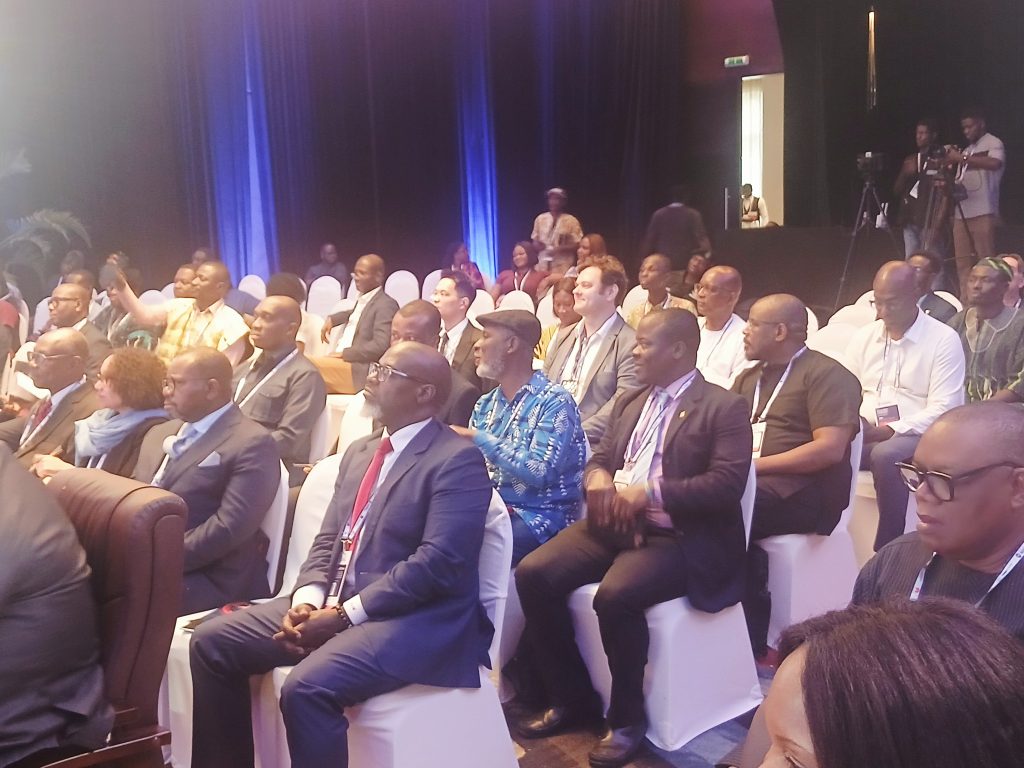
He said fiscal rules, commitment controls, procurement regulations and debt limits must be enforced consistently irrespective of which political party was in government.
“Ghana should never again require a crisis before discovering fiscal discipline,” he said.
He said the objective was to establish institutions and systems that would make sound economic governance routine rather than dependent on exceptional leadership.
‘We don’t have time’ — Dr Yamson
In his closing remarks, Chairman of Ishmael Yamson and Associates, Dr. Ishmael Evans Yamson, reinforced the call for urgent action, saying Ghana could no longer afford to wait for another election cycle before demanding results from its leaders.
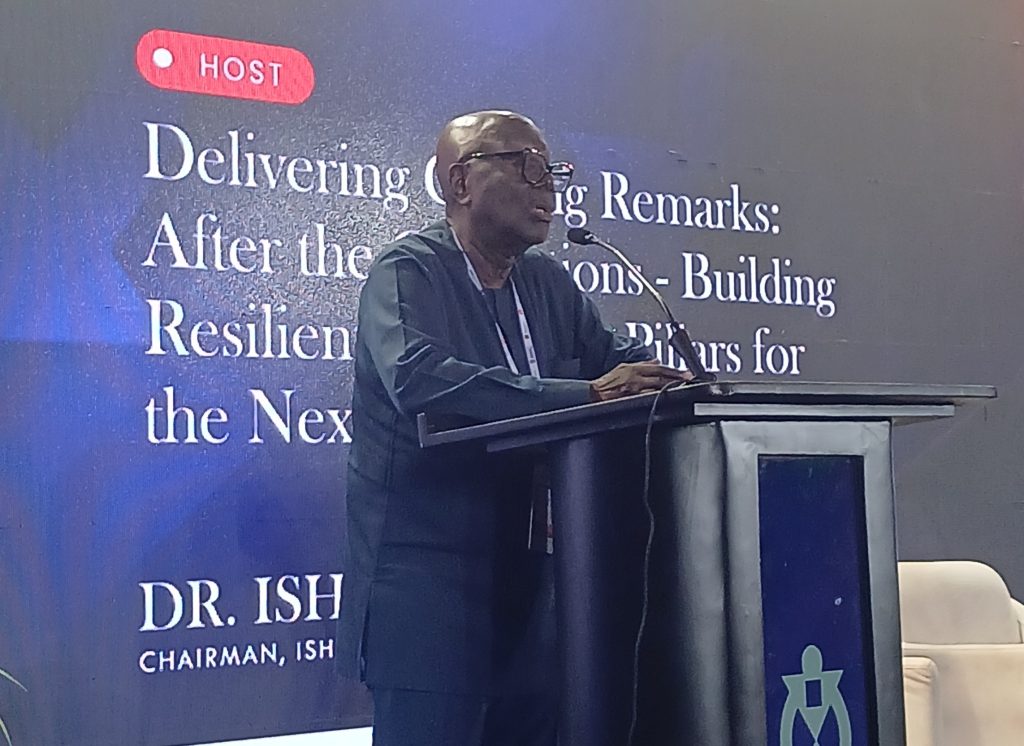
He expressed concern about the country’s unemployment situation, particularly the large number of young people entering the labour market every year without meaningful employment opportunities.
He said Ghana must be worried about young people who completed secondary and tertiary education but were unable to find productive jobs.
Dr. Yamson challenged political leaders to measure their success not by political rhetoric or accusations against previous administrations but by what they had actually contributed to the welfare of Ghanaians and the strength of the economy.
“When you are a leader, when you are voted a leader, when you are appointed a leader, it is your role, it is your responsibility to change the situation you found,” he said.
He questioned why parliamentary debates often focused on which administration had lost or mismanaged more money instead of determining which government had delivered better results.
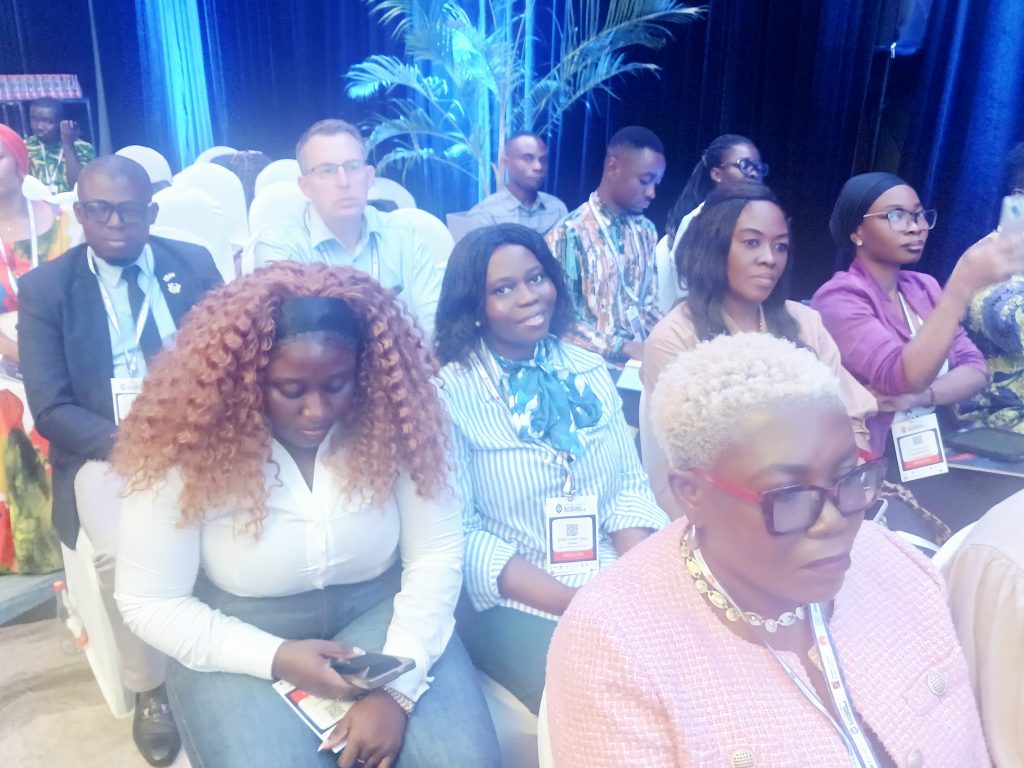
He urged leaders to ask themselves what legacy they would leave behind when they exited office.
“After four years when I leave political office, how would I be remembered? Would I be remembered as a man who should be chased for the money’s loss? Or would I be remembered as the person who made a difference to Ghana?” he asked.
Change mindset and culture
Dr. Yamson also called for a fundamental change in Ghana’s mindset and culture, arguing that the country could not continue doing things in the same manner and expect to achieve different results.
He said rapid technological advancement was changing the global economy and Ghana needed to equip its young people with the skills to participate meaningfully in that transformation.
“We have to be intentional about changing Ghana. We have to change our mindset and remember all the time that time is not on our side,” he said.
He further criticised the growing disorder in Accra and weaknesses in law enforcement, saying Ghana needed to restore discipline and respect for rules if it was to build a successful country.
Dr. Yamson said Ghanaians often observed orderly systems in other countries when they travelled but returned home and accepted disorder as normal.
He said the country had the people, natural resources and other advantages needed to become a successful nation but was failing to use them effectively.
‘Ghana belongs to the people’
Dr. Yamson stressed that political parties did not own Ghana, but merely received the mandate to manage the country for a limited period.
“The political party don’t own the country. The people own the country. We only leave the country to them for four years to look after,” he said.
He therefore called for stronger national institutions and systems that would ensure continuity of sound policies beyond changes in government.
He also expressed concern about environmental degradation, particularly the destruction and pollution of Ghana’s rivers, warning that the country was undermining some of its most valuable natural resources.
The three speakers ultimately converged on the need for a new partnership between government, business and citizens, built around productivity, accountability, institutional discipline and long-term national interest.
Mr. Ampem said government would provide stability, predictability, infrastructure, efficient regulation and fiscal discipline, while the private sector must respond with investment, innovation, productivity, exports and jobs.
He said Ghana had been given “another chance” following the recent economic corrections and must use the current breathing space to define the country’s next decade.
“We have stabilised the present. Now we must secure the future,” he said.
The Deputy Minister said Ghana’s ultimate objective should be an economy that was productive, diversified, disciplined and resilient enough to withstand future shocks.
“When the next shock comes, and it will, Ghana will bend, but Ghana will not break,” he said.