
Story by Eugene Nyarko Jnr. l UG, Accra l Saturday, September 5, 2026 —
The Head of the Pan African Progressive Front (PPF), Mr Humphrey Quaye, has called for the cancellation of what he described as Africa’s “odious debt” and the payment of reparations to the continent for the historical exploitation of its people and resources.
He said Africa’s debt crisis could not be viewed in isolation from the historical effects of slavery, colonialism, neocolonialism and imperialism.
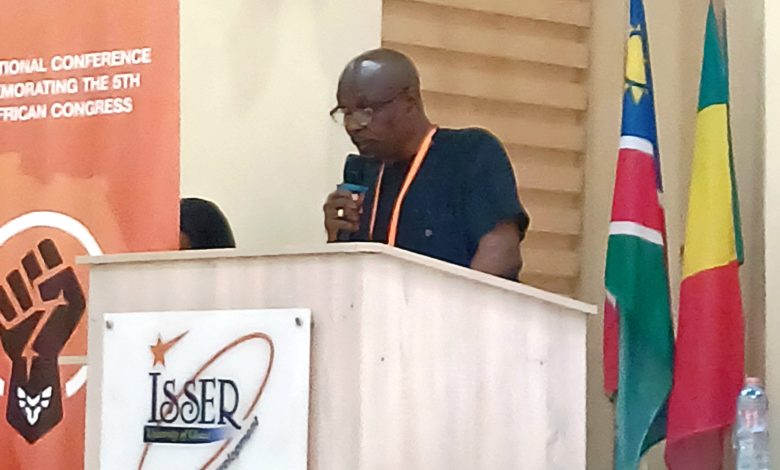
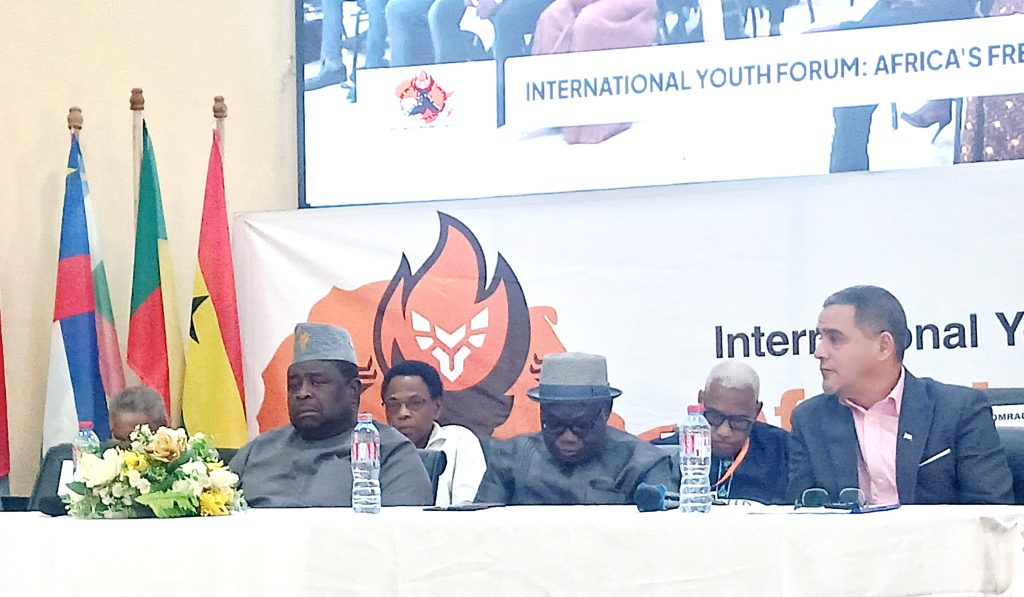
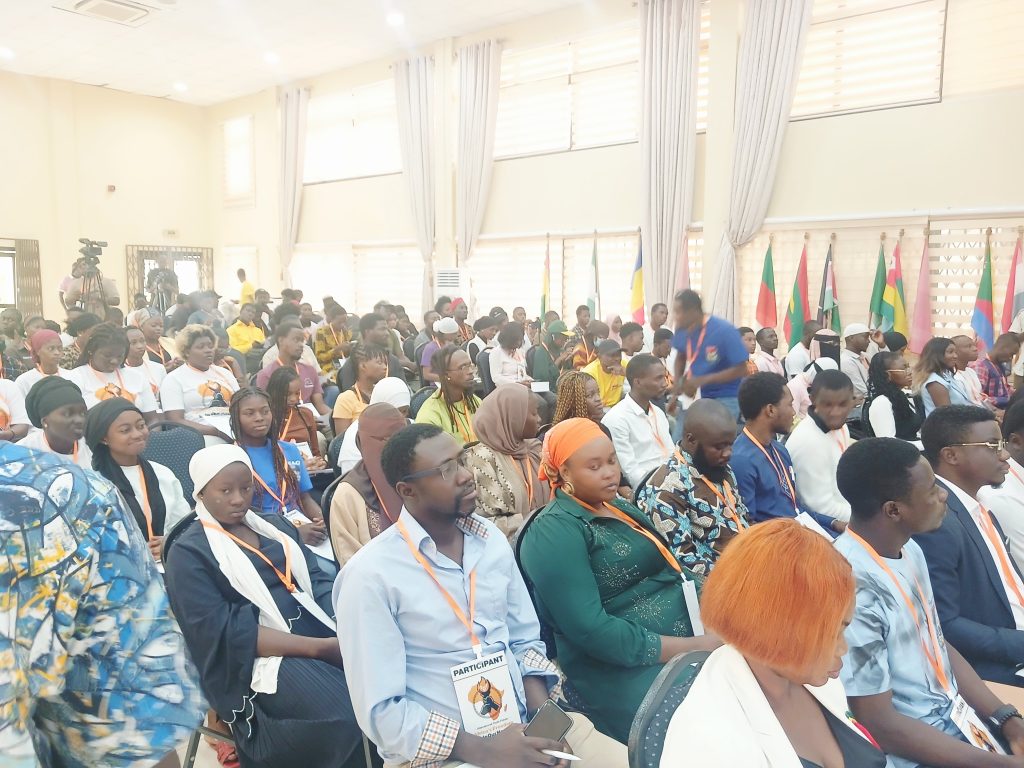
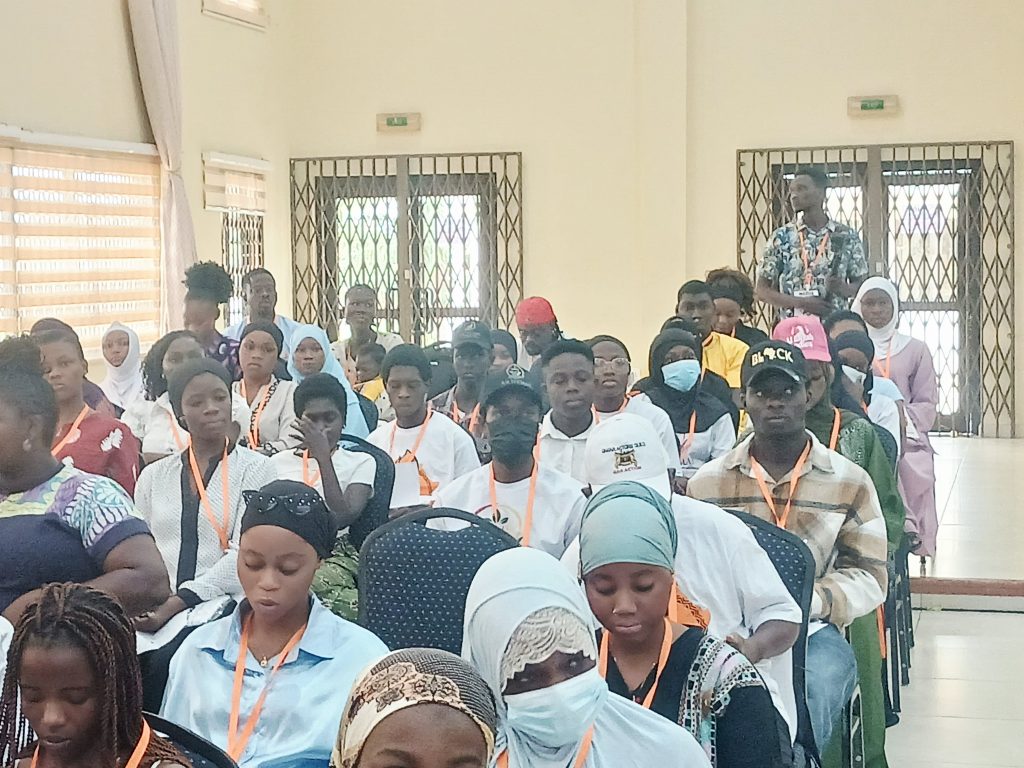
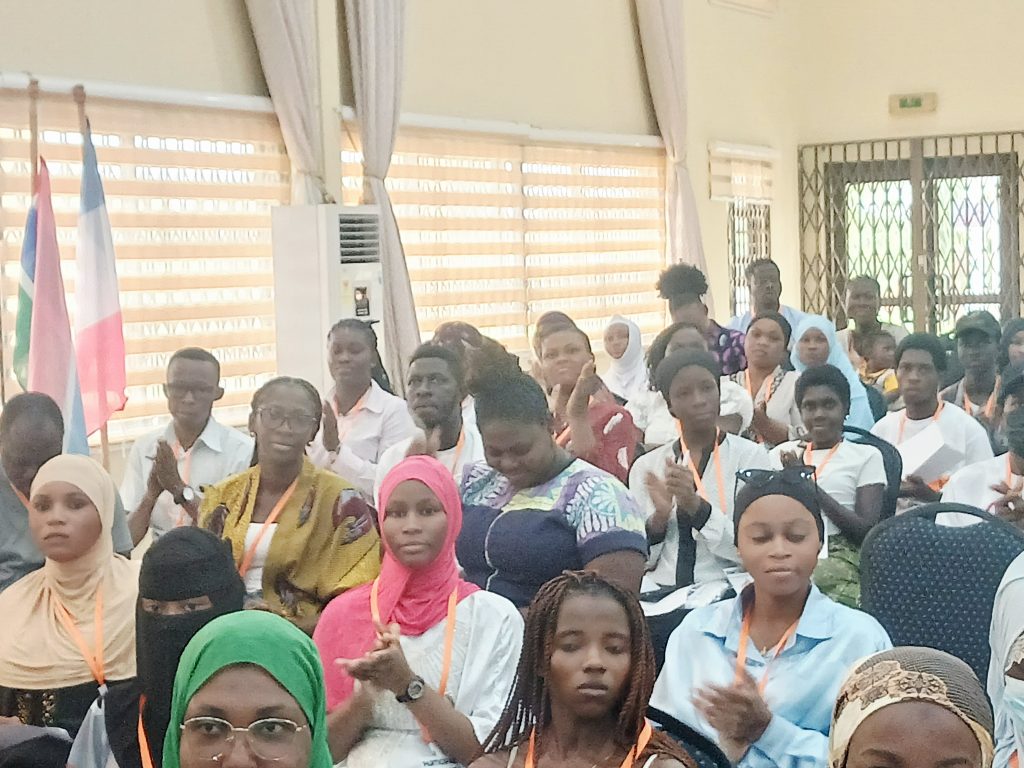
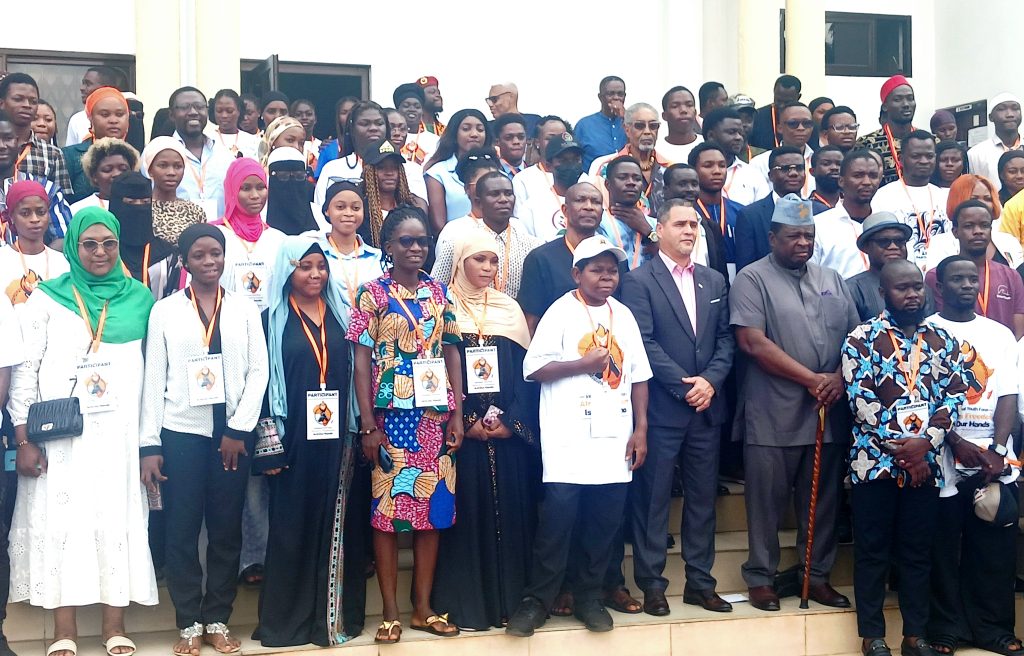
Mr Quaye made the call in his opening address at an International Youth Forum on Debt and Reparations held at the ISSER Conference Hall of the University of Ghana, Legon, in Accra, on Saturday, September 5, 2026.
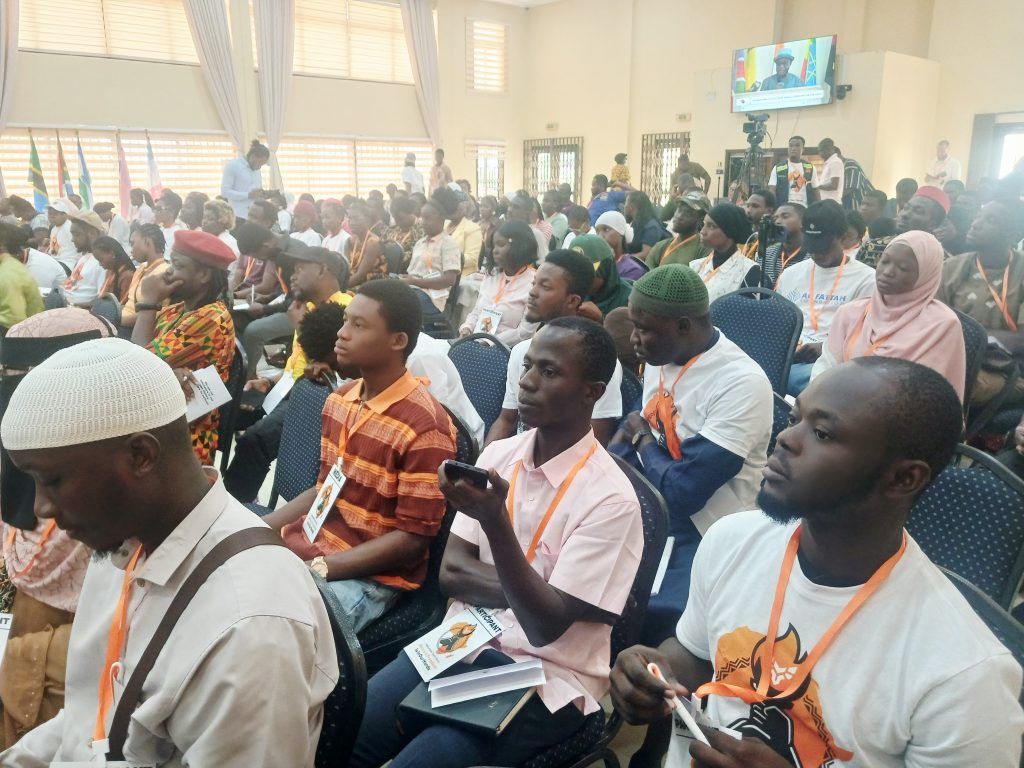
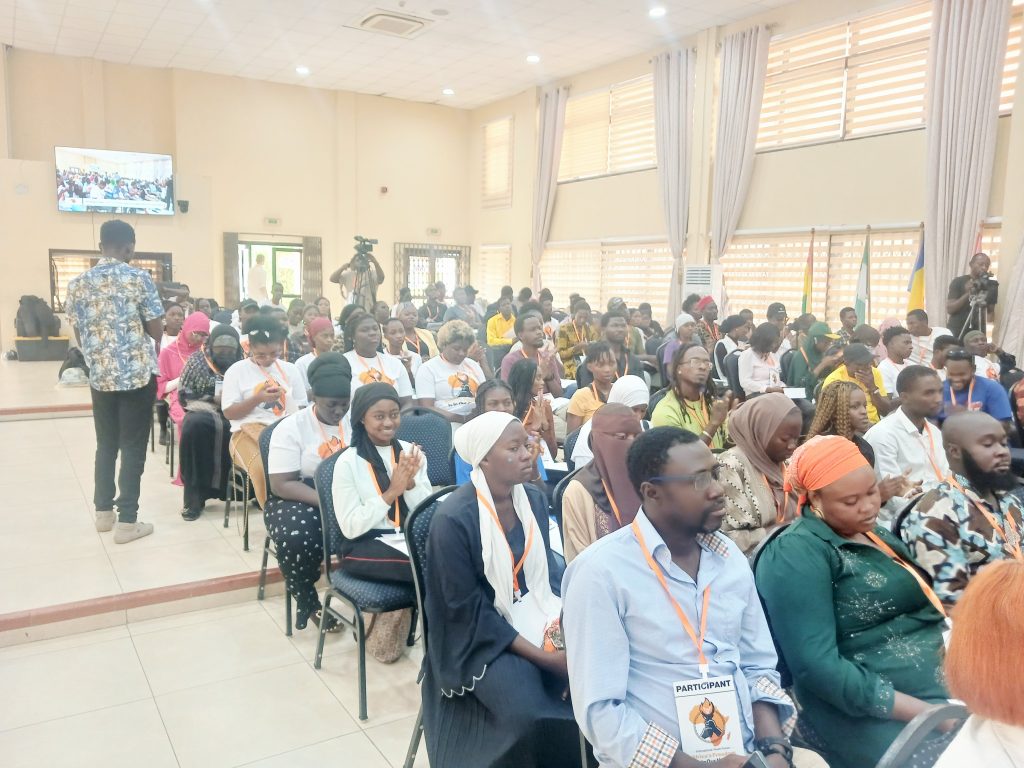
The forum, organised under the theme “Youth of Africa; Africa’s Freedom is in Our Hands!!!”, brought together about 200 participants, including Ghanaian youth, students from Mali, Burkina Faso and Niger, as well as other foreign students resident in Ghana.
He said the gathering was taking place at a significant location, describing Accra as a historic centre of Pan-Africanism, particularly under Ghana’s first President, Dr Kwame Nkrumah.
Mr Quaye recalled Nkrumah’s declaration that Ghana’s independence would be meaningless unless it was linked to the total liberation of Africa, saying the continent’s current struggle must extend beyond political independence to economic freedom.
Debt and historical exploitation
According to him, Africa’s debt situation was the continuation of centuries of exploitation.
“The so-called debt crisis of Africa is not an accident, neither is it an African creation,” he said.
He argued that Africa had historically provided labour, land, minerals and other resources without receiving fair compensation.
“For 400 years they took our know-how without due credit and our labour for free. For 100 years they took our lands, minerals and other resources for free,” he said.
“Now, they lend us our own stolen wealth at interest, and call us debtors.”
Mr Quaye said discussions about Africa’s debt must therefore be accompanied by conversations on “resetting, repair and restitution”, insisting that reparative justice was central to the PPF’s mission.
PPF agenda
The PPF Head said the organisation had, over the past 18 months, progressed from an idea into an institutionalised Pan-African movement.
He said the PPF established its international headquarters in Accra on June 30, 2025, describing the city as once again becoming a centre for Pan-African organising.
He also said the organisation had convened an online conference involving more than 60 Pan-African formations from 32 countries, with discussions focusing on trade union struggles, women’s emancipation and youth engagement.
Mr Quaye further highlighted the PPF’s International Conference of Progressive Pan-African Forces, held at the Kwame Nkrumah Memorial Park in Accra on November 18 and 19, 2025, to commemorate the 80th anniversary of the Fifth Pan-African Congress held in Manchester in 1945.
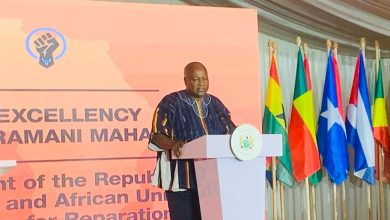
He said the conference, attended by more than 200 delegates from 57 countries, was opened by President John Dramani Mahama, the African Union Champion for Reparations.
Accra declarations
Mr Quaye said the conference produced what he described as concrete instruments for advancing Africa’s economic and political liberation.
These included the Accra Declaration, which he said outlined a programme for resource sovereignty, industrialisation, agricultural transformation and financial independence.
He said participants also adopted a Special Accra Declaration on Reparations, which recognised reparations as an inalienable right of Africans and people of African descent.
The PPF, he added, proposed the establishment of a Joint Institute for the Assessment of Damage and Documentation of the Colonial Legacy to develop scientific, legal and archival evidence to support reparations claims at international courts and the United Nations.
It also proposed a Pan-African Reparations Justice Fund, based on principles of transparency and accountability, to manage and redistribute reparatory resources.
Mr Quaye further called for the return of African cultural artefacts taken during the colonial period and currently held in museums outside the continent.
Call to Africa’s youth
Turning his attention to the youth, Mr Quaye said the younger generation had a critical role to play in completing the work begun by earlier Pan-African leaders.
He cited Kwame Nkrumah, George Padmore, W.E.B. Du Bois, Jomo Kenyatta and Hastings Banda as young leaders who had contributed to the struggle for African liberation.
He said the current generation must now take up the struggle for economic independence.
“Today, in 2026, we are here to declare that Africa must be free from debt, free from neocolonial control, and paid what is owed to her,” he said.
He argued that unemployment, student debt and external influence over national budgets were manifestations of what he described as the continent’s debt trap.
“The youth of Africa demand: Cancel the odious debt. Pay the reparatory debt,” he declared.
Three tasks
Mr Quaye charged participants at the forum with three major responsibilities.
First, he urged them to formulate a Youth Chapter of the Accra Declaration, addressing issues including climate justice, technology sovereignty and the future of Africa’s youth.
Second, he called on the youth to organise across university campuses, communities and digital platforms.
Third, he urged them to participate in a continental campaign for the establishment of national and regional reparations bodies.
He said the Pan-African struggle had moved beyond historical remembrance and must now focus on securing economic justice for Africa.
“We are here to collect and collect we shall!” he declared, ending his address with calls for reparations and greater Pan-African unity.
Available next action: