

Story by Eugene Nyarko Jnr. | Accra | Thursday, September 3, 2026 —
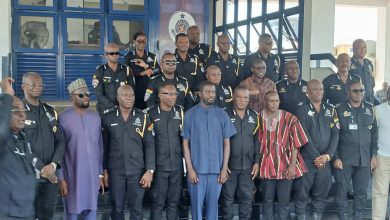
The National Development Planning Commission (NDPC) and the Ghana Police Service have discussed the role of law enforcement, civic responsibility and institutional effectiveness in promoting social order and advancing national development.
The discussion formed part of a strategic engagement between the two institutions as the NDPC continues consultations towards the preparation of the Consolidated National Development Plan.
The engagement focused on public safety, law and order, institutional capacity, civic responsibility and the need for effective enforcement of laws and regulations.
The Chairman of the NDPC, Dr Nii Moi Thompson, said national development was closely linked to the behaviour of citizens and the effectiveness of public institutions.
He said indiscipline, vandalism, misuse of public spaces and disregard for regulations had wider social and economic consequences that could undermine national development.
The Inspector-General of Police (IGP), Dr Christian Tetteh Yohuno, for his part, highlighted the importance of professionalism in policing while ensuring that public safety and national security were not compromised.
He said the Police Service had taken steps to discourage unnecessary roadside checks, although targeted interventions remained necessary to detect stolen vehicles, weapons and other contraband.
On traffic enforcement, the Director of the Motor Traffic and Transport Department (MTTD), DCOP Sammy Amissah, disclosed that the Police Service was preparing to roll out Traffic Tech, a technology-driven initiative that would deploy fixed cameras to strengthen traffic monitoring and improve compliance with road regulations.
“God willing, Traffic Tech is expected to be rolled out by October,” he said.
The Director-General of the NDPC, Dr Audrey Smock Amoah, said the engagement had provided an opportunity for the Commission to gain a better understanding of the concerns and proposals of the Police Service and to incorporate relevant issues into the national planning process.
She said stronger enforcement was essential to improving compliance and promoting responsible behaviour.
“When enforcement is enhanced, habits will improve, because those who don’t even want to comply will be forced to comply,” Dr Audrey Smock Amoah said.
She stressed the importance of institutions demonstrating the standards expected of citizens, noting that effective enforcement and institutional responsibility were critical to promoting social order.
Dr Amoah said the discussions would contribute to the Commission’s work on institutional capacity, public safety, civic responsibility and social order under the Consolidated National Development Plan.
The engagement underscored the importance of effective institutions, responsible citizenship and consistent enforcement of laws and regulations in creating an environment conducive to Ghana’s sustainable national development.