
From AI Consumers to AI Owners: Experts Challenge Africa to Take Control of Its Digital Future

Story by Eugene Nyarko Jnr. I ACU, Accra l Friday, August 14, 2026
Africa must move from simply adopting artificial intelligence (AI) technologies to owning and shaping the systems that will determine the continent’s technological future, experts at the Beyond AI “Nyansa Futures 2026” workshop have said.
The experts said although African countries were increasingly embracing AI, greater attention needed to be paid to data sovereignty, local infrastructure, energy, AI literacy, access to open-source technology and the development of home-grown AI solutions.
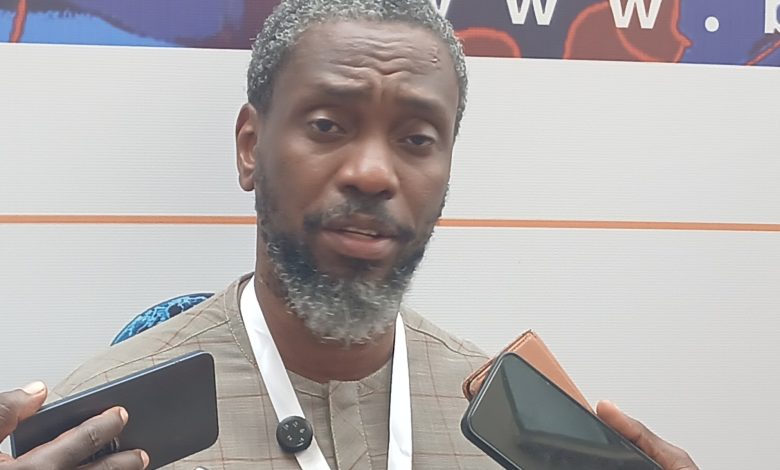
The Founder of the Beyond AI Movement and Managing Director of Aether Strategy, Mr. Kambale Musavuli, said Africa risked remaining a consumer of foreign AI technologies unless it developed the capacity to own the tools and infrastructure underpinning the technology.
He said most AI systems being used in Africa had been developed outside the continent and therefore reflected the assumptions and ideologies of their creators.
“Technology is never neutral,” Mr. Musavuli said, stressing that African countries needed to determine when they would begin owning the technologies they currently depended on.
He said the continent’s AI debate should also consider the extraction of Africa’s mineral resources, which are critical to the development of data centres, batteries and other technological infrastructure.
He cited cobalt, lithium and copper as important resources in the AI supply chain and questioned whether African countries were receiving sufficient value from those resources.
Data sovereignty
Mr. Musavuli said data sovereignty should be central to Africa’s AI conversation.
He said Africans using foreign AI platforms needed to understand where their data was stored, who controlled it and which laws applied to it.
He raised concerns about sensitive information, including health data, being entered into foreign AI platforms without users fully appreciating the implications.
He said the development of local AI tools would give African countries greater control over their data and help ensure that AI systems were designed around African realities.
He also drew attention to Ghana’s energy challenges, questioning whether the country should expand electricity generation to support energy-intensive AI data centres while parts of the country continued to experience power challenges.
Open-source opportunity
Mr. Jeff Xiong, General Secretary of the Global South Academic Forum, said the conditions were already favourable for Africa to benefit from AI, particularly because of the growing availability of open-source technologies.
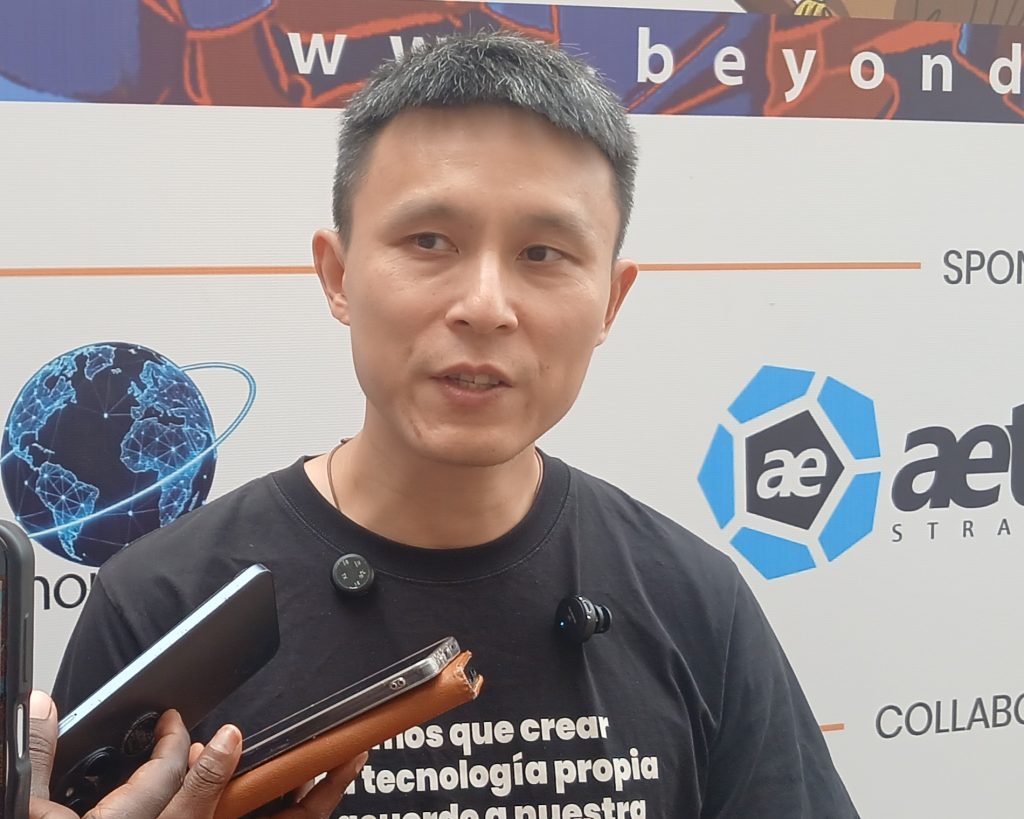
He said China was making advanced AI models available to the public at comparatively low costs, giving African countries an opportunity to access powerful AI technologies without the high costs associated with some proprietary systems.
“The objective condition is already there and the people are ready, the country is ready,” he said.
Mr. Xiong, however, said general public awareness of AI remained relatively low across Ghana and Africa.
He said many people were still frightened by the technology because they associated it with job losses, misinformation and other negative consequences.
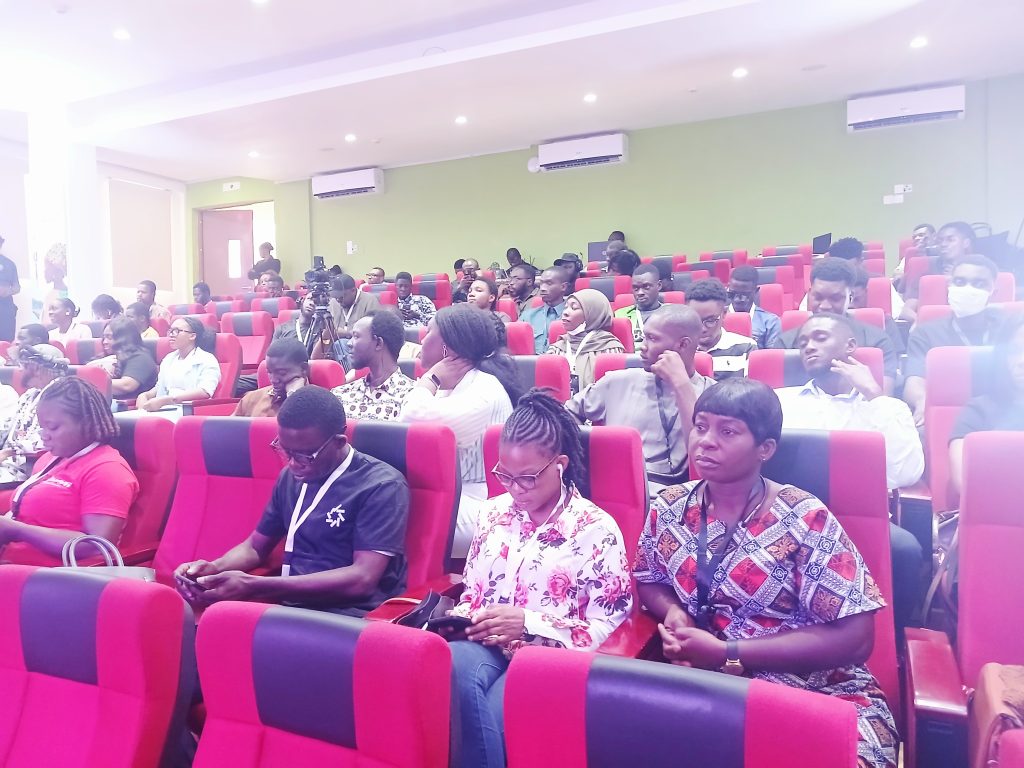
He said the solution was to expand AI literacy and give people practical knowledge to enable them to use the technology productively.
Building local capacity
Both experts stressed the importance of building local capacity rather than relying entirely on foreign technology providers.
Mr. Musavuli said the Beyond AI Movement had spent the past year engaging communities through monthly programmes aimed at generating discussions about AI and its impact on society.
He said the organisation hoped the “Nyansa Futures 2026” conference would culminate in a manifesto or declaration capturing participants’ views on how AI should be implemented in Ghana and how the country could move towards ownership.
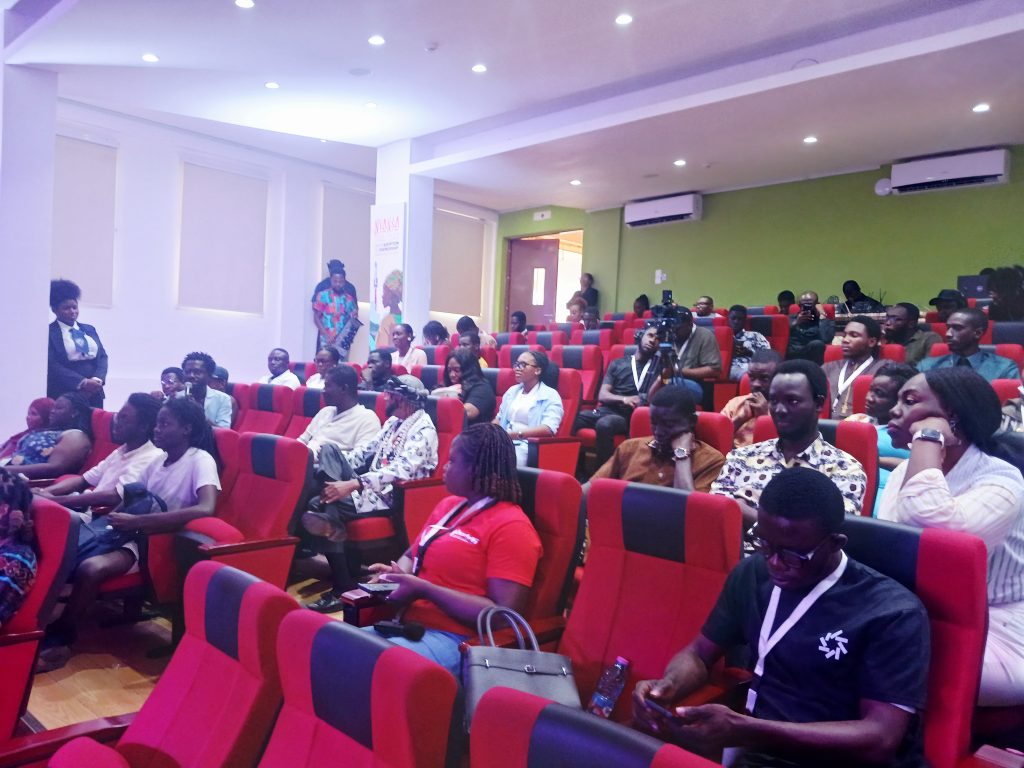
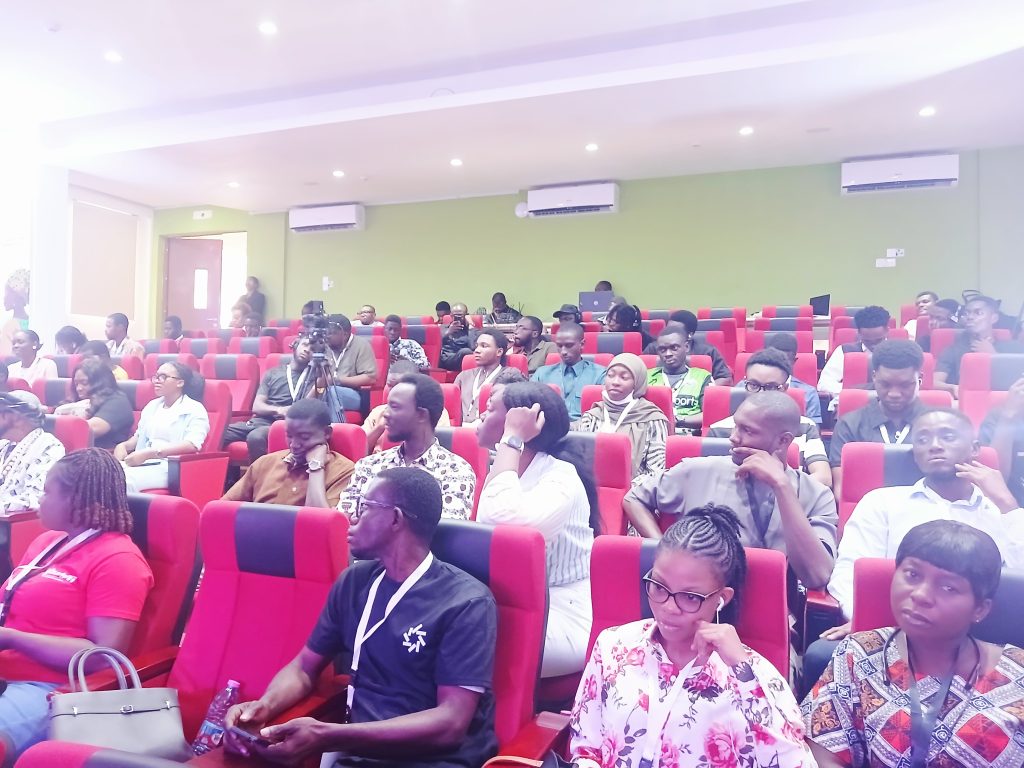
The workshop also featured masterclasses in prompt engineering and “vibe coding”, with professors from Academic City University providing practical training to participants.
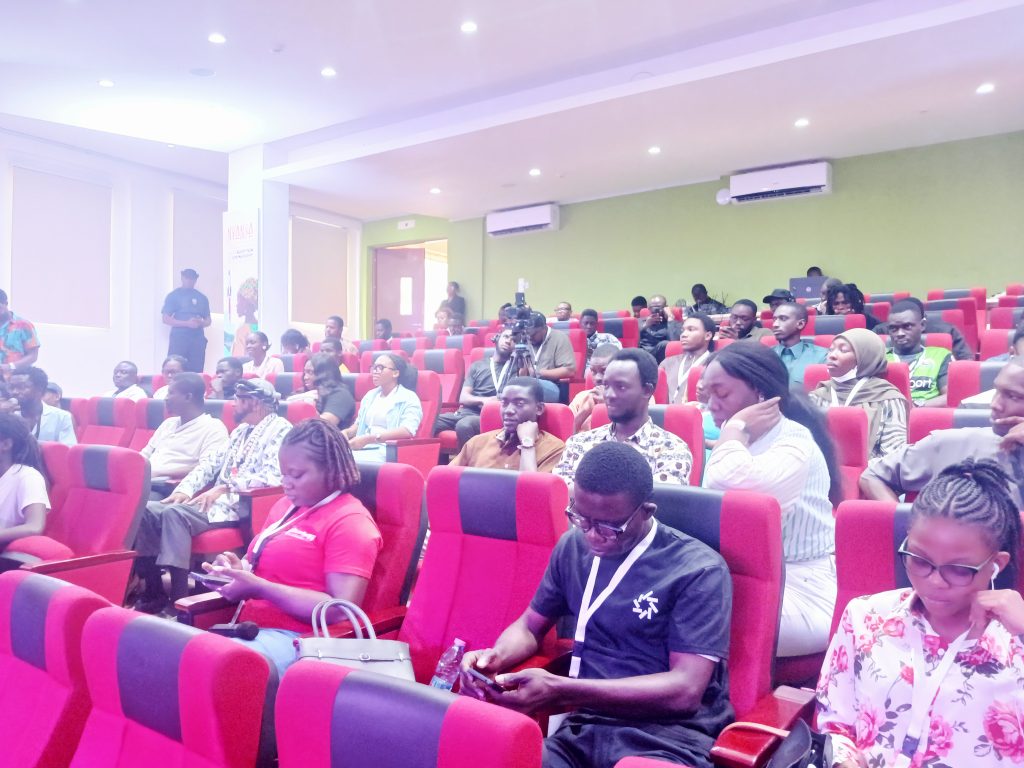
Mr. Musavuli said such programmes were important for developing practical AI skills and demonstrating how AI could improve productivity in professions such as journalism.
Mr. Xiong, for his part, said the free software movement had influenced his belief that technology should be accessible to ordinary people rather than monopolised by a few companies.
“I believe technology should belong to the people,” he said.
He urged Africans to take advantage of open-source AI technologies to develop solutions that addressed local challenges and helped the continent become an active creator rather than merely a consumer of technology.