
Story by Eugene Nyarko Jnr. | ILGS, Accra | Wednesday, July 22, 2026
The Deputy Minister for Local Government, Chieftaincy and Religious Affairs, Hon. Rita Naa Odoley Sowah, has urged registrars and human resource managers of the National and Regional Houses of Chiefs to uphold professionalism, integrity and accountability in the administration of chieftaincy affairs.
She said the effectiveness of Ghana’s traditional governance institutions depended not only on the wisdom and leadership of traditional authorities but also on the competence, dedication and professionalism of the administrative and technical officers who supported them.
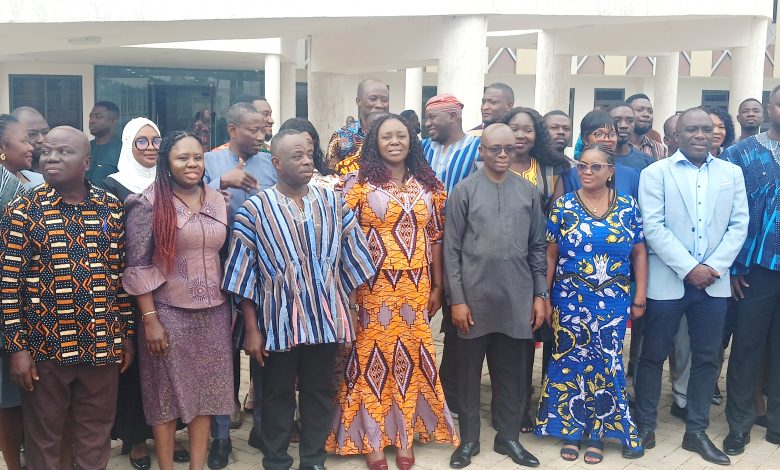
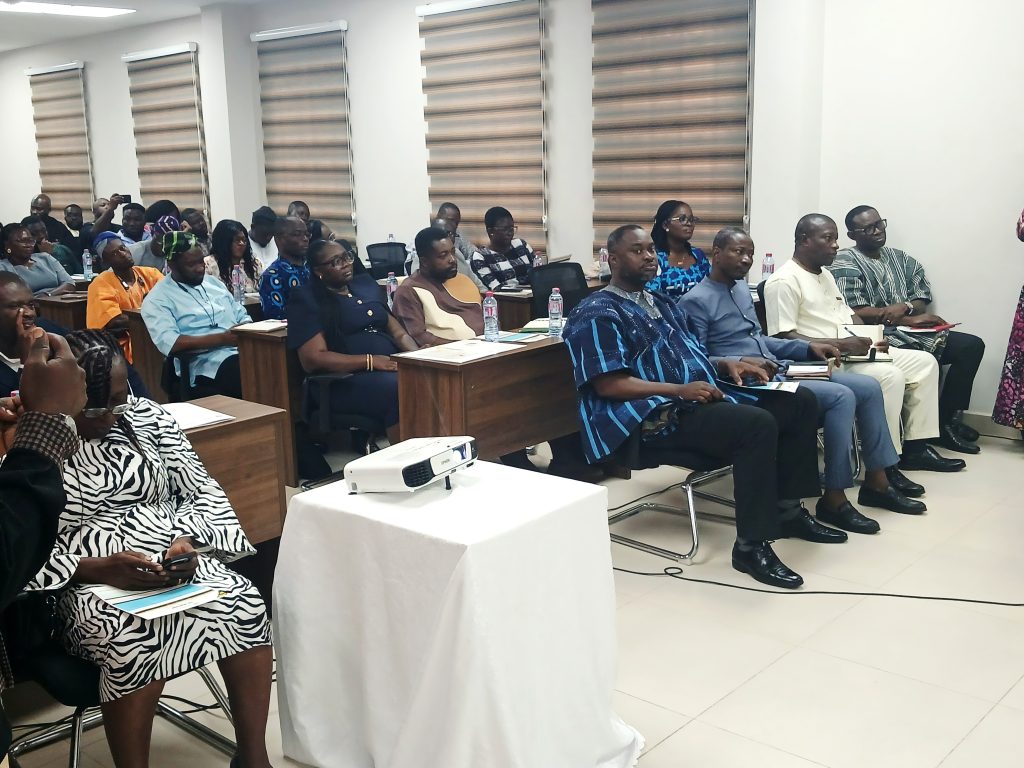
Hon. Sowah made the call in a keynote address delivered on behalf of the sector Minister, Hon. Ahmed Ibrahim, at a two-day capacity-building programme for registrars and human resource managers of the National and Regional Houses of Chiefs at the Institute of Local Government Studies (ILGS), Ogbojo-Madina, in Accra, on Wednesday, July 22, 2026.
The programme, organised under the theme “Strengthening Governance, Upholding Tradition, Delivering Service,” sought to enhance the knowledge and skills of officials responsible for the administration of chieftaincy institutions.
According to the Deputy Minister, registrars served as the administrative backbone of the Regional Houses of Chiefs and traditional councils, with responsibility for ensuring that chieftaincy matters were administered in accordance with established laws, procedures and public service regulations.
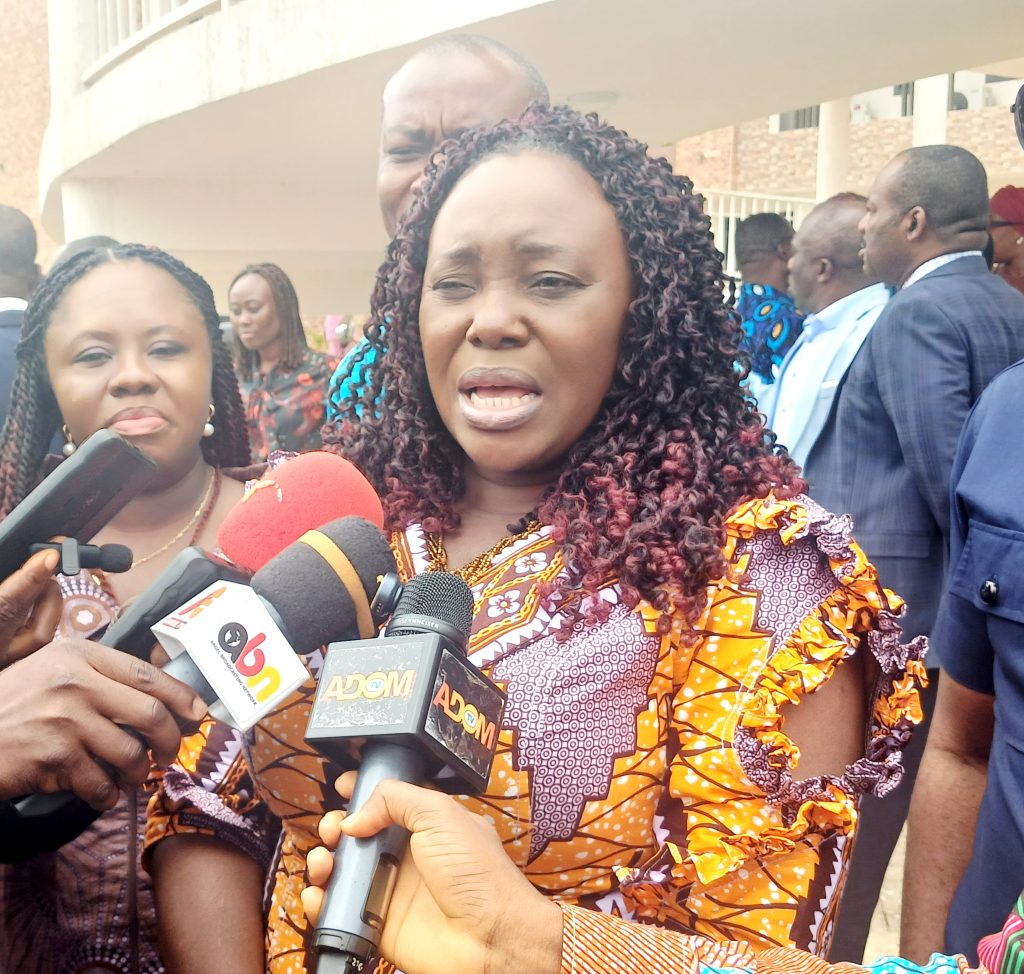
She noted that registrars provided critical administrative support to judicial committees, maintained institutional records, coordinated proceedings and served as a bridge between national authorities and the public administration system.
“Changing demands of public administration and the increasing complexity of chieftaincy governance require continuous learning and skills enhancement,” she said.
Hon. Sowah explained that registrars operated within a unique environment that required them to balance the demands of public service administration with the expectations and traditions of customary governance.
She therefore stressed the need for technical competence, diplomacy, leadership, integrity and sound judgement in the discharge of their duties.
The two-day programme, she said, would equip participants with practical knowledge in judicial administration, including the filing and registration of petitions, service of processes, management of pleadings, scheduling of hearings, maintenance of records and handling of exhibits.
“These competences are essential for ensuring fairness, transparency, efficiency and credibility in the administration of chieftaincy matters,” she added.
The Deputy Minister also urged participants to take human resource management seriously, particularly in areas such as promotions, salary administration, leave management, postings and transfers.
She encouraged public officers to take their annual leave to rest and rejuvenate, stressing that adequate rest was essential to effective service delivery.
Hon. Sowah further underscored the importance of clearly defining roles, responsibilities, professional boundaries and reporting relationships between traditional authority structures and the public service administration.
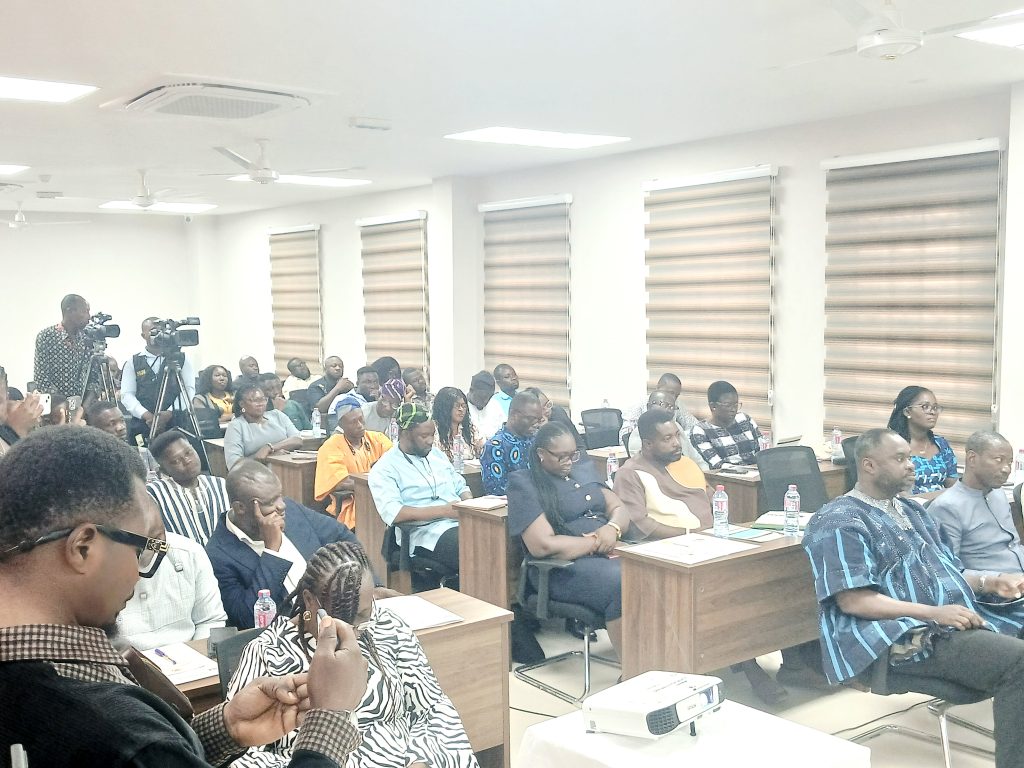
She said effective communication, conflict resolution and the ability to manage expectations were critical to maintaining harmony and ensuring institutional performance within customary governance structures.
“As public officers, we must also continue to uphold the highest standards of integrity, accountability, impartiality and professionalism,” she said, adding that public confidence in institutions depended greatly on ethical conduct and faithful service to the people.
She assured stakeholders of the Ministry’s continued commitment to strengthening institutional capacity in the chieftaincy sector and enhancing collaboration between traditional authorities and the public service.
At the end of the programme, she expressed the expectation that participants would return to their respective stations with enhanced knowledge, renewed confidence and practical skills to improve service delivery and strengthen institutional governance.
She subsequently declared the capacity-building workshop duly open.
Judicial Committees Have Constitutional Mandate to Adjudicate Chieftaincy Matters — Registrar
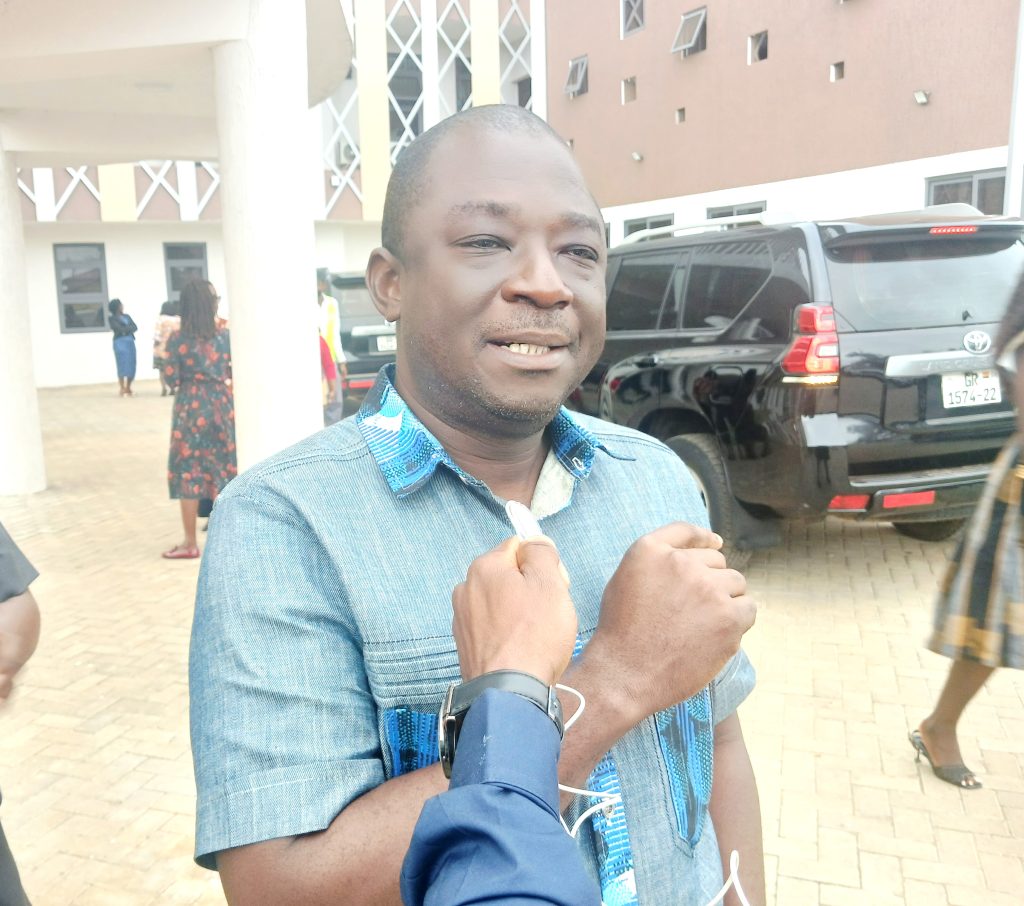
The Registrar of the Ashanti Regional House of Chiefs, Kofi Owusu, has clarified that the Judicial Committees of the Houses of Chiefs have the constitutional mandate to hear and determine causes and matters affecting chieftaincy.
He explained that where a party was dissatisfied with a decision of a Traditional Council Judicial Committee, the affected party had the right to appeal to the Regional House of Chiefs, followed by the National House of Chiefs and ultimately the Supreme Court.
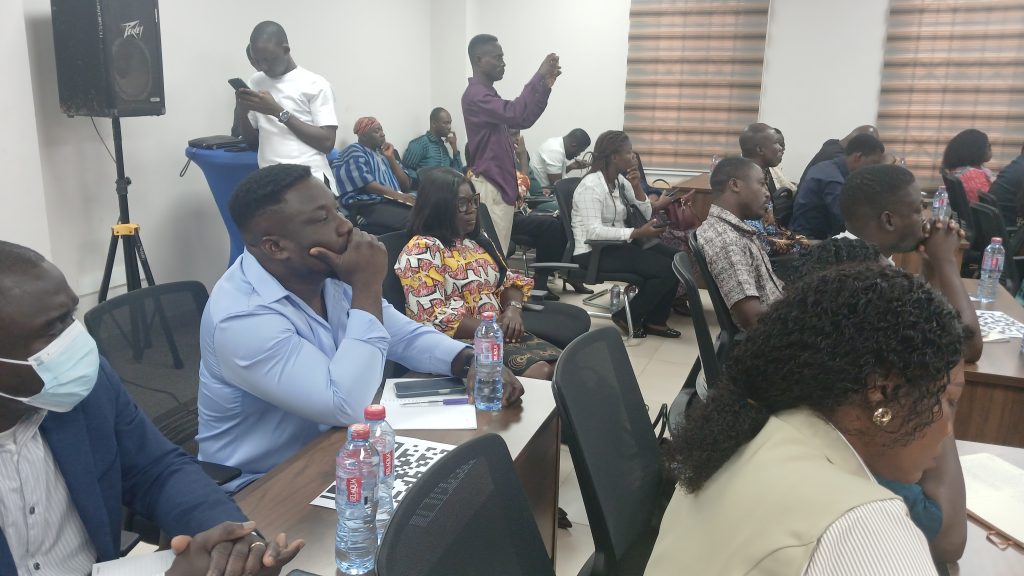
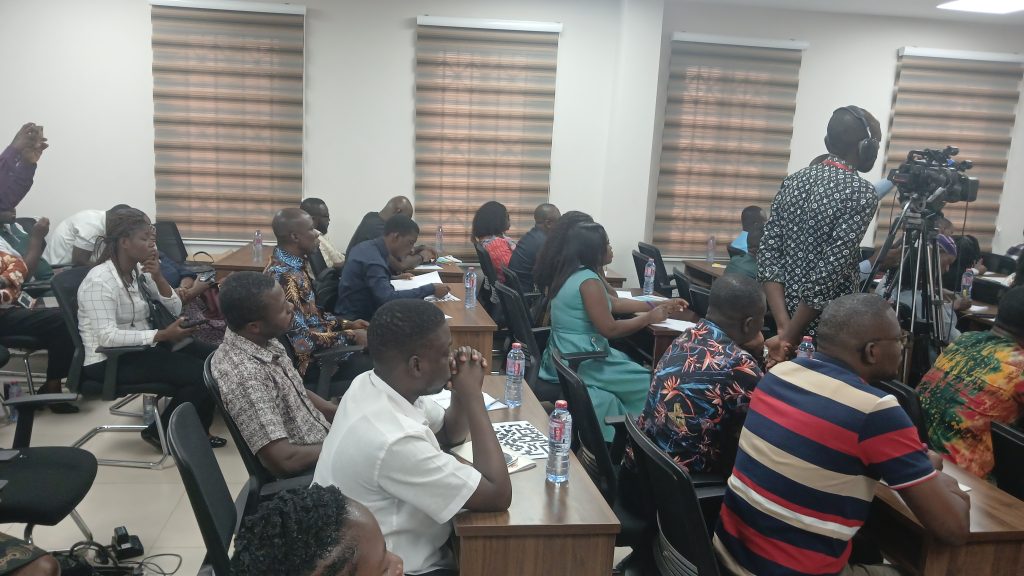
Speaking at the capacity-building programme for registrars and human resource managers of the National and Regional Houses of Chiefs at the Institute of Local Government Studies (ILGS), Ogbojo-Madina, Accra, Mr. Owusu said the High Court played an advisory role in relation to the activities of the Judicial Committees.
He stressed that the High Court did not have jurisdiction to determine disputes over who was the rightful occupant of a traditional stool.
“If you and I are disputing over who is the rightful royal of a particular traditional area, the High Court has no jurisdiction to determine that matter. It must go to the Traditional Council Judicial Committee,” he explained.
According to him, the Judicial Committees were mandated to hear and determine causes and matters affecting chieftaincy within traditional areas and regions.
Mr. Owusu, however, identified inadequate staffing as one of the major challenges confronting the Houses of Chiefs.
He cited the shortage of technical staff responsible for specialised duties, including bailiffs, as a major concern.
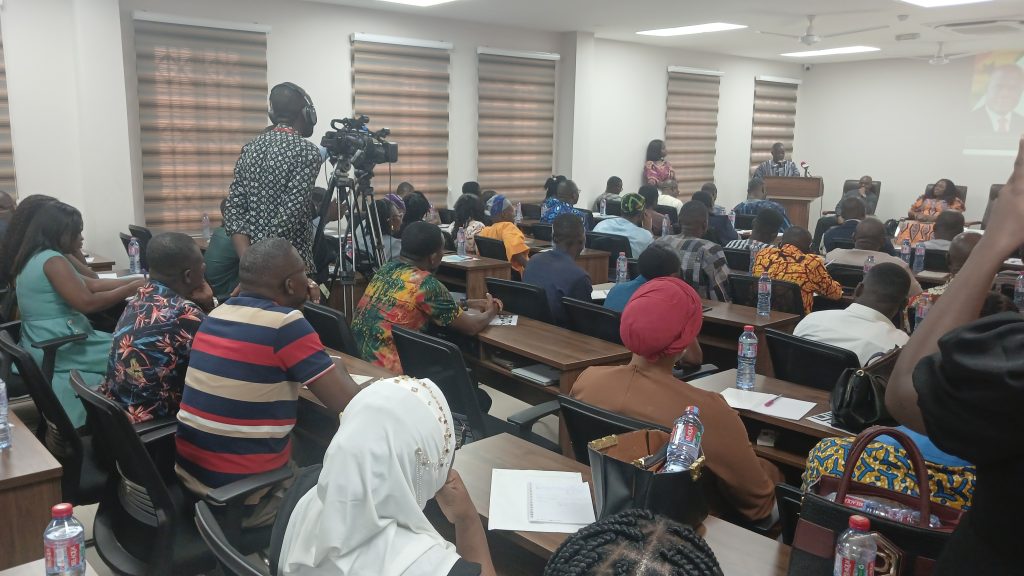
He said the Ashanti Regional House of Chiefs had a Secretariat and Judicial Committee, while the region also had 35 operational traditional councils, each with a Judicial Committee.
However, he noted that the entire system had only one bailiff to perform duties across the various institutions.
“This is the issue,” he said, stressing the urgent need for additional technical personnel to support the administration of chieftaincy justice.
Mr. Owusu also appealed for the timely release of funds to the Houses of Chiefs and Traditional Councils to enable them to carry out their operations effectively.
He said delays in the release of funds affected the smooth functioning of the institutions, while allocations to the Traditional Councils were inadequate.
He therefore called for the early release of operational funds and an increase in financial support to enable the Houses of Chiefs and Traditional Councils to discharge their mandates efficiently.