
Story by Eugene Nyarko Jnr. | Adenta, Accra | Friday, June 5, 2026
The Government of Ghana has reaffirmed its commitment to environmental sustainability and climate resilience with the launch of the 2026 edition of the Tree for Life Reforestation Initiative, aimed at planting 30 million tree seedlings nationwide.
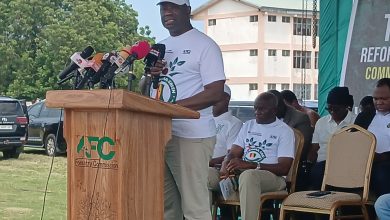
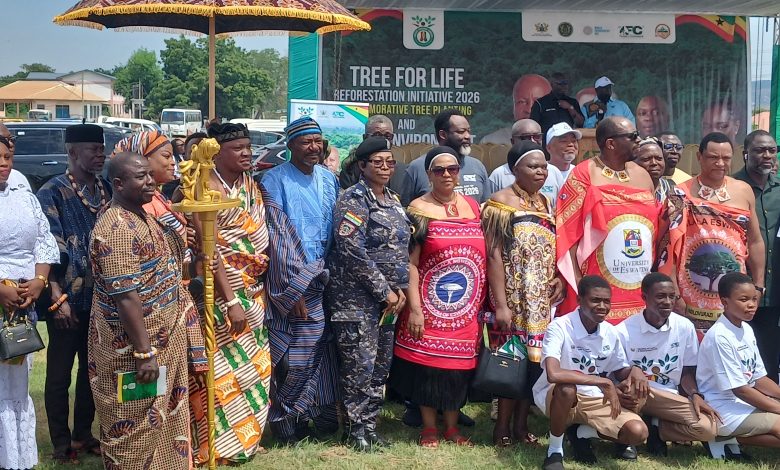
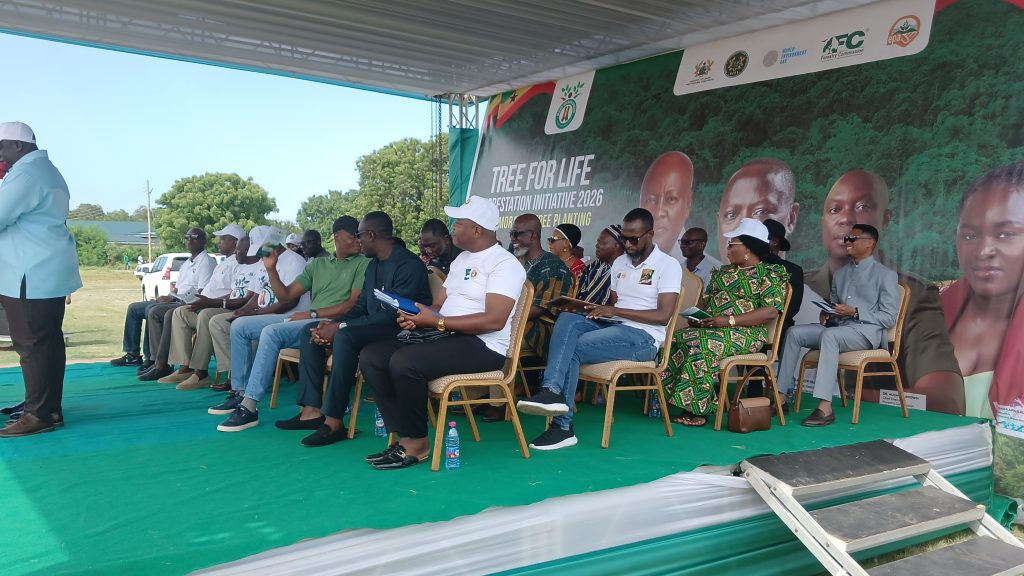
The national launch, which coincided with the celebration of World Environment Day 2026, was held at the West Africa Senior High School (WASS) in Adenta under the themes “Forests and Economies” and “Inspired by Nature: For Climate, For Our Future.”
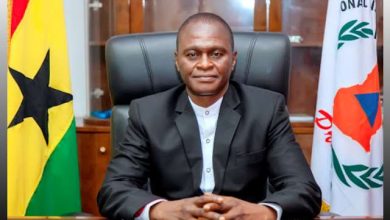
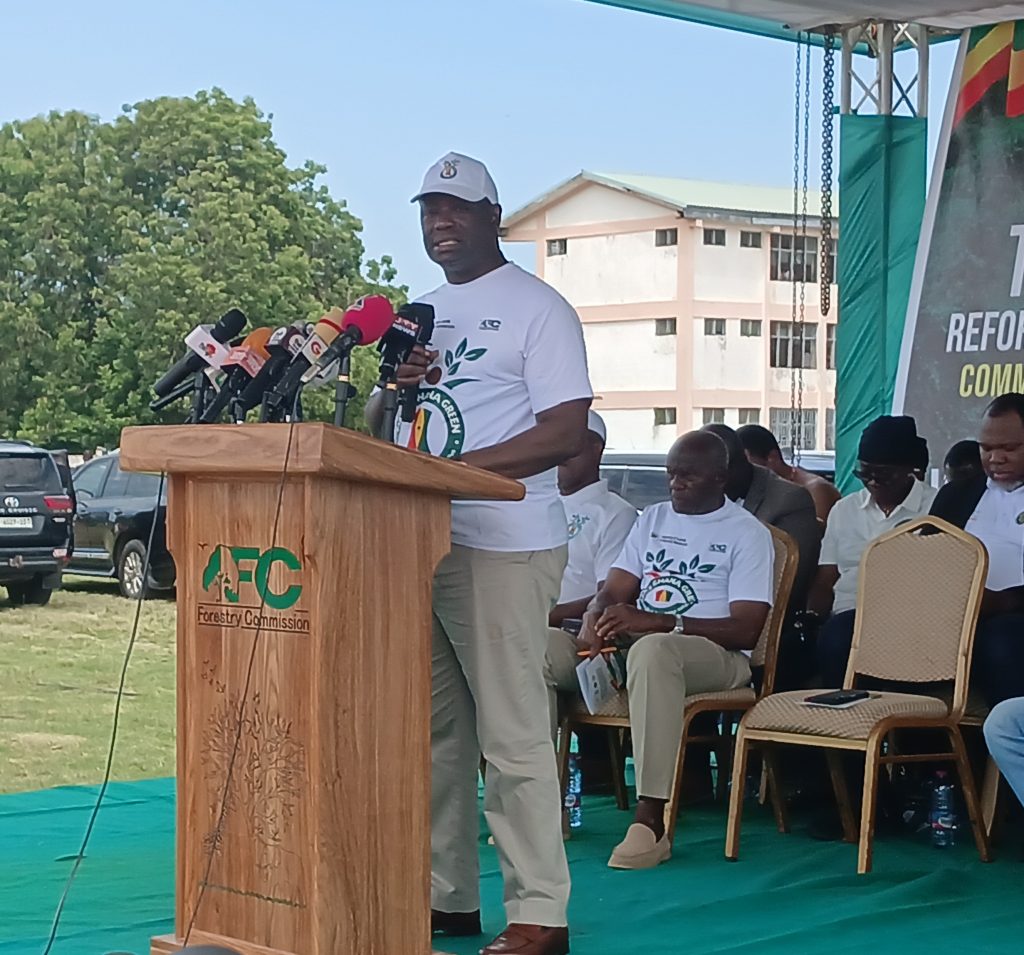
Delivering the keynote address, the Minister for Lands and Natural Resources and Acting Minister for Environment, Science and Technology, Hon. Emmanuel Armah-Kofi Buah, stressed that environmental protection and economic development must go hand in hand.
He noted that forests are not only environmental assets but also significant economic resources that support livelihoods, biodiversity conservation, water security and climate resilience.
“Today these themes challenge us to recognize that environmental protection and economic prosperity are not competing objectives. Rather, they are mutually reinforcing pillars of sustainable development,” he stated.
The Minister observed that Ghana continues to experience the adverse effects of climate change, including rising temperatures, erratic rainfall patterns, prolonged droughts, flooding, coastal erosion and declining forest cover, which threaten food security, public health and economic growth.
According to him, the Tree for Life Initiative, launched in 2025, remains one of government’s flagship interventions aimed at restoring degraded landscapes, increasing national tree cover, combating desertification and protecting watersheds.
He disclosed that more than 31 million trees were planted nationwide during the 2025 edition of the initiative, surpassing the original target of 30 million seedlings through the collective efforts of government institutions, traditional authorities, schools, religious bodies, civil society organisations, communities and the private sector.
However, Hon. Buah emphasized that planting trees alone was not enough.
“The true measure of success is not the number of seedlings planted, but the number of trees that survive and mature,” he said, adding that the 2026 exercise would place greater emphasis on post-planting care, monitoring and maintenance.
He urged individuals, schools, institutions and communities to take ownership of every seedling planted by watering, protecting and monitoring their growth to ensure long-term survival.
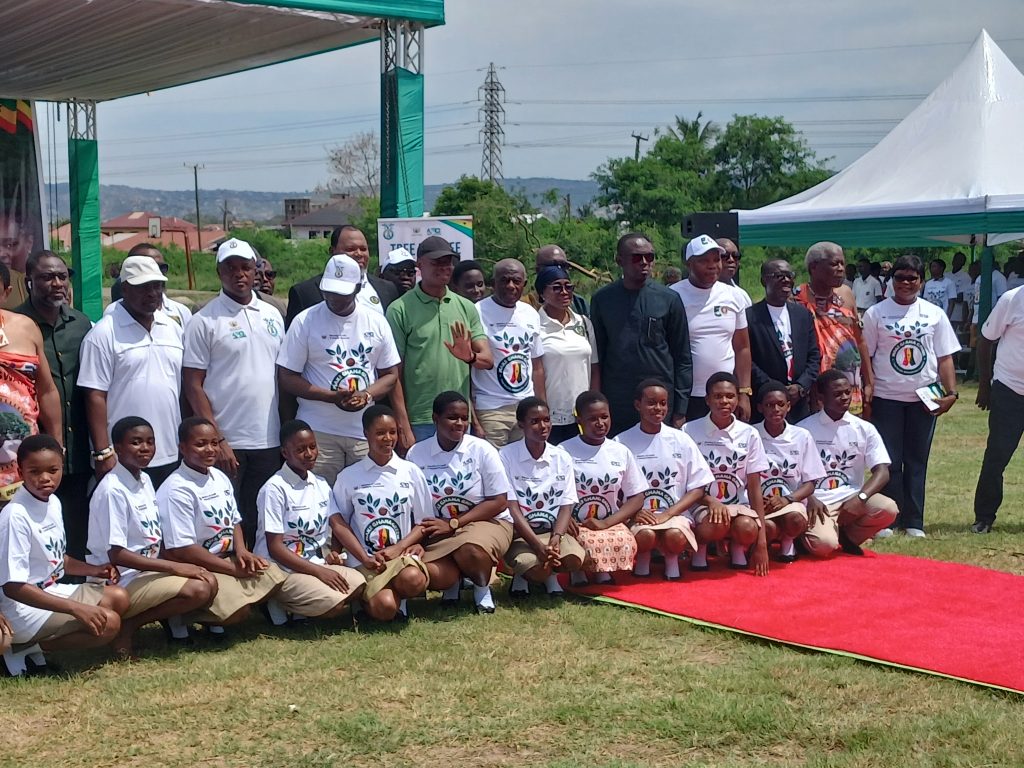
Addressing students, the Minister encouraged them to become environmental ambassadors by planting and nurturing trees, conserving water and energy, protecting biodiversity and promoting environmental awareness within their communities.
He also highlighted ongoing government interventions, including marine and coastal conservation programmes, climate-smart policies under Ghana’s commitments to the Paris Agreement, investments in renewable energy and sustainable agriculture, as well as efforts to address plastic pollution.
The Minister disclosed that government’s planned ban on polystyrene foam products, commonly known as Styrofoam take-away packs, was progressing steadily, accompanied by intensified public education on waste management and recycling.
Launching the 2026 tree-planting season, he called on all Ghanaians to move beyond awareness to action and beyond planting to nurturing trees.
Earlier, the Chief Executive Officer of the Forestry Commission, Dr. Hugh C.A. Brown, underscored the critical role forests play in Ghana’s economy and environmental sustainability.
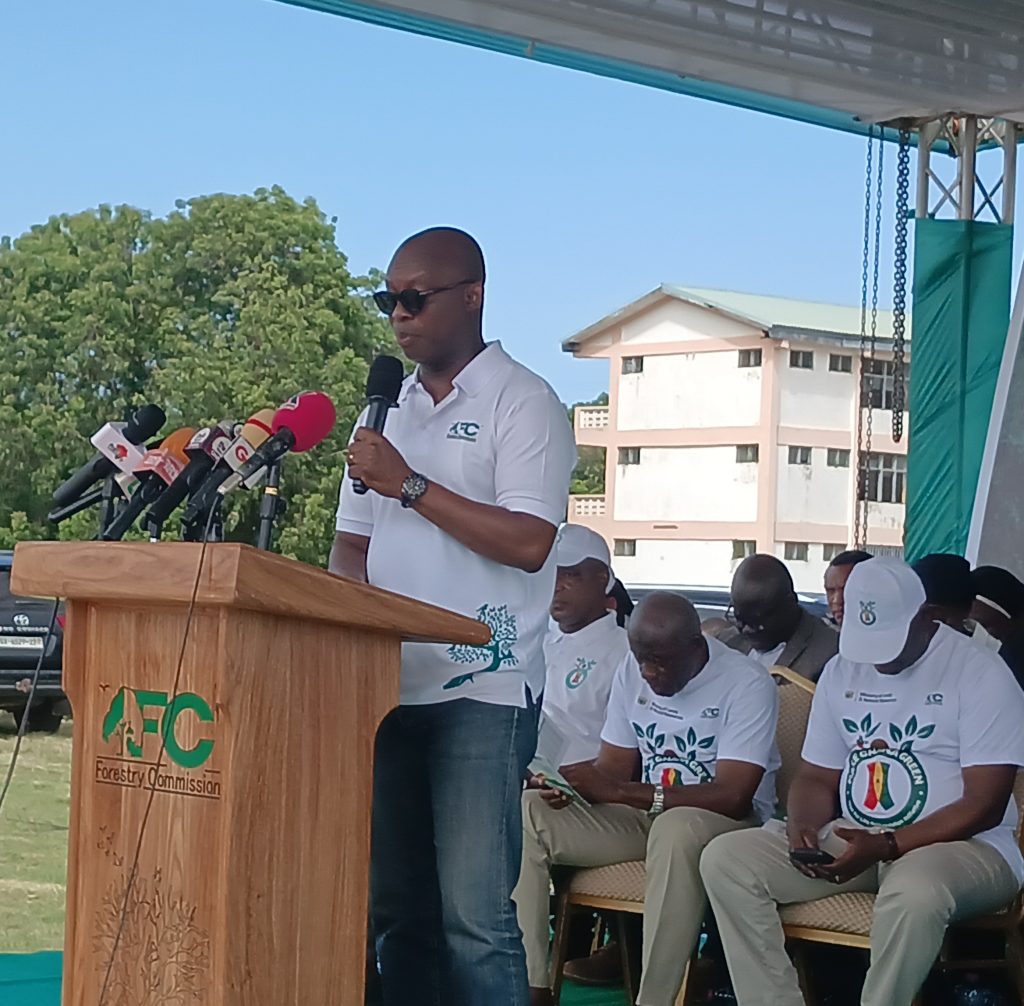
He said Ghana’s forest cover is estimated at approximately 6.4 million hectares, representing about 27 per cent of the country’s land area, while nearly 20 per cent of the population depends directly or indirectly on forest resources for their livelihoods.
Dr. Brown noted that forests support water resources, biodiversity conservation, ecotourism and timber production, while also providing employment opportunities across multiple sectors.
He disclosed that in 2025, approximately 152,000 cubic metres of timber and timber products valued at about US$260 million were supplied to both domestic and export markets.
He further revealed that ecotourism visitation within wildlife parks and forest reserves increased by more than 20 per cent in 2025, reaching nearly 800,000 visitors.
Despite these gains, Dr. Brown warned that deforestation and forest degradation remain major threats to wildlife habitats, biodiversity and climate resilience.
Highlighting achievements under the 2025 Tree for Life Initiative, he announced that 23,600 hectares of degraded landscapes had been restored, with nearly 31 million tree seedlings planted nationwide through government, private sector and civil society collaboration.
According to a recent survey, tree survival rates ranged between 65 and 85 per cent in the high forest zone and between 40 and 78 per cent in the northern savannah zone.
For the 2026 planting season, he said the Forestry Commission intends to distribute and plant 30 million seedlings across the country and called on all residents to obtain seedlings from Forestry Commission offices and actively nurture them after planting.
Dr. Brown also outlined several reforms being undertaken by the Commission, including the review of the Forestry Commission Act, the establishment of forest protection camps in illegal mining hotspots, enhanced frontline staff training, increased public education and the development of a comprehensive national forest protection strategy.
In a welcome address, the Chief Director of the Greater Accra Regional Coordinating Council (GARCC), Mr. Harry Nii Kwatei Owoo, speaking on behalf of the Greater Accra Regional Minister, Hon. Linda Obenewaa Akweley Ocloo described World Environment Day as an important reminder of the collective responsibility to protect, preserve and restore the natural environment.
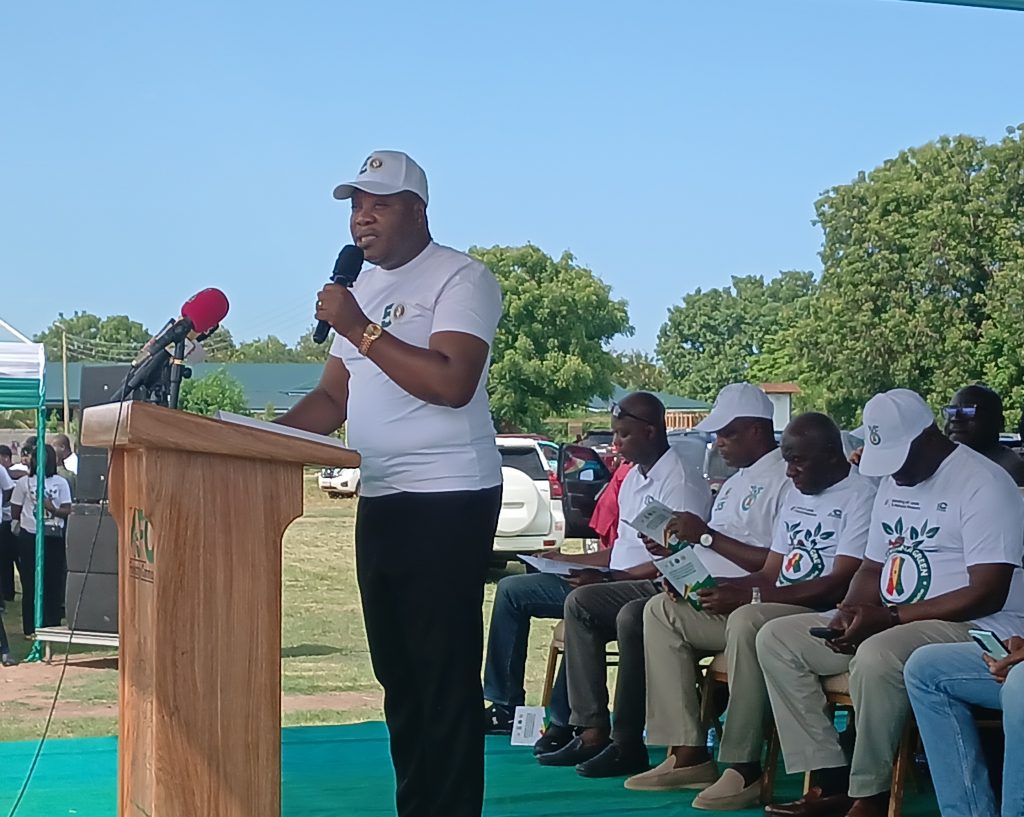
He said climate change, environmental degradation, biodiversity loss, flooding, droughts and pollution continue to pose serious threats globally and require coordinated action from governments, institutions, communities and individuals.
Mr. Owoo commended government’s reforestation efforts and stressed the importance of involving young people in environmental conservation activities.
He urged students to become champions of environmental stewardship by encouraging responsible environmental practices among their families, friends and communities.
According to him, the Tree for Life Initiative represents a significant step toward building a greener, healthier and more climate-resilient Ghana while leaving a lasting environmental legacy for future generations.
The event brought together government officials, traditional leaders, development partners, environmental advocates, students, teachers and representatives of civil society organisations to mark World Environment Day and officially commence the 2026 national tree-planting exercise.