
Story by Eugene Nyarko Jnr. l Accra l Tuesday, November 3, 2026 —
The Executive Director of Vision for Accelerated Sustainable Development Ghana (VAST Ghana), Labram Massawudu Musah, has called for stronger media engagement and evidence-based reporting to advance healthier food policies and prevent diet-related non-communicable diseases (NCDs) in Ghana.
He said the increasing availability, affordability and aggressive marketing of sugar-sweetened beverages and processed and ultra-processed foods high in sugar, salt, sodium and saturated fats were reshaping the country’s food environment and contributing to the growing burden of diet-related illnesses.
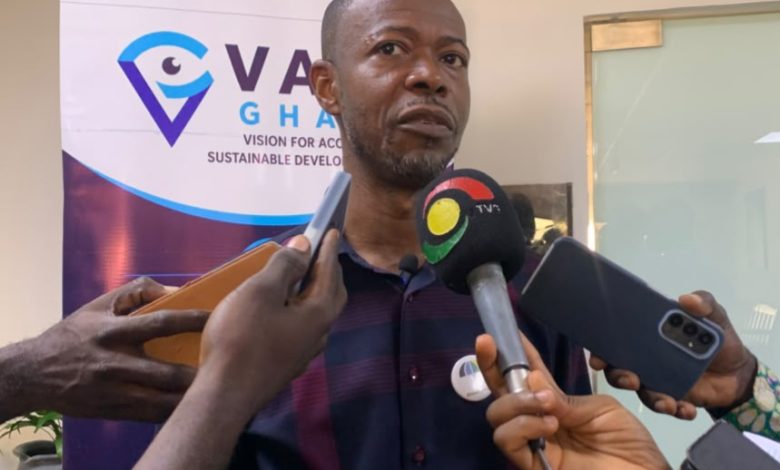
Mr Musah made the call in a welcome statement at a Media Capacity-Strengthening Workshop on Nutrient Profile Modelling, Front-of-Pack Warning Labelling and Food Policy Advocacy in Ghana, held at the Sunlodge Hotel in Tesano, Accra, on Tuesday, November 3.
He identified obesity, diabetes, hypertension and cardiovascular diseases among the major health challenges associated with unhealthy diets, stressing that many of these conditions were preventable through effective policies and informed consumer choices.
According to him, Ghana needed urgent, evidence-based interventions to improve the food environment and protect public health.
Policy interventions
Mr Musah identified a robust Nutrient Profile Model (NPM), mandatory Front-of-Pack Warning Labelling (FOPWL), marketing restrictions, public food procurement standards and fiscal measures as important instruments for promoting healthier diets.
He explained that a well-designed Nutrient Profile Model provided the scientific basis for classifying foods according to their nutritional composition and could guide the implementation of warning labels and other food policy interventions.
Front-of-Pack Warning Labels, he added, could provide consumers with clear and visible information about the nutritional risks associated with certain products, enabling them to make more informed food choices.
He said the effectiveness of these interventions would depend partly on how well they were understood, communicated and defended against attempts to weaken their public health objectives.
Media’s role
The VAST Ghana Executive Director described media professionals as an indispensable link between technical policy discussions and public understanding.
He said accurate reporting, investigative journalism and sustained public education were necessary to explain the purpose of proposed food policies and their implications for consumers, manufacturers and national health outcomes.
“Without informed media engagement, even the strongest policies risk being misunderstood, diluted or undermined,” he said.
The workshop, organised by VAST Ghana in collaboration with SEND GHANA and the Ghana Academy of Nutrition and Dietetics (GAND), was designed to strengthen journalists’ understanding of nutrient profiling, warning labels and Ghana’s broader food policy agenda.
It also sought to equip media practitioners to identify and critically examine industry interference, conflicts of interest, misinformation and misleading commercial narratives in discussions about food and nutrition policies.
Policy development underway
Providing an update on ongoing policy development, Mr Musah said a Nutrient Profiling System (NPS) had been developed under the Healthier Diet for Healthy Lives project led by Professor Amos Laar of the University of Ghana School of Public Health.
He said the system was currently with the Ministry of Health, pending recommendations from the Minister of Health on the way forward.
He further disclosed that four policy packages covering Front-of-Pack Warning Labelling, marketing restrictions, public procurement and fiscal measures had been drafted and were awaiting further review.
According to him, the Ministry of Health was specifically reviewing the Front-of-Pack Warning Labelling proposal through a technical working group.
The developments, he said, underscored the importance of sustained public discussion and informed media coverage as Ghana considered measures to improve nutrition and prevent diet-related diseases.
Call for sustained coverage
Mr Musah expressed confidence that the workshop would improve journalists’ capacity to report on food policy issues and develop practical strategies for evidence-based coverage.
He urged participants to help keep the issues in the public domain through media publications that would sustain momentum for healthier food policies.
He expressed appreciation to SEND GHANA, GAND and the Global Health Advocacy Incubator (GHAI) for their partnership, while acknowledging the support of the Ministry of Health, the Food and Drugs Authority and other development partners.
The workshop forms part of efforts to strengthen public understanding and media advocacy around nutrition policy interventions intended to promote healthier diets and reduce the burden of non-communicable diseases in Ghana.