

Story by Eugene Nyarko Jnr. | Accra | Saturday, May 30, 2026
The Founder of the Beyond AI Movement and Managing Director of Aether Strategy, Mr. Kambale Musavuli, has called for greater citizen participation in shaping the future of artificial intelligence (AI), stressing that technology must serve people rather than control them.
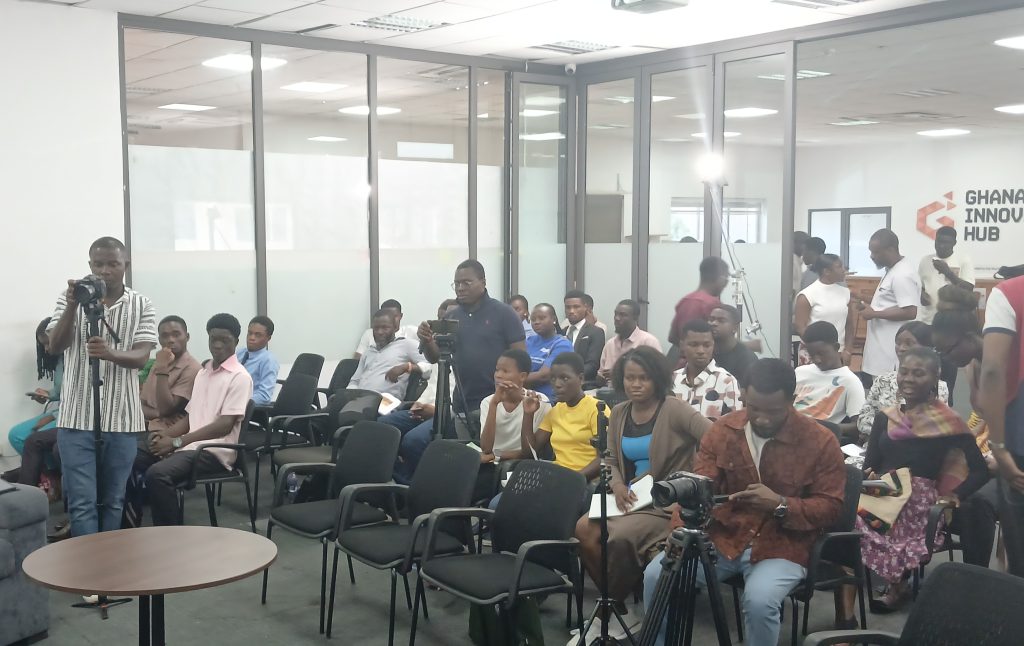
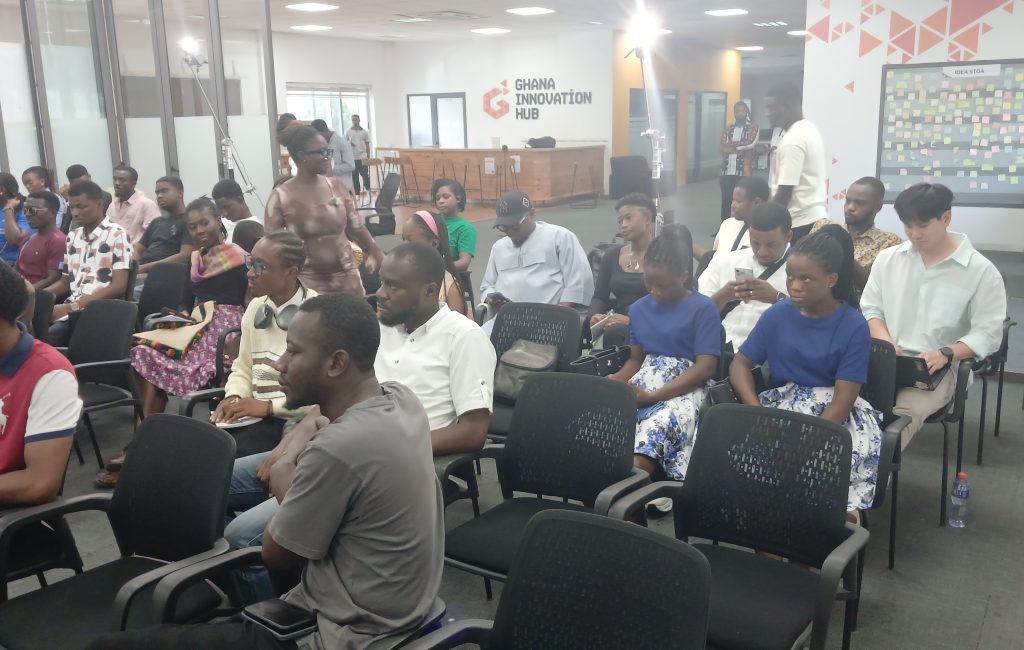
Speaking on the sidelines of the sixth edition of the Beyond AI Series workshop held at the Accra Digital Centre under the theme, “Feeding the Future or Feeding the System? AI, Agriculture and Africa’s Food Sovereignty,” Mr. Musavuli said the movement was established to educate ordinary citizens about AI and its impact on society.
According to him, many people hear about AI but lack access to platforms where they can ask questions and understand how the technology affects their lives.
He noted that Beyond AI seeks not only to educate people but also to encourage critical thinking about the growing influence of artificial intelligence.
“Human intelligence remains superior because human beings have the ability to make ethical decisions that AI cannot fully replicate,” he stated.
Mr. Musavuli explained that the movement draws inspiration from Ghana’s National AI Strategy, particularly its pillar on AI literacy and education, while remaining community-driven in selecting discussion topics.
He said the focus on agriculture emerged from participants’ concerns about how AI could influence food production, data governance and employment opportunities in rural communities.
The technology policy advocate cautioned that while AI-powered machines could increase agricultural productivity, policymakers must also consider their impact on labourers who depend on farming activities for their livelihoods.
Mr. Musavuli further urged organisations and individuals across the country to replicate the Beyond AI model in their communities, describing the initiative as an African-led movement aimed at ensuring that Africans play a central role in determining how AI is developed and used on the continent.
He also underscored the importance of inclusivity, advocating the active participation of women, youth and persons with disabilities in conversations surrounding AI policy and implementation.