
Story by Eugene Nyarko Jnr. | Accra | May 28, 2026
Africa must move beyond decades of celebrating its potential and instead focus on aggressive execution, wealth retention, and strategic economic transformation if it is to attain global relevance in the next quarter century, Chief Executive Officer of Ishmael Yamson and Associates, Mr. Ishmael Yamson, has said.
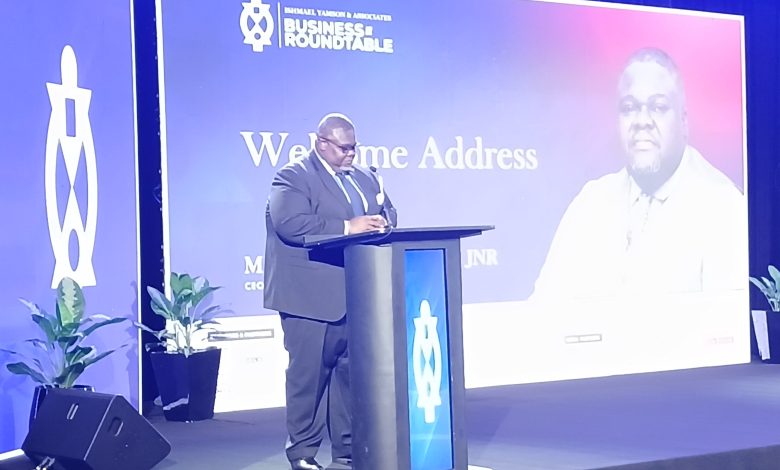
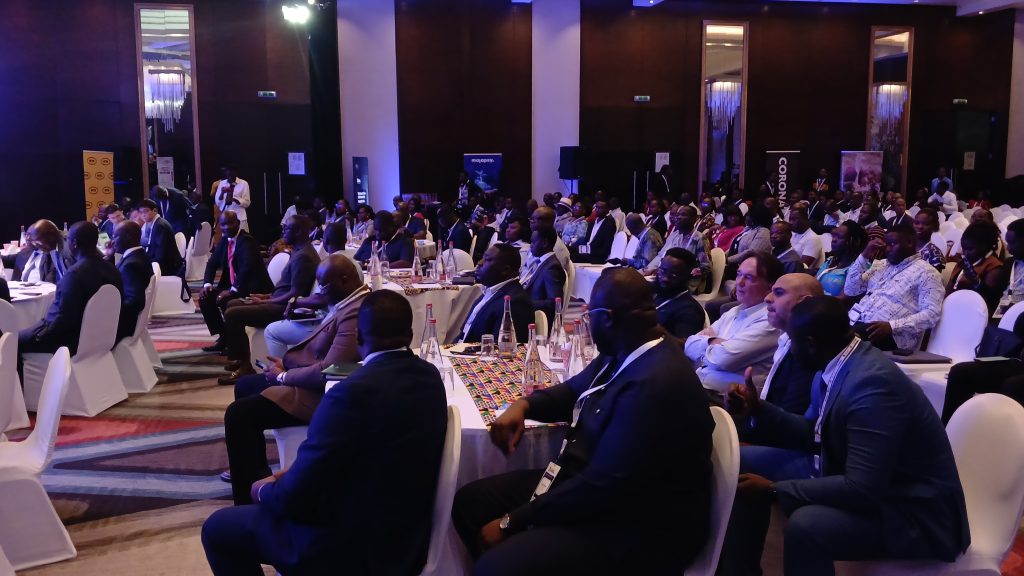
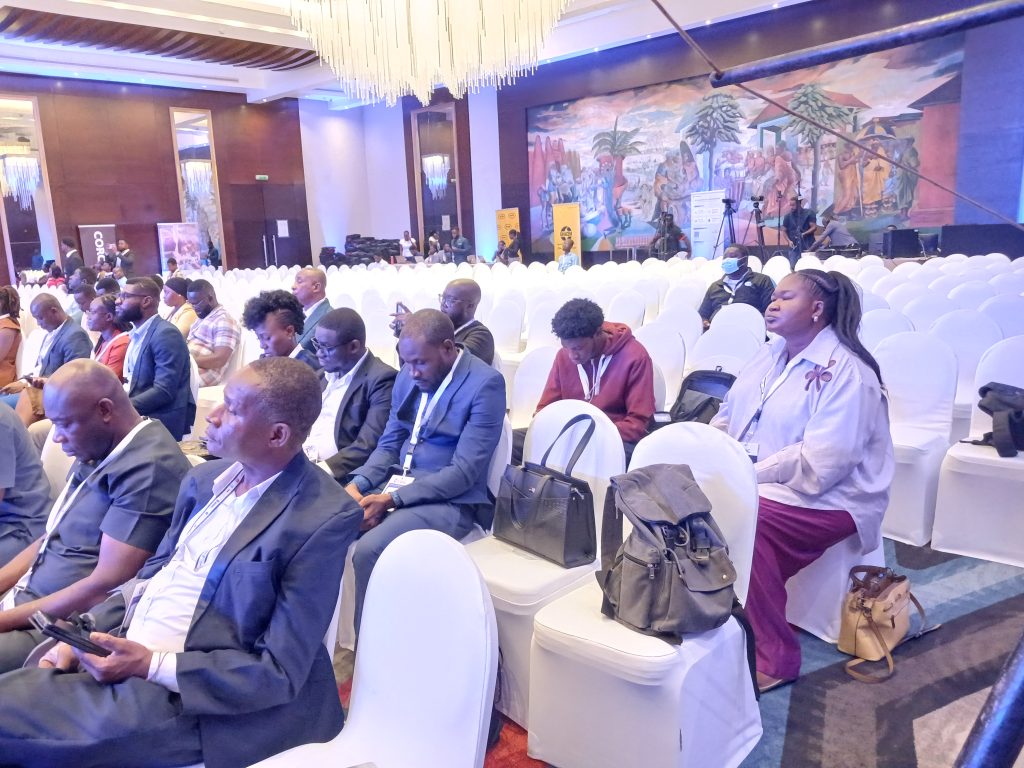
Speaking at the 12th Ishmael Yamson & Associates Business Roundtable held at the Mövenpick Ambassador Hotel in Accra on Thursday, under the theme “Unlocking the Next Quarter Century: Harnessing Africa’s Digital Infrastructure, Trade and Integration, Energy and Industry, Leadership and Governance and Social Development for Global Relevance,” Mr. Yamson challenged African leaders and businesses to rethink traditional economic models and embrace a new era of continental cooperation.
According to him, Africa possesses about 30 percent of the world’s critical minerals and 60 percent of uncultivated arable land, yet accounts for only about three percent of global trade.
“Potential without aggressive, structured execution is systemic failure,” he stated, arguing that the continent’s persistent underperformance reflects weaknesses in its operational strategies rather than a lack of resources.
Mr. Yamson noted that although the transatlantic slave trade had ended, the extraction of Africa’s wealth continues in different forms through economic systems that allow resources to be exported with limited benefits accruing to local economies.
He criticised the continued reliance on Gross Domestic Product (GDP) as the principal measure of economic success, describing it as a metric that often rewards extraction rather than genuine wealth creation.
“When foreign conglomerates extract lithium from our soil and repatriate profits offshore, our GDP rises and we celebrate, yet little value remains within our economies,” he said.
He advocated a shift toward measuring success through Gross National Product (GNP), retained earnings, and positive balances of payments, arguing that these indicators better reflect the benefits enjoyed by citizens.
Mr. Yamson also pointed to the continent’s food systems as an example of missed opportunities, noting that Africa loses an estimated 40 percent of its agricultural produce after harvest due to weak supply chains, while spending about US$100 billion annually on food imports.
“We are exporting our wealth and importing inflation,” he remarked, urging investors and businesses to finance modern supply chains capable of reducing losses and creating jobs.
He called on African businesses to deepen cross-border collaboration under the African Continental Free Trade Area (AfCFTA) framework by establishing Pan-African joint ventures capable of competing with established global corporations.
On environmental governance, Mr. Yamson argued that Africa must develop its own Environmental, Social and Governance (ESG) frameworks rather than relying solely on standards designed elsewhere.
He said such frameworks should support indigenous businesses while ensuring that external entities contribute meaningfully to climate mitigation and local research efforts.
Highlighting the importance of human capital, Mr. Yamson observed that Africa’s workforce is projected to exceed 1.6 billion people by 2050, making talent development critical to the continent’s future competitiveness.
To support this objective, he announced the launch of the Ishmael Yamson Foundation, an initiative aimed at equipping young Africans with strategic, entrepreneurial, and technological skills required for the future economy.
The foundation, he disclosed, had already sponsored the participation of 100 young delegates at this year’s roundtable.
Mr. Yamson commended corporate partners Huawei and Gold Fields for supporting the initiative and challenged indigenous African businesses to become primary financiers of the continent’s development agenda.
He described the Business Roundtable not as a networking event but as “a corporate war room for continental sovereignty,” urging participants to collaborate on joint ventures, strengthen supply chains, and build enterprises capable of transforming Africa’s economic fortunes.
“The capital is in this room. The political will is at your tables. The demographic is waiting. It is time to execute,” he declared.
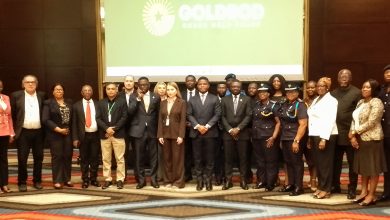
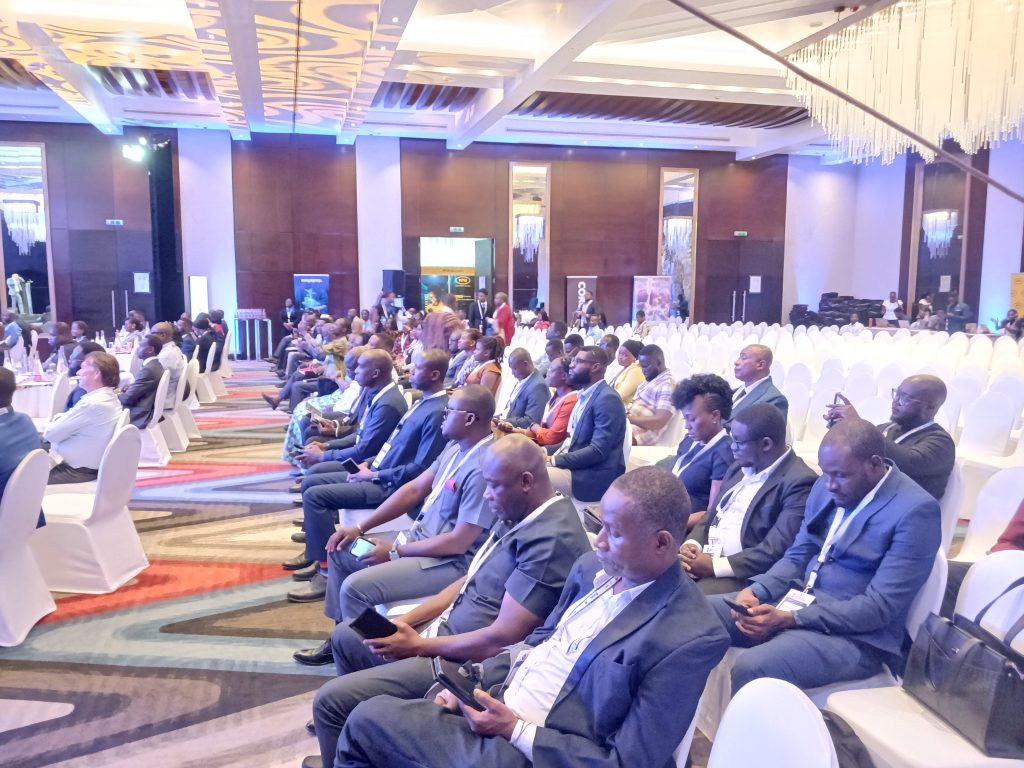
The roundtable brought together policymakers, business leaders, academics, financiers, and development practitioners to deliberate on strategies for positioning Africa for greater economic integration, industrialisation, and global competitiveness over the next 25 years.