
GoldBod Commits GH¢8.4 Million to Rehabilitate Water Supply Systems Affected by Illegal Mining

Story by Eugene Nyarko Jnr. | Accra | July 14, 2026
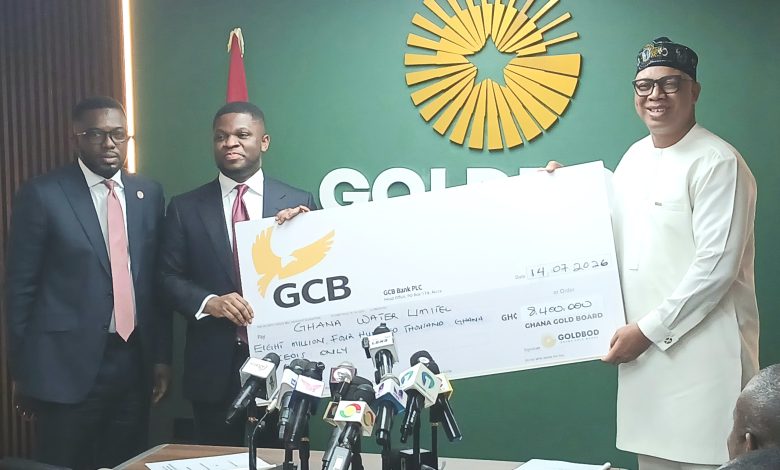
The Ghana Gold Board (GoldBod) has committed GH¢8.4 million towards the rehabilitation of three critical water supply systems severely affected by illegal mining and other environmentally destructive activities in parts of the Central and Western regions.
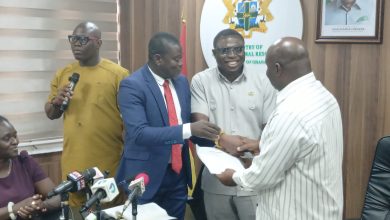
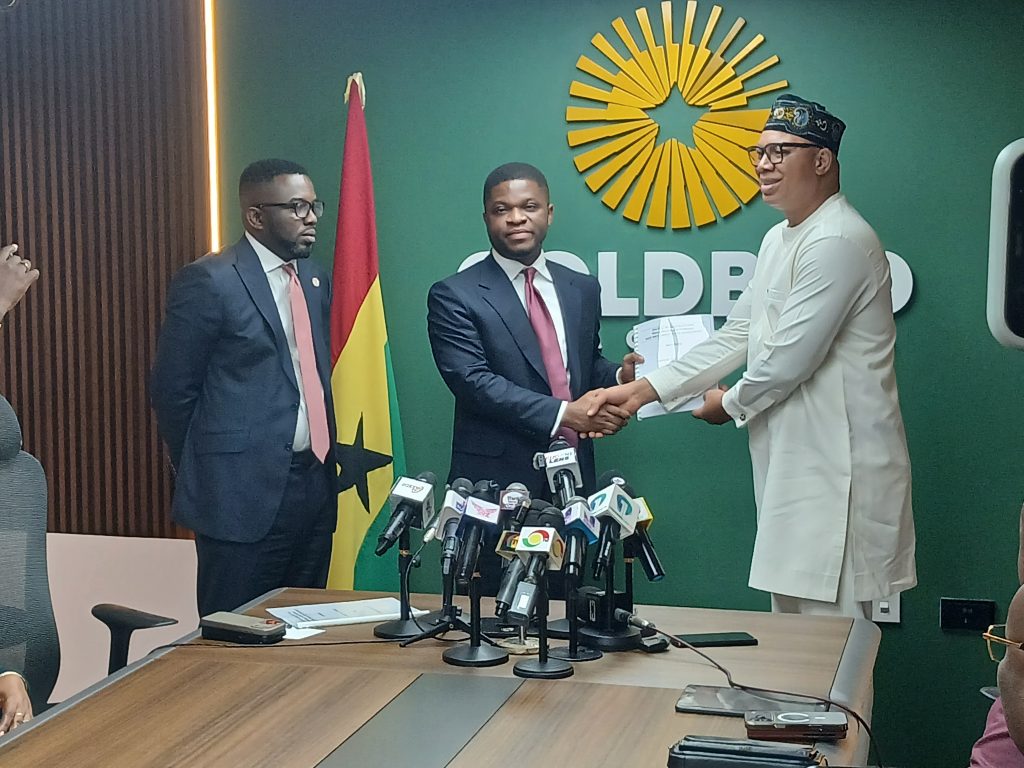
The funding commitment was announced during the signing of a Water Infrastructure Rehabilitation Funding and Implementation Agreement between GoldBod and Ghana Water Limited (GWL) at the GoldBod Secretariat, located at the former Bank of Ghana Conference Room in Accra.
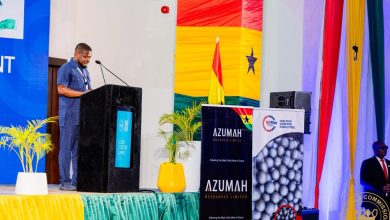
Speaking at the ceremony, the Chief Executive Officer of GoldBod, Sammy Gyamfi, Esq., said although the institution was established primarily to regulate and trade in gold, the Ghana Gold Board Act, 2025 (Act 1140) also mandates it to undertake environmental sustainability initiatives, including land reclamation and environmental restoration.
He explained that these responsibilities form part of GoldBod’s Environmental, Social and Governance (ESG) framework and Corporate Social Responsibility (CSR) policy, which seeks to support projects that restore degraded ecosystems and protect Ghana’s natural resources.
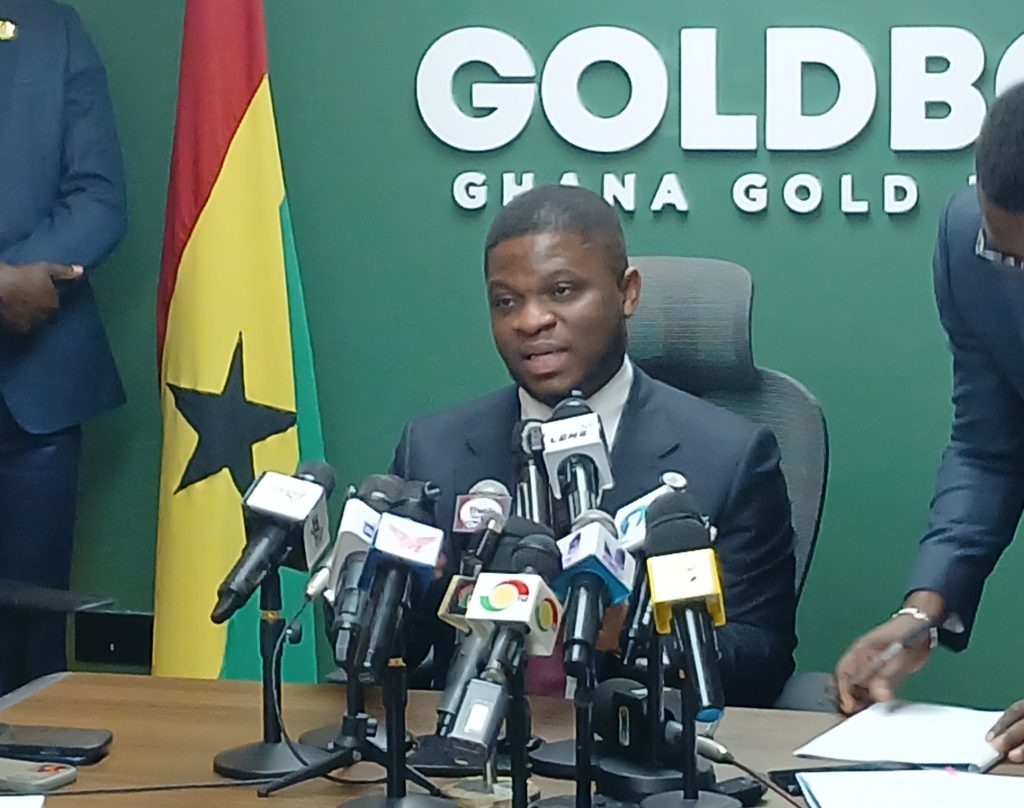
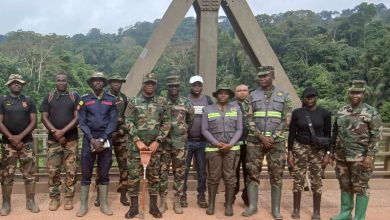
Mr. Gyamfi recalled that GoldBod had recently entered into an agreement with the Ministry of Defence, the Ghana Armed Forces Engineers Regiment and the Forestry Commission to reclaim 50 hectares of degraded land. He said the collaboration with Ghana Water Limited represents another major intervention aimed at protecting the country’s water resources.
According to him, months of consultations with Ghana Water Limited revealed that illegal mining, sand winning and other destructive activities had caused severe siltation and sediment accumulation in several water treatment facilities, significantly reducing their operational capacity and affecting the quality of potable water supplied to surrounding communities.
He noted that technical assessments jointly undertaken by the two institutions confirmed serious challenges, including excessive sedimentation, channel instability and frequent blockage of water intake systems.
Mr. Gyamfi disclosed that Ghana Water Limited initially requested support to rehabilitate six affected water supply systems located at Bonsa, Daboase, Etrehema, Pefikrom, Konongo and Tetrem. However, due to budgetary constraints, GoldBod has decided to implement the intervention in phases.
“The rehabilitation of the first three facilities forms Phase One of the project, while the remaining three systems will be considered under Phase Two,” he said.
He stressed that the deterioration of the facilities predates the establishment of GoldBod and should not be attributed to the institution.
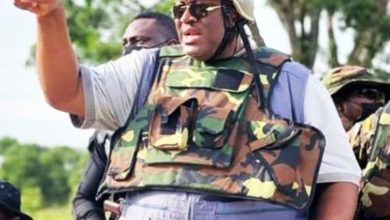
“We did not create this problem. These water systems have suffered years of degradation resulting from illegal mining, sand winning and other harmful activities. The important thing is not when the problem started but how we collectively solve it,” he stated.
Mr. Gyamfi emphasized that access to clean drinking water is a national concern and called on both public institutions and private organisations to support Ghana Water Limited in restoring damaged water infrastructure.
“Water is life. Government alone cannot solve all these challenges. Institutions that have the capacity must partner Ghana Water Limited to ensure that Ghanaians continue to have access to safe drinking water,” he added.
Under the agreement, GoldBod will provide GH¢8.4 million to finance the rehabilitation of the Bonsa, Daboase and Etrehema water supply systems.
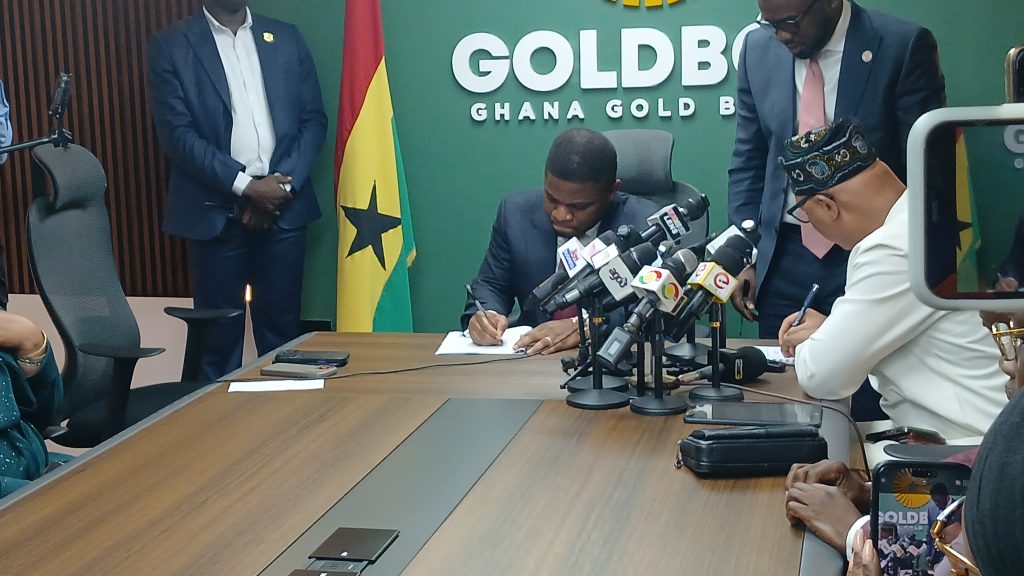
The project will include hydrographic surveys, sediment volume assessments, dredging and sediment removal, safe disposal of excavated materials, reservoir capacity assessments, emergency restoration works, infrastructure stabilization, water quality monitoring, engineering inspections, certification and post-project technical verification.
While Ghana Water Limited will lead the implementation of the project, GoldBod will provide funding and participate in project monitoring to ensure transparency, accountability and value for money.
Receiving the funding on behalf of Ghana Water Limited, the Managing Director, Hon. Adam Mutawakilu, expressed profound appreciation to GoldBod for responding to the company’s request.
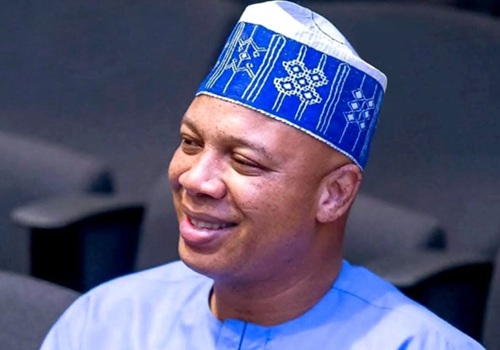
He disclosed that Ghana Water Limited has battled worsening water turbidity since 2017, largely due to the destruction of river bodies by illegal mining activities.
“The challenge of high turbidity has been with us for about nine years. We recognised that Ghana Water alone could not solve the problem and therefore sought support from other state institutions,” he said.
Mr. Mutawakilu commended GoldBod for working closely with Ghana Water Limited throughout the planning process, noting that both institutions conducted extensive technical inspections before arriving at the intervention.
He assured GoldBod that the funds would be managed responsibly and transparently.
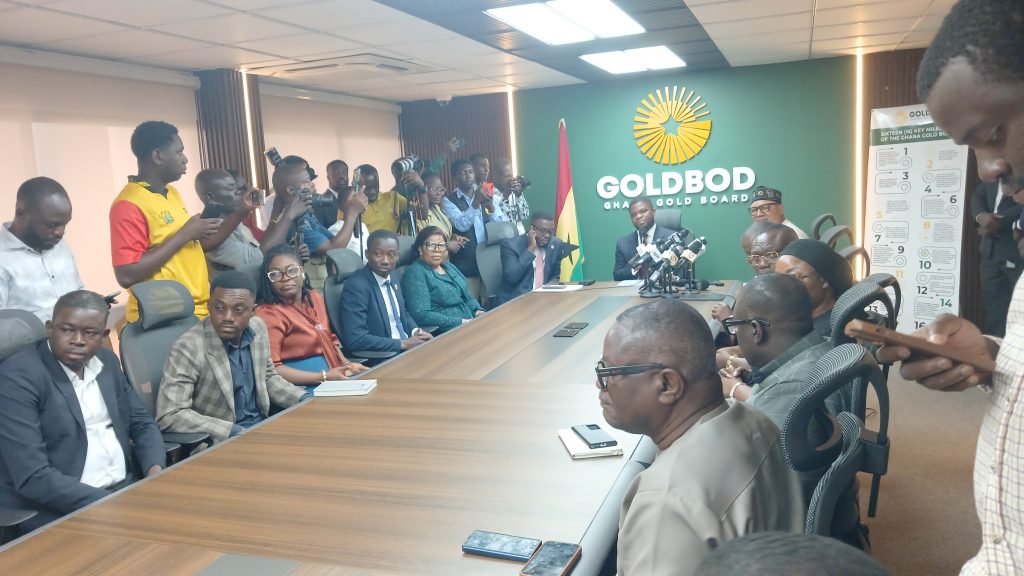
“We assure you of accountability and professionalism. We will ensure that every aspect of the agreement is implemented successfully so that together we can justify support for the second phase,” he pledged.
He further revealed that officials of Ghana Water Limited would begin engagements with affected communities and staff in the Central and Western regions ahead of the commencement of the rehabilitation works.
Mr. Mutawakilu also conveyed the appreciation of the Board Chairman and the Board of Directors of Ghana Water Limited to GoldBod for what he described as a timely and significant intervention towards restoring safe and reliable water supply to thousands of residents in the affected communities.