
Story by Eugene Nyarko Jnr. l Accra l Thursday, September 17, 2026 —
The New Patriotic Party (NPP) has rejected the government’s current approach to the review of the 1992 Constitution, describing the proposed changes as so extensive that they amount to an overhaul of the country’s constitutional order.
The party is consequently demanding the establishment of a Constituent or Consultative Assembly to deliberate on the proposals and build broad national consensus before any amendments are taken to Parliament or subjected to a referendum.
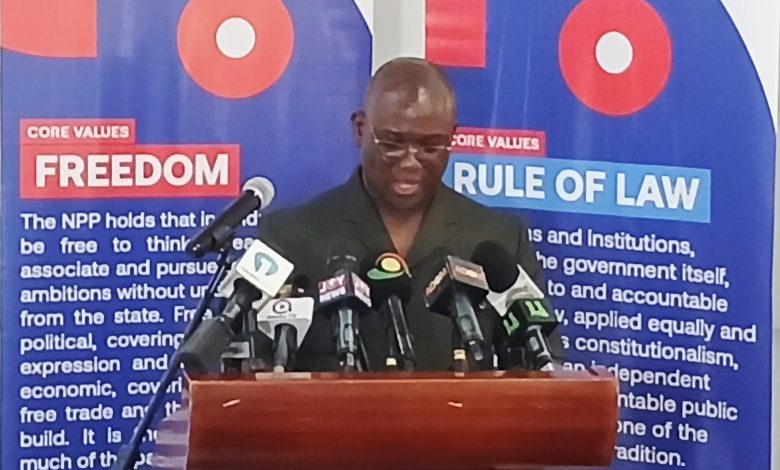
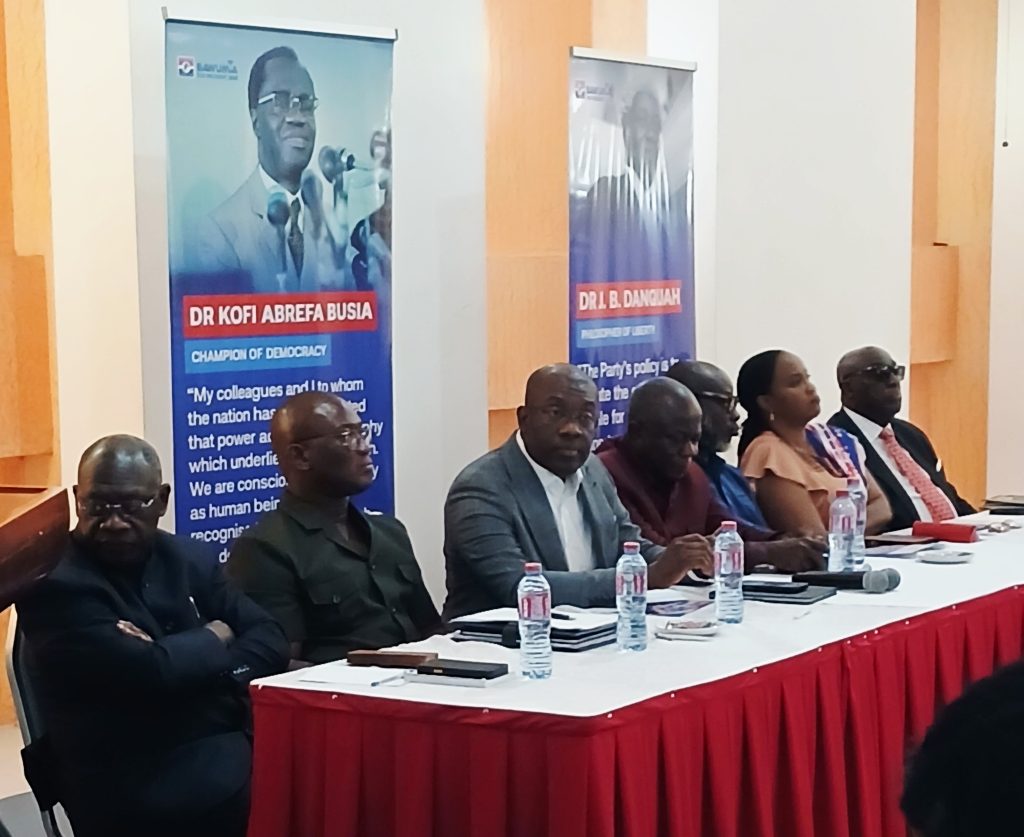
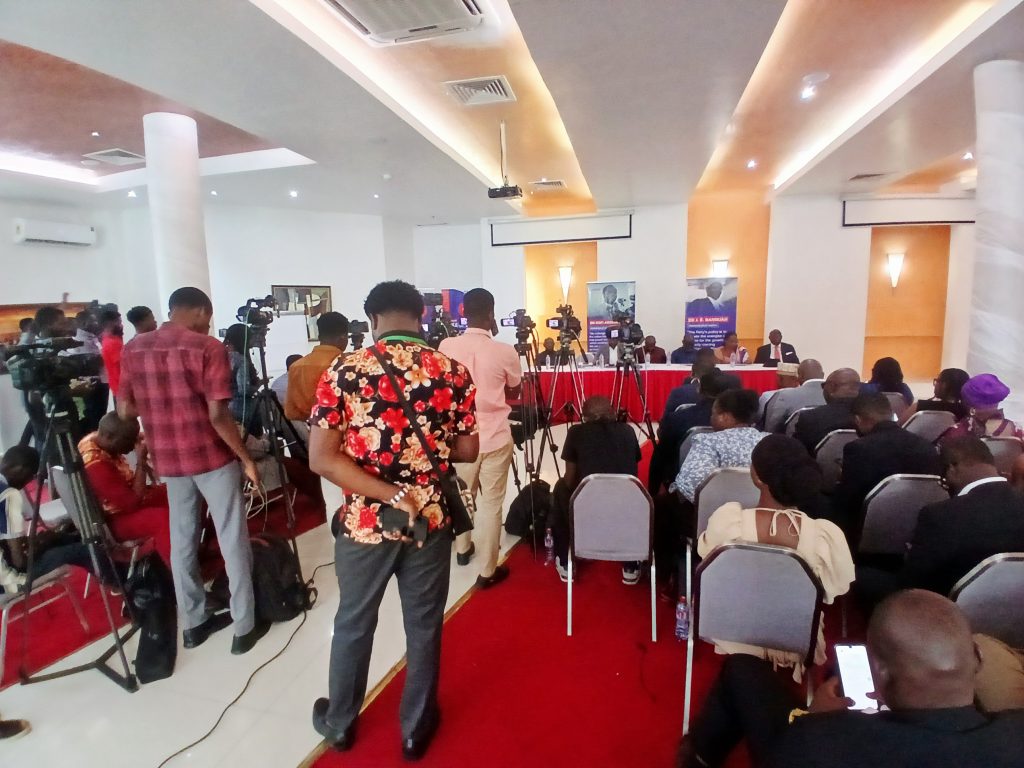
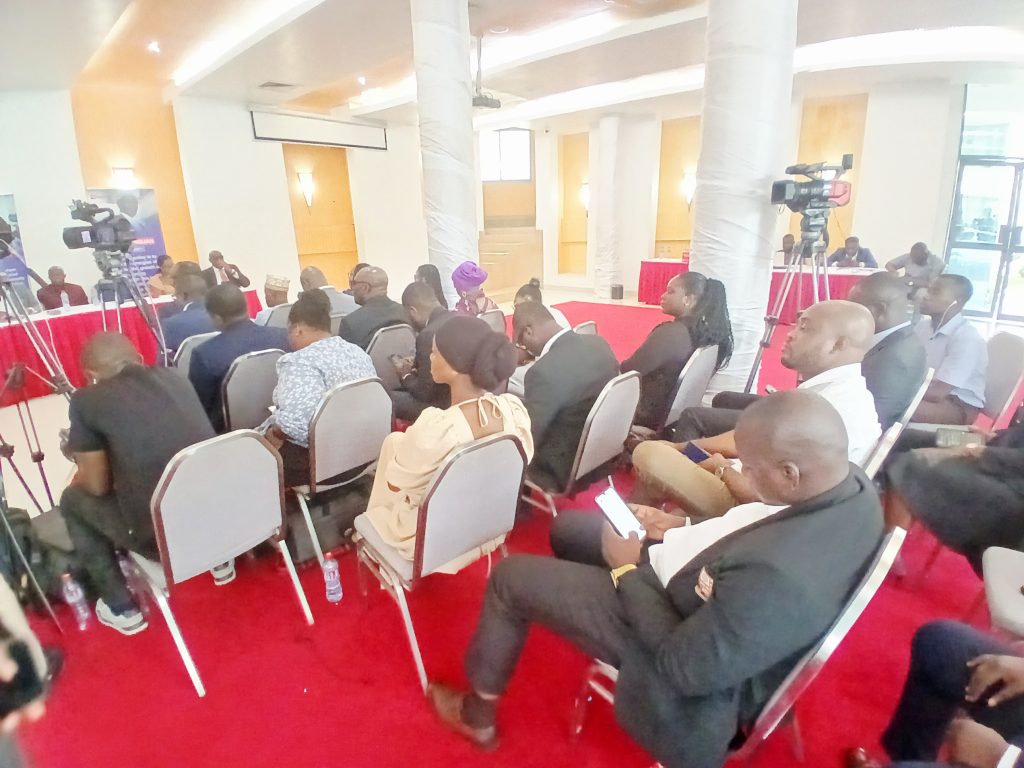
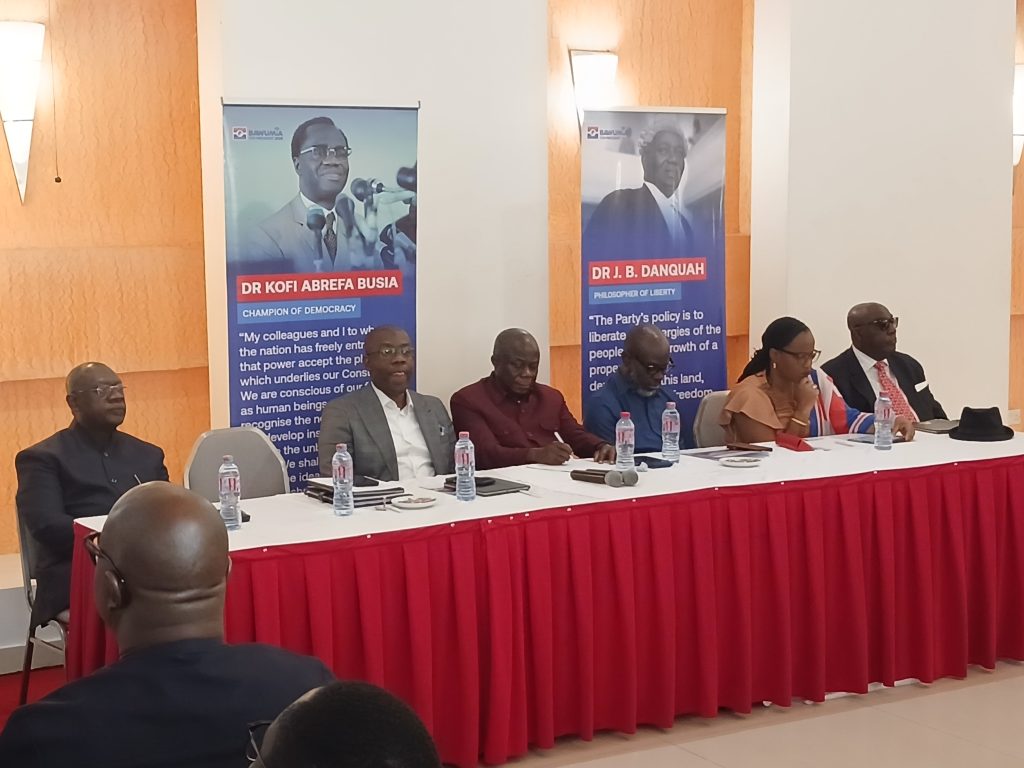
The Chairman of the NPP Committee on Position Paper on Proposed Amendments to the 1992 Constitution, Hon. Hassan Tampuli, who made the demand at a press conference in Accra yesterday, Thursday, September 17, 2026, said the Constitution Review Committee had proposed amendments to 147 of the Constitution’s 299 articles, together with 59 new provisions.
He said that amounted to 206 propositions, covering almost half of the existing Constitution.
According to Mr Tampuli, the scale of the proposed changes went beyond what could reasonably be treated as routine constitutional amendments.
“Amendments to 147 of the 299 Articles, together with 59 new provisions, 206 propositions in all, reaching into the executive, the legislature, the judiciary, the independent institutions and local government, are not adjustments to a constitution,” he said.
“They amount to the overhaul of a constitution and, in substance, the enactment of a new one.”
NPP position
Mr Tampuli said the NPP agreed that aspects of the 1992 Constitution required amendment, noting that the party had consistently supported constitutional reforms, including during the 2010 review process and through its Peduase Report.
However, he said the party disagreed with the government’s decision to proceed from the Constitution Review Committee’s recommendations to government-determined amendments without another broad-based deliberative process.
He argued that the government’s position had effectively replaced a significant number of the recommendations made by the independent Constitution Review Committee chaired by Professor H. Kwasi Prempeh.
He said the NPP’s analysis showed that the government had fully accepted 22 recommendations and partially accepted 25, leaving 100 of the 147 proposed amendments as areas of disagreement.
Mr Tampuli said the disagreement raised questions about whose views would ultimately be reflected in the amended Constitution.
“The first question the country must ask is: whose views are we therefore amending the Constitution to reflect? The NDC’s view or the view of the Independent CRC?” he asked.
Call for broad consensus
The NPP Chairman said the party’s preferred approach was for Parliament to pass a Constituent or Consultative Assembly Bill to establish a broad-based body representing political parties, organised labour, professional bodies, traditional authorities, religious organisations, women’s groups, persons with disabilities, students and youth, the private sector, civil society and the regions.
He said such an assembly would provide a platform for the competing positions to be debated and resolved before the proposals were presented to Ghanaians for approval.
Mr Tampuli cited Ghana’s constitutional history, particularly the processes leading to the 1969, 1979 and 1992 Constitutions, as examples of constitutional proposals being subjected to deliberation by representative bodies before becoming law.
He said the 1992 process involved a 260-member Consultative Assembly whose work eventually formed the basis of the Constitution approved by Ghanaians at the April 1992 referendum.
“The Committee of Experts has completed the expert stage. What is missing now is the putting up of a proper deliberative body to examine all these and even consider what all other stakeholders, including the NDC, has to say about these provisions,” he said.
Disputed provisions
Mr Tampuli said the issues in dispute were too fundamental to be treated merely as drafting matters.
He cited proposals concerning the possible extension of the presidential term from four to five years, the size and composition of Parliament, the appointment of certain Members of Parliament, whether MPs should simultaneously serve as Ministers, the selection of District Chief Executives and the independence and funding of oversight institutions.
“These essentially constitute the architecture of our Republic today, not drafting points,” he said.
The NPP has separately rejected the proposed extension of the presidential term from four to five years and has called for the existing four-year term to be retained.
Opposition to current process
Mr Tampuli said the party would not support the government’s proposed amendments in Parliament or at a referendum if there was no mechanism for negotiated consensus.
“In the absence of a Constituent Assembly or a comparable mechanism for negotiated consensus, any effort to bundle the NDC Government’s preferred amendments into a referendum, as one question or several, will not receive the support of the New Patriotic Party,” he said.
He maintained that a constitutional review should not become a partisan exercise because the Constitution belonged to the people of Ghana rather than any political party.
The NPP’s position comes amid similar calls for a more consultative process from other stakeholders. The Ghana Bar Association, for instance, has called for a Constituent Assembly to deliberate on the proposed amendments, arguing that the scope of the changes could effectively result in a new constitution.
The Trades Union Congress has also raised concerns about aspects of the review process, including the proposed five-year presidential term, while engaging with the government’s position on the recommendations.
The government published its position paper on the Constitution Review Committee’s recommendations on July 30, 2026.
Mr Tampuli said the NPP wanted the constitutional review to succeed but insisted that the process must produce a document with broad national ownership.
“We want the Committee’s good recommendations to become law, and we want Ghanaians to vote in a referendum confident that what they are voting on has been argued over and agreed by the people they trust to represent them,” he said.
He therefore urged the government to establish the proposed Constituent Assembly and allow it to deliberate on the contested provisions before the final proposals were submitted to the electorate.
“Set up the Constituent Assembly. Give the country the table it is asking for. Then take the outcome to the people,” Mr Tampuli said.