
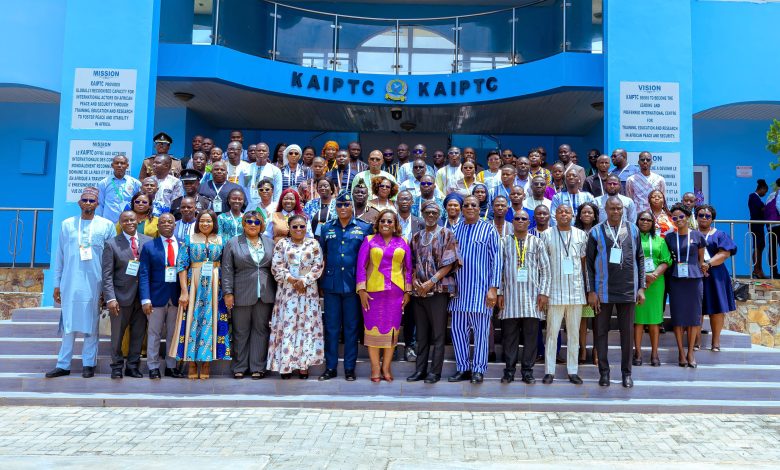
Story by Eugene Nyarko Jnr. | KAIPTC, Accra | Monday, September 7, 2026 —
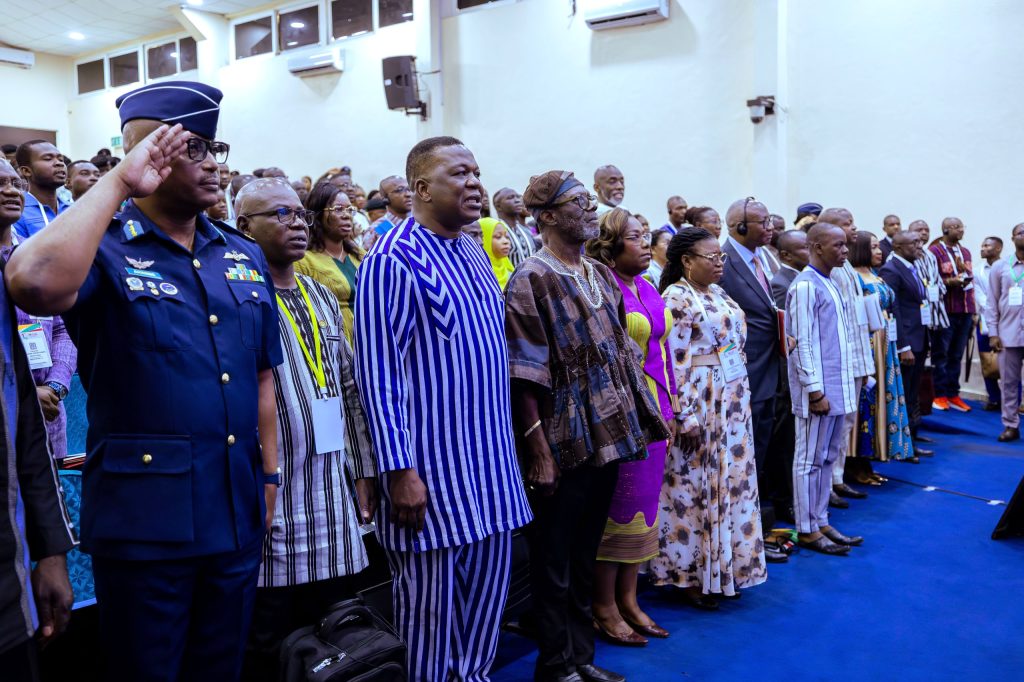
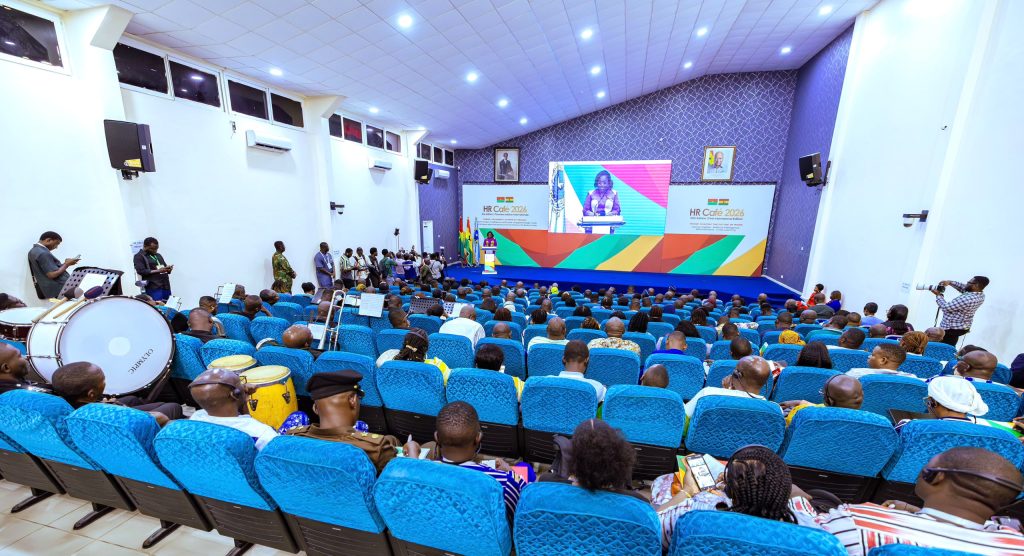
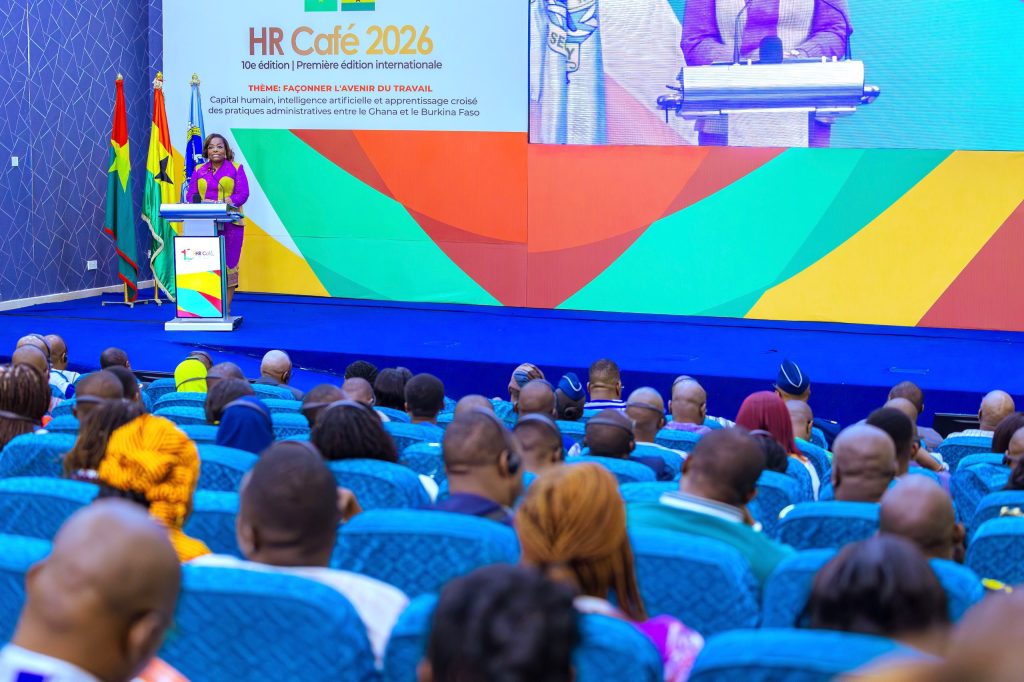
Ghana and Burkina Faso have begun a new chapter of bilateral cooperation focused on human capital development, artificial intelligence (AI) and public-sector transformation, as the 10th edition of the HR Café opened in Accra.
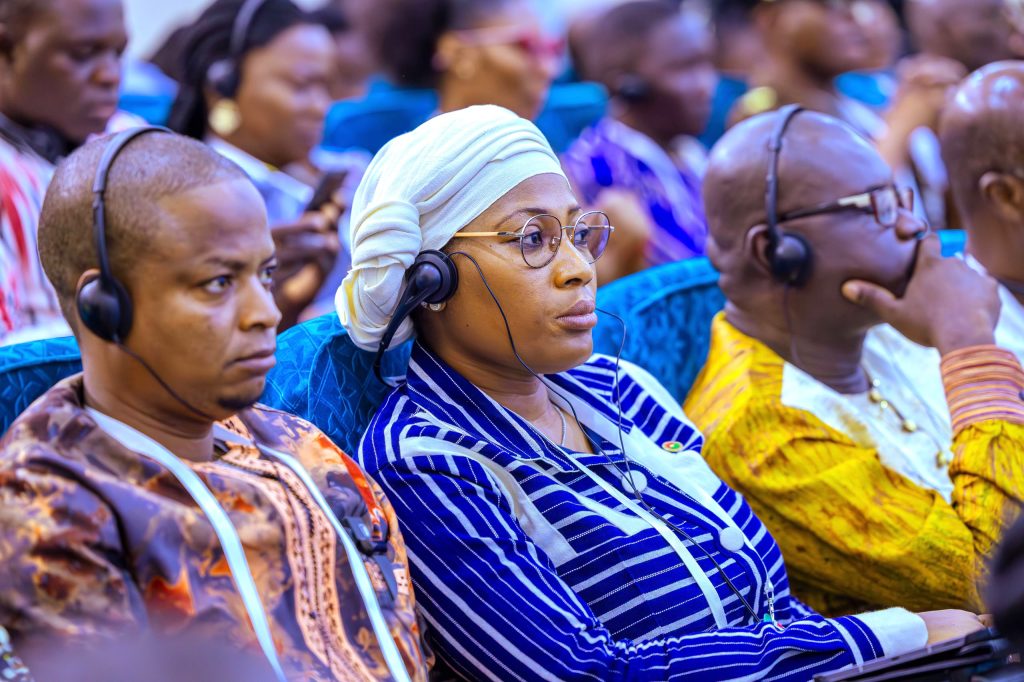
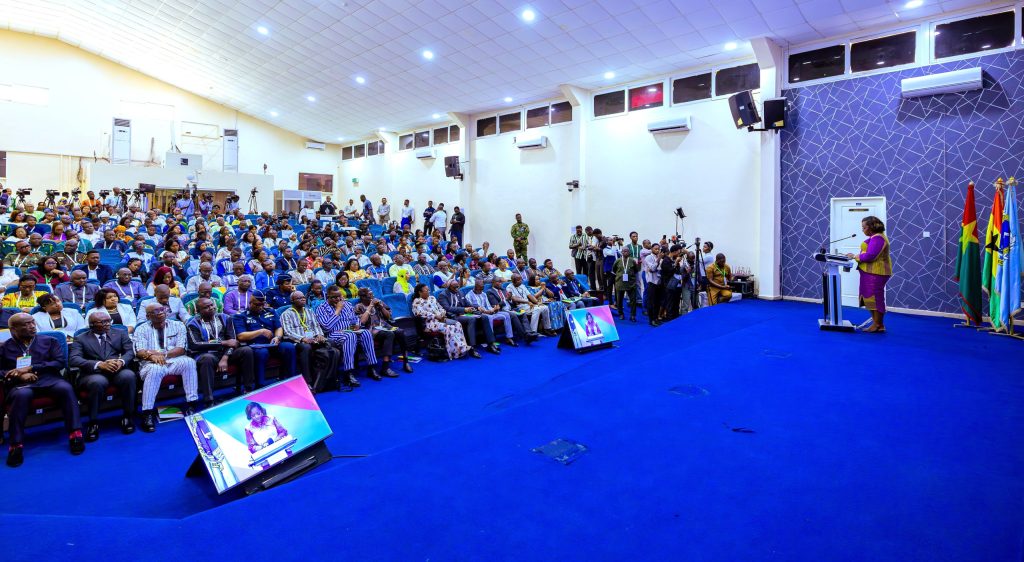
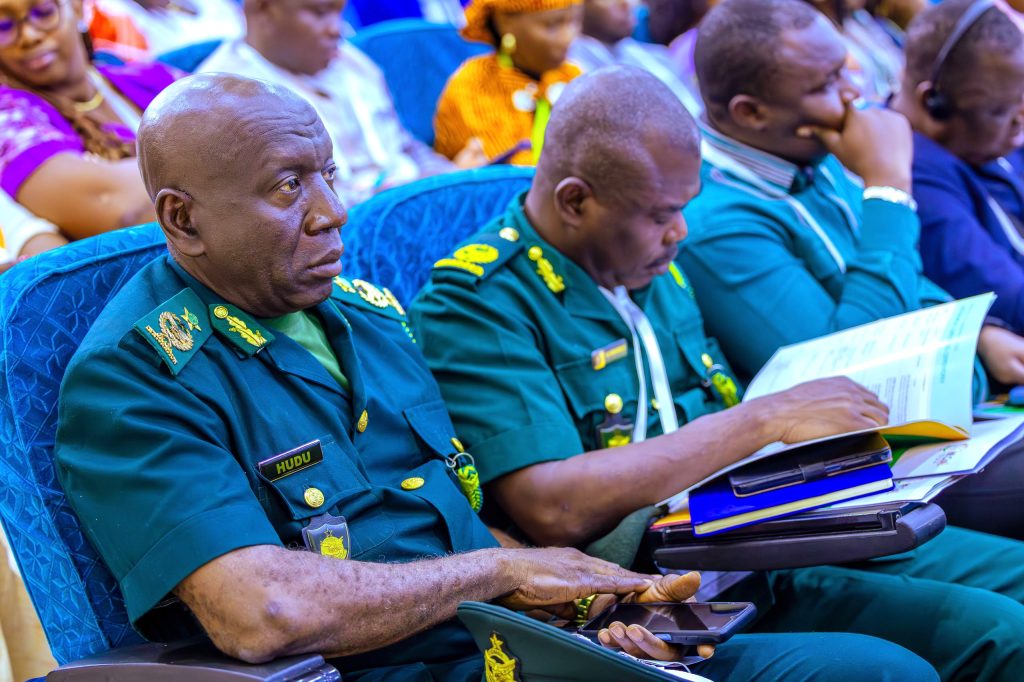
The six-day programme, being held at the Kofi Annan International Peacekeeping Training Centre (KAIPTC), Teshie, is the first international edition of the HR Café and is being organised under the theme: “Shaping the Future of Work: Human Capital, AI and Administrative Cross-Learning Between Ghana and Burkina Faso.”
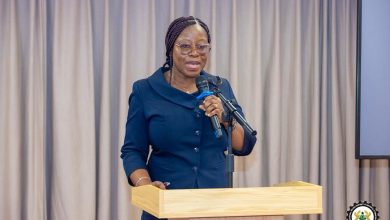
Delivering the keynote address at the opening ceremony, the Deputy Chief of Staff (Administration) at the Office of the President, Hon. Nana Oye Bampoe Addo, described the gathering as both historic and strategic, stressing that the strength of African nations would increasingly depend on how effectively they develop and deploy their human capital.
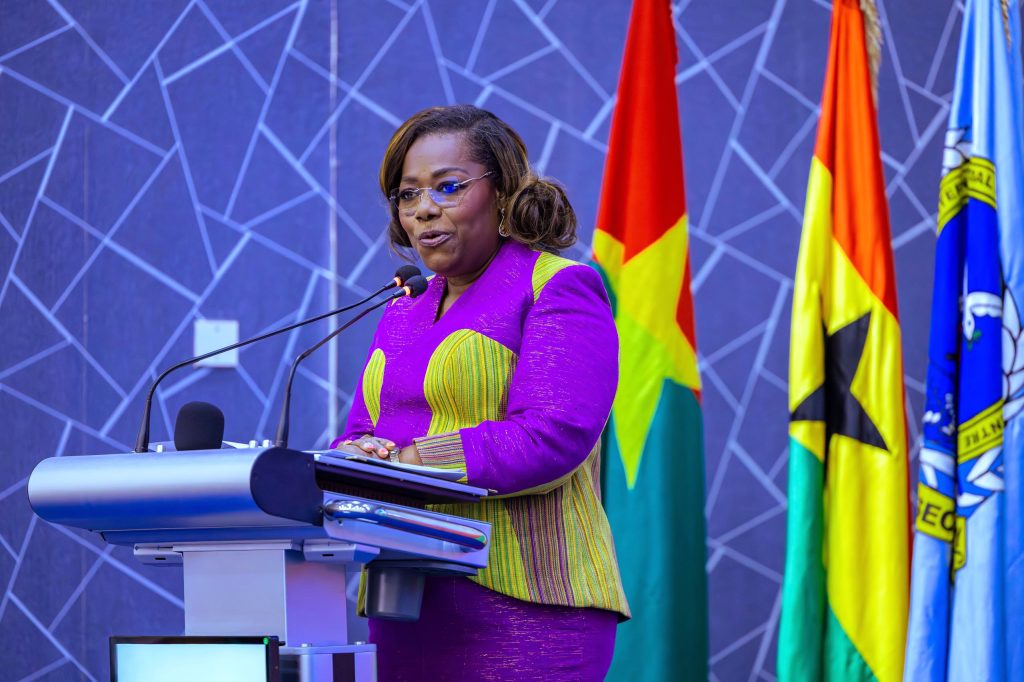
She noted that Ghana and Burkina Faso shared a border of more than 500 kilometres and had maintained diplomatic relations since the early post-independence period, with cooperation extending to security, trade, transport and cross-border development.
According to her, the two countries signed seven agreements in February 2026 covering areas including mutual recognition of driver’s licences, transport and road transit, cross-border cooperation and the establishment of a joint boundary commission.
She said the HR Café represented an expansion of that relationship into the area of human resource management and public-sector capacity development.
Human capital key to Africa’s development
Ms Bampoe Addo cited former United Nations Secretary-General, Kofi Annan, who described Africa’s human capital as the continent’s greatest resource, and linked the observation to the development philosophies of African leaders such as Dr Kwame Nkrumah, Thomas Sankara and Julius Nyerere.
She said the leaders recognised the importance of educating, training and mobilising Africans to build their own economies and institutions.
“Today, we carry the torch of our fore-bearers,” she said, urging Ghanaian and Burkinabè public servants to use the HR Café to deepen knowledge-sharing and develop practical solutions to challenges confronting their respective public sectors.
Ms Bampoe Addo observed that the public sector remained a significant employer across Africa, citing World Bank data indicating that public-sector employment accounted for roughly 10 per cent of total employment in Sub-Saharan Africa.
She also highlighted education as a particularly important component of the public workforce because it produces the human capital required by virtually every other sector of the economy.
AI transforming public administration
A major focus of the keynote address was the growing application of artificial intelligence and digital technologies in Ghana’s public sector.

Ms Bampoe Addo said government had begun equipping public officials to understand and responsibly deploy AI, including a three-day Ministerial Artificial Intelligence Bootcamp organised in collaboration with the United Nations Development Programme (UNDP).
She further cited the digitalisation of passport applications, the Ghana Revenue Authority’s AI-powered trade valuation platform and the digitisation of operations at Ghana’s ports as examples of technology-driven reforms.
She claimed that the GRA’s AI trade valuation platform had collected GH¢1 billion in a single month, contributing to record customs revenue.
She also announced progress towards the deployment of tiKa Secure Government Virtual Meeting Platform, a sovereign, government-owned platform designed to facilitate secure executive-level virtual meetings and document sharing using infrastructure hosted at the NITA Data Centre.
According to her, the pilot phase for the Office of the President was nearing readiness following clearance from the National Information Technology Agency (NITA), with plans to scale the platform across government institutions.
Public-sector reforms
The Deputy Chief of Staff also outlined a number of reforms being undertaken under the government’s Reset Agenda.
She said she currently chaired the Oversight Committee for the finalisation of the National Public Sector Reform Strategy II, launched in June 2026, which focuses on areas including a capable and disciplined workforce, digitised public-sector systems and improved conditions of service.
She said the administration had also reduced the number of ministries from 30 to 23 and capped ministerial appointments at 60, describing the leaner structure as evidence that a smaller government could deliver more efficiently.
Ms Bampoe Addo further mentioned the Coordinated Programme of Economic and Social Development Policies (CPESDP), the Medium-Term National Development Policy Framework and efforts by the National Development Planning Commission (NDPC) to consolidate Ghana’s development frameworks.
She also highlighted the Presidential Delivery Unit, which coordinates and monitors designated presidential priority programmes across ministries, departments and agencies.
Other reforms she mentioned included the introduction of Key Performance Indicators for Ghana’s heads of mission, enhanced monitoring of audit recommendations, social media and digital presence guidelines for public institutions and appointees, and the work of the National Governance Advisory Council.
Accountability and professionalism
Ms Bampoe Addo said efforts to modernise public administration must be accompanied by discipline, professionalism and accountability.
She pointed to Operation Recover All Loot (ORAL) and the first-ever Code of Conduct for Government Appointees as part of measures intended to strengthen accountability within the public sector.
She stressed that public servants had a duty to serve citizens professionally and efficiently, warning against attitudes and practices that undermine productivity.
“The greatest of these is a lack of discipline and professionalism, showing up as poor ethical standards, professional misconduct, and sheer nonchalance,” she stated.
She used the Ghanaian expression “Ghanaman Time” to describe the culture of lateness and complacency and humorously challenged participants from Burkina Faso to identify whether they had their own equivalent.
Cross-learning between Ghana and Burkina Faso
Ms Bampoe Addo said Ghana had much to learn from Burkina Faso, just as Burkina Faso could benefit from Ghana’s experience.
She cited what she described as reforms under Burkina Faso’s President, Captain Ibrahim Traoré, including the RELANCE Plan, which she said provides a development framework running to 2030.
She also referred to measures aimed at strengthening state capacity and strategic sectors, including the development of a national gold refinery and a National Support Centre for Artisanal Cotton Processing.
She stressed that the exchange of experiences between the two countries should not be viewed as a one-way process.
“These efforts remind us that cross-learning at this Café runs both ways,” she said.
Technology must serve humanity
On the future of work, the Deputy Chief of Staff cautioned that the growing adoption of AI also presented risks, including job displacement, data insecurity and excessive reliance on technology.
“Technology must remain the servant, and the human being the master, never the reverse,” she cautioned.
She called for public institutions to embrace modern tools to improve the allocation and monitoring of assignments, track key performance indicators and measure productivity using real-time data.
She said the HR Café offered Ghana and Burkina Faso an opportunity to develop a shared roadmap for improved productivity, efficiency and effectiveness in public administration.
“Human resource management is not a support function to public administration, it is the engine of it,” Ms Bampoe Addo declared.
The six-day programme will feature presentations and discussions by experts from Ghana and Burkina Faso, alongside institutional visits, including to the Ghana Ports and Harbours Authority, a selected university and tourist sites, as part of efforts to promote practical knowledge-sharing and strengthen relations between the two countries.