
Story by Eugene Nyarko Jnr. l Accra l Friday, October 16, 2026 —
A Rocha Ghana has raised concerns over what it describes as escalating human rights abuses in mining-affected communities across the country, accusing illegal and unregulated mining operators of destroying farmlands, polluting water sources, threatening residents and undermining the livelihoods of vulnerable communities.
The environmental organisation is calling for urgent government intervention, independent investigations into reported abuses and the prosecution of individuals found responsible for intimidation, land encroachment and environmental destruction.
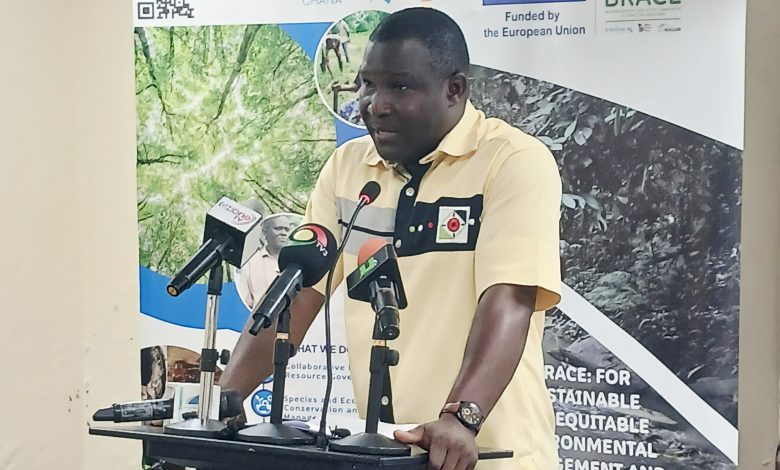
In a press statement read by its Deputy National Director, Daryl Bosu, at the Ghana International Press Center in Accra on Friday, October 16, 2026, the organisation said the growing threats facing mining communities raised serious questions about the protection of human rights and the effectiveness of state institutions responsible for enforcing mining and environmental laws.
Titled “Time to Sound the Alarm on Escalating Human Rights Abuses in Ghana’s Mining Communities,” the statement said the country’s gold sector, despite its importance to economic growth, employment, foreign exchange earnings and government revenue, must not be allowed to flourish at the expense of community safety, environmental protection and human dignity.
According to A Rocha Ghana, its documentation of cases in several mining communities points to a troubling pattern of threats, harassment, destruction of agricultural land, pollution of water bodies and restrictions on residents’ access to their farms.
The organisation argued that communities affected by mining were losing not only their lands but also access to water, livelihoods and the freedom to challenge activities they considered harmful without fear of intimidation.
It maintained that the situation required coordinated action by government, security agencies, regulatory institutions and mining companies to protect affected residents and ensure accountability.
Historical concerns over mining and human rights
A Rocha Ghana said the reported abuses were part of a longstanding problem in Ghana’s mining industry, arguing that more than a century of gold extraction had not adequately transformed the economic circumstances of many mining communities.
To support its concerns, the organisation cited a 2008 nationwide investigation by the Commission on Human Rights and Administrative Justice (CHRAJ), which documented allegations of human rights violations associated with mining activities.
According to the statement, CHRAJ’s verification mission to mining communities confirmed reports of widespread violent human rights abuses involving mining company officials and their security contractors, describing the underlying causes as potentially systemic.
The organisation also referred to a June 27, 2012 recommendation by the Norwegian Council on Ethics concerning AngloGold Ashanti’s Obuasi and Iduapriem mines.
It said the council had identified an unacceptable risk of severe environmental damage and serious or systematic human rights violations linked to the company’s operations, particularly in relation to extensive pollution.
A Rocha Ghana further cited a 2024 study covering seven regions, which it said documented the effects of large-scale and artisanal mining, including displacement, loss of livelihoods, health complications and gender disparities.
Residents reportedly experienced respiratory problems, skin diseases and other health concerns associated with toxic exposure, while some reported assaults, dismissals from work and shooting incidents without compensation.
The organisation said these findings reinforced the need for stronger safeguards to ensure that the economic benefits of mineral extraction did not come at the expense of the rights and welfare of mining communities.
Ayensuano communities raise concerns over mining arrangements
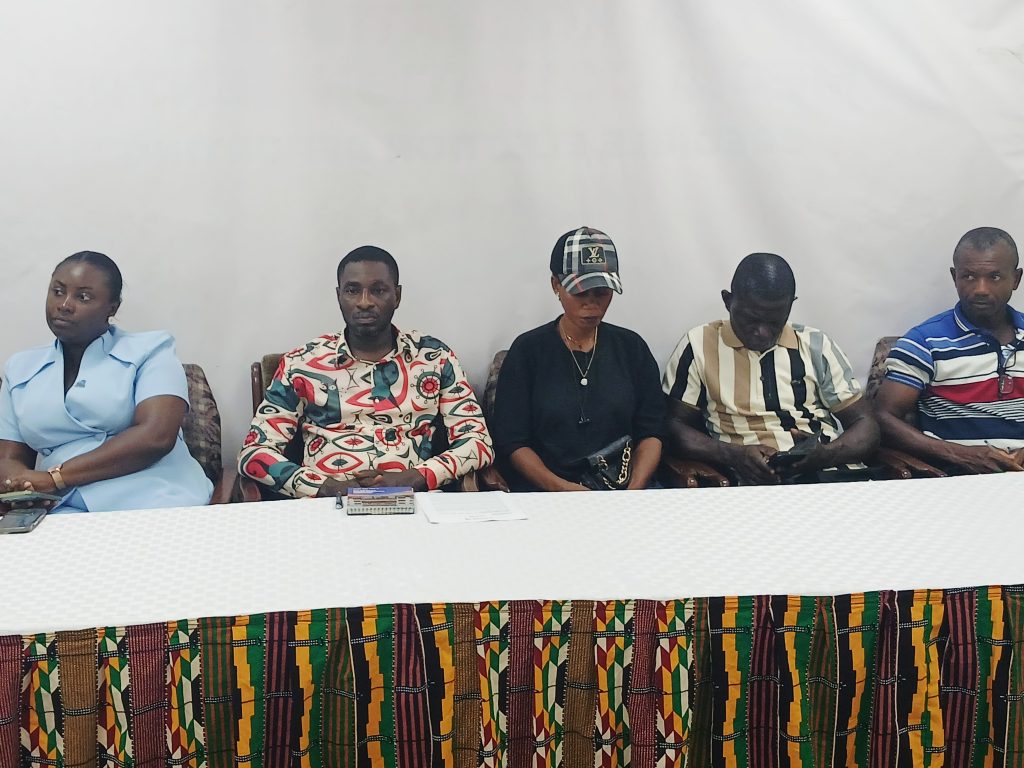
Among the cases highlighted in the statement were developments in Kuano, Dome, Abobri and Akyensa in the Ayensuano District of the Eastern Region.
A Rocha Ghana alleged that mining operators, acting under a so-called “cooperative mining” arrangement reportedly facilitated by the District Chief Executive (DCE) for Ayensuano, attempted to enter community lands without obtaining the free, prior and informed consent of affected residents.
The organisation said community members, supported by community paralegals and the Community Resource Management Area (CREMA), were able to understand their rights and mobilise against the proposed arrangement.
It said the residents’ response demonstrated the importance of community empowerment in challenging mining activities that might proceed without the consent of affected landowners and other residents.
A Rocha Ghana stressed that the alleged involvement of the DCE in facilitating the arrangement required appropriate scrutiny to establish the facts and determine whether any wrongdoing had occurred.
The organisation called on district authorities to account for their roles in facilitating cooperative mining or similar arrangements and to halt any further coercion or forced entry into community lands pending independent investigations.
It also urged public officials to respect the rights of affected communities and ensure that mining activities complied with applicable laws and procedures.
The allegations against the DCE and the mining operators were presented in the statement as matters requiring investigation and should not be taken as established findings of wrongdoing.
Galamsey operations allegedly cut farmers off from their lands
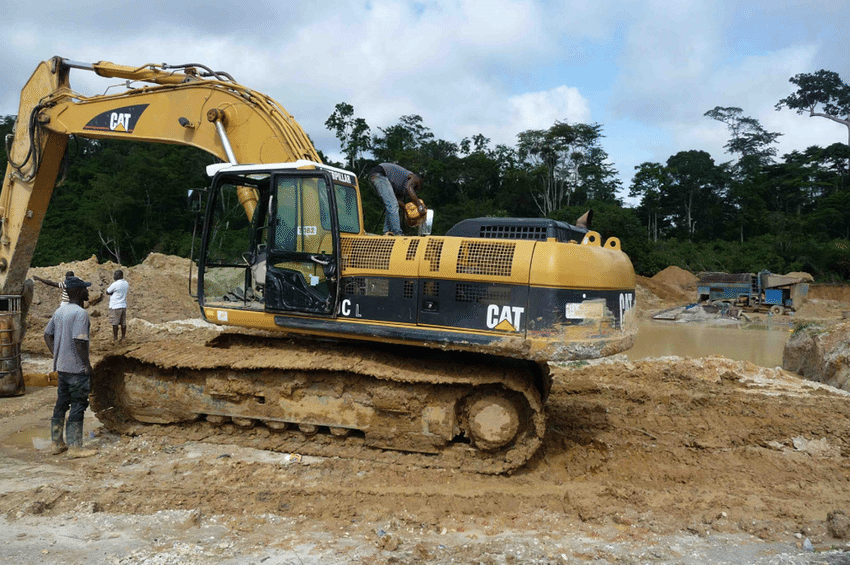
The statement also highlighted alleged destruction of access routes to farmlands in Kuntokrom, near Dunkwa-on-Offin, in the Central Region.
According to A Rocha Ghana, galamsey operators had destroyed paths used by farmers, including those belonging to a farmer identified as Joyce Alabar, leaving harvested produce stranded on farms because residents could no longer transport it to market.
The organisation further alleged that open mining pits had disrupted movement between communities, leaving some farmers unable to return home safely after travelling to their farms.
It described the situation as a threat to food production, rural livelihoods and community safety.
To illustrate the dangers associated with abandoned and poorly managed mining sites, A Rocha Ghana recalled a mine collapse reported near Dunkwa-on-Offin on June 27, 2010, following heavy rainfall.
Citing the BBC’s reporting at the time, the statement said approximately 100 people were feared buried when the pit collapsed, with at least 15 survivors reported.
The organisation argued that the incident underscored the continuing dangers associated with unsafe mining operations and the need for effective reclamation of abandoned pits.
It called on the government to restore safe passage to farms and communities where mining activities had destroyed access routes.
Densu River threatened by illegal mining
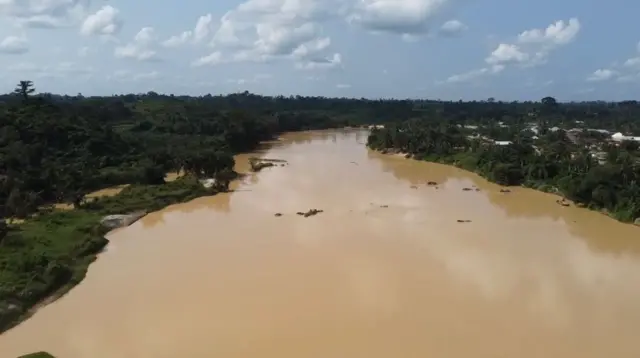
In Kenyasi No. 2, A Rocha Ghana alleged that illegal mining activities were destroying the Densu River, which it identified as the community’s only source of water.
The organisation said the matter had been reported to traditional authorities, who indicated that they had subsequently referred it to the police.
However, according to the statement, the mining operations had continued despite the reports.
A Rocha Ghana further alleged that farmers visiting the affected area had faced threats and intimidation, including reports of miners firing warning shots to prevent them from challenging the activities.
The organisation called for urgent intervention by the relevant regulatory and security agencies to investigate the reported pollution, stop unlawful operations and protect residents who might be exposed to threats.
It said the alleged situation illustrated the difficulties communities faced when reporting suspected illegal mining activities without receiving effective protection or timely intervention.
Nsuaem farmers suffer alleged destruction of cocoa farms
A Rocha Ghana also reported alleged damage to cocoa farms in Nsuaem No. 1, where it said wastewater from illegal mining sites had been discharged directly into agricultural lands.
According to the organisation, the discharge had affected cocoa farms, restricted farmers’ access to their properties and threatened harvests on which households depended for their livelihoods.
It argued that such incidents demonstrated the connection between environmental degradation and economic hardship in mining communities.
The organisation called for investigations into the alleged discharge of mining wastewater and appropriate measures to restore affected agricultural lands and compensate farmers where damage was established.
Police petition over alleged attack on cocoa farmer
Another case highlighted in the statement concerned Patriensa in the Ashanti Region, where A Rocha Ghana said it had submitted a formal criminal complaint to the District Police Commander in Konongo on September 29, 2026.
The complaint followed the circulation of a social media video showing a distressed 61-year-old cocoa farmer being chased from her farm by a man allegedly brandishing a cutlass.
A Rocha Ghana said its investigations had established that the farmer’s son recorded the incident while present at the scene.
The organisation further alleged that a group of individuals had entered the land and commenced mining without the farm owner’s knowledge or consent, resulting in the clearing and destruction of portions of her cocoa farm.
It said the complaint was intended to secure an urgent police investigation into the incident and the circumstances surrounding the alleged destruction of the farm.
The organisation also disclosed that a coalition of civil society groups, including A Rocha Ghana, the Nature and Development Foundation, WACAM and the Network of Legal Advocates for Land and Human Rights, had called on the Ghana Police Service to investigate reported cases of intimidation, threats and destruction of farmlands in galamsey-affected communities.
The coalition’s position, as outlined in the statement, was that residents should be able to defend their lawful interests without facing threats or violence.
A Rocha Ghana urged the police to investigate the Patriensa incident and other reported cases and ensure that anyone found to have committed an offence was dealt with in accordance with the law.
Child labour, mercury pollution and exploitation
Beyond the destruction of farms and community lands, A Rocha Ghana warned that illegal and unregulated mining was associated with broader human rights and public health concerns.
The organisation cited an estimate that approximately 21 per cent of children aged five to 17 in Ghana were involved in child labour, with some exposed to dangerous mining activities and toxic substances such as mercury.
It said such practices raised concerns about compliance with International Labour Organization Convention No. 182, which addresses the worst forms of child labour.
The statement also referred to observations by the United Nations Working Group on the use of mercenaries concerning violence associated with illegal small-scale mining.
According to A Rocha Ghana, the UN group had expressed concern about reports of armed illegal miners and attacks on unarmed mine security personnel.
The organisation also raised concerns about the trafficking and exploitation of women and girls in illegal mining communities.
It alleged that some women and girls were lured by promises of legitimate employment but subsequently subjected to exploitative labour and commercial sexual exploitation, including debt bondage, confiscation of travel documents and practices intended to instil fear.
A Rocha Ghana said these concerns required stronger law enforcement, protection for vulnerable individuals and measures to address the economic and social conditions that made people susceptible to exploitation.
Organisation warns of mercury contamination and health risks
The environmental organisation identified mercury pollution as another major concern, particularly in communities where artisanal and small-scale gold mining takes place.
It cited the findings of the UN Special Rapporteur on toxics and human rights, Marcos Orellana, following his visit to Ghana in 2022.
According to the statement, Orellana warned that mercury use in small-scale mining was contaminating soil and water sources on a national scale, with implications for the rights and health of present and future generations.
A Rocha Ghana said the Special Rapporteur had also referred to medical studies indicating that children living near mining areas often had elevated mercury levels in their bodies and could experience symptoms of mercury poisoning.
The organisation expressed concern that health facilities in affected communities might not adequately inform residents about mercury exposure or provide the necessary testing and treatment for children suspected of suffering from mercury poisoning.
It argued that weaknesses in the implementation of laws governing chemicals and waste management increased the risks faced by mining-affected populations.
The statement also cited an estimate that approximately 60 per cent of Ghana’s water bodies had been contaminated with toxic substances, including mercury and cyanide, identifying illegal mining as a major contributor to the degradation.
A Rocha Ghana called for stronger enforcement of environmental regulations, improved public health interventions and measures to ensure that communities exposed to toxic substances received appropriate information and medical support.
A Rocha Ghana links local concerns to wider African trends
The organisation said Ghana’s mining-related concerns formed part of a wider continental challenge involving alleged human rights violations associated with mineral extraction.
Citing the Business & Human Rights Resource Centre’s Transition Minerals Tracker 2026, A Rocha Ghana said allegations of human rights abuses linked to transition mineral extraction across Africa had increased from 45 cases in 2024 to 100 in 2025.
It described the increase as 122 per cent and said attacks on human rights and environmental defenders had also risen by more than 50 per cent over the same period.
The statement further referred to reports of civilian deaths during air strikes involving gold prospectors near the Egypt-Sudan border in October 2026, presenting the incident as an example of the extreme dangers that could accompany unregulated gold prospecting.
A Rocha Ghana said the broader developments highlighted the importance of establishing effective safeguards for communities, workers and environmental defenders.
It maintained that Ghana needed a coordinated national response to prevent further abuses and strengthen the protection of people living in mining-affected areas.
Legal obligations and accountability
A Rocha Ghana argued that the alleged abuses in Ghana’s mining communities raised concerns about compliance with national legislation and international human rights standards.
The organisation cited the Minerals and Mining Act, 2006 (Act 703), the Environmental Protection Agency Act, 1994 (Act 490), and Ghana’s National Action Plan on Business and Human Rights.
It also referred to the United Nations Guiding Principles on Business and Human Rights, which set out the State’s responsibility to protect people against human rights abuses by third parties and the responsibility of businesses to avoid causing or contributing to adverse human rights impacts.
According to the statement, challenges documented in Ghana’s mining communities included forced displacement, encroachment onto family lands and burial grounds, attacks on residents, the use of force against community members and pollution of water sources.
The organisation said the reported incidents demanded effective investigations, access to justice and appropriate remedies for affected communities.
It called on the government and relevant institutions to ensure that mining companies, whether operating on a large or small scale, respected community rights and complied with environmental and human rights obligations.
A Rocha Ghana also stressed that the principle of free, prior and informed consent should be respected whenever mining-related activities affected community lands.
Nine-point call for urgent government action
In its statement, A Rocha Ghana outlined a series of demands directed at government institutions, regulators, security agencies and mining companies.
First, it called on district assemblies and district chief executives in mining-affected areas, including Ayensuano, to account for their roles in facilitating cooperative mining arrangements and to halt any coercive entry into community lands pending independent investigations.
Second, it urged the Minerals Commission and the Environmental Protection Authority to investigate and shut down illegal mining activities in affected communities while enforcing licensing, environmental permitting and reclamation requirements.
Third, it called on the Ghana Police Service and other security agencies to respond proactively to threats facing communities affected by irresponsible mining, whether involving legal or illegal operators.
Fourth, it demanded the prosecution of individuals found responsible for threats, intimidation and attacks against community members, landowners and environmental defenders.
Fifth, it urged the government to provide adequate resources to CHRAJ and the National Commission for Civic Education (NCCE) to investigate alleged violations, improve public education and help affected individuals and communities obtain access to justice and remedies.
Sixth, it called for the reclamation of abandoned mining pits and the restoration of safe access routes where mining operations had cut farmers and communities off from their lands and one another.
Seventh, it demanded fair and prompt compensation and environmental remediation for farmers and communities whose lands and water sources had been damaged, in accordance with the polluter-pays principle.
Eighth, it urged all public authorities to uphold free, prior and informed consent as a prerequisite for mining-related activities affecting community lands.
Finally, it called on large-scale and small-scale mining companies to conduct human rights due diligence and refrain from activities that displace, pollute, intimidate or exploit communities.
The organisation also appealed to individuals and communities affected by land encroachment, destruction of farms, water pollution, threats and other alleged mining-related abuses to contact its team and share their experiences.
It said the information would support its work under the Building Resilient and Active Communities in Extractive Landscapes in Ghana (BRACE) Project to document violations, raise public awareness and advocate stronger accountability.
Calls for coordinated national response
A Rocha Ghana said it remained committed to working with affected communities, local authorities and state institutions to promote responsible mining practices and protect human rights and the environment.
It pledged to continue documenting and escalating reported cases in Ayensuano, Kuntokrom, Kenyasi No. 2, Nsuaem No. 1 and other affected communities through legal and advocacy channels under its BRACE and BIVA Projects.
The organisation maintained that the country’s mineral wealth should contribute to national development without exposing communities to the destruction of their livelihoods, environmental degradation or intimidation.
It urged government institutions to treat the concerns as a matter of national importance and take immediate steps to investigate the allegations, protect vulnerable residents and hold anyone found responsible accountable under the law.
A Rocha Ghana concluded that the situation required a decisive national response to ensure that mining activities operated within a framework that respected human rights, protected the environment and safeguarded the safety and livelihoods of Ghanaians.